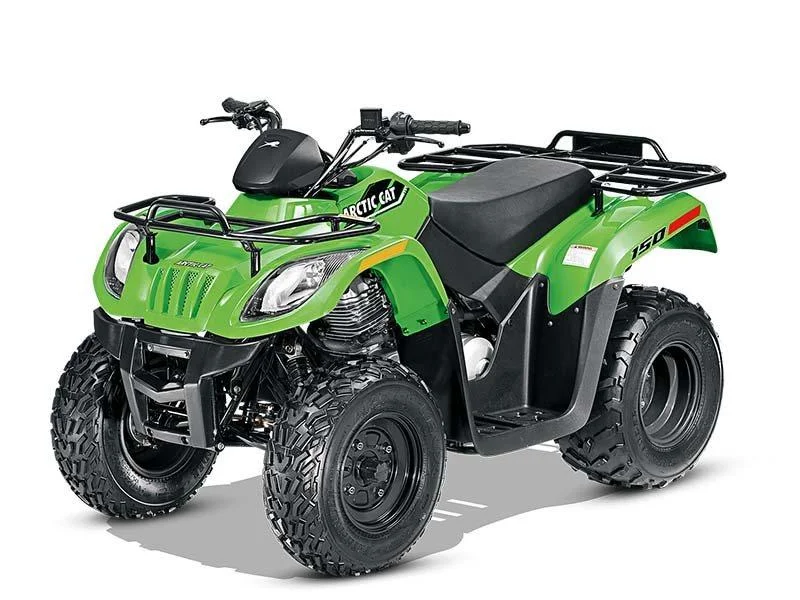
Arctic Cat Brand History
Arctic Cat's story began in 1960 in Thief River Falls, Minnesota, founded by Edgar Hetteen. Hetteen, often considered a pioneer of the snowmobile industry, initially focused on building snowmobiles through his company, Polaris. However, differing visions led him to leave Polaris and establish Arctic Enterprises, the parent company of what would become Arctic Cat.
The first significant model was the 1960 Model 100 snowmobile. What made it important wasn't just its functionality; it represented Hetteen's unwavering belief in the potential of recreational snowmobiling, a belief that would shape Arctic Cat's future. It was a practical machine built for the harsh Minnesota winters, showcasing durability and a no-nonsense approach to engineering.
Key milestones in Arctic Cat's history include:
- 1960: Founding of Arctic Enterprises and the introduction of the first Arctic Cat snowmobile.
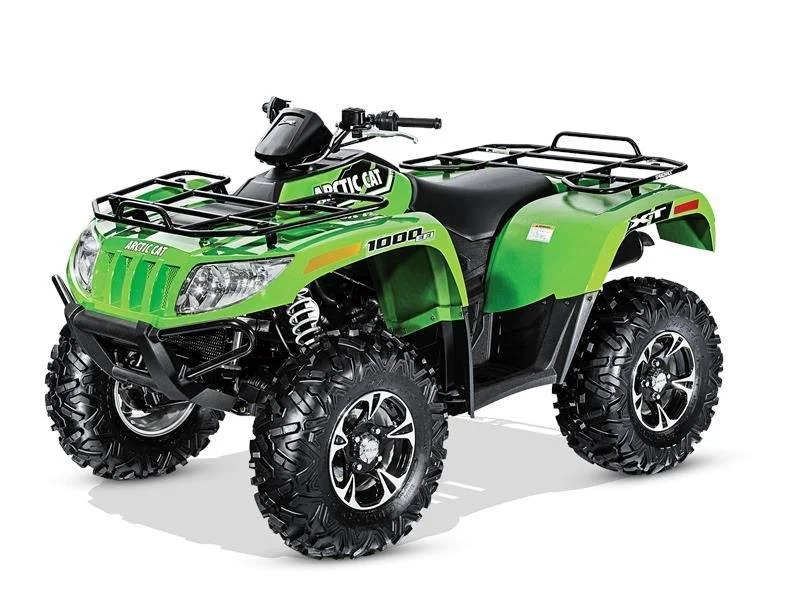
- 1970s: Expansion into all-terrain vehicles (ATVs), diversifying the product line and establishing Arctic Cat as a major player in the powersports industry.
- 1980s: Facing financial difficulties and eventual bankruptcy, followed by a restructuring and rebirth as Arctic Cat Inc. This period highlights the company's resilience and determination to survive.
- 2017: Acquisition by Textron Inc., bringing increased resources and stability to the brand while maintaining its core identity.
Arctic Cat Philosophy and Engineering
Arctic Cat's manufacturing philosophy centers on providing durable, reliable, and capable machines that cater to both recreational riders and those who need dependable vehicles for work. They prioritize practical engineering solutions over flashy aesthetics, focusing on building machines that can withstand demanding conditions.
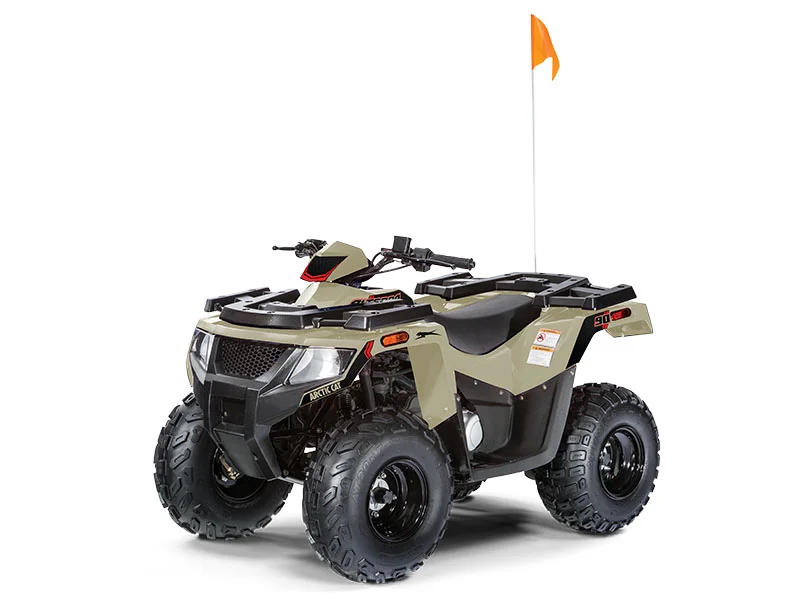
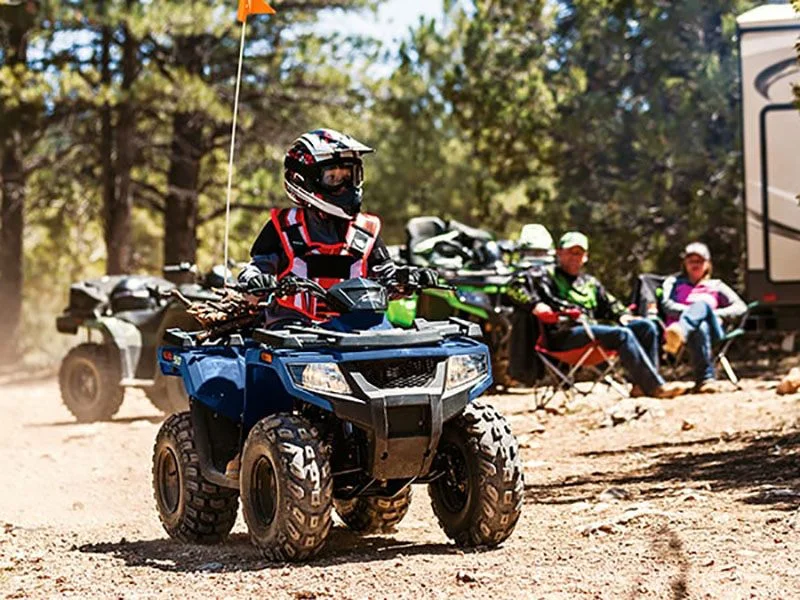
Their engineering approach emphasizes robust engines, sturdy chassis, and increasingly sophisticated electronics. The engine range is diverse, from the small but capable 90cc engines found in youth ATVs like the Alterra 90, to the larger displacement powerplants in their more performance-oriented models. Chassis designs prioritize stability and handling, often incorporating features like independent rear suspension (IRS) for improved ride quality and terrain absorption. Electronic advancements include electronic power steering (EPS) on many models, enhancing rider comfort and control.
Two specific differentiators for Arctic Cat include:
- Duramatic Automatic Transmission: This continuously variable transmission (CVT) system, found on many Arctic Cat ATVs, is known for its durability and smooth operation, providing responsive power delivery across a wide range of speeds.
- SpeedRack II System: This system allows for quick and easy attachment and removal of accessories, increasing the versatility of their ATVs for work or recreational purposes.
Unlike some competitors like Yamaha, who often emphasize a broader range of powersports products including motorcycles and watercraft, Arctic Cat has largely focused on ATVs and snowmobiles, allowing them to specialize and refine their offerings within these segments.
Arctic Cat Global Presence
Arctic Cat's primary markets are North America (United States and Canada), with a significant presence in regions with strong outdoor recreation and agricultural sectors. Their dealer network spans across these countries, providing sales, service, and parts support to customers. They also have a presence in select European and other international markets, though their market share is typically smaller compared to North America.
Arctic Cat has a racing heritage, particularly in snowmobile racing, where they have achieved considerable success over the years. This racing involvement has helped to develop and refine their snowmobile technology, which has then been applied to their consumer models. While their ATV racing presence is less prominent, they still support riders and teams in various off-road racing events.
As part of Textron Specialized Vehicles, Arctic Cat benefits from the resources and expertise of a larger organization. Textron Specialized Vehicles also owns brands like E-Z-GO and Cushman, allowing for shared technology and manufacturing efficiencies. While not a direct subsidiary, Arctic Cat operates as a key brand within the Textron Specialized Vehicles portfolio.
Iconic Arctic Cat Models
Here are some of the most important models in Arctic Cat's history:
- 1960 Model 100: As the first Arctic Cat snowmobile, it laid the foundation for the brand and helped popularize recreational snowmobiling. It represents the company's pioneering spirit and commitment to innovation.
- Panther Snowmobile (Various Years): The Panther series became a staple of the Arctic Cat lineup, known for its reliability and versatility. It catered to a wide range of riders, from recreational users to those who needed a dependable machine for work.
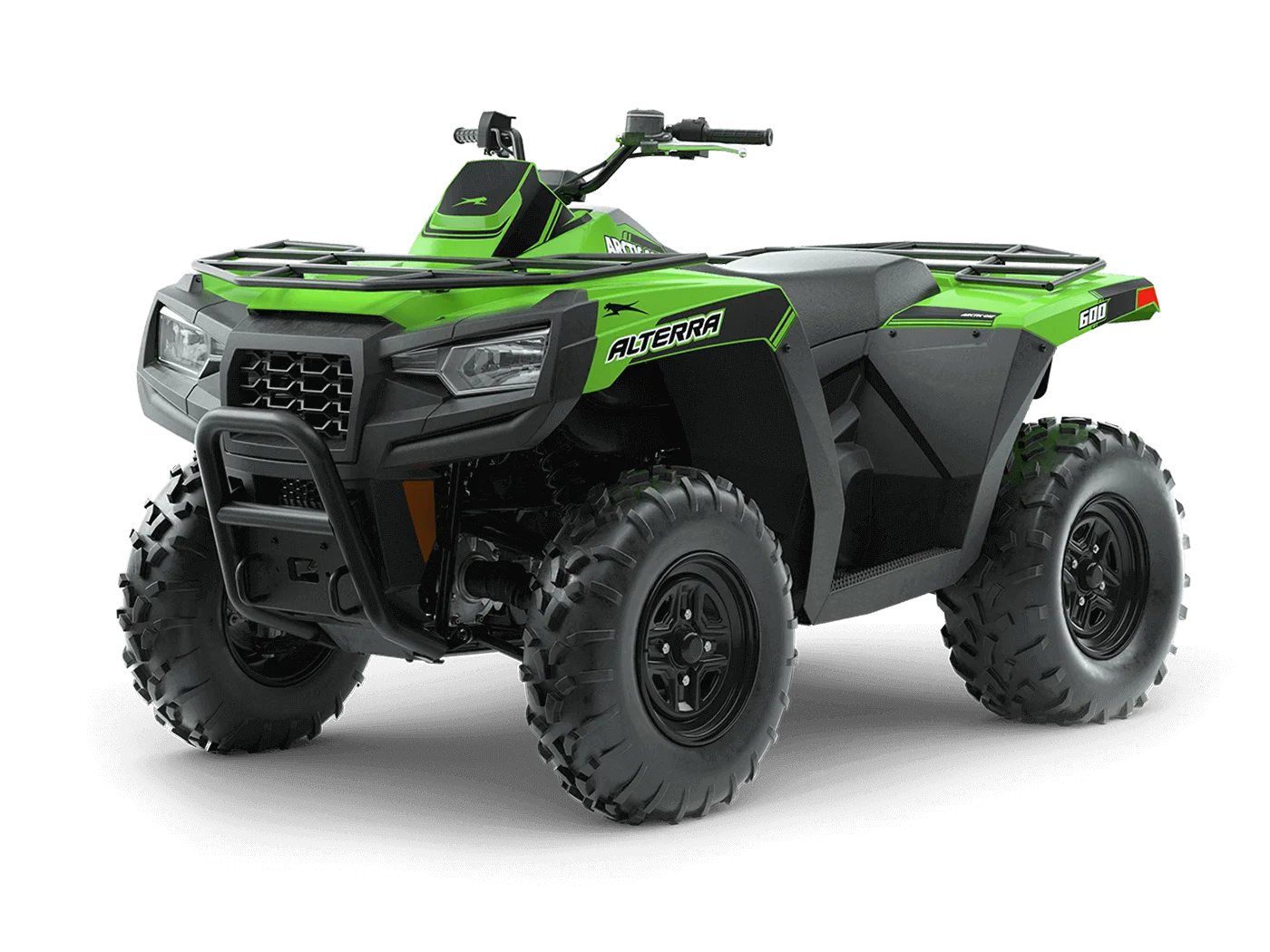
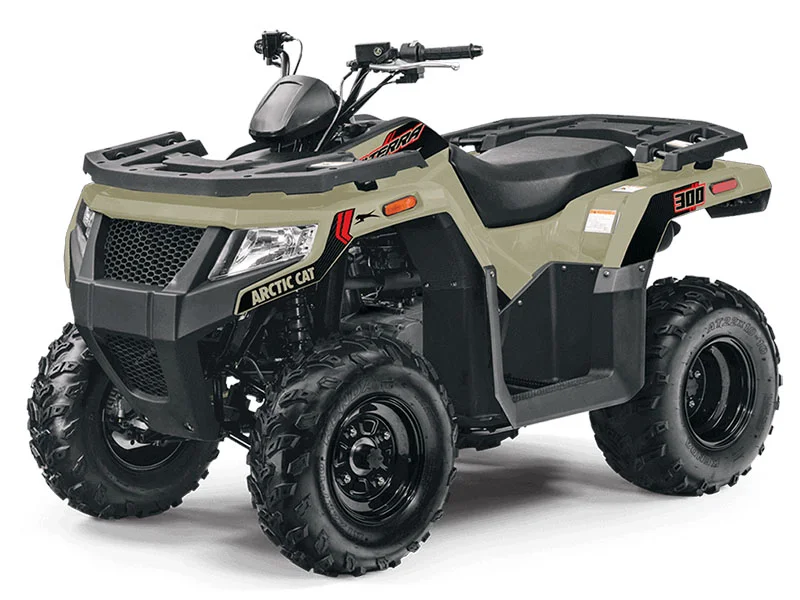
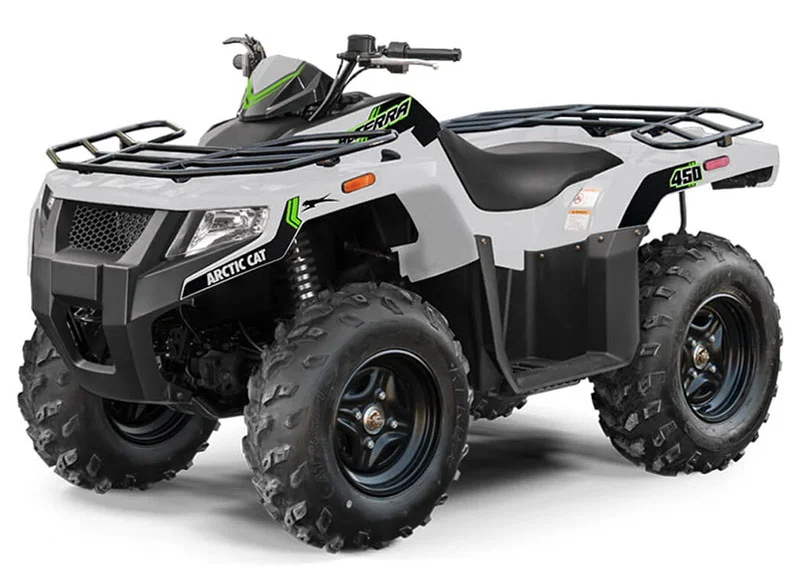
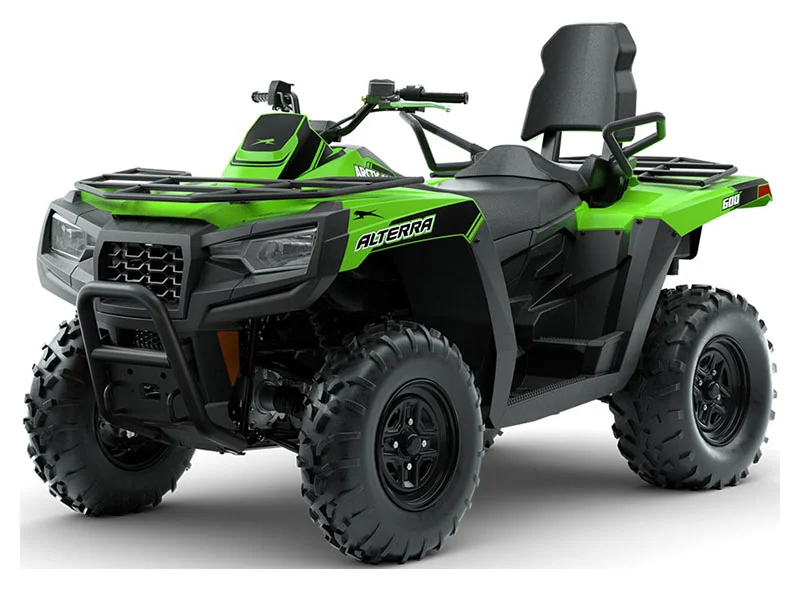
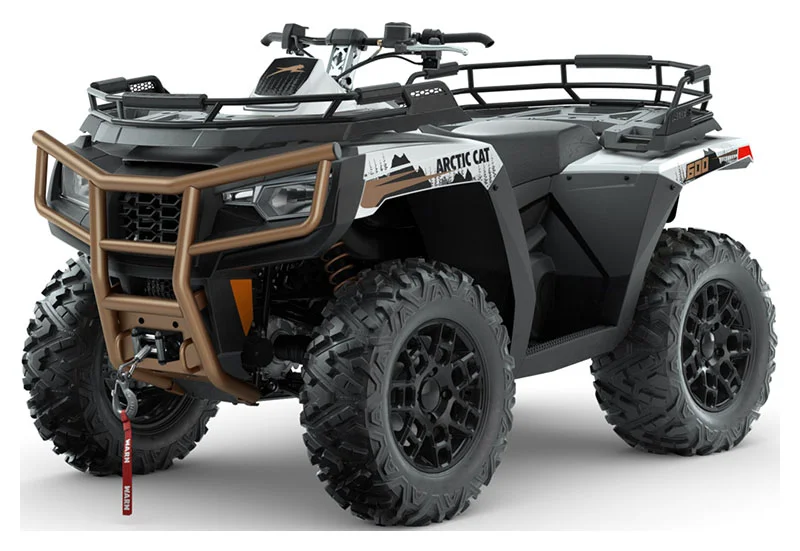
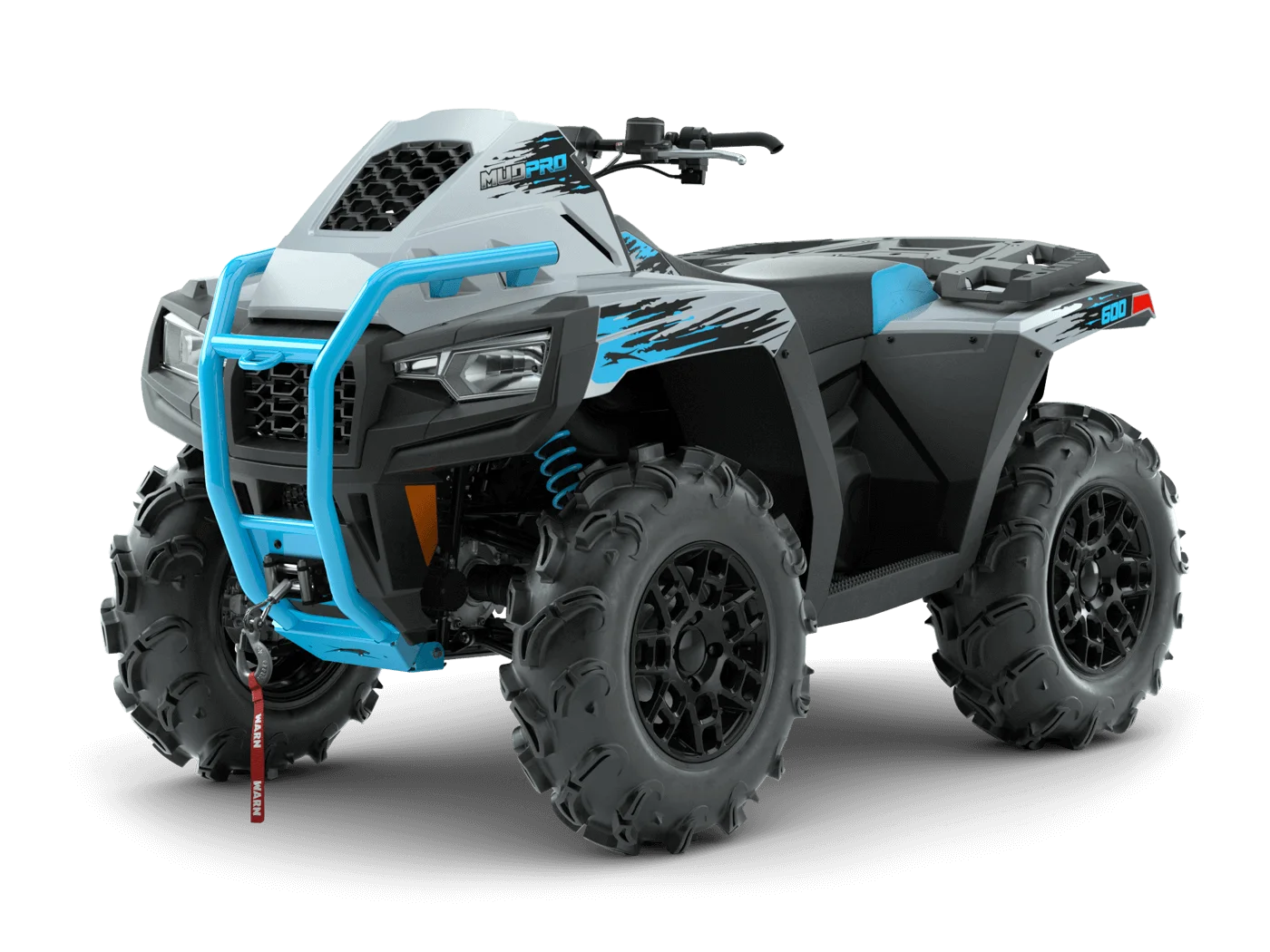
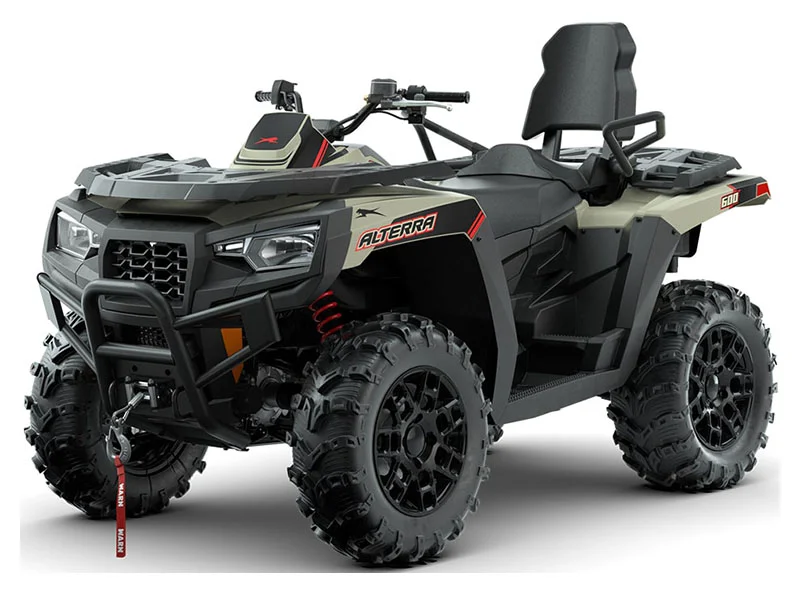
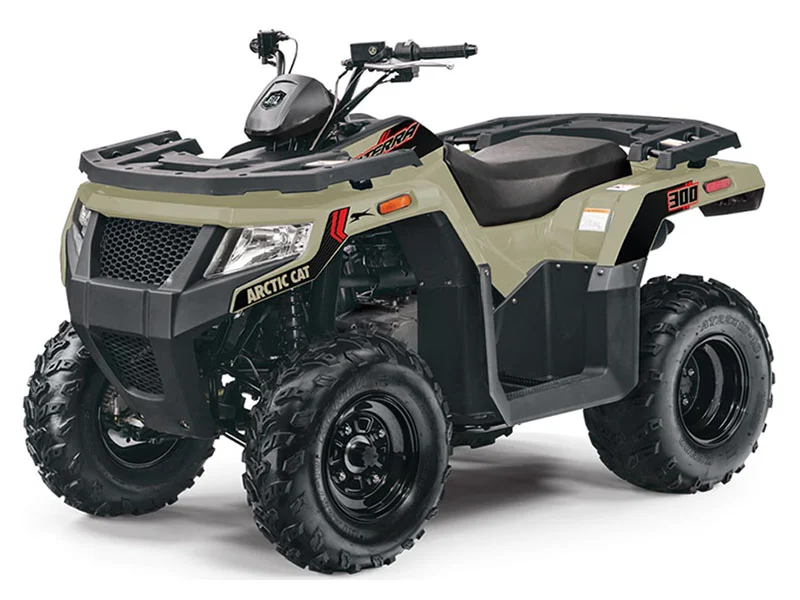
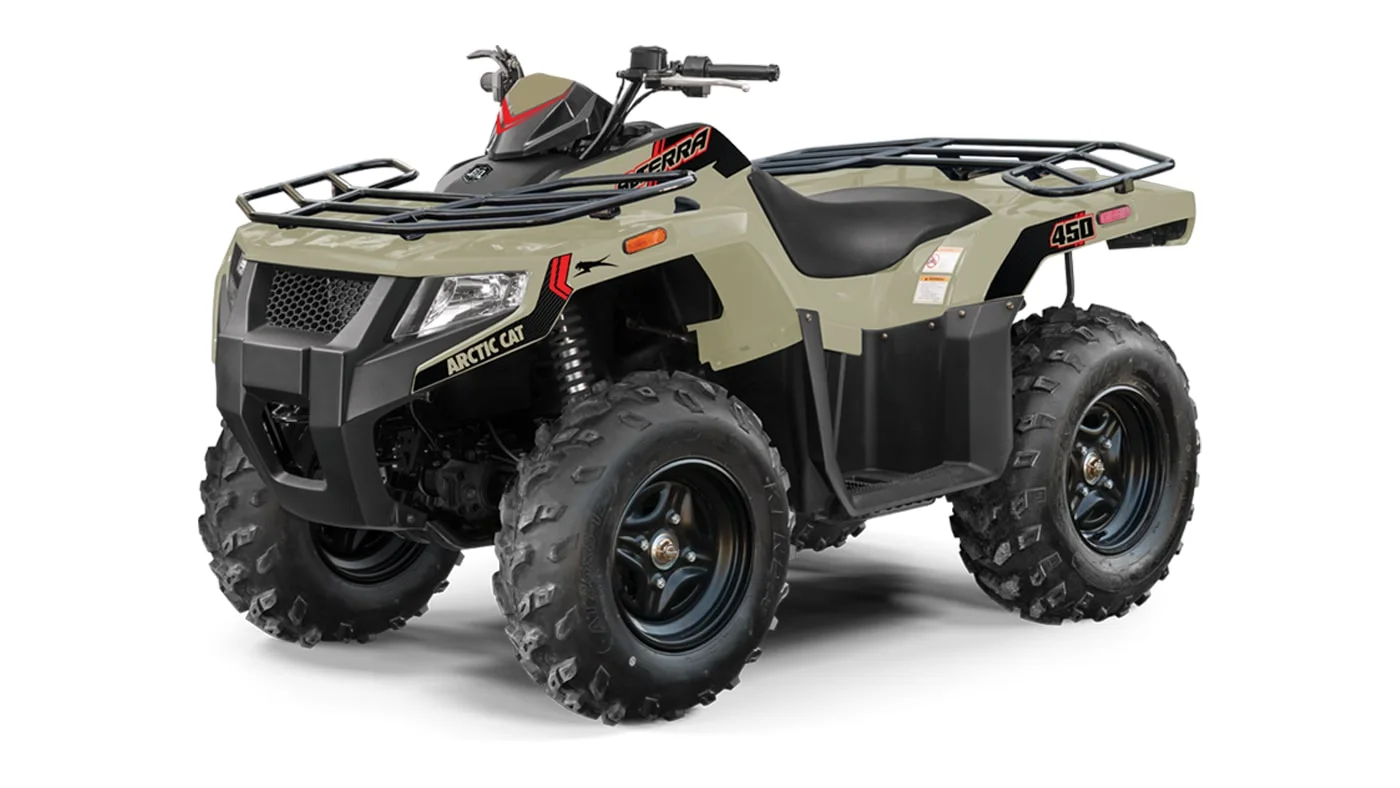
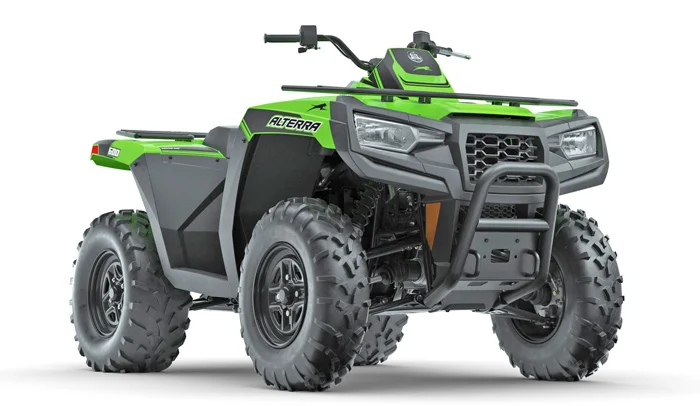
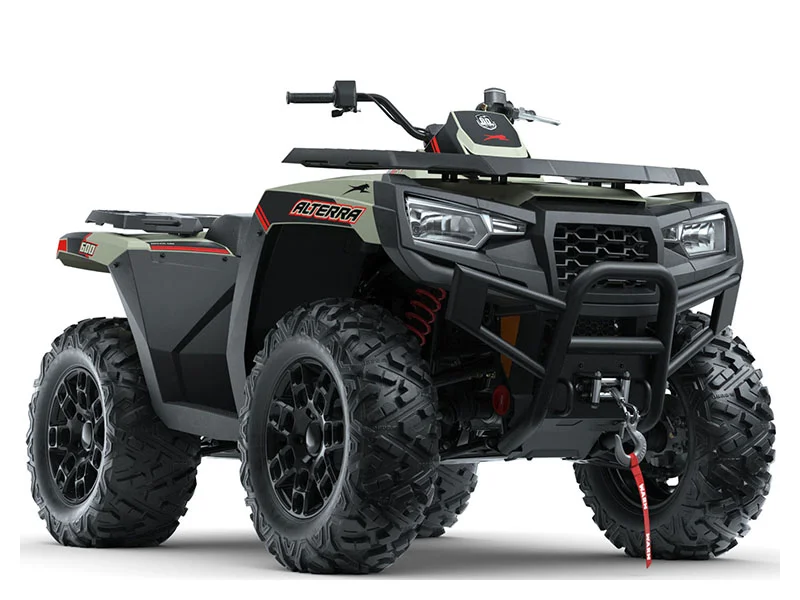
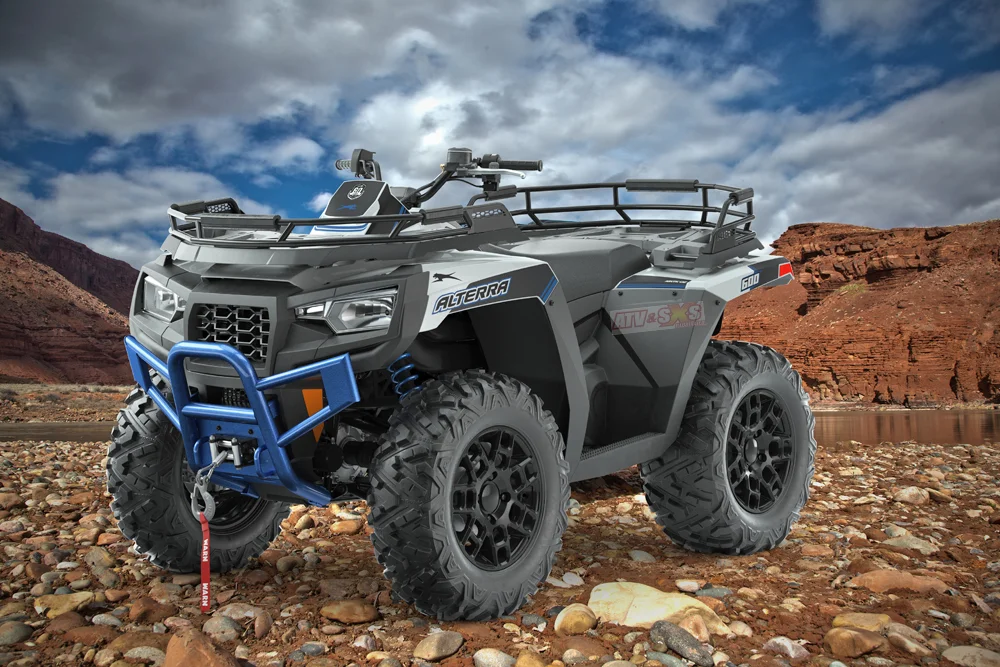
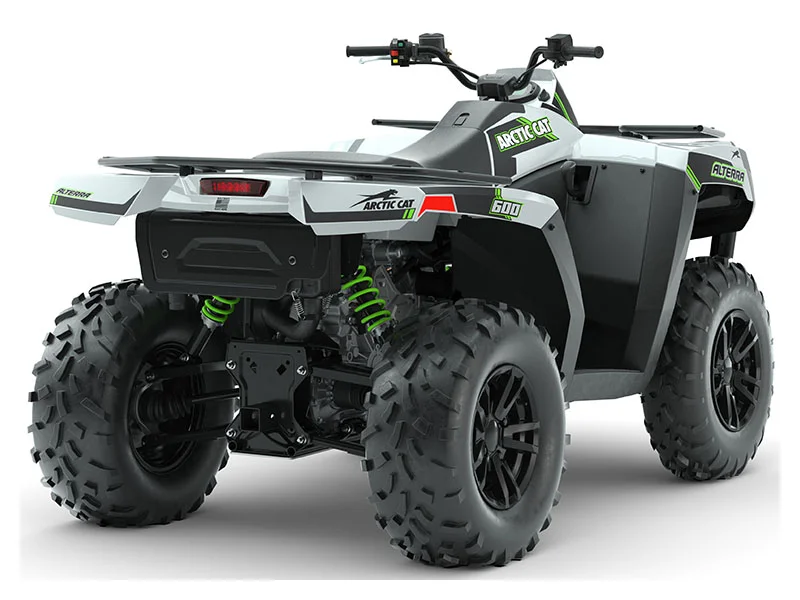
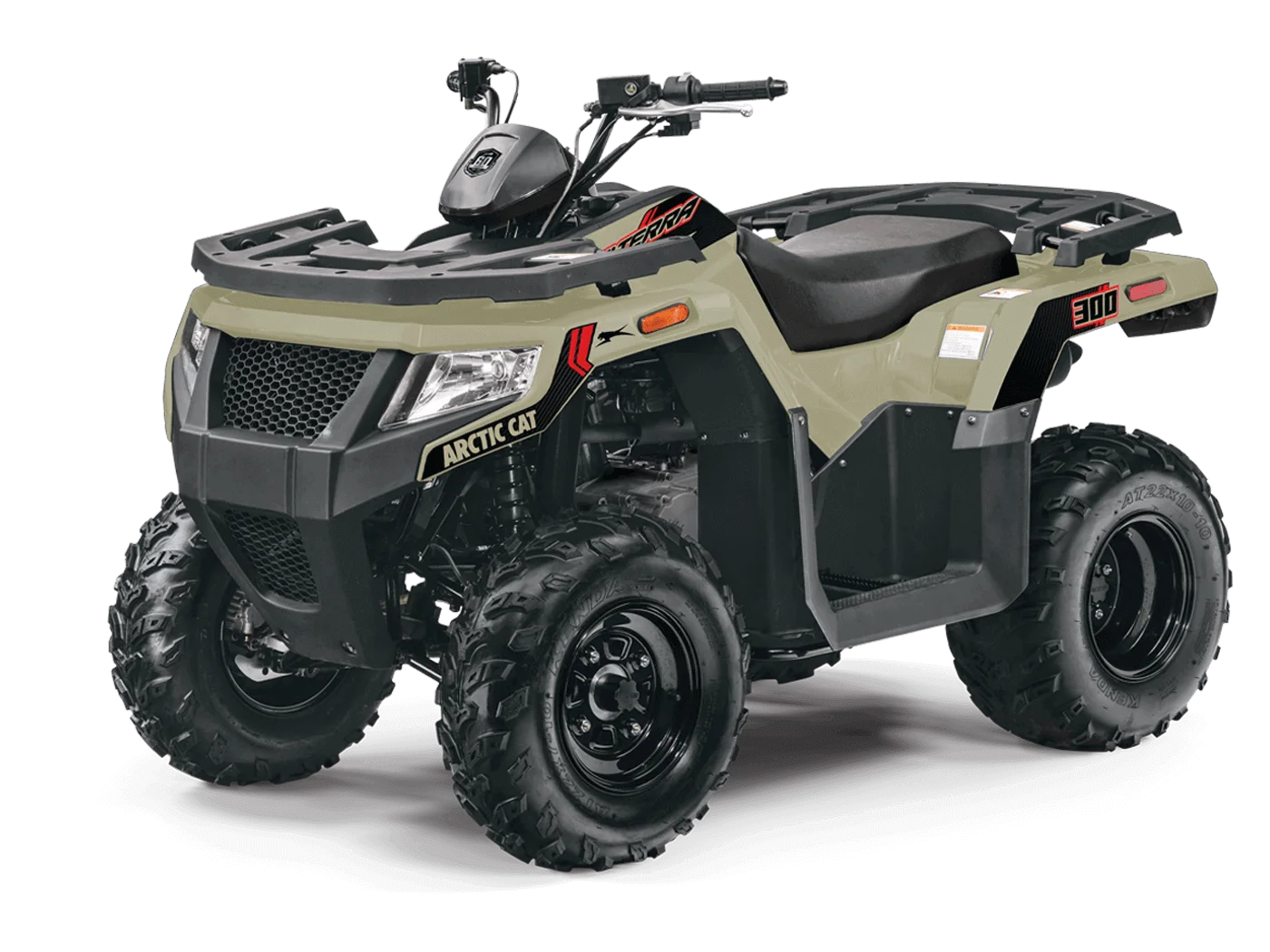
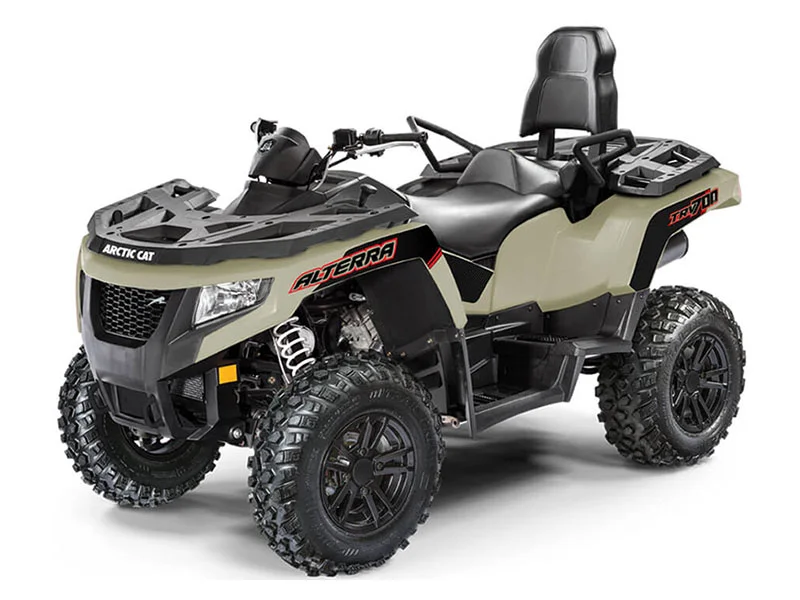
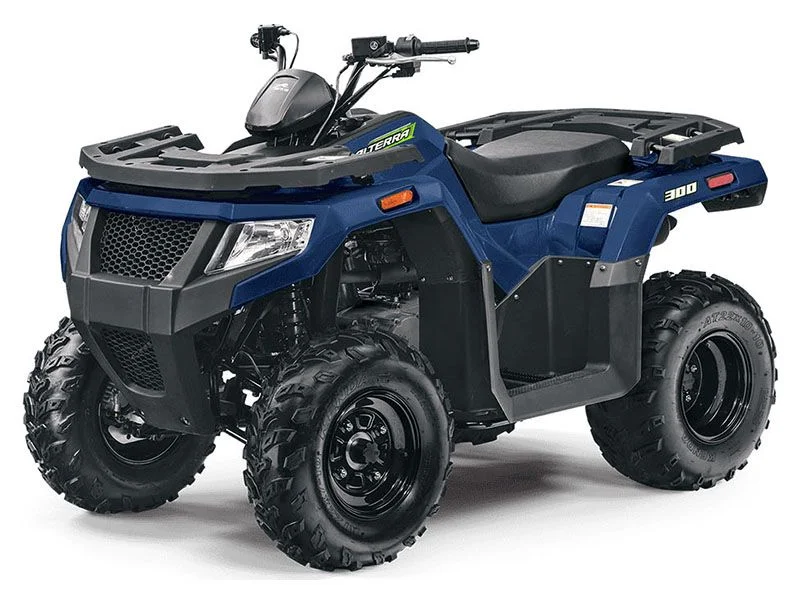
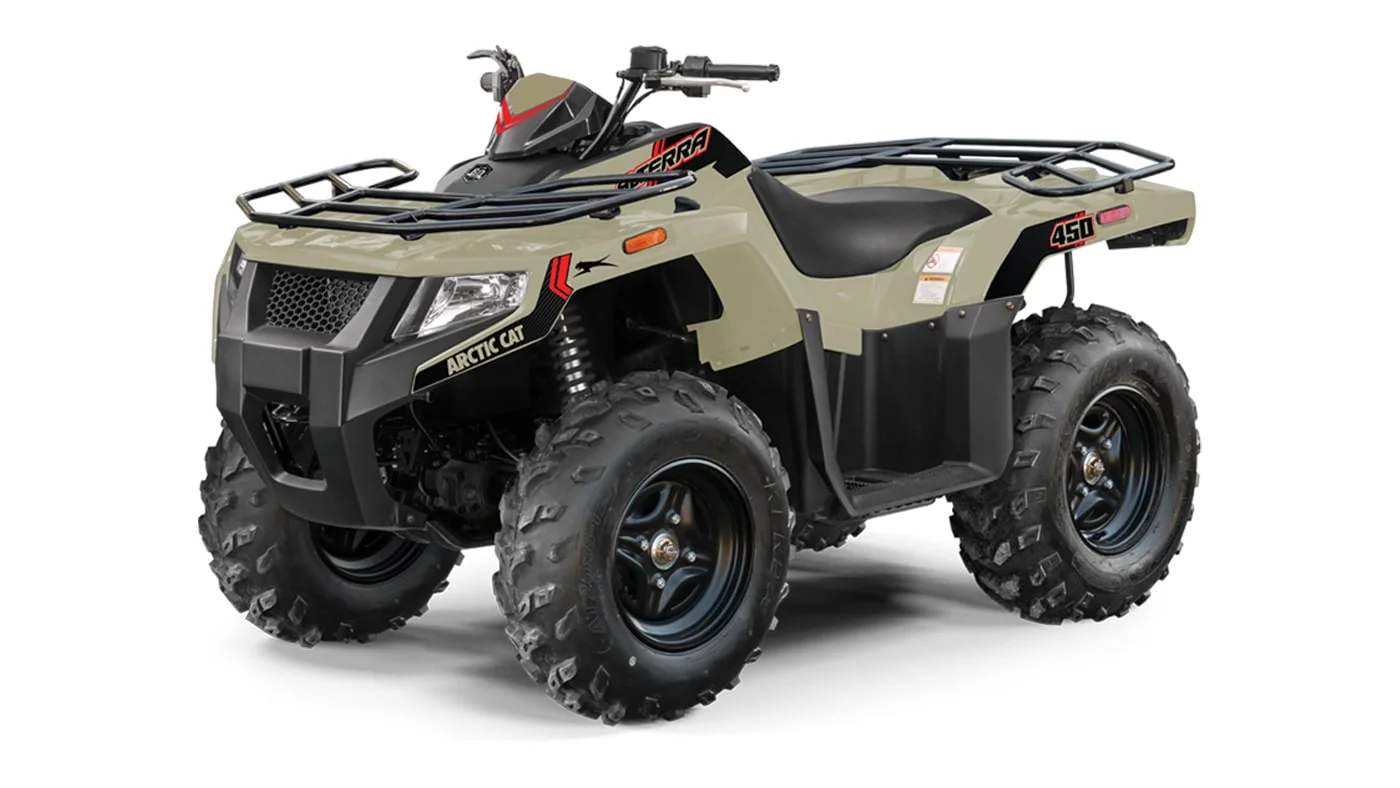
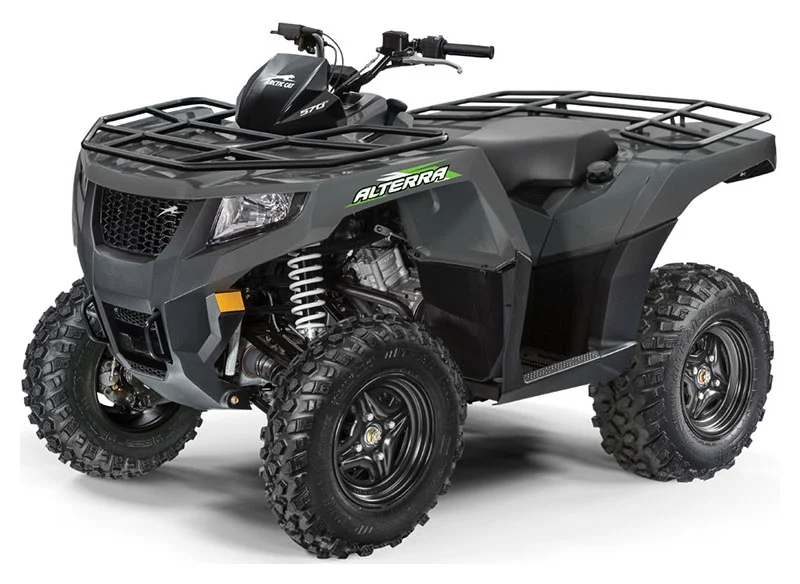
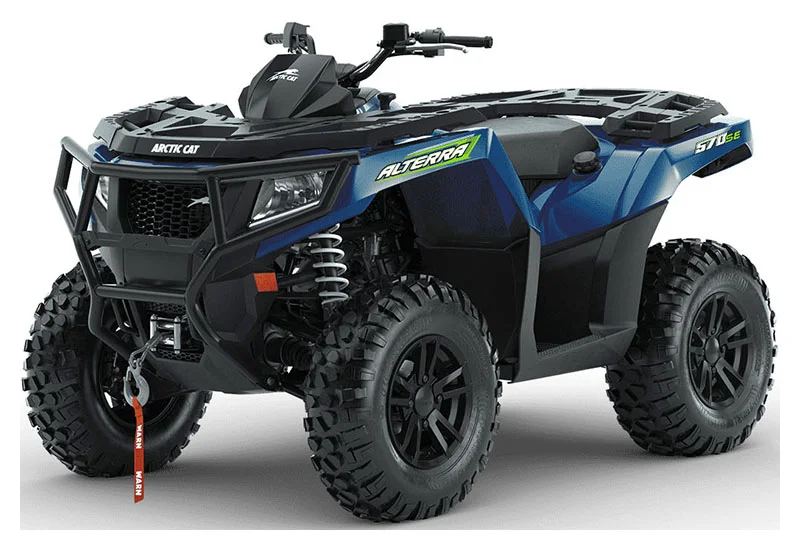
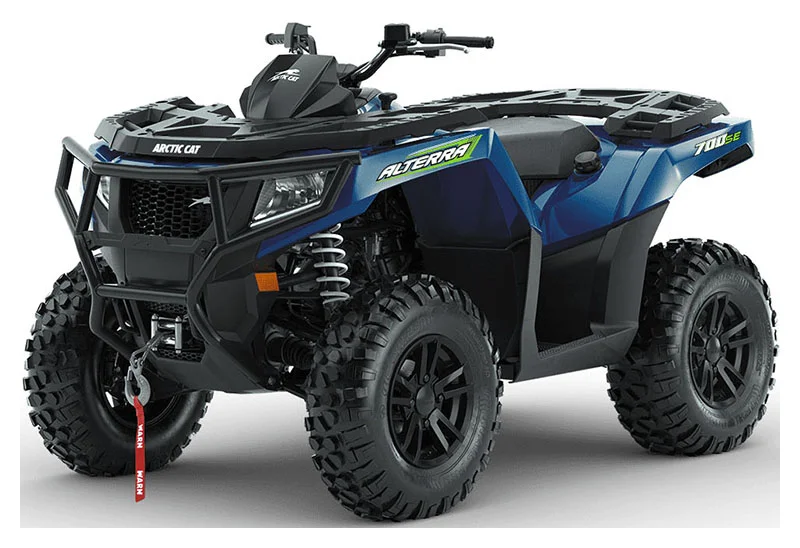
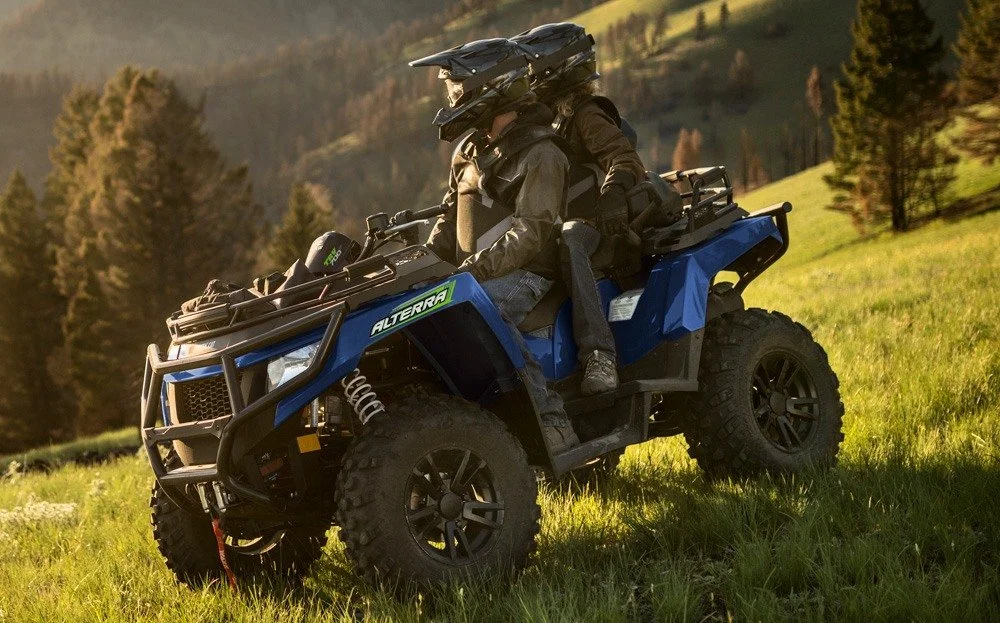
- Alterra ATV Series (Various Years): The Alterra line represents Arctic Cat's modern ATV offerings, providing a range of models for different needs and budgets. They feature updated technology, improved handling, and enhanced comfort compared to previous generations.
- Prowler UTV Series (Various Years): The Prowler UTVs marked Arctic Cat's entry into the utility terrain vehicle market, offering a capable and versatile platform for work and recreation. They were known for their rugged construction and ample cargo capacity.
Buying Advice for Arctic Cat
Arctic Cat is well-suited for individuals and families who value durability, practicality, and a focus on getting the job done. Their machines are built to withstand demanding conditions, making them a good choice for those who live in areas with challenging terrain or who require a reliable vehicle for work on a farm or ranch. The brand also appeals to recreational riders who enjoy exploring the outdoors and want a capable and dependable machine.
Here's a breakdown of budget tiers:
- Entry-Level: In this tier, you'll find models like the Alterra 90 and Alterra 150. These are ideal for young riders or those looking for a basic, affordable ATV for light recreational use. Expect to pay around $3,000 - $5,000 for these models.
- Mid-Range: The mid-range includes models like the Alterra 300 and Alterra 400. These ATVs offer a good balance of performance, features, and price, making them suitable for a wider range of riders and applications. Prices typically range from $6,000 - $9,000.
- Premium: At the premium level, you'll find models like the Alterra 700 and various UTVs in the Prowler or Wildcat lines. These machines offer top-of-the-line performance, advanced features, and increased comfort. Expect to pay $10,000 or more for these models.
Maintenance and long-term ownership of an Arctic Cat requires regular servicing and attention to detail. Like any powersports vehicle, routine oil changes, filter replacements, and inspections are essential. Pay close attention to the CVT system on models equipped with it, ensuring that the belt is in good condition and properly adjusted. Given their focus on durability, Arctic Cats tend to be reliable machines, but preventative maintenance is crucial for ensuring long-term ownership satisfaction. Check for recalls related to your specific year and model, and address any issues promptly. Furthermore, consider investing in a service manual for your machine to perform basic maintenance tasks yourself.
📌 This content is AI-assisted with editorial review.