Derbi Brand History
Derbi, a name synonymous with small-displacement motorcycles and mopeds, boasts a rich history dating back to 1922. Founded in Mollet del Vallès, Spain, by Simeó Rabasa i Singla, the company initially focused on bicycle manufacturing. The name "Derbi" itself is a contraction of "Derivados Bicicletas" – meaning "derivatives of bicycles."
The first significant model, marking Derbi's transition into motorized vehicles, was the SRS, launched in 1949. This moped, powered by a 48cc engine, was crucial in establishing Derbi as a key player in the burgeoning Spanish motorcycle market. Its affordability and practicality made it a popular choice for everyday transportation.
Here are some key milestones in Derbi's history:
- 1922: Simeó Rabasa i Singla establishes a bicycle repair shop that evolves into constructing complete bicycles.
- 1949: The SRS moped is launched, marking Derbi's entry into the motorized vehicle market.
- 1962: Derbi wins its first Grand Prix motorcycle racing world championship with Ángel Nieto in the 50cc class.
- 1972: The popular Derbi Antorcha is launched, becoming a sales success and a common sight on Spanish roads.
- 2001: Piaggio acquires Derbi, integrating it into a larger portfolio of motorcycle brands.
Derbi Philosophy and Engineering
Derbi's manufacturing philosophy has traditionally focused on providing accessible and reliable small-displacement motorcycles, primarily for urban and off-road use. The brand has consistently aimed to offer value for money, prioritizing practicality and ease of use over outright high-end specifications, although racing successes proved their engineering prowess.
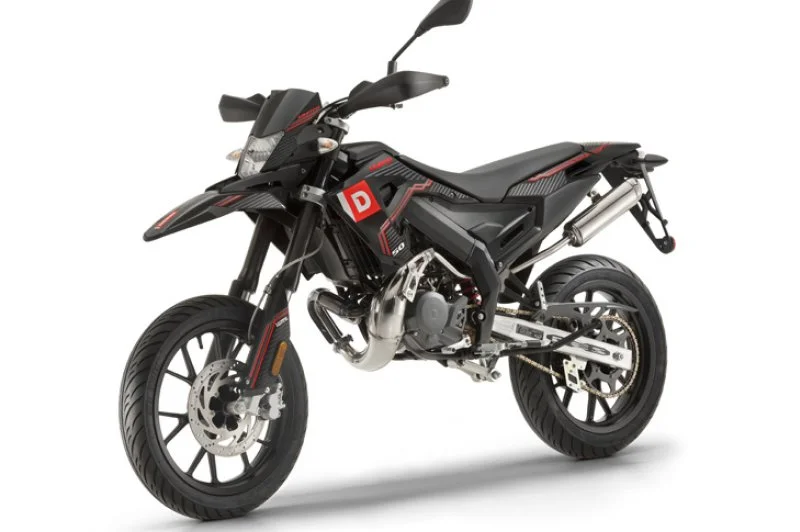
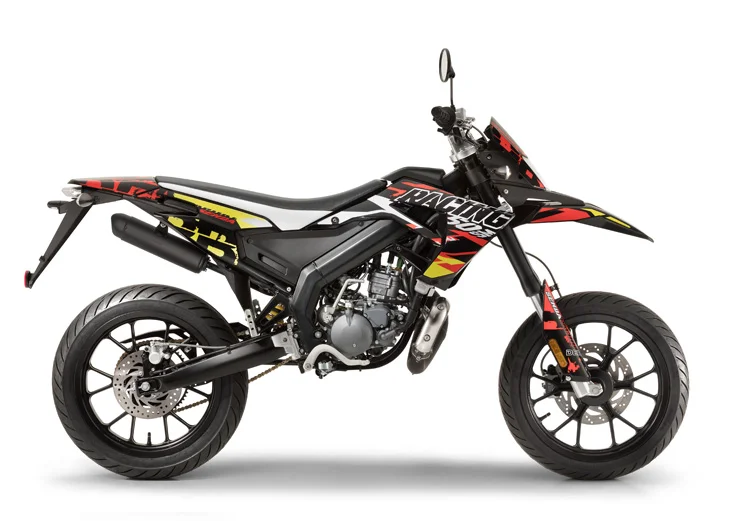
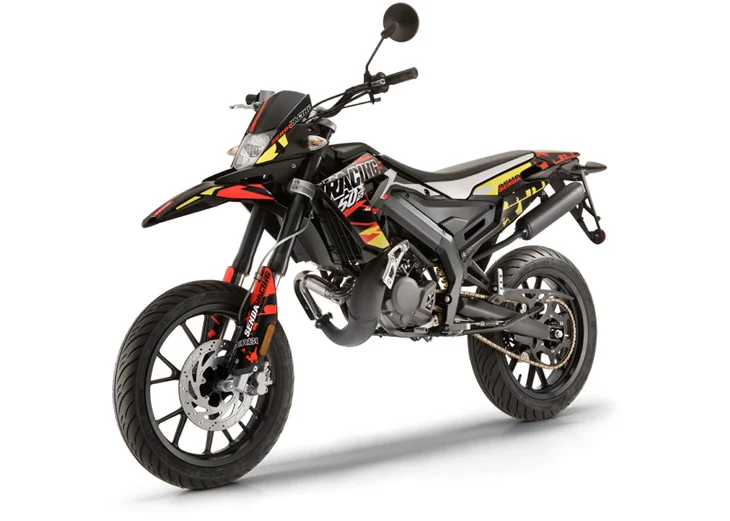
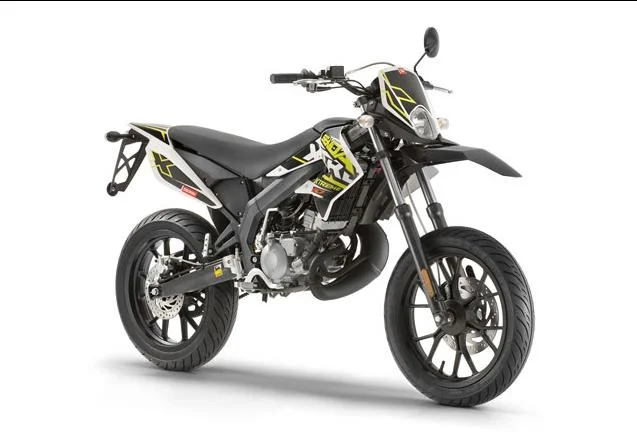
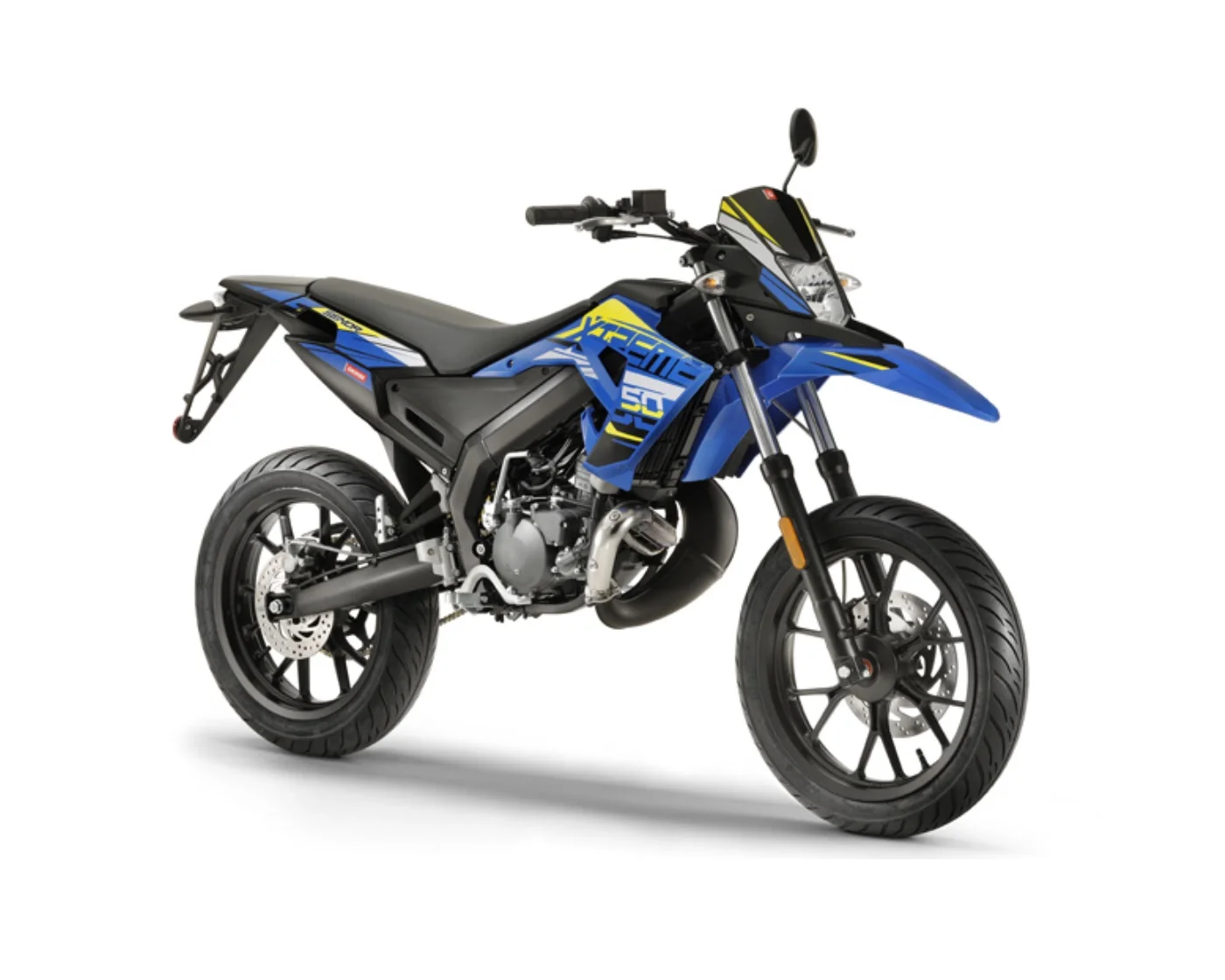
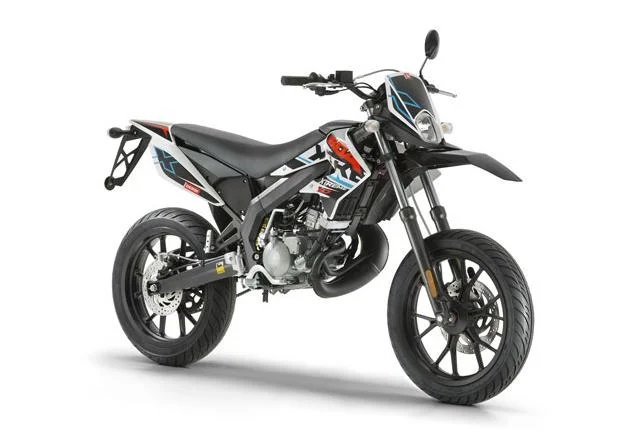
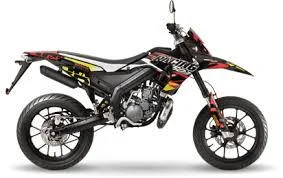
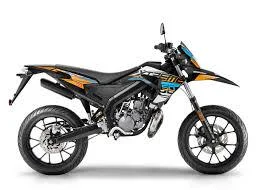
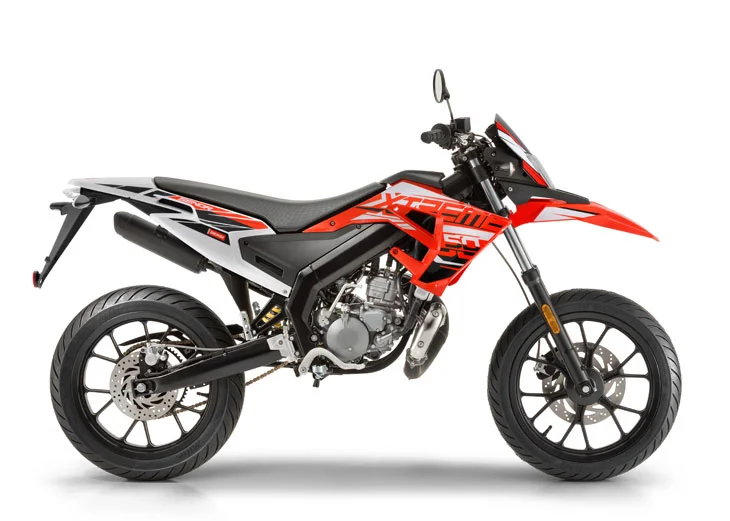
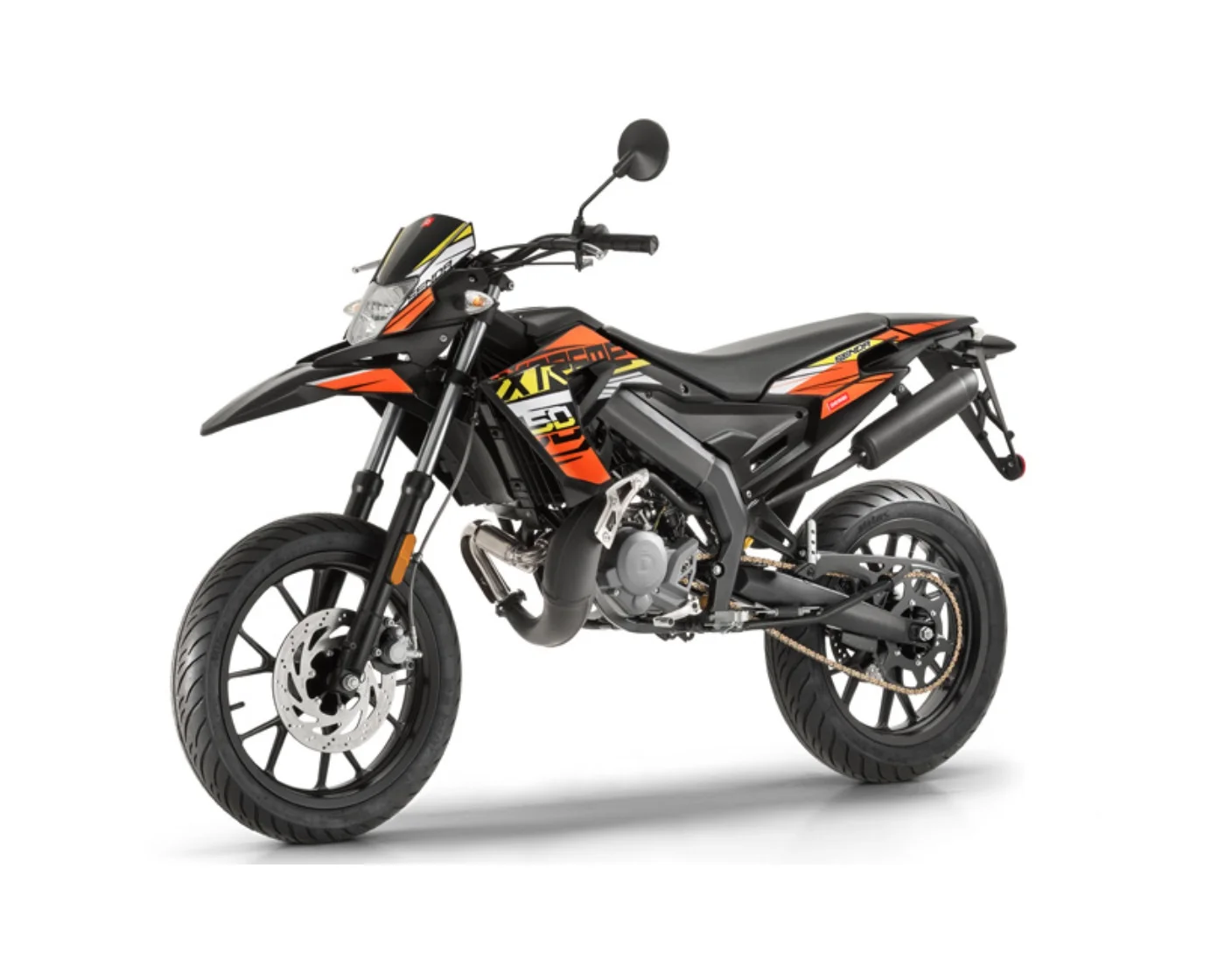
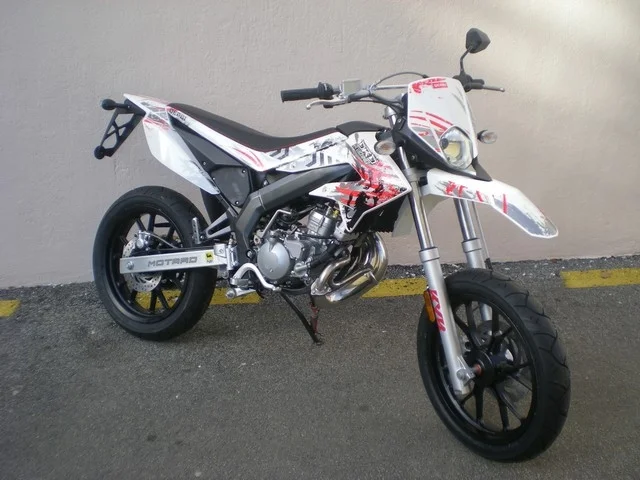
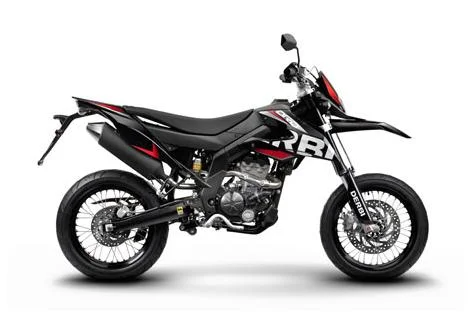
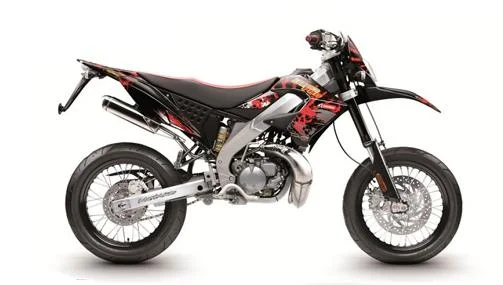
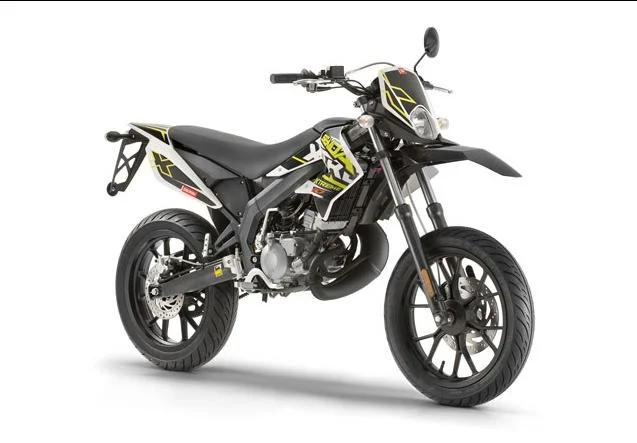
Their engineering approach generally involves utilizing robust and simple engine designs, often two-stroke engines in their earlier models and later transitioning to four-stroke engines to meet emissions regulations. Chassis designs are typically functional and durable, suitable for the intended purpose of the motorcycle, whether it's navigating city streets or tackling off-road trails. Electronics are kept relatively straightforward, focusing on essential functions rather than complex rider aids. For example, the Senda DRD Pro 50 SM, a popular supermotard model, features a liquid-cooled, two-stroke 49.9cc engine. While not boasting advanced electronics, it provides a responsive and engaging riding experience.
Two key differentiators for Derbi are:
- Focus on Small-Displacement: Derbi specialized in small-displacement machines, particularly 50cc and 125cc motorcycles, catering to younger riders and those seeking affordable transportation.
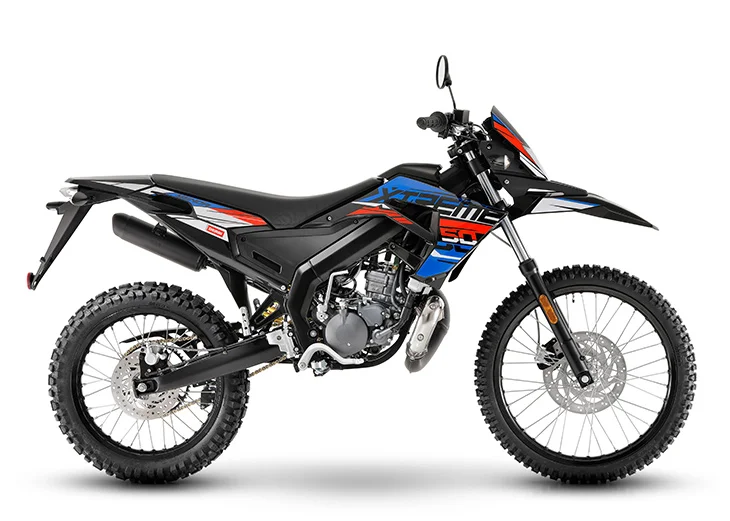
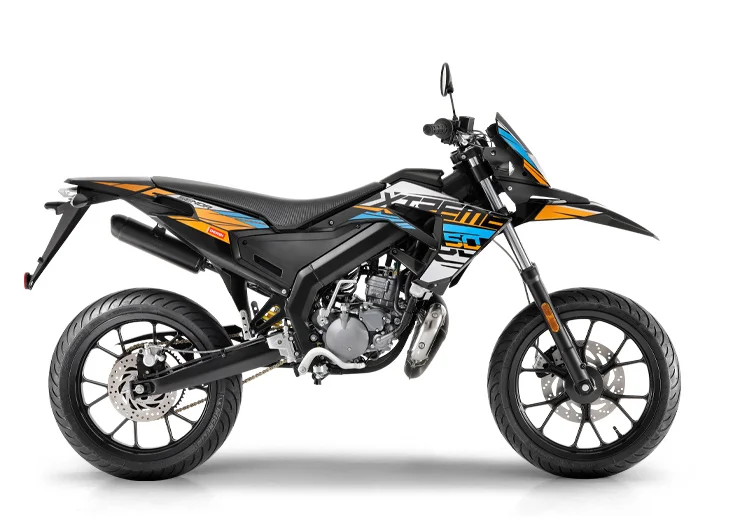
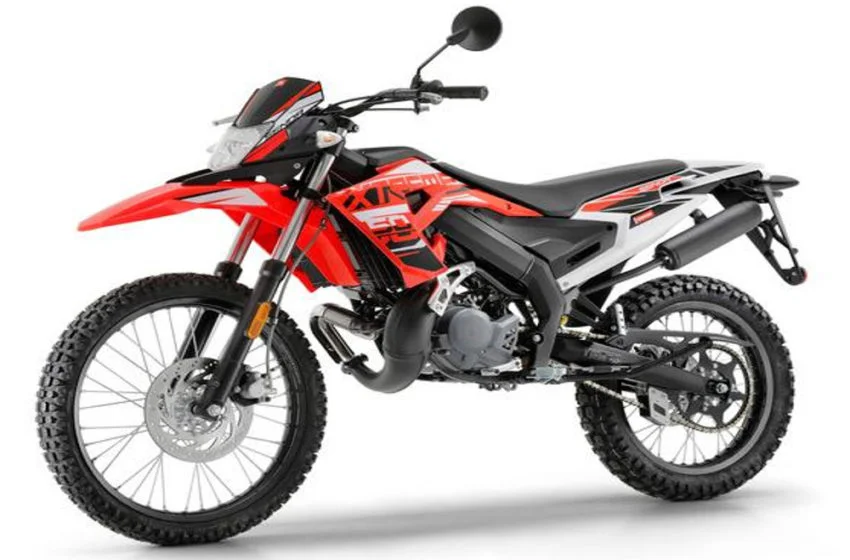
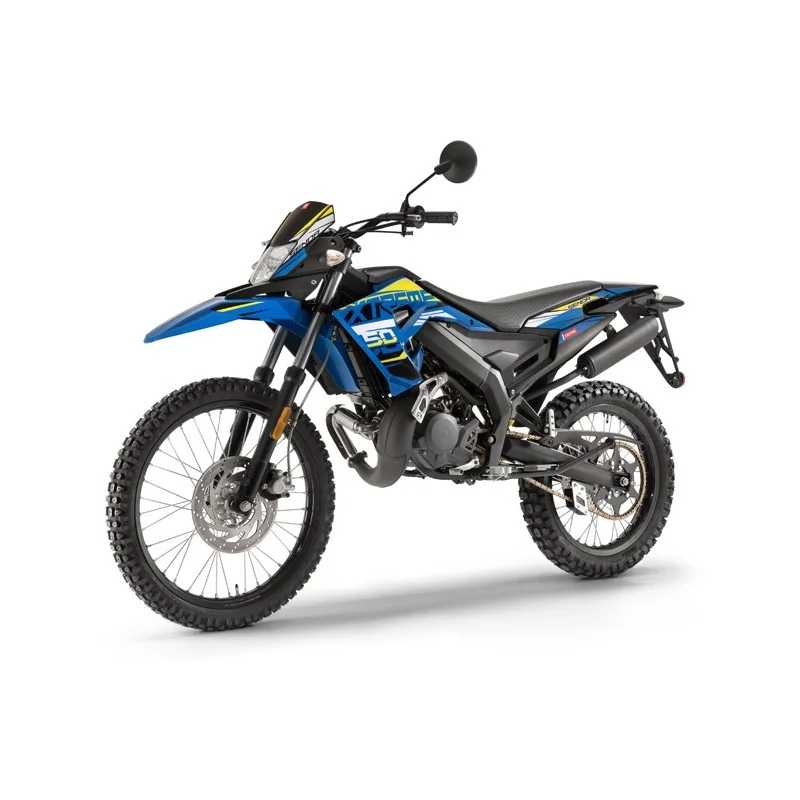
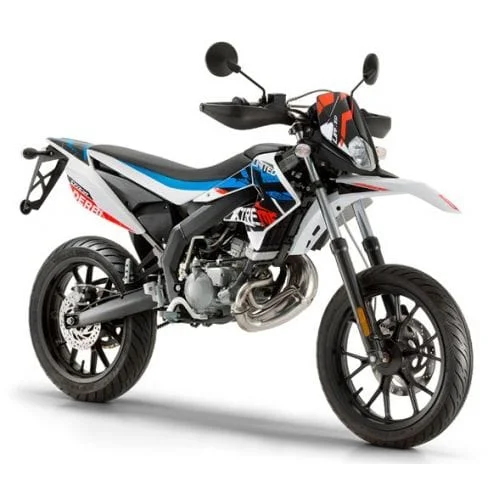
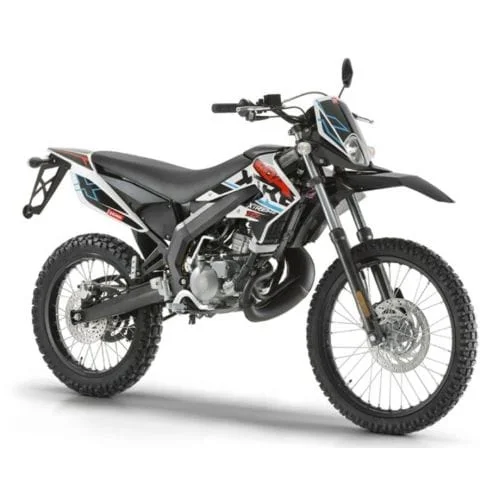
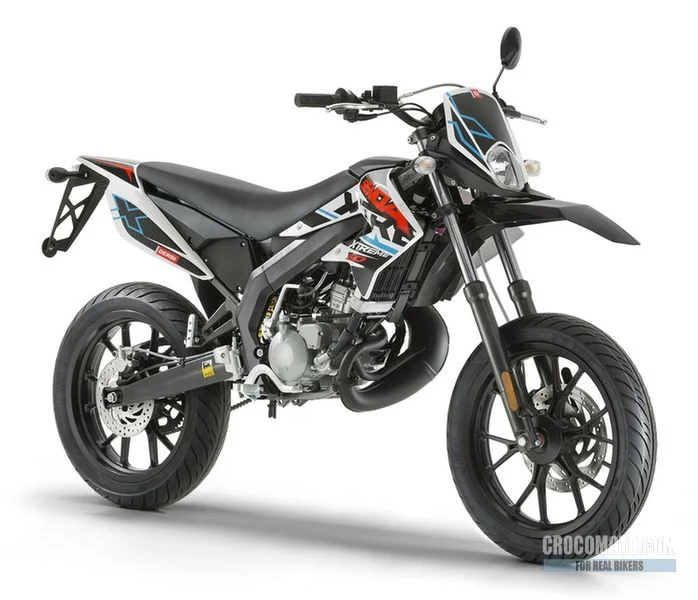
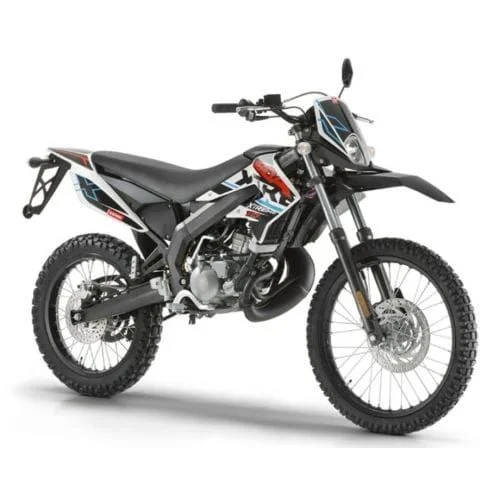
- Supermotard and Enduro Specialization: While they offered scooters, Derbi carved a niche for themselves in the supermotard and enduro segments, offering models like the Senda X-Treme 50 R, known for their off-road capabilities and stylish designs.
Compared to a brand like Rieju, which also focuses on small-displacement motorcycles, Derbi historically had a stronger presence in the racing world, particularly in the smaller GP classes. While both brands offer similar types of bikes, Derbi's racing pedigree gave it a certain cachet.
Derbi Global Presence
Derbi's major markets have historically been in Europe, particularly in Spain, Italy, and France. Their dealer network is primarily concentrated in these regions, offering sales, service, and spare parts. Following the acquisition by Piaggio, Derbi's distribution network benefited from the larger company's established global reach.
Derbi has a significant racing heritage, particularly in Grand Prix motorcycle racing. They achieved numerous world championships in the 50cc and 125cc classes, contributing to their brand image and technological development. Riders like Ángel Nieto and Jorge Martínez "Aspar" achieved considerable success on Derbi machinery.
As a subsidiary of Piaggio, Derbi benefits from the resources and expertise of a larger multinational corporation. This partnership allows for shared technologies, production efficiencies, and a wider distribution network.
Iconic Derbi Models
Here are some of the most important models in Derbi's history:
- SRS (1949): As Derbi's first motorized vehicle, the SRS established the brand's foundation and paved the way for future success. Its affordability and practicality made it a popular choice for post-war transportation.
- Antorcha (1972): The Antorcha was a hugely popular moped that became a symbol of Derbi in Spain. Its simple design, reliability, and affordability made it a ubiquitous sight on Spanish roads for many years.
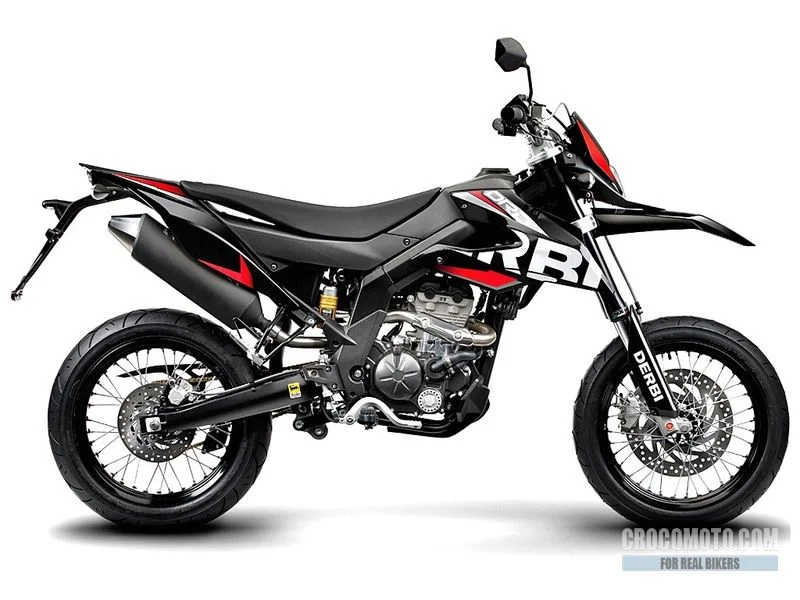
- Senda DRD Pro 50 SM: This supermotard model represents Derbi's commitment to the small-displacement performance market. It's known for its sharp handling and responsive engine, making it a popular choice for young riders.
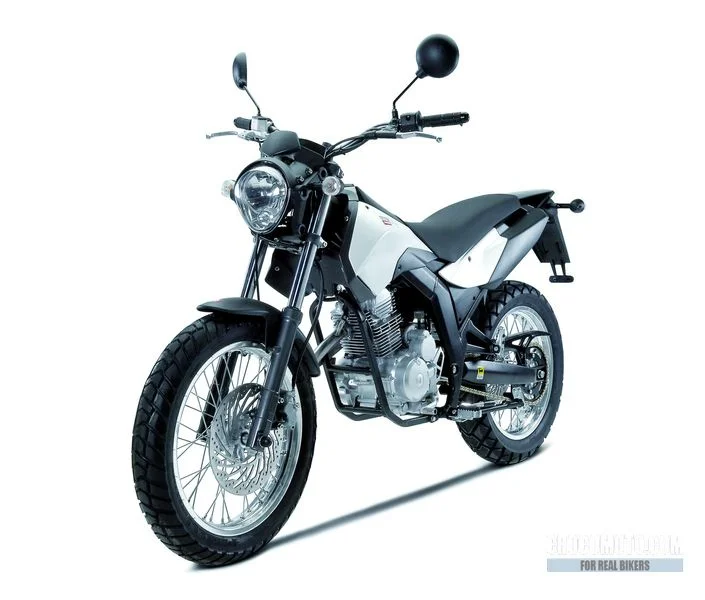
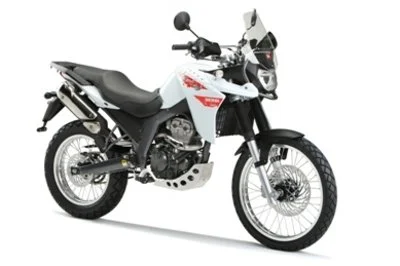
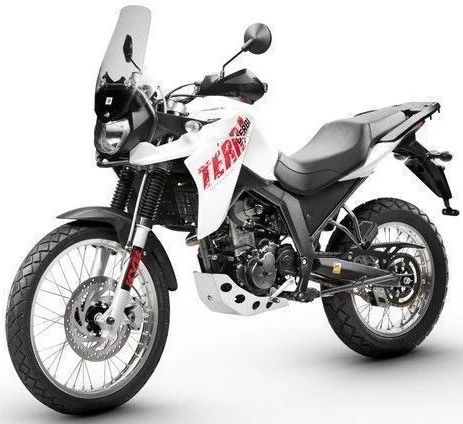
- Terra Adventure 125 (2007-2012): Offering the looks of a full-size adventure bike in a learner-legal package, the Terra Adventure 125 was a unique model. It highlighted Derbi's intent to offer accessible adventure riding.
Buying Advice for Derbi
Derbi motorcycles are generally well-suited for riders seeking affordable, practical, and stylish small-displacement machines. They are particularly appealing to:
- Young Riders: With a focus on 50cc and 125cc models, Derbi provides entry-level motorcycles for teenagers and young adults.
- Urban Commuters: The scooters and smaller motorcycles are ideal for navigating city streets and commuting in congested areas.
- Enthusiasts of Supermotard and Enduro: Derbi's Senda range offers capable and stylish options for those interested in off-road riding and supermotard performance.
Here's a breakdown of Derbi models by budget tier:
Entry-Level
This tier typically includes older, used models like the Senda X-Treme 50 R or earlier scooter models. Expect to find these for under €2000, depending on condition and mileage. Maintenance costs are generally low, but be prepared for potential repairs on older machines.
Mid-Range
In the mid-range, you might find newer used models of the Senda DRD Pro 50 SM or the Cross City 125. Expect to pay between €2000 and €4000. These models offer a good balance of performance and affordability.
Premium
While Derbi doesn't typically compete in the high-end market, a well-maintained, low-mileage example of a rarer model, or a newer model in excellent condition, could command a premium price. Expect to pay upwards of €4000 for these examples. The Terra Adventure 125 in good condition might also fall into this category.
Maintenance and long-term ownership of Derbi motorcycles are generally straightforward. Parts availability can vary depending on the model and location, but the Piaggio connection helps to ensure a reasonable supply of components. Regular servicing, including oil changes, spark plug replacement, and brake maintenance, is essential to keep your Derbi running smoothly. The two-stroke engines found in many older Derbi models require careful attention to oil mixture and regular cleaning to prevent fouling. Keep in mind that models produced from 1998-2022 will have varying levels of available parts depending on the popularity and length of production of each model.
📌 This content is AI-assisted with editorial review.