Ducati Brand History
Ducati, a name synonymous with Italian passion and high-performance motorcycles, has a history that extends far beyond the racetrack. The company’s roots lie in Bologna, Italy, where it was founded in 1926 by Antonio Cavalieri Ducati and his three sons, Adriano, Marcello, and Bruno. Initially, Ducati wasn't involved in motorcycle manufacturing at all. They began as Società Scientifica Radio Brevetti Ducati, producing radio components, particularly condensers.
The post-World War II era saw a shift in focus. In 1952, Ducati partnered with SIATA (Società Italiana Applicazioni Tecniche Auto-Aviatorie) to produce the Cucciolo, a small engine that could be mounted on bicycles. This marked Ducati's entry into the world of motorized transportation. However, the first complete Ducati motorcycle, the 1954 Ducati 98, designed by Fabio Taglioni, truly set the stage for the company's future. Taglioni’s engineering acumen, including his innovative desmodromic valve system, would become a defining characteristic of Ducati.
Here are some key milestones that shaped Ducati into the brand we know today:
- 1954: Fabio Taglioni joins Ducati and begins designing motorcycles, including the Gran Sport 100, which quickly dominates racing.
- 1972: The Ducati 750 Imola Desmo, ridden by Paul Smart, wins the Imola 200, a significant international race, solidifying Ducati's racing credentials and the effectiveness of the desmodromic valve system. This victory cemented their reputation for performance.
- 1985: Cagiva acquires Ducati, providing much-needed investment and allowing the company to further develop its range of motorcycles.
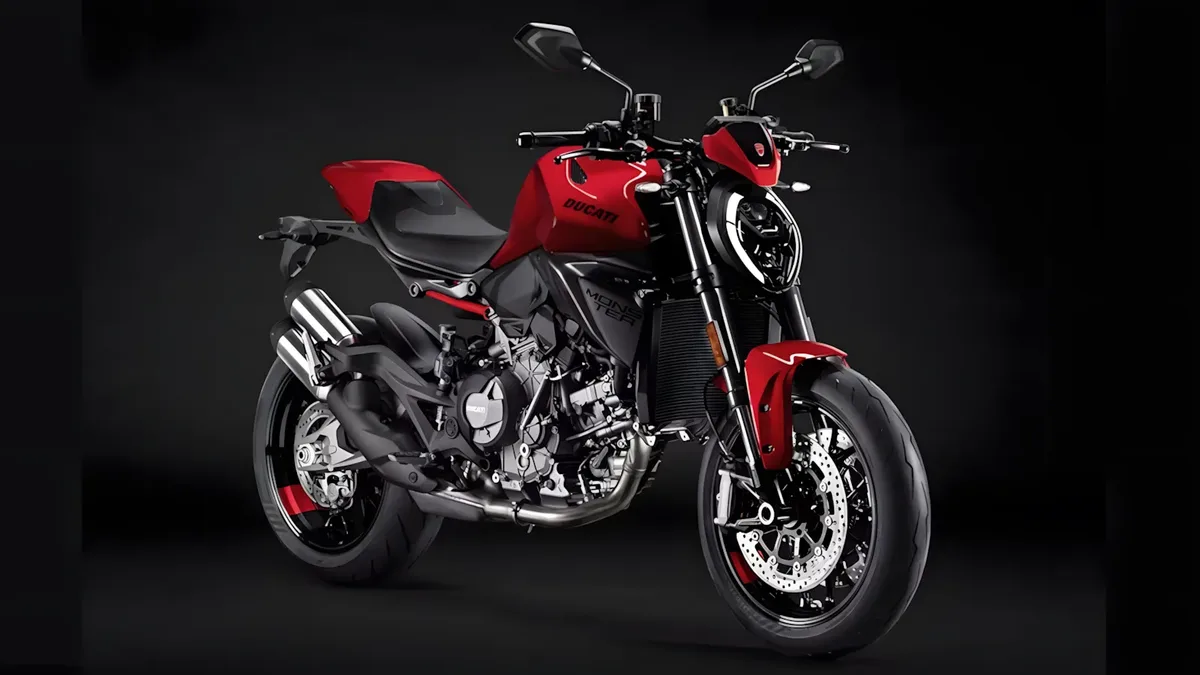
- 1993: The launch of the Ducati Monster, designed by Miguel Galluzzi, revolutionized the naked bike segment and became one of Ducati's best-selling models.
- 2012: Audi AG, a subsidiary of Volkswagen Group, acquires Ducati, providing financial stability and access to advanced technology.
Ducati Philosophy and Engineering
Ducati's manufacturing philosophy centers around a commitment to performance, innovation, and Italian design. They strive to create machines that are not just modes of transportation, but objects of desire, characterized by distinctive styling and cutting-edge technology. Their engineering approach is heavily influenced by their racing heritage, with a strong emphasis on lightweight construction, powerful engines, and advanced electronics.
Ducati's engineering approach is characterized by:
- Desmodromic Valve System: This system, where valves are positively opened and closed mechanically rather than relying on springs, allows for higher engine speeds and greater precision. While more complex, it contributes significantly to Ducati's high-revving engine character.
- Steel Trellis Frames: Ducati's signature steel trellis frames are designed to provide a balance of rigidity and lightness, contributing to precise handling and feedback.
- Advanced Electronics: Ducati motorcycles are equipped with sophisticated electronic rider aids, including traction control, wheelie control, and cornering ABS, enhancing both safety and performance.
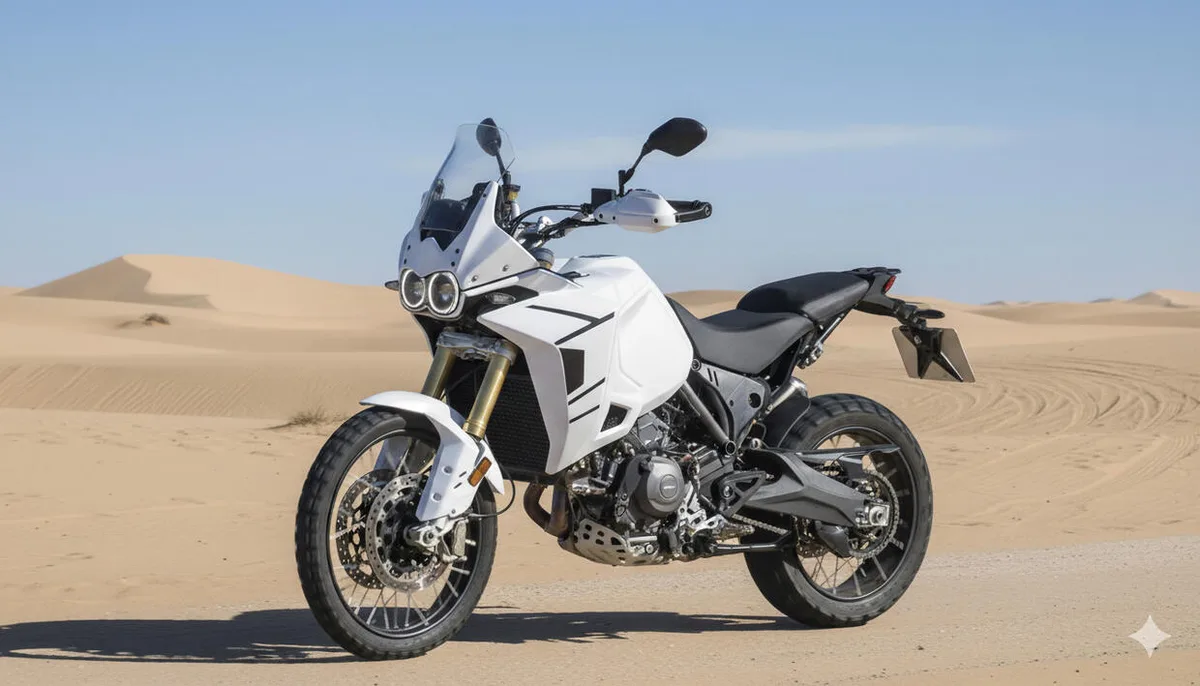
One key differentiator for Ducati is their unwavering commitment to the desmodromic valve system, a technology rarely seen in motorcycles from other manufacturers like, for example, Yamaha. Another is their distinctive Italian design language, often characterized by aggressive lines, exposed frames, and a focus on visual appeal.
Ducati Global Presence
Ducati has a strong global presence, with major markets in Europe, North America, and Asia. Their dealer network spans across numerous countries, providing sales, service, and support to Ducati owners worldwide. The brand benefits significantly from its racing heritage, particularly in MotoGP and World Superbike, where their successes have built a strong brand image and a loyal following.
Ducati Corse, the company's racing division, is integral to the brand's identity. Their participation in MotoGP and World Superbike serves as a proving ground for new technologies, which often find their way into production models. This direct link between racing and road bikes is a key part of Ducati's appeal.
While Ducati is now part of the Audi Group, it maintains its own distinct brand identity and engineering autonomy. This allows Ducati to continue to focus on its core values of performance, innovation, and Italian design.
Iconic Ducati Models
Ducati has produced a number of iconic motorcycles that have shaped the brand's history and cemented its reputation for performance and style:
- Ducati 900 SS (1975): This model, with its sleek fairing and powerful 864cc V-twin engine, became a symbol of Ducati's sporting prowess in the 1970s. It offered a raw and engaging riding experience that appealed to enthusiasts.
- Ducati Monster (1993): Designed by Miguel Galluzzi, the Monster revolutionized the naked bike segment with its minimalist design and powerful engine. It became one of Ducati's best-selling models and remains a popular choice today.
- Ducati 916 (1994): Designed by Massimo Tamburini, the 916 is widely regarded as one of the most beautiful motorcycles ever made. Its stunning design and powerful engine cemented its status as a true icon.
- Ducati Multistrada (2003): Ducati's adventure touring motorcycle, the Multistrada, offers a versatile riding experience, capable of tackling both on-road and off-road adventures. Subsequent versions have further refined the concept with advanced electronics and powerful engines.
- Ducati Panigale V4 (2018): Replacing the V-twin engine with a V4, the Panigale V4 marked a significant shift for Ducati's flagship sportbike. The 1103cc engine and advanced electronics package provide exceptional performance on the track.
Buying Advice for Ducati
Ducati appeals to riders who appreciate performance, Italian design, and a strong brand identity. They are often drawn to the brand's racing heritage and the unique riding experience that Ducati motorcycles offer. A Ducati is not always the most practical or affordable choice, but it is often an emotional one.
Here's a general guide to Ducati ownership based on budget:
- Entry-Level: Used Ducati Monsters (particularly earlier models), Scramblers, and potentially older Supersport models can be found at more accessible price points. These offer a taste of the Ducati experience without breaking the bank. Expect to pay more in maintenance than a comparable Japanese bike.
- Mid-Range: Newer Monsters, Supersport models, and used Multistradas fall into this category. These offer a good balance of performance, features, and price. For example, a used Multistrada 1200 from around 2015 can be a great choice.
- Premium: New Panigale models, Streetfighter V4s, and high-spec Multistradas represent the top of the Ducati range. These motorcycles offer cutting-edge technology, exceptional performance, and premium features.
Maintenance and long-term ownership of a Ducati can be more expensive than with some other brands. Desmodromic valve servicing, for example, is a more specialized and potentially costly procedure. However, with proper care and maintenance, a Ducati can provide years of enjoyable riding. It's crucial to factor in the cost of regular servicing, especially the desmo service, when considering Ducati ownership. Researching common issues for specific models and finding a reputable Ducati mechanic are also essential steps to ensure a smooth ownership experience.
📌 This content is AI-assisted with editorial review.