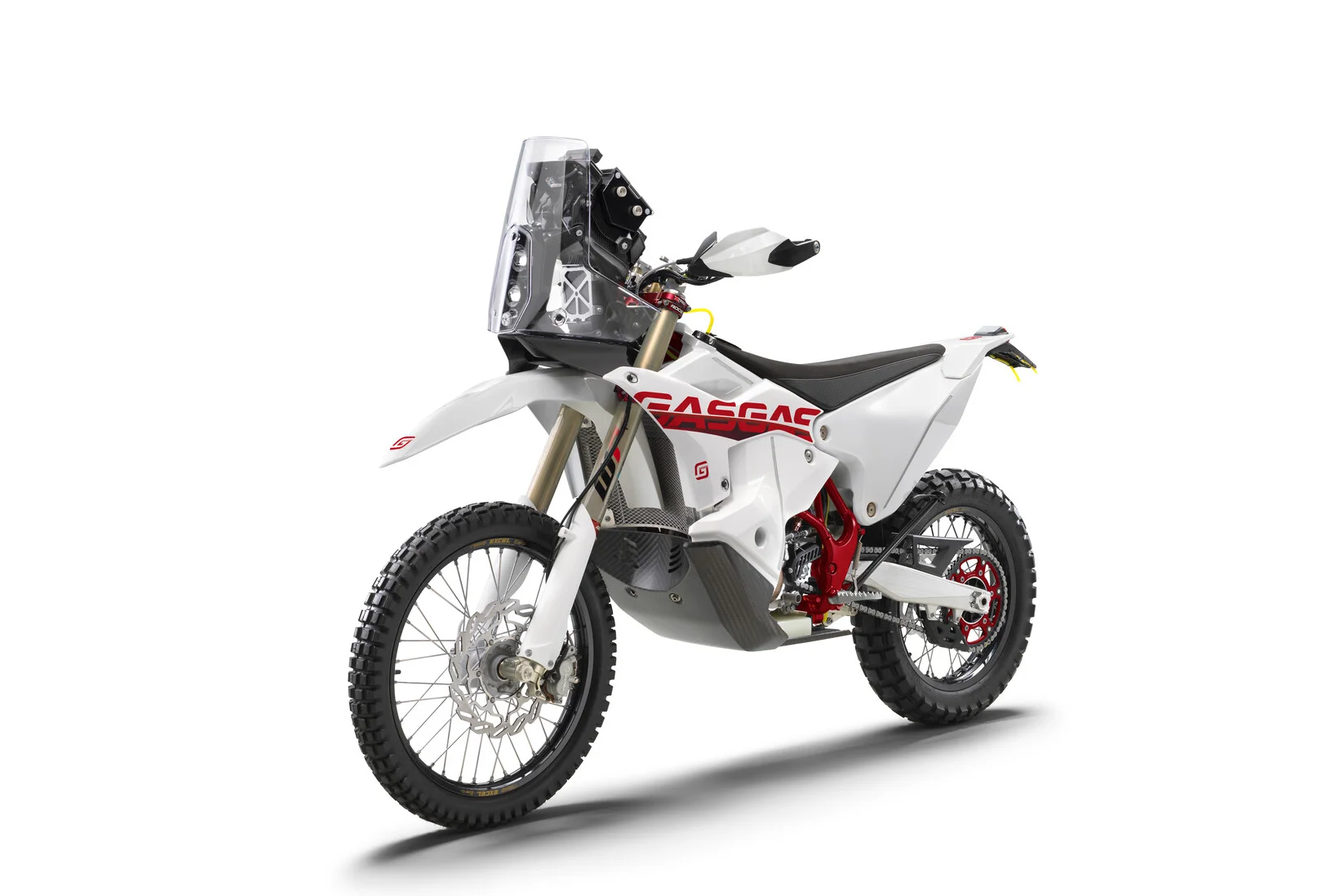
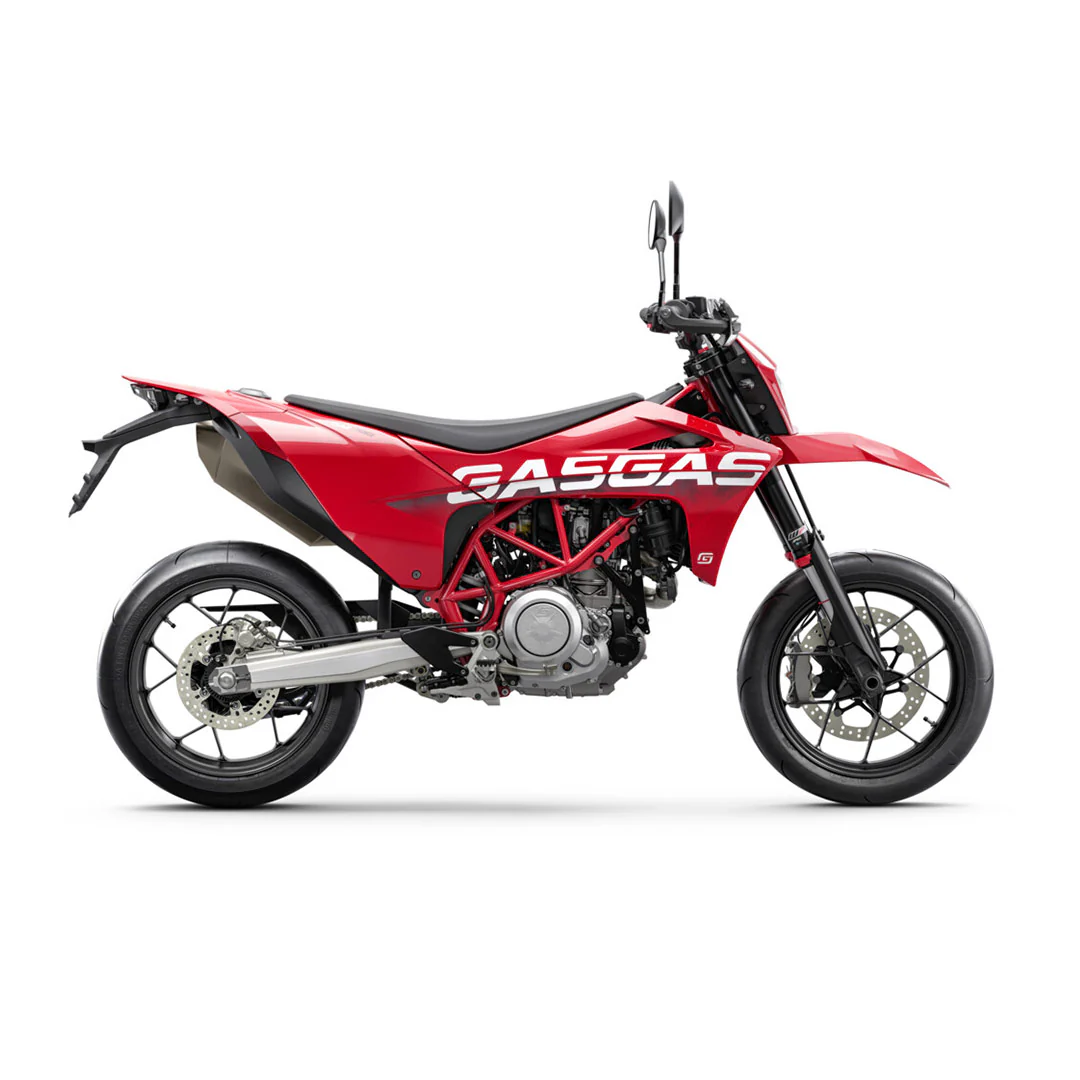
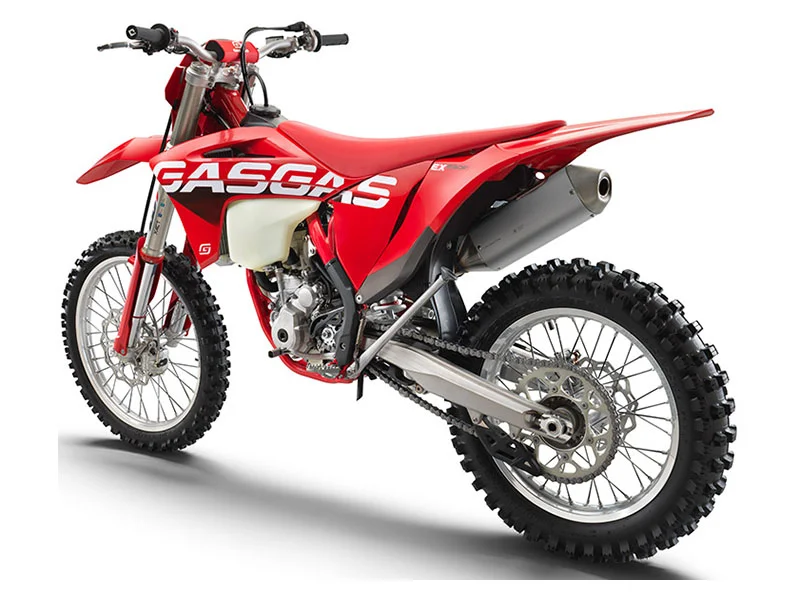
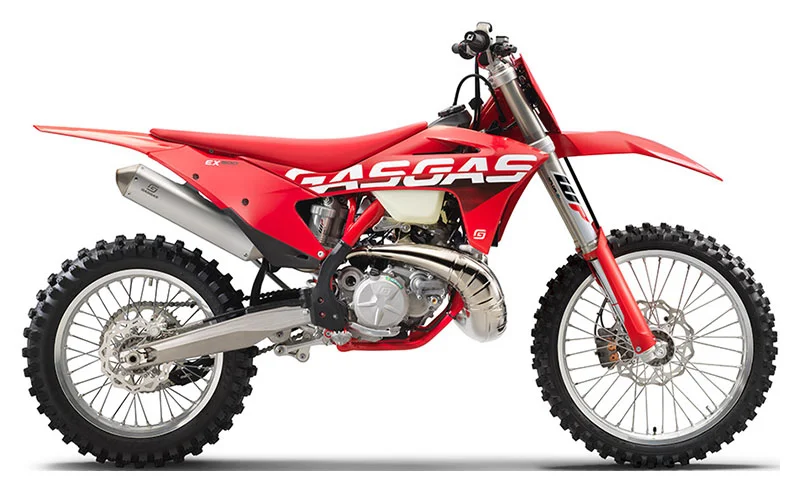
GAS GAS Brand History
GAS GAS, a name synonymous with off-road prowess, has a history rooted in the rugged terrain of Spain. Founded in 1985 in Salt, Girona, by Narcìs Casas and Josep Maria Pibernat, the company initially focused on importing Italian motorcycles. However, their ambition quickly shifted to creating their own machines tailored to the demanding world of trials riding.
The first significant model that put GAS GAS on the map was the Halley 325 trials bike, introduced in the late 1980s. This model wasn’t revolutionary in terms of technology, but it offered a competitive package at an accessible price point, making trials riding more attainable for a wider audience. Its success established GAS GAS as a serious contender in the trials market.
Here are a few key milestones in GAS GAS's history:
- 1985: Founding of GAS GAS Motos S.A.
- Late 1980s: Introduction of the Halley 325 trials bike, marking the company's entry into motorcycle manufacturing.
- Early 1990s: Expansion into enduro motorcycles, broadening the brand's appeal.
- 2014: Acquisition by Torrot Electric Europa, signaling a shift towards electric mobility and a financial restructuring.
- 2019: Acquisition by KTM (Pierer Mobility AG), integrating GAS GAS into a larger, more established motorcycle group.
GAS GAS Philosophy and Engineering
GAS GAS's manufacturing philosophy has always centered on creating specialized off-road motorcycles that are lightweight, agile, and responsive. They focus on providing riders with machines that can conquer challenging terrain with ease. Their engineering approach reflects this commitment, prioritizing simplicity and functionality over complex technology, at least until the KTM acquisition. The brand has traditionally favored two-stroke engines for their power-to-weight ratio and ease of maintenance, although four-stroke models have also been part of their lineup.
In terms of engineering, GAS GAS has developed a reputation for robust and reliable engines. The frame designs, often utilizing a central backbone design, are aimed at providing optimal flex and feedback to the rider. While they may not have been at the forefront of electronics development historically, the KTM influence is increasingly evident in the integration of advanced engine management systems and rider aids in newer models.
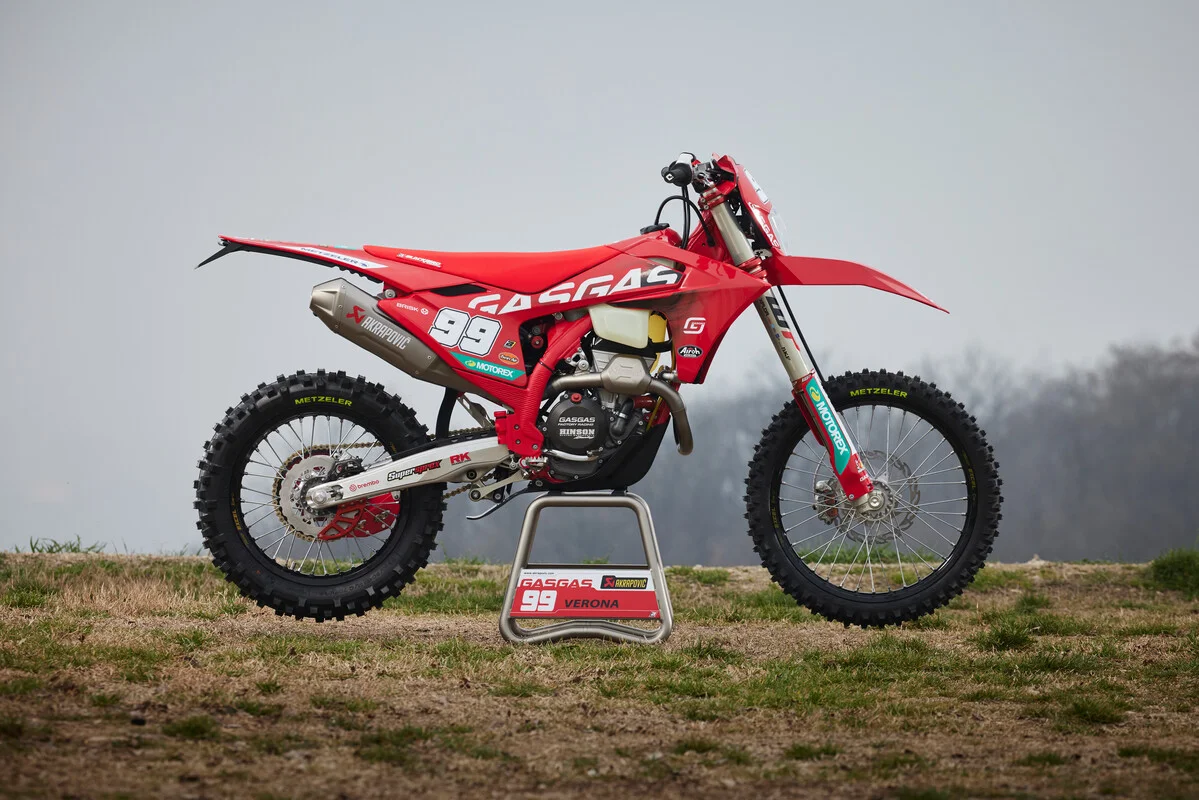
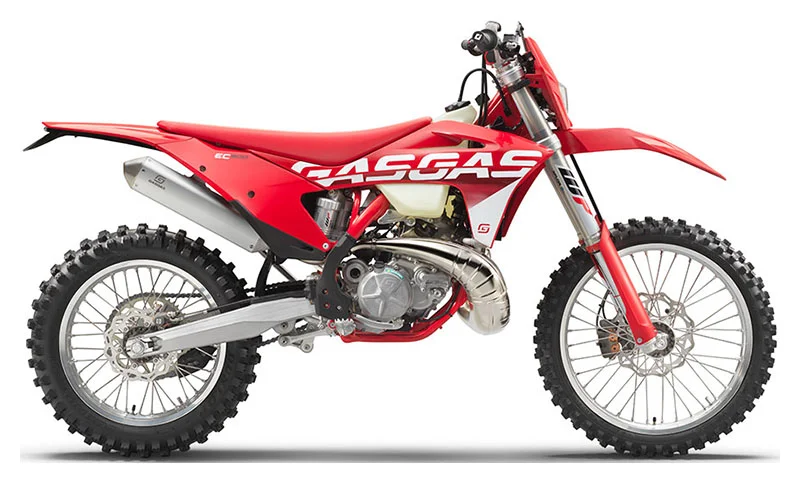
Two specific differentiators help define GAS GAS in the off-road landscape. First, their early and sustained commitment to trials bikes carved out a niche for the brand, making them a go-to choice for riders seeking dedicated trials machines. Second, the raw, unfiltered feel of their two-stroke enduro bikes, like the popular EC 300, provides a direct connection to the terrain that some riders find more engaging than the more refined experience offered by brands like Husqvarna (before the KTM acquisition of both brands).
GAS GAS Global Presence
GAS GAS motorcycles are sold in numerous countries around the world, with a strong presence in Europe, particularly in Spain, France, and Italy. The brand also has a growing presence in North America and Australia, where off-road riding is popular. The dealer network is expanding under the KTM umbrella, leveraging the established infrastructure of the parent company.
GAS GAS has a significant racing heritage, particularly in trials and enduro competitions. They have secured numerous championships and victories over the years, showcasing the capability and performance of their motorcycles. This racing success has helped to build brand recognition and credibility among off-road enthusiasts.
Currently, GAS GAS operates as part of Pierer Mobility AG, the parent company of KTM and Husqvarna. This partnership has brought significant changes, including access to KTM's engineering resources, production facilities, and global distribution network. While GAS GAS retains its own brand identity, it benefits from the economies of scale and technological expertise of its parent company.
Iconic GAS GAS Models
Here are some of the most important models in GAS GAS's history:
- Halley 325: As the first motorcycle manufactured by GAS GAS, the Halley 325 established the brand's presence in the trials market, offering an affordable and competitive machine for aspiring riders.
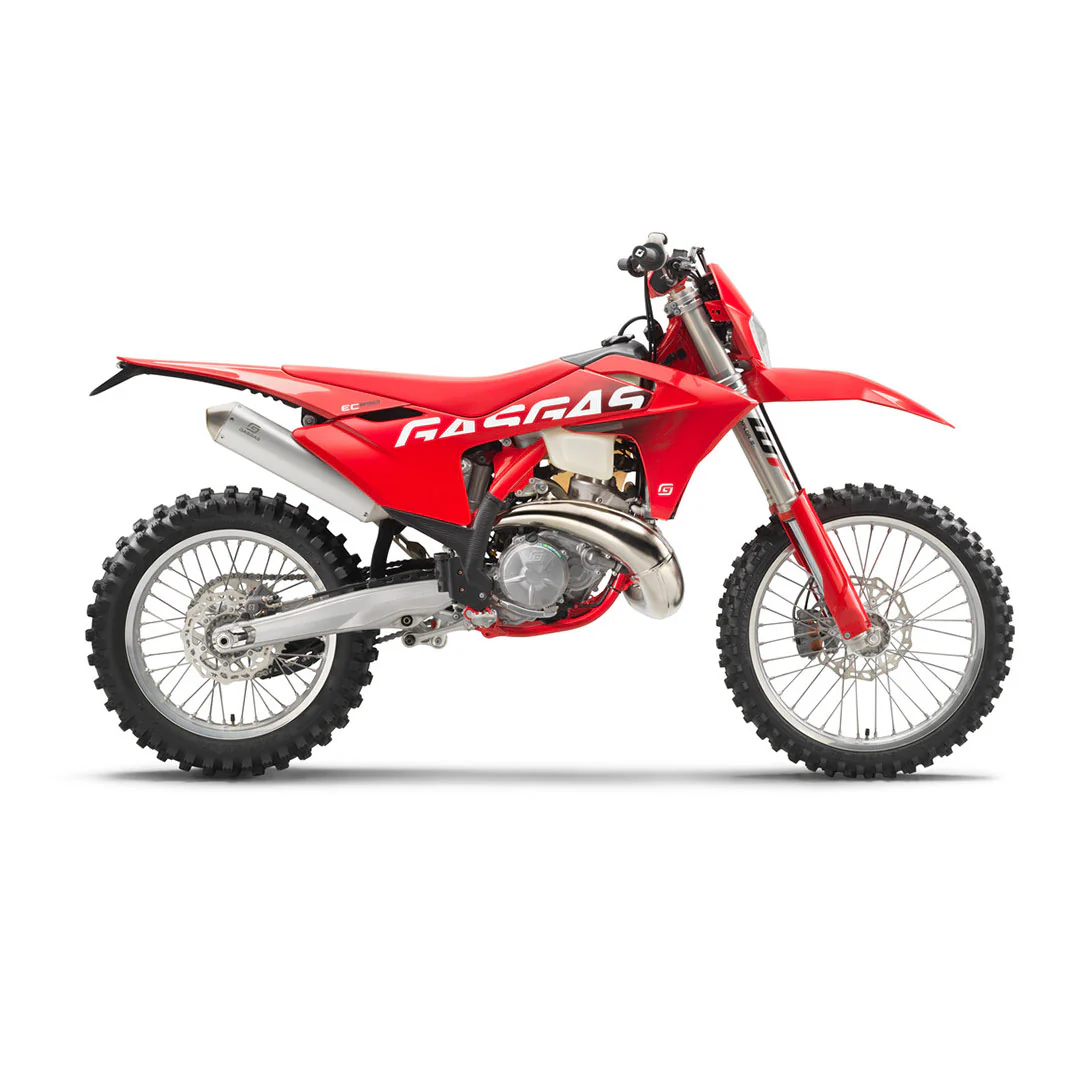
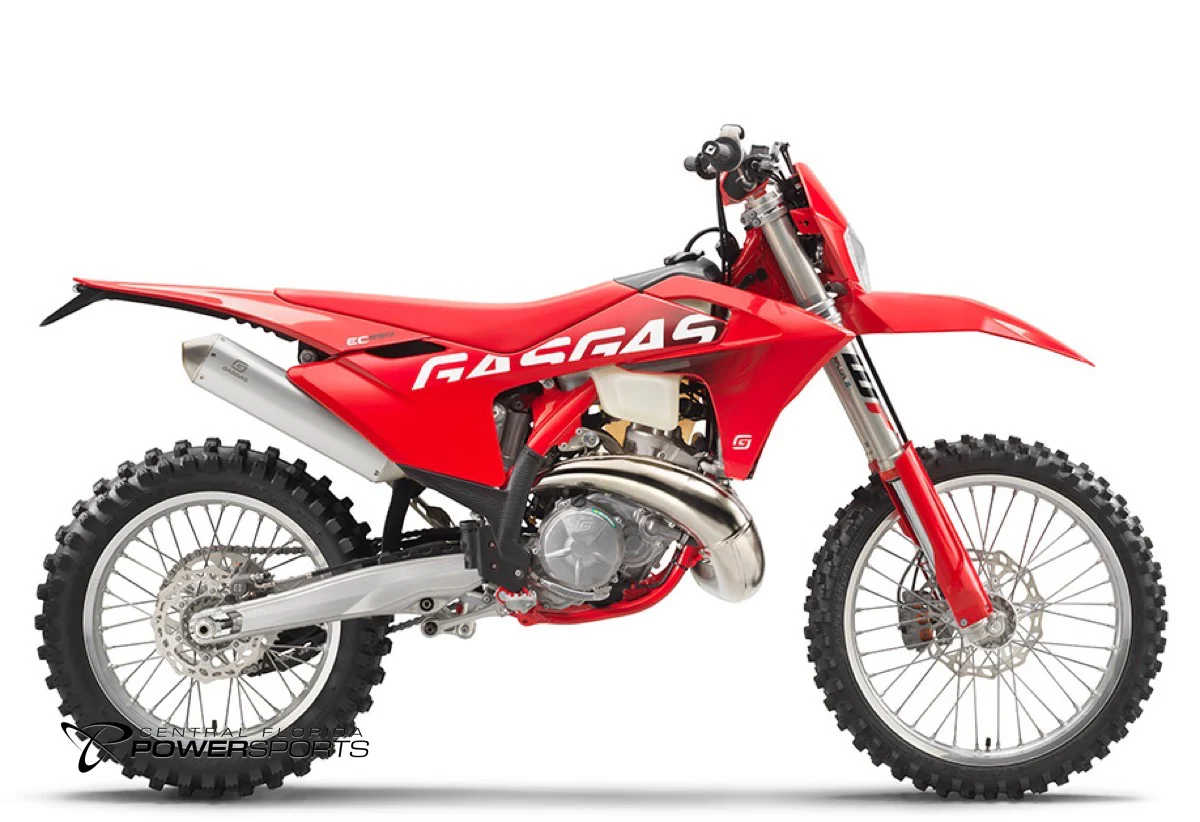
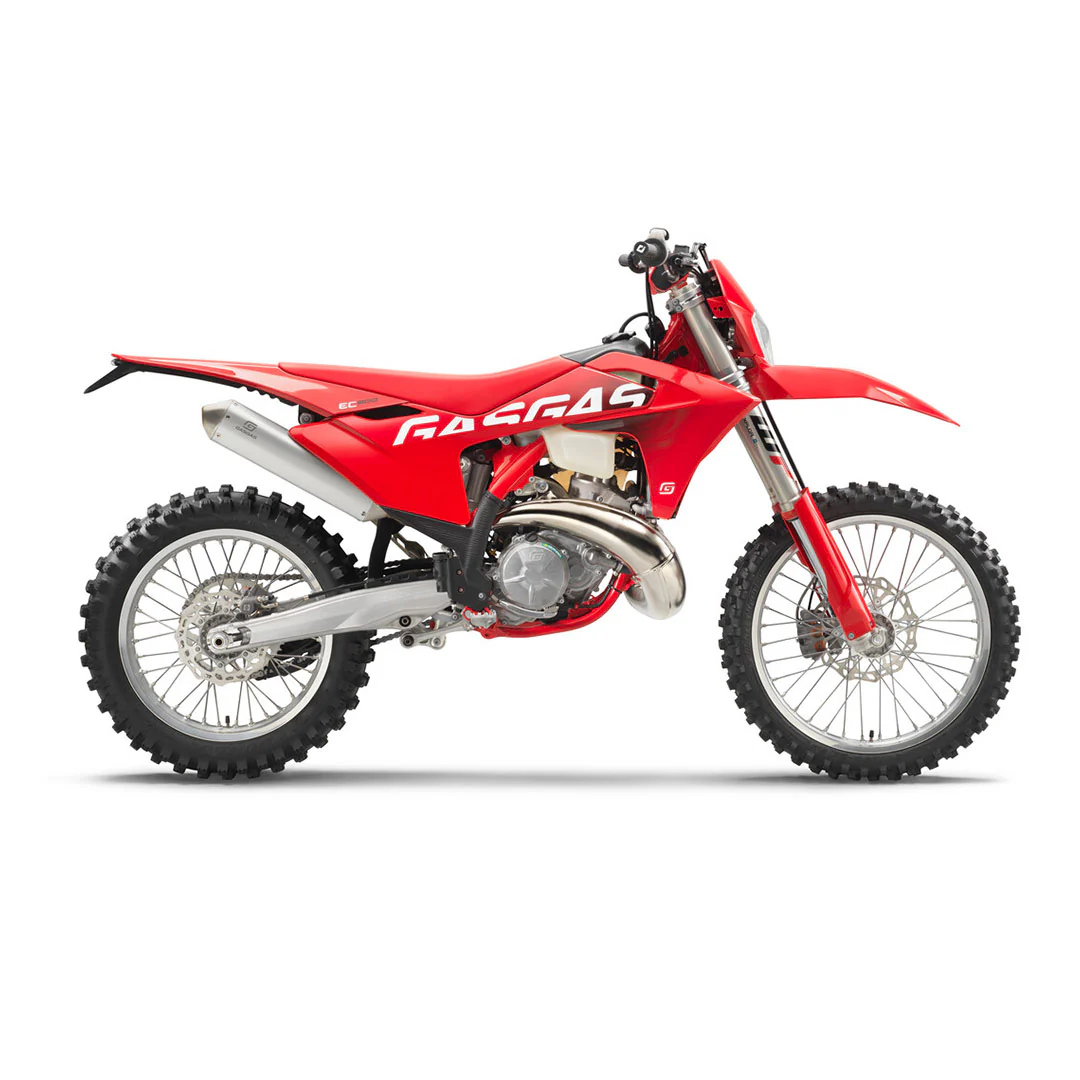
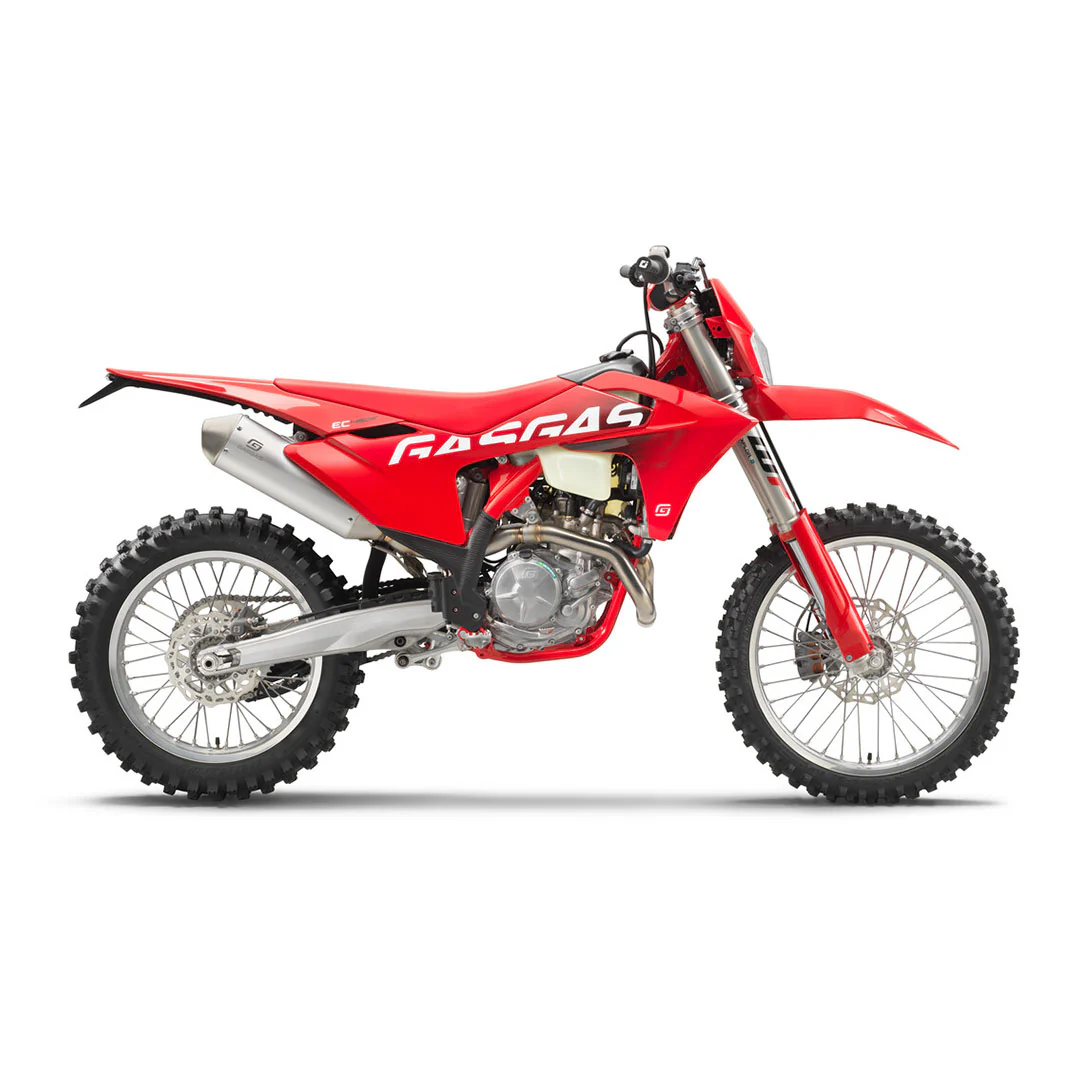
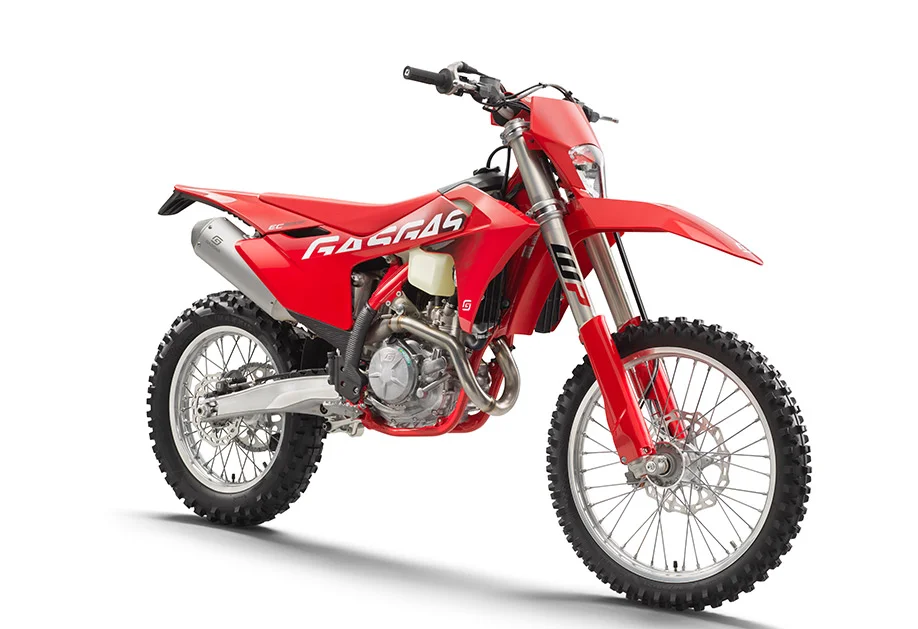
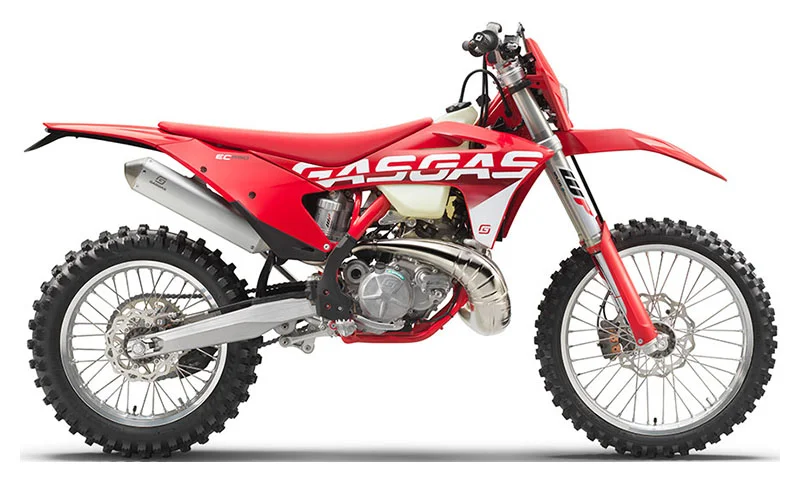
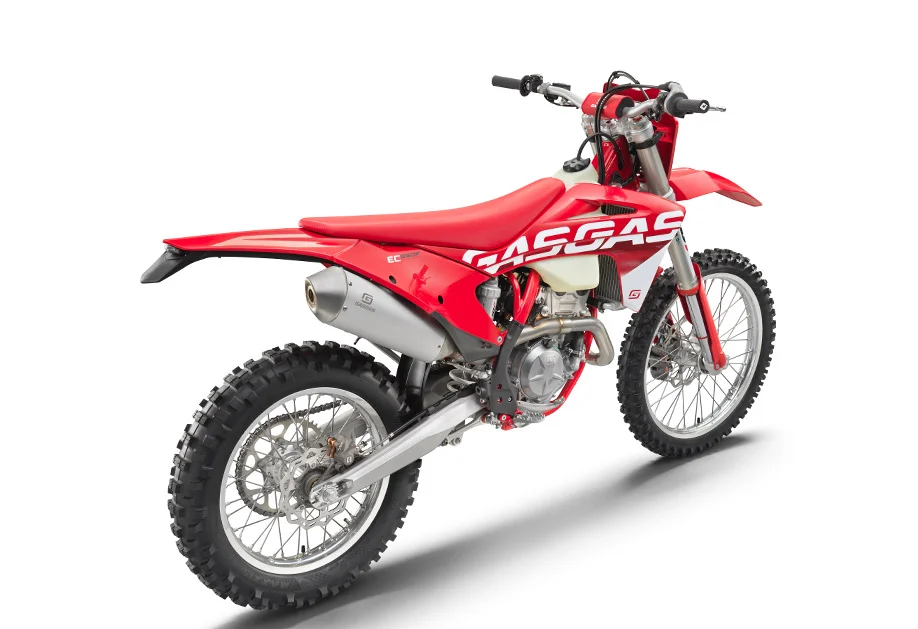
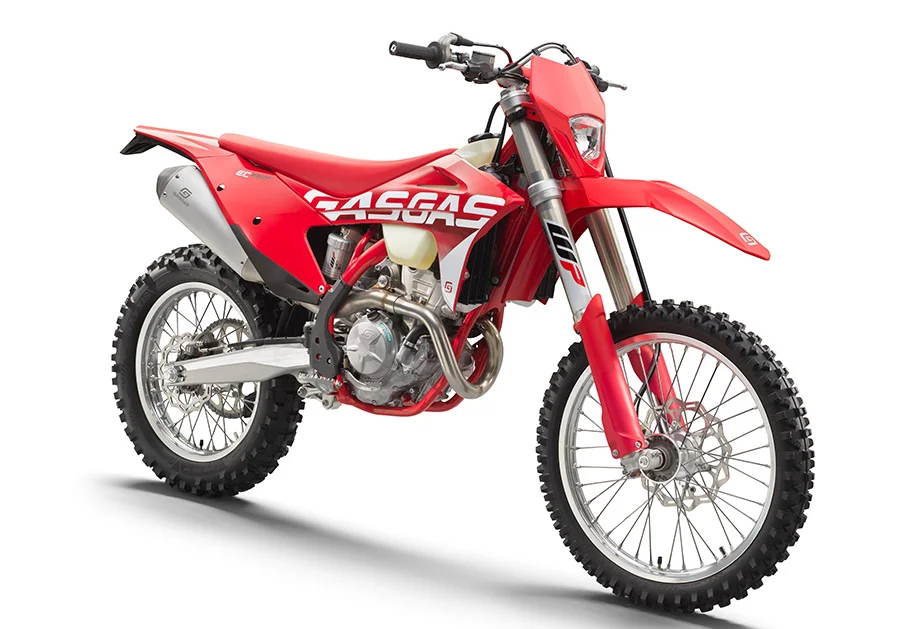
- EC 250/EC 300: These enduro models became synonymous with GAS GAS, renowned for their potent two-stroke engines, agile handling, and ability to tackle demanding off-road conditions. The EC 300, in particular, is a popular choice for riders seeking a versatile and capable enduro bike.
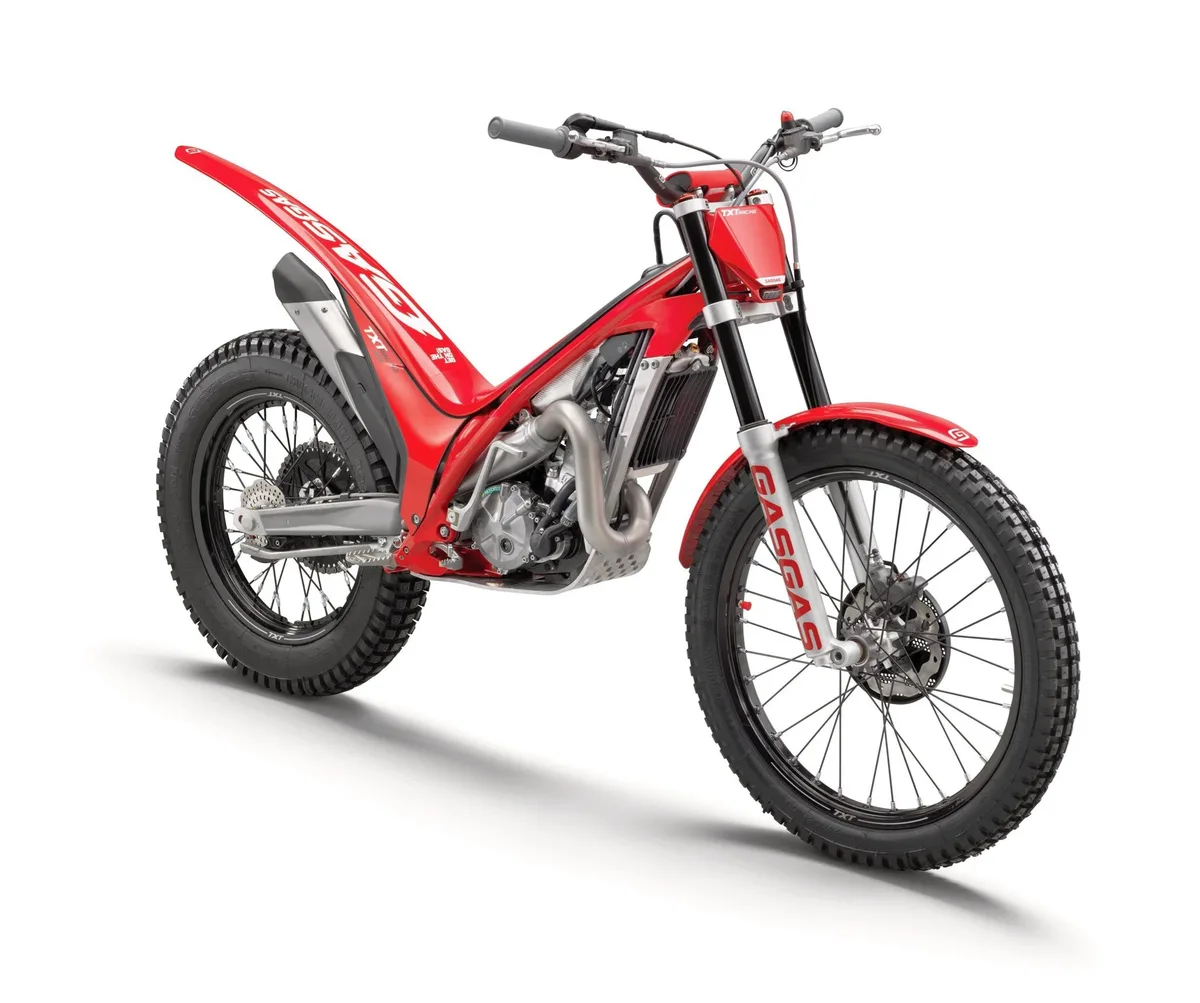
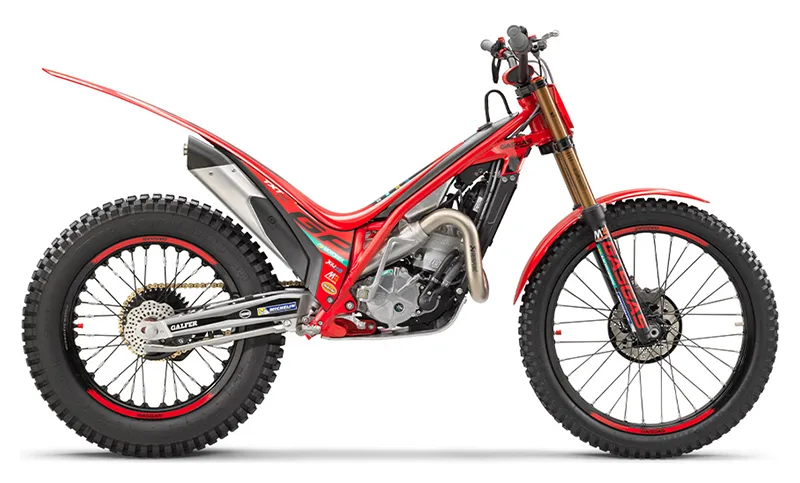
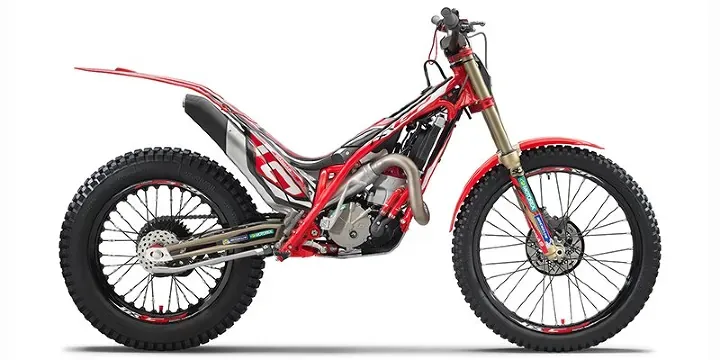
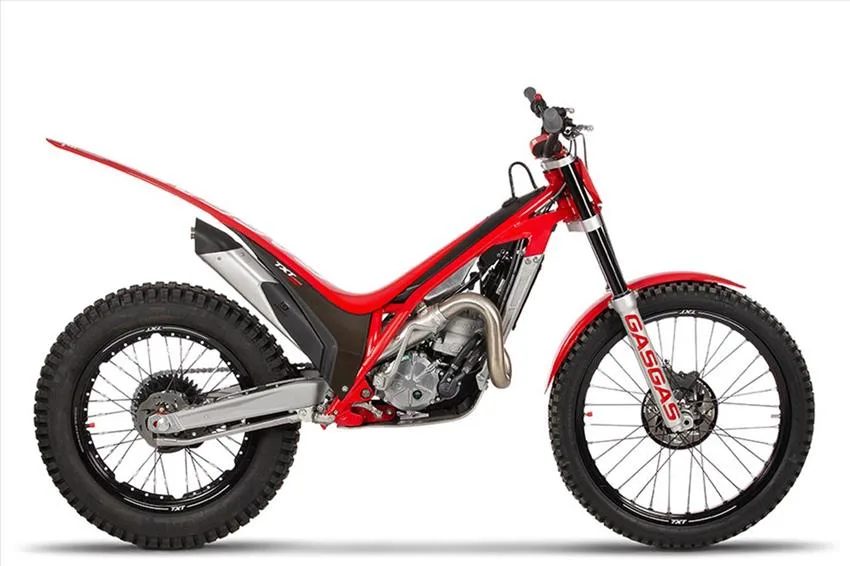
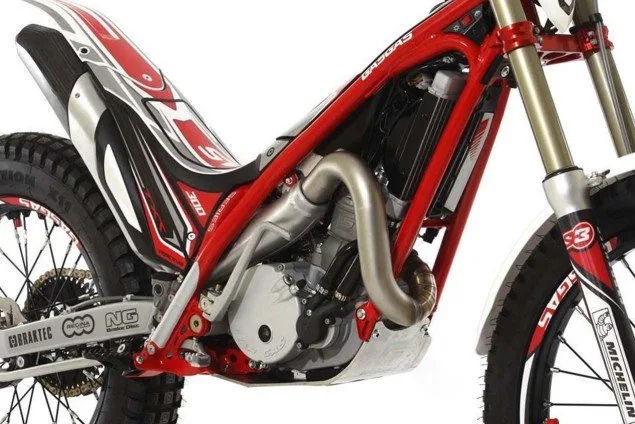
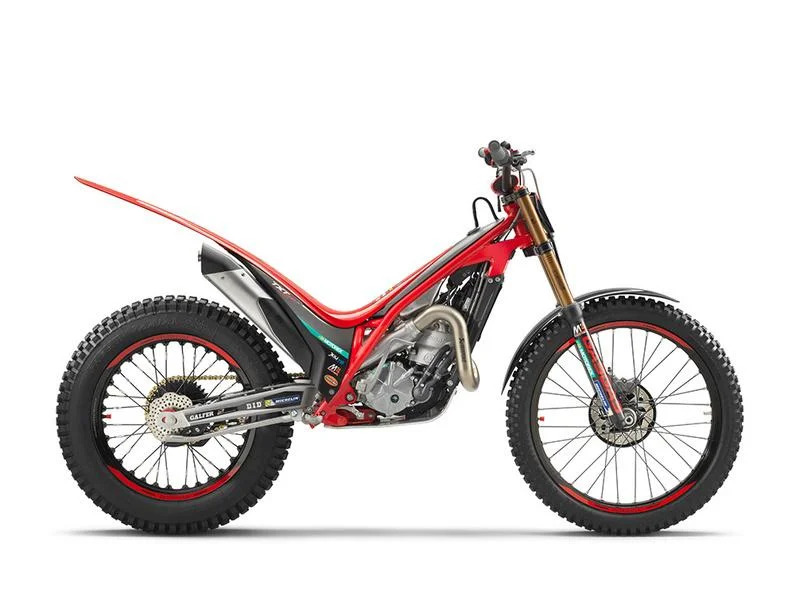
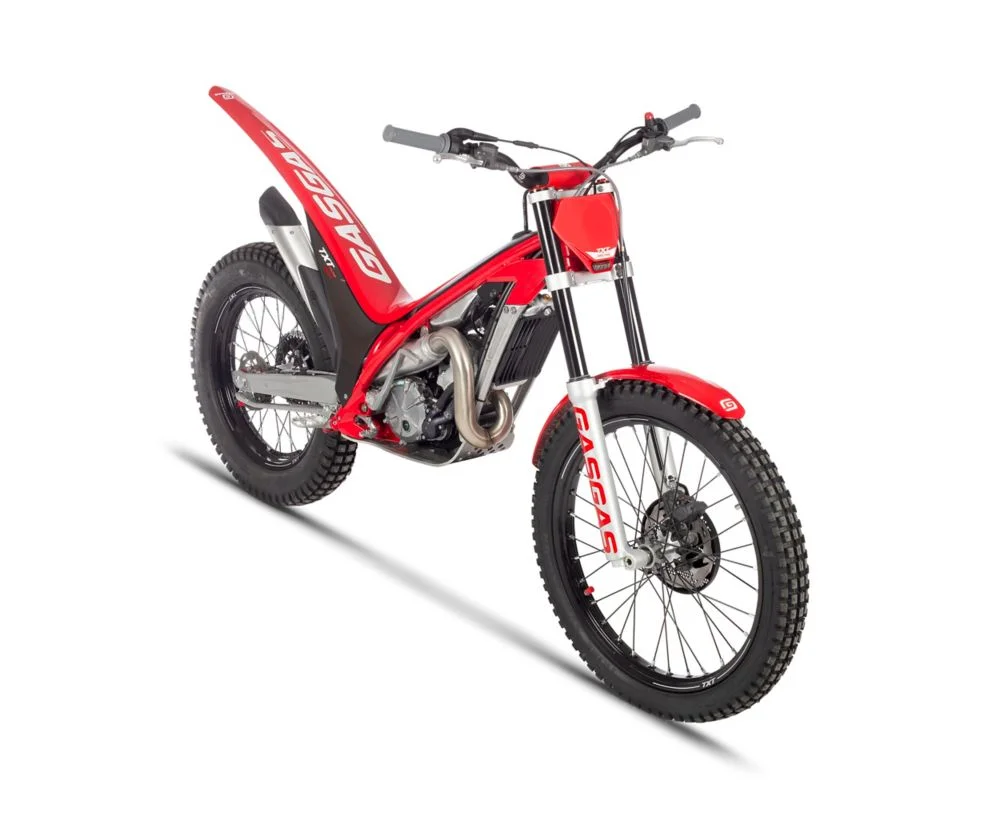
- TXT Racing 300: A mainstay in the trials world, the TXT Racing 300 has consistently delivered top-level performance, winning numerous championships and solidifying GAS GAS's reputation as a leading trials bike manufacturer.
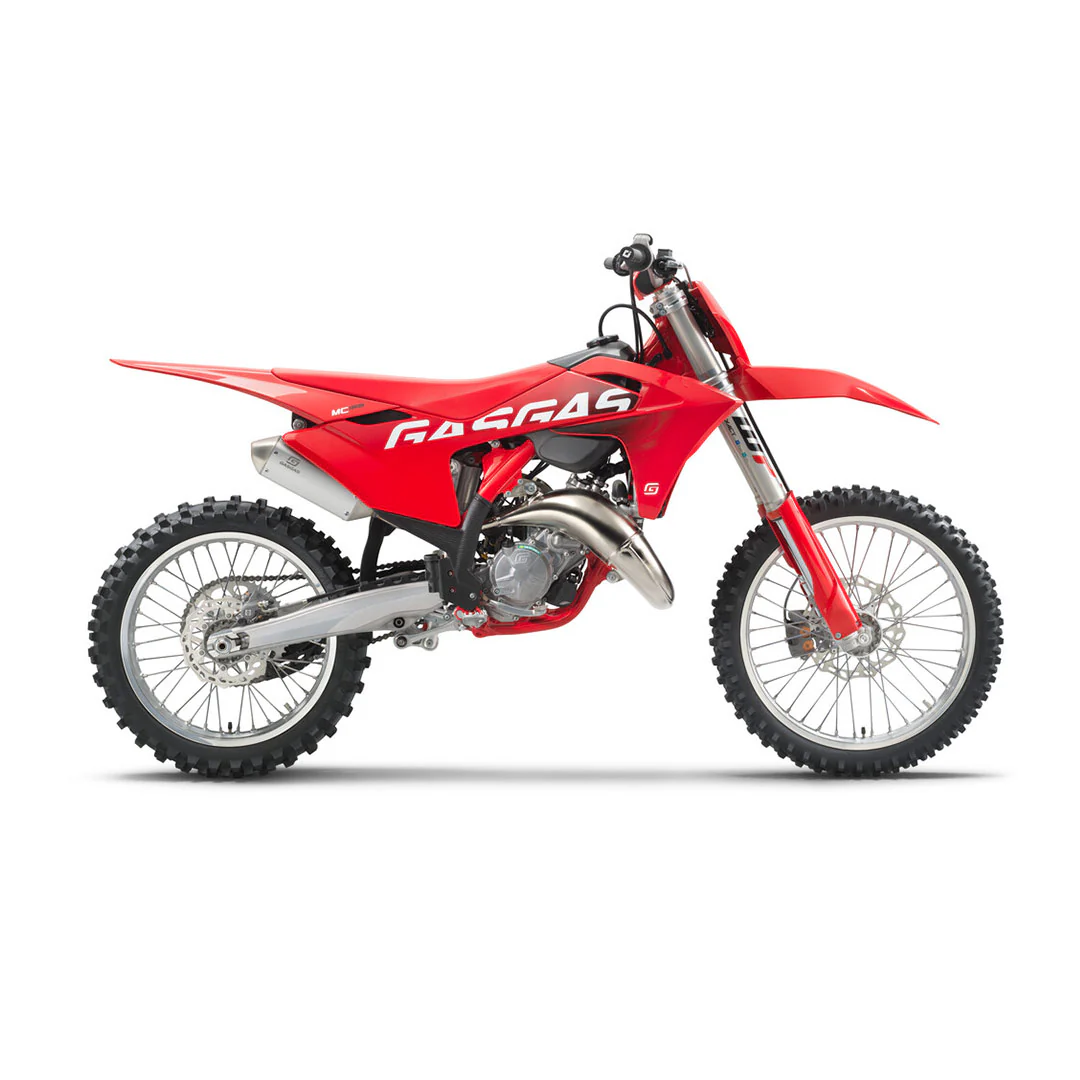
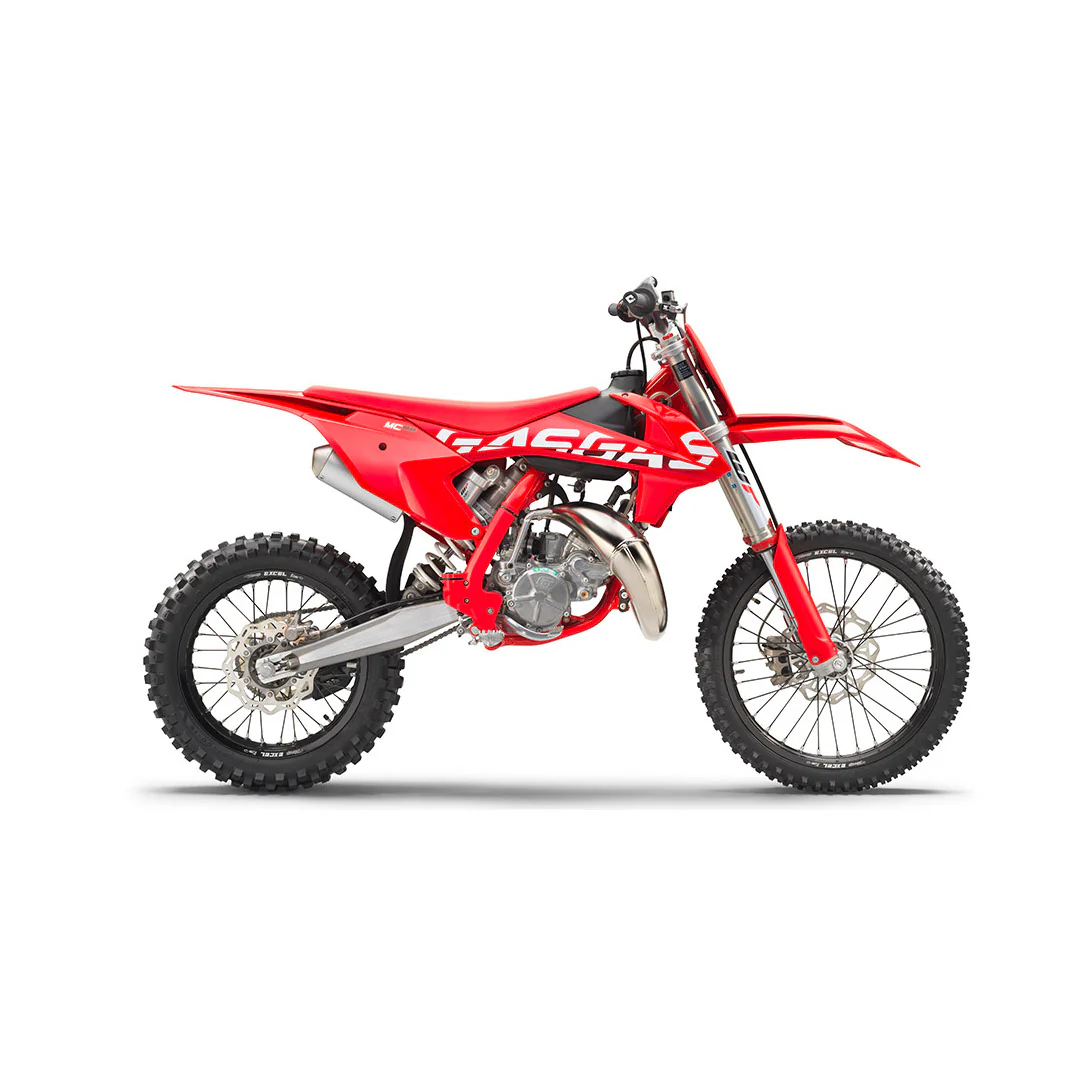
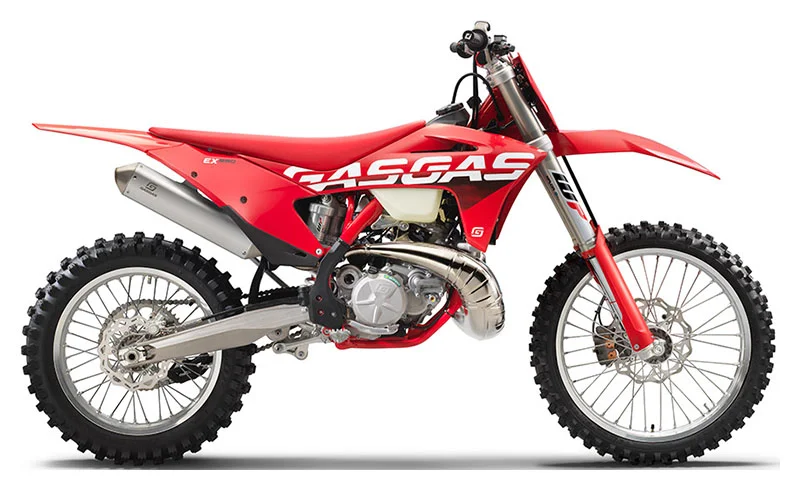
- MC 125: With the KTM acquisition, the MC 125 became the brand's entry into the competitive motocross market. Sharing much of its DNA with the KTM 125 SX, it offers a competitive package for aspiring motocross racers.
Buying Advice for GAS GAS
GAS GAS motorcycles are well-suited for riders who prioritize off-road performance and are looking for a machine that can handle challenging terrain. The brand appeals to both experienced riders seeking a competitive edge and newcomers looking for an accessible entry point into the world of off-road riding. The KTM influence is making the bikes more approachable and reliable, but the core focus remains on delivering a raw and engaging off-road experience.
Here's a breakdown of GAS GAS models by budget tiers:
- Entry-Level: The MC 125 motocross bike and some of the older, used EC models can be found at a more accessible price point. These offer a great way to experience the GAS GAS brand without breaking the bank.
- Mid-Range: The current generation EC 250 and EC 300 enduro models represent the mid-range offerings, providing a balance of performance, features, and price. These bikes offer modern technology and updated components for a competitive riding experience.
- Premium: The TXT Racing 300 trials bike and the newest generation motocross and enduro models with all the optional extras represent the premium segment. These bikes offer top-of-the-line performance and features for serious competitors and enthusiasts.
Maintenance and long-term ownership of a GAS GAS motorcycle will depend on the specific model and its age. Older two-stroke models are relatively simple to maintain, requiring regular servicing of the engine, suspension, and chassis. Newer models with more advanced electronics and fuel injection systems may require specialized tools and diagnostic equipment. Regular maintenance, including oil changes, air filter cleaning, and chain lubrication, is essential for ensuring the longevity and reliability of your GAS GAS motorcycle. Thanks to the KTM influence, parts availability and service support are generally better than they were before the acquisition. An example of this is the 2024 EC 300, producing around 50 hp, now has a more reliable and easier-to-maintain fuel injection system compared to older carbureted models. Always consult the owner's manual for specific maintenance recommendations and intervals. Furthermore, the updated 2025 GAS GAS MC 450F, sharing its engine architecture with the KTM 450 SX-F, benefits from the extensive development and refinement that KTM has put into its flagship motocross model, resulting in improved reliability and performance.
📌 This content is AI-assisted with editorial review.