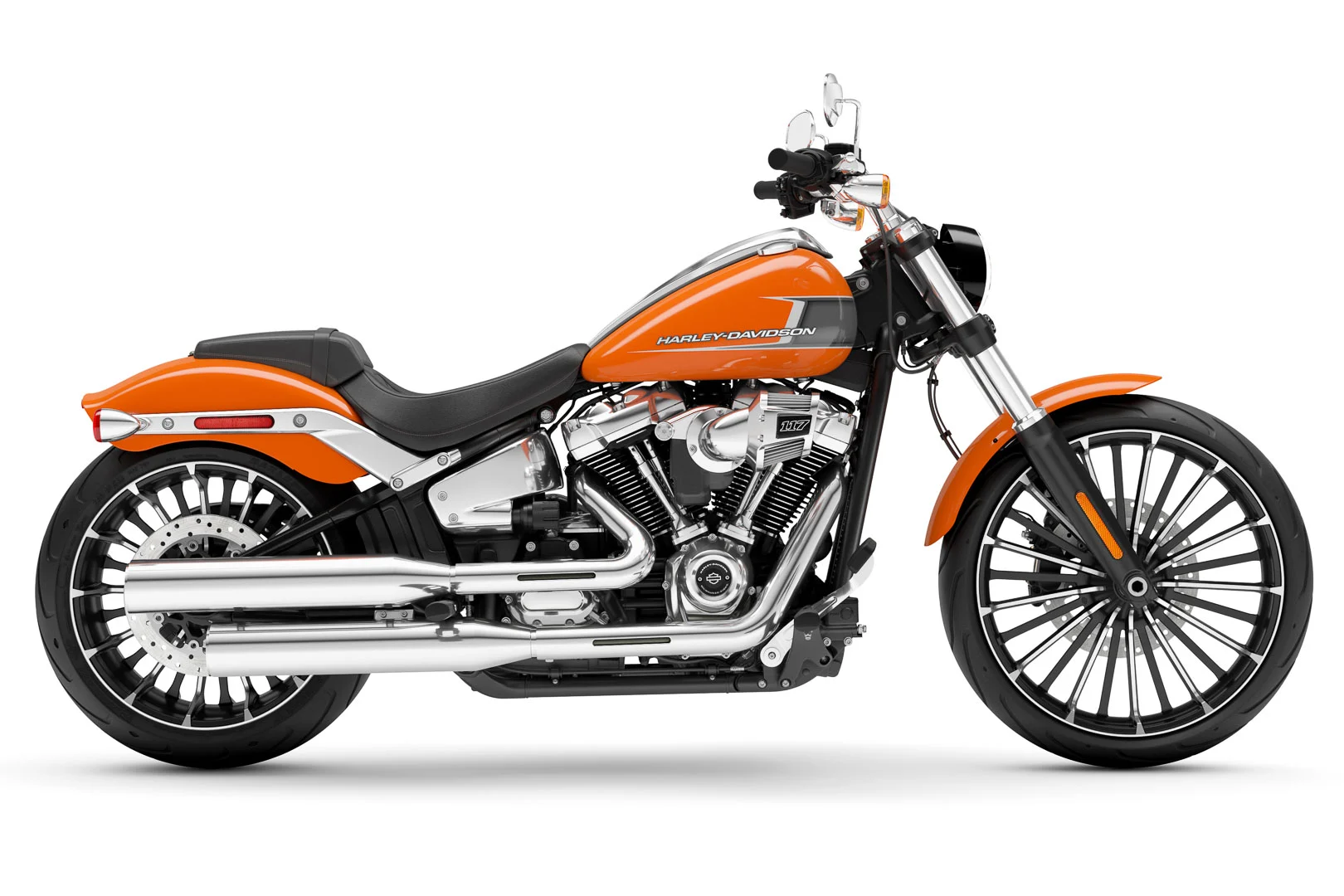
Harley-Davidson Brand Analysis: A Legacy of American Motorcycling
Harley-Davidson. The name alone conjures images of open roads, rebellious spirits, and the rumble of a V-twin. But beyond the image lies a complex and storied history, a distinct engineering philosophy, and a global presence that has shaped the very landscape of motorcycling. With a catalog boasting over 1860 models from 1903 to 2025, Harley-Davidson offers a diverse range of machines, each carrying a piece of its iconic heritage.
Harley-Davidson Brand History
Harley-Davidson was founded in 1903 in Milwaukee, Wisconsin, by William S. Harley and Arthur Davidson. Their initial effort was a motorized bicycle, but it quickly evolved into something more substantial. The company's roots are deeply embedded in American manufacturing and ingenuity.
The Model J, introduced in 1915, was a significant early model. It featured a three-speed transmission and an automatic oiler, representing a leap forward in motorcycle technology and reliability for the time. These features made longer journeys more feasible and cemented Harley-Davidson's reputation for robust and capable machines.
- 1917-1918: Harley-Davidson provides motorcycles to the U.S. military during World War I, solidifying its role as a key industrial player and enhancing its reputation for durability.
- 1936: The introduction of the "Knucklehead" engine marks a significant advancement in engine design. This overhead-valve V-twin offered improved power and cooling compared to its predecessors and became a defining characteristic of Harley-Davidson motorcycles.
- 1969: Harley-Davidson is acquired by American Machine and Foundry (AMF). This period is often viewed as a challenging one for the company, marked by quality control issues and increased competition from Japanese manufacturers.
- 1981: Harley-Davidson executives repurchase the company from AMF, initiating a turnaround focused on quality improvement and a renewed emphasis on the brand's heritage.
- 2002: The introduction of the V-Rod, powered by the Revolution engine developed in collaboration with Porsche, signals a departure from traditional Harley-Davidson engine designs and an attempt to attract a new generation of riders.
Harley-Davidson Philosophy and Engineering
Harley-Davidson's manufacturing philosophy has traditionally centered on producing motorcycles that are both visually striking and mechanically straightforward. A strong emphasis is placed on the riding experience, prioritizing a visceral connection between rider and machine. While modern technology is increasingly integrated, the core values of simplicity and ruggedness remain central to the brand's identity.
Harley-Davidson's engineering approach is characterized by its iconic V-twin engines. These engines, known for their distinctive sound and torque characteristics, have been a mainstay of the company's lineup for decades. While engine displacements vary, the focus is generally on producing ample low-end torque, suitable for cruising and relaxed riding. Chassis designs are typically robust and prioritize stability, offering a comfortable and predictable ride. Electronic advancements, such as ABS and traction control, are now common, but they are often implemented in a way that complements the traditional riding experience rather than overshadowing it.
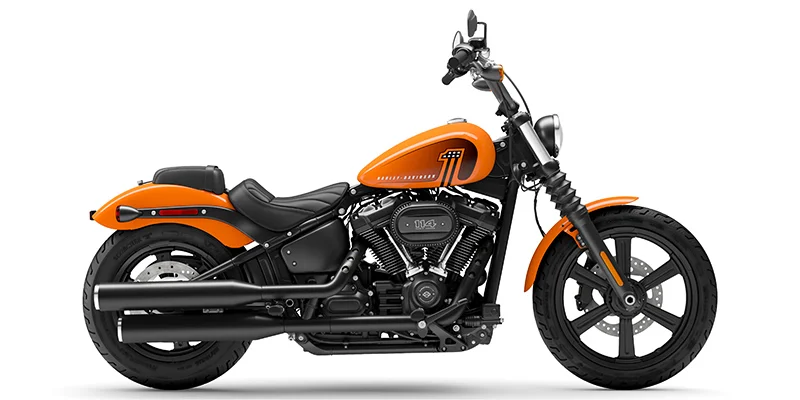
One key differentiator for Harley-Davidson is its commitment to customization. The company offers a vast array of aftermarket parts and accessories, allowing riders to personalize their motorcycles to reflect their individual style. Another distinguishing factor is the strong sense of community surrounding the brand. Harley-Davidson owners often form close bonds, participating in group rides and events that celebrate the shared passion for motorcycling.
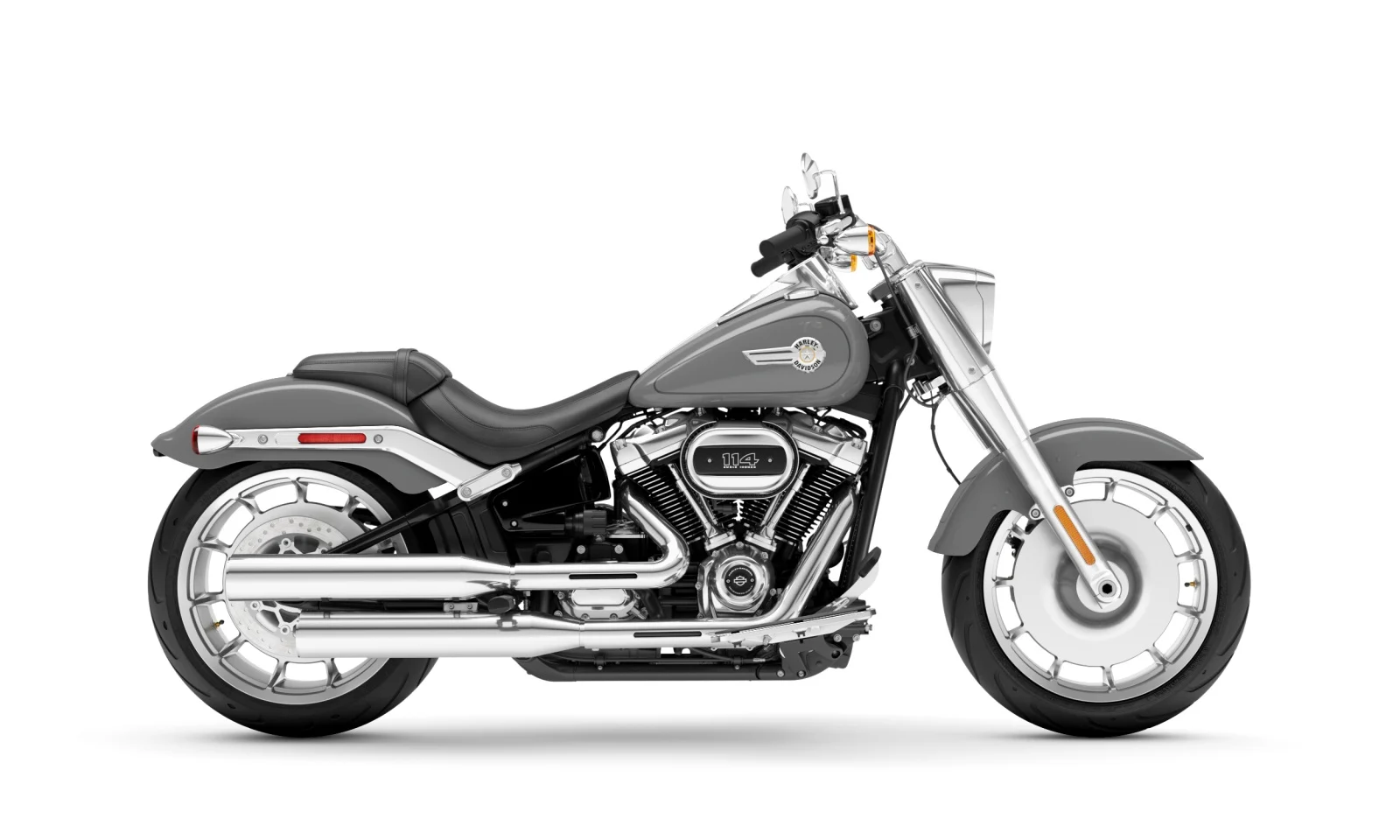
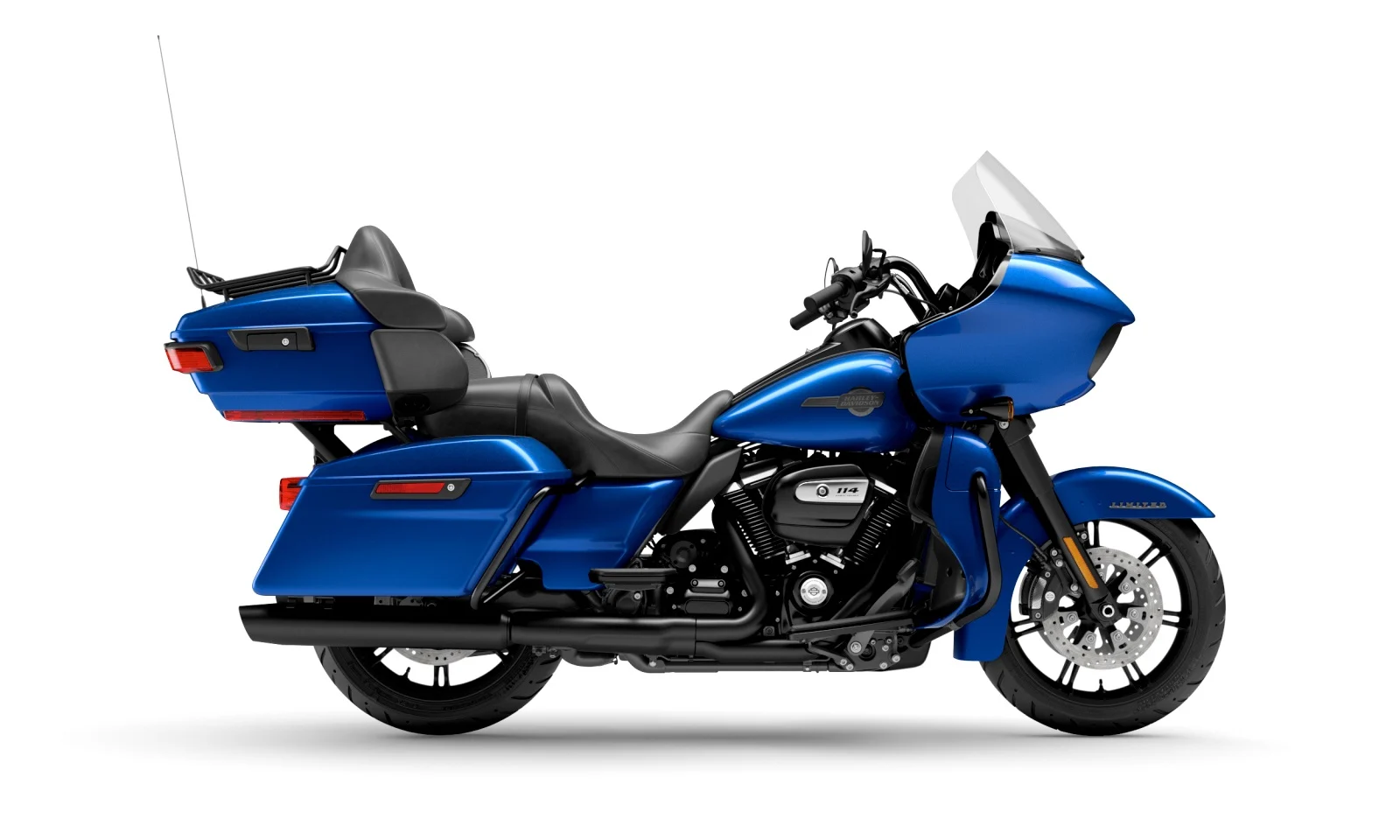
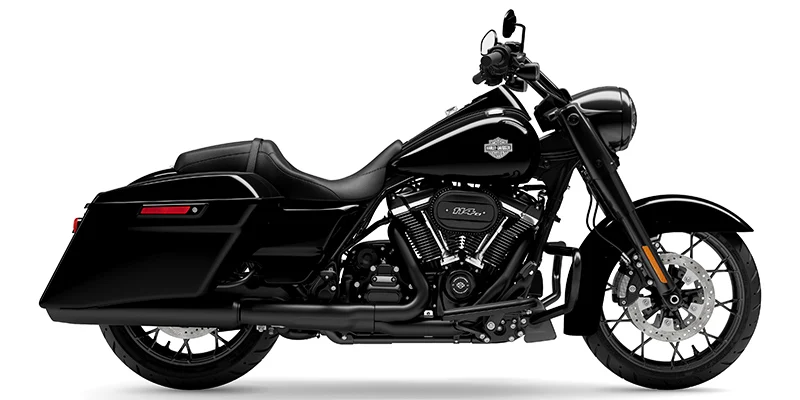
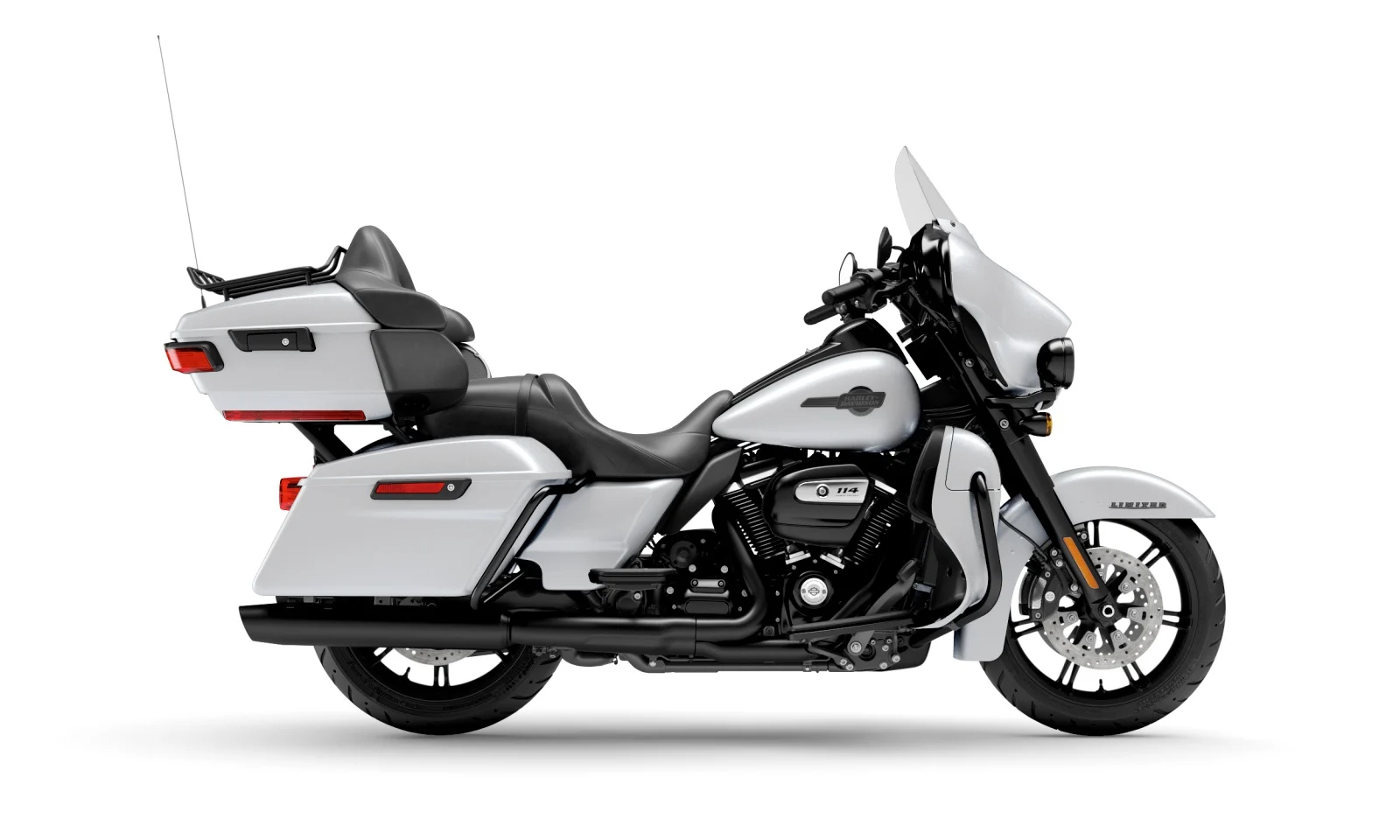
A specific technical example is the Milwaukee-Eight 114 engine, found in many of their touring and cruiser models. This engine, displacing 1868cc, produces a substantial amount of torque, making it well-suited for long-distance riding and two-up touring. Compare this to a Triumph Bonneville T120, while also a classic-styled bike, offers a parallel twin engine configuration. The Harley-Davidson engine offers a different feel.
Harley-Davidson Global Presence
Harley-Davidson has a significant global presence, with major markets in North America, Europe, and Asia-Pacific. The company maintains a widespread dealer network, providing sales, service, and support to customers worldwide. These dealerships often serve as community hubs, hosting events and fostering a sense of belonging among Harley-Davidson owners.
While not primarily known for its modern racing efforts, Harley-Davidson has a rich racing heritage, particularly in flat track racing. The KR 750, a purpose-built flat track racer, achieved considerable success in the 1970s, further enhancing the brand's reputation for performance and reliability. While no longer directly involved in professional flat track racing, Harley-Davidson continues to support amateur racers and enthusiasts.
Harley-Davidson owns LiveWire, the electric motorcycle division. This demonstrates a commitment to exploring alternative propulsion methods and appealing to a new generation of riders. LiveWire offers electric motorcycles with instant torque and a unique riding experience. This is a significant move as the motorcycle industry begins to shift towards more sustainable technologies.
Iconic Harley-Davidson Models
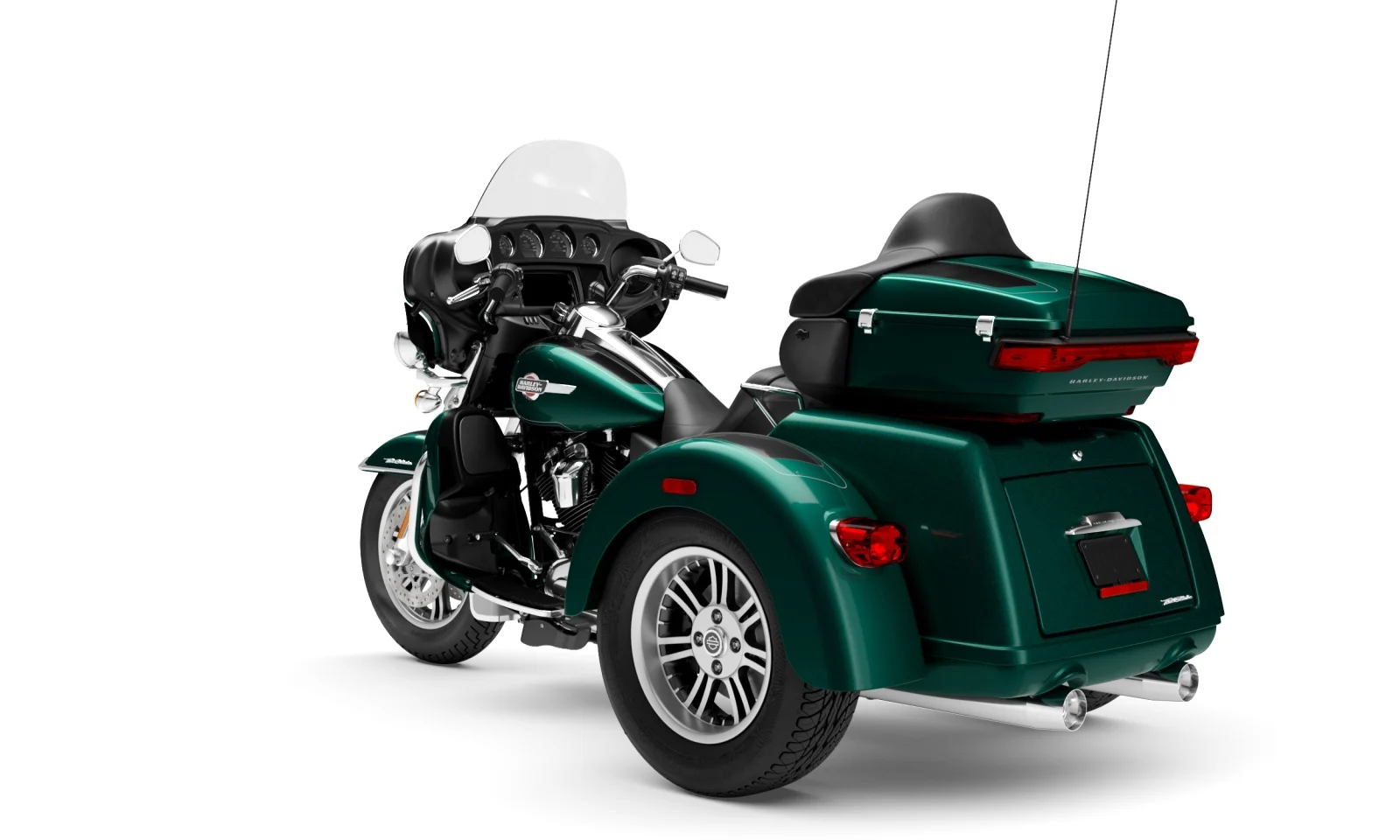
- Servi-Car GE (1932-1973): This three-wheeled utility vehicle was a workhorse for businesses and police departments alike. Its practicality and distinctive design made it a memorable part of American history.
- KR 750 (1970s): A dominant force in flat track racing, the KR 750 showcased Harley-Davidson's engineering prowess and cemented its reputation for performance. It was a symbol of American racing spirit.
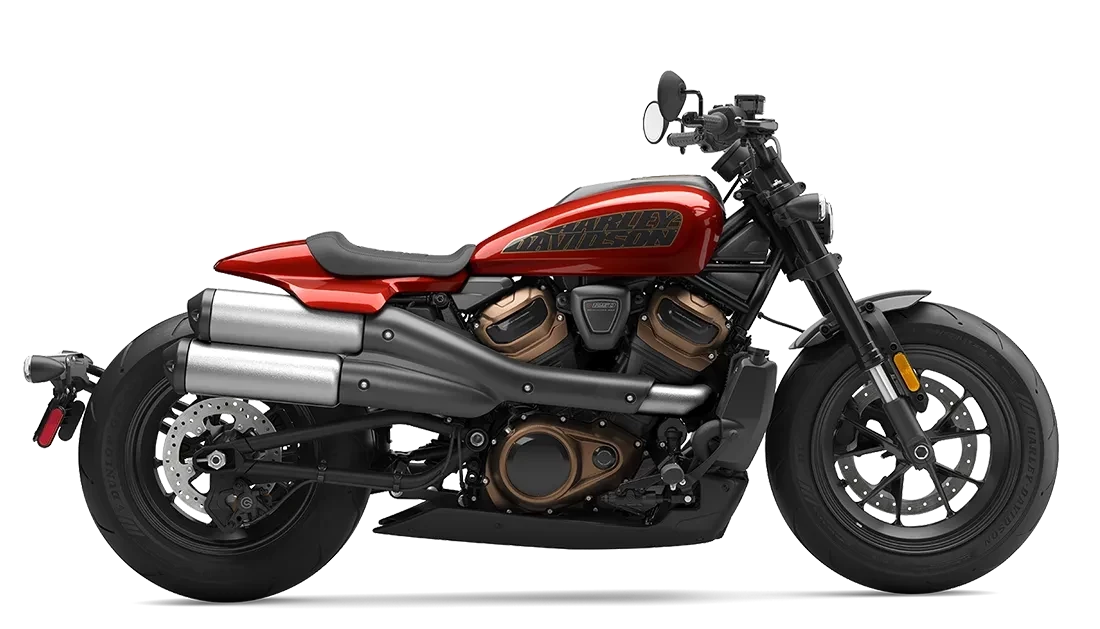
- XLH 1000 Sportster (1972-1985): The Sportster offered a more accessible and sporty riding experience compared to Harley-Davidson's larger models. It became a popular choice for riders seeking a lighter and more nimble machine.
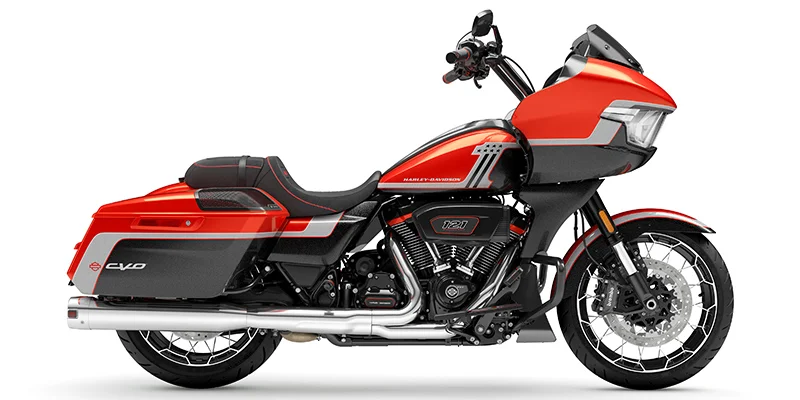
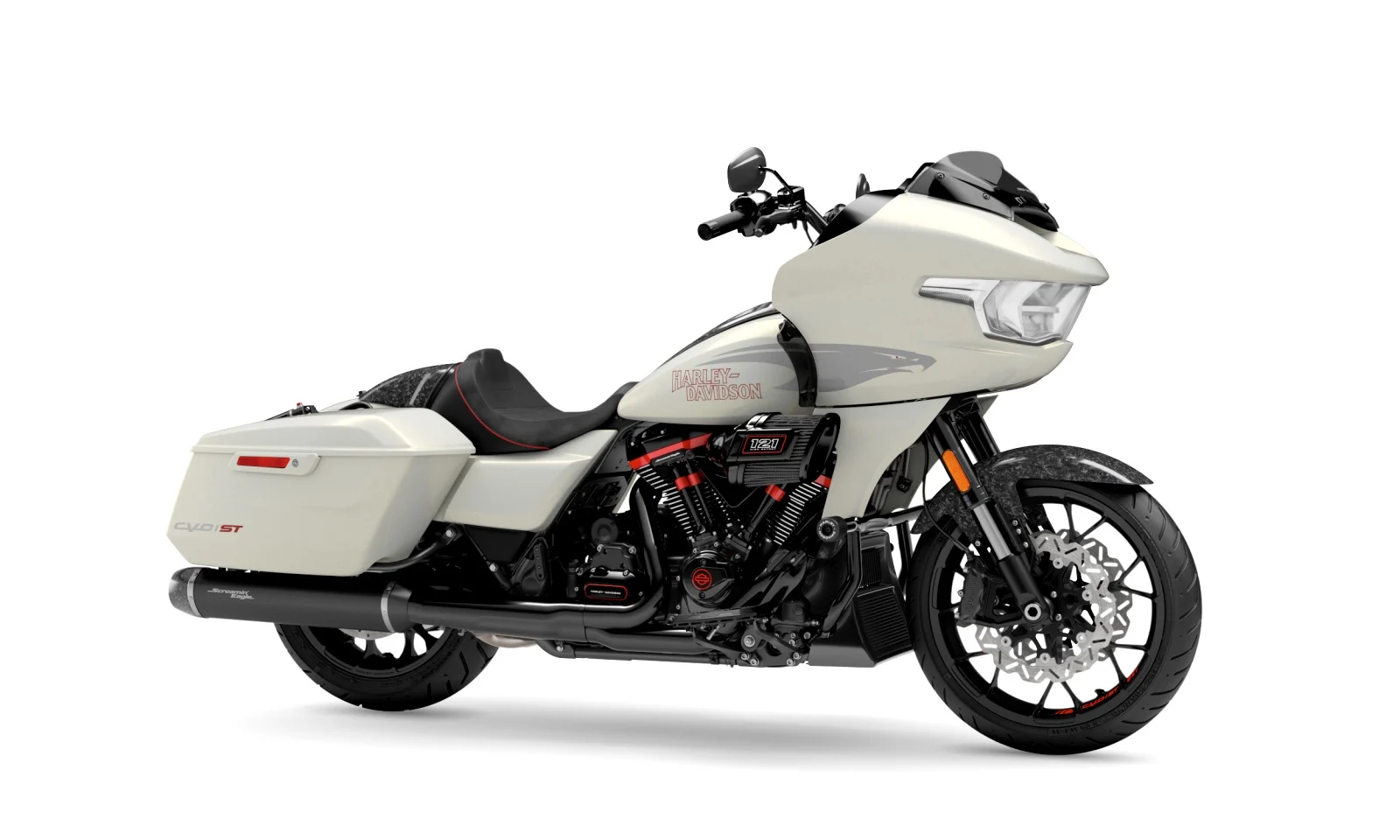
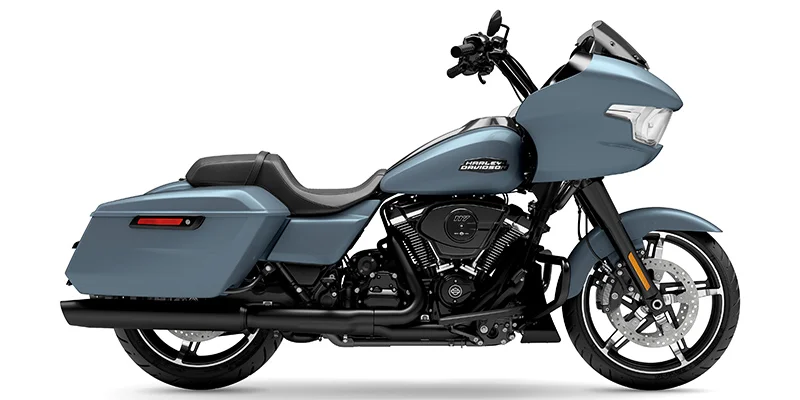
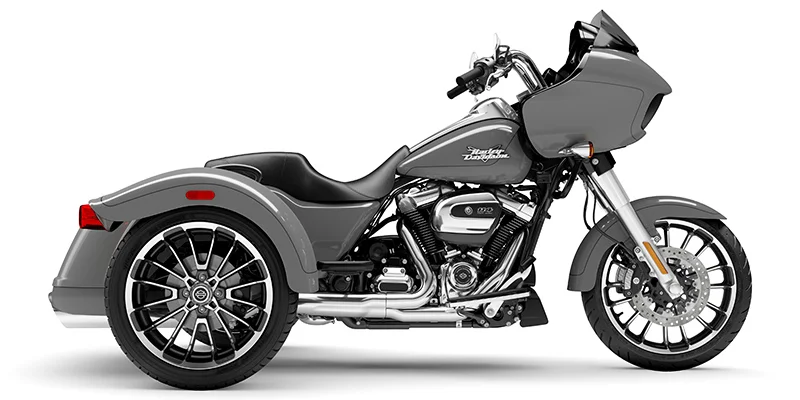
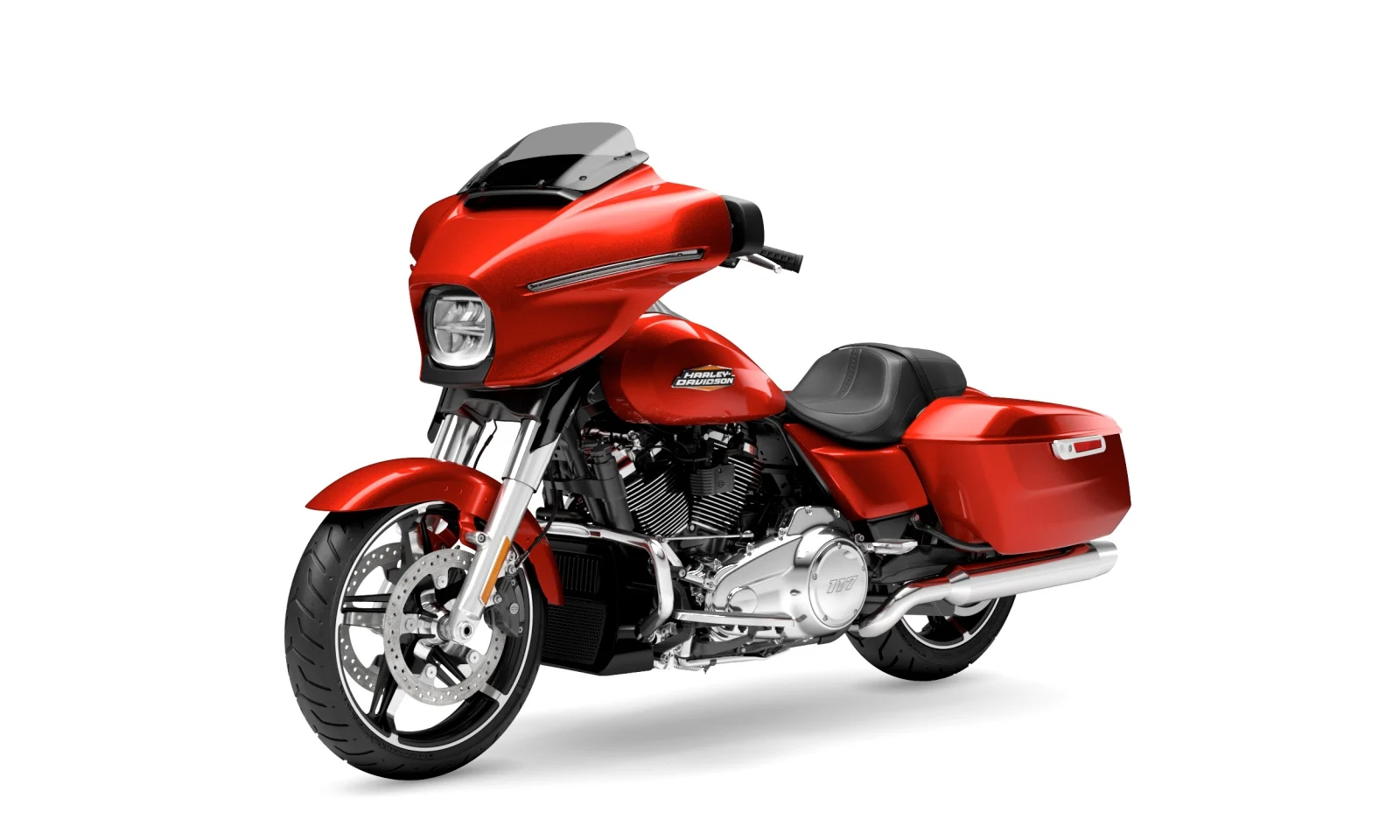
- Road Glide (1998-Present): The Road Glide, with its distinctive frame-mounted fairing, has become a popular choice for long-distance touring. Its comfortable riding position and ample storage space make it a favorite among riders who value comfort and practicality.
Buying Advice for Harley-Davidson
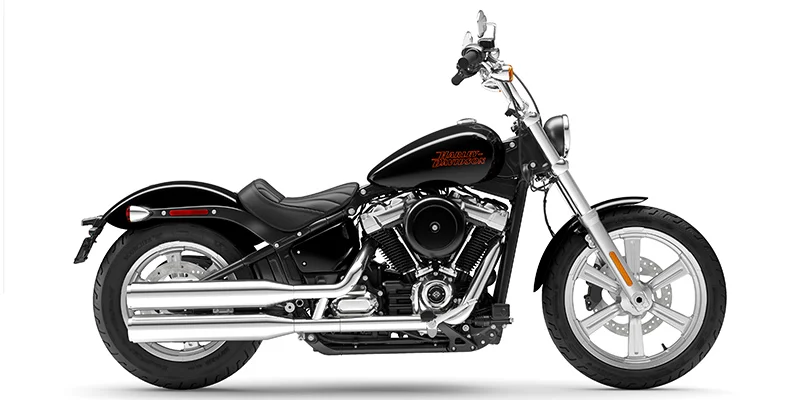
Harley-Davidson motorcycles are well-suited for riders who appreciate a classic aesthetic, a strong sense of heritage, and a community-focused riding experience. The brand appeals to individuals who value individuality and self-expression, and who enjoy customizing their motorcycles to reflect their personal style.
Budget Tiers:
- Entry-Level: Used Sportster models can be found for under $8,000. These bikes offer an accessible entry point into the Harley-Davidson world. They are generally reliable and easy to maintain, making them a good choice for new riders.
- Mid-Range: New Sportster S or used Dyna models fall into the $12,000-$18,000 range. These bikes offer a step up in performance and features compared to the entry-level models. The Dyna platform, in particular, is known for its handling and customization potential.
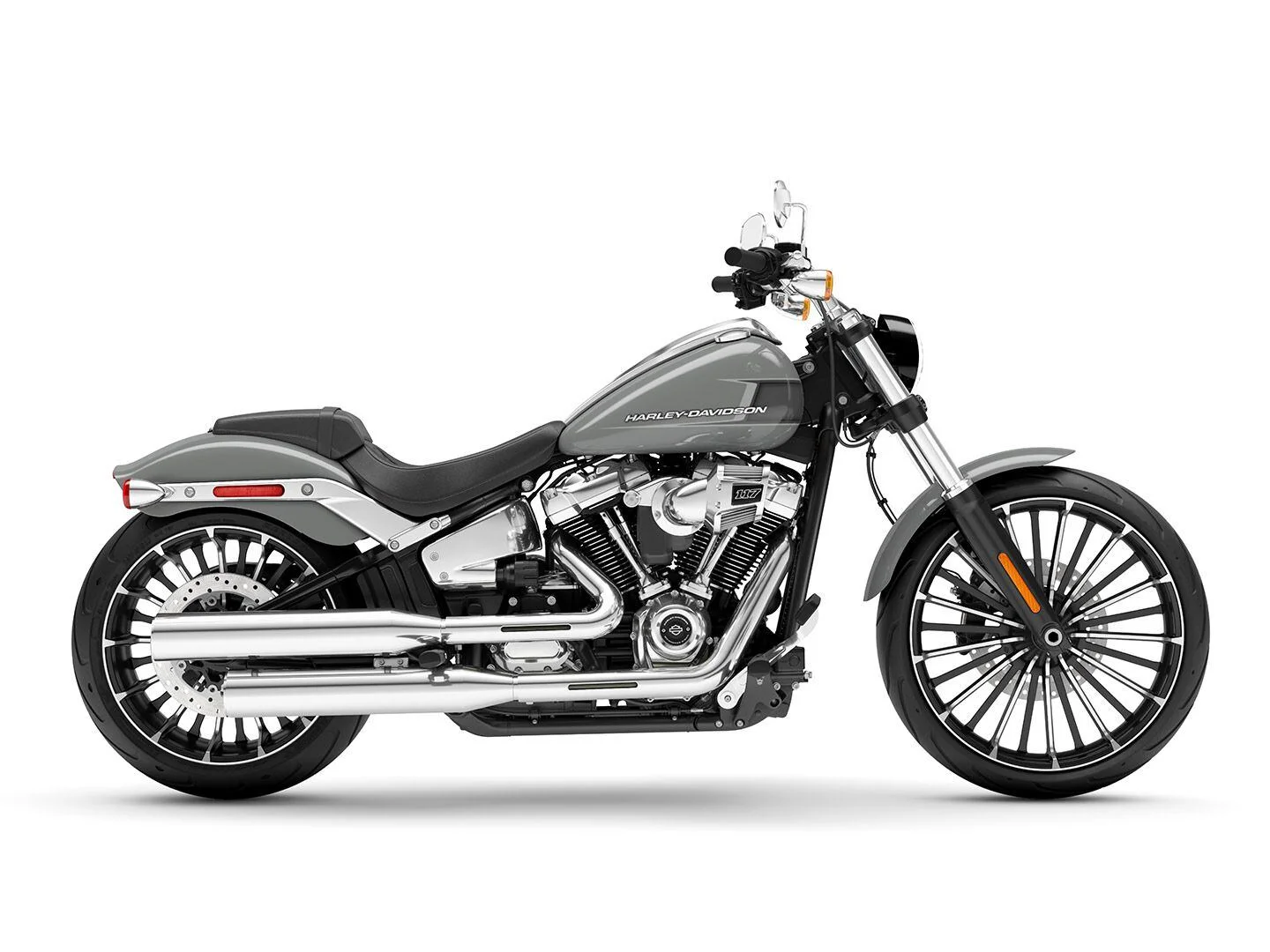
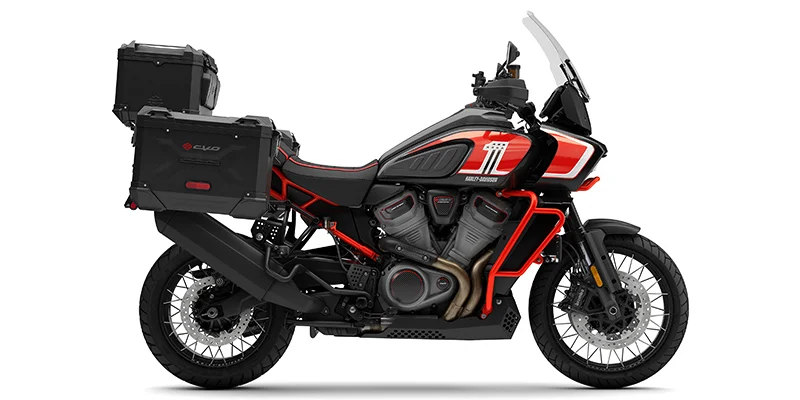
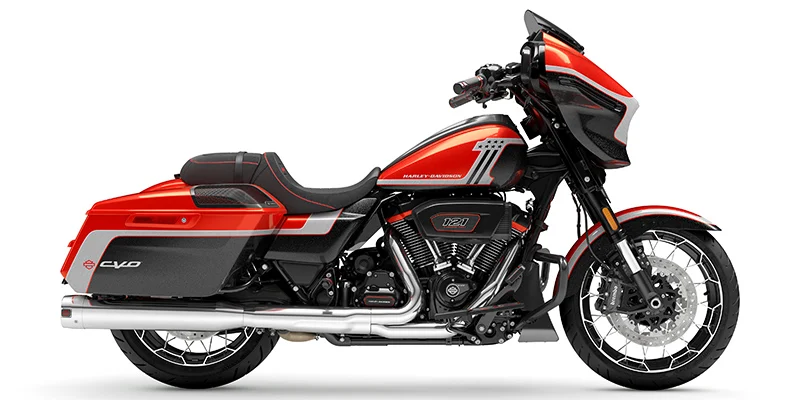
- Premium: Touring models like the Road Glide or Street Glide, and CVO (Custom Vehicle Operations) models, can easily exceed $30,000. These bikes represent the pinnacle of Harley-Davidson engineering and luxury, offering a premium riding experience and a host of advanced features.
Maintenance and long-term ownership of a Harley-Davidson require regular servicing and attention to detail. Oil changes, tire replacements, and brake maintenance are essential for keeping a Harley-Davidson in good condition. While Harley-Davidson motorcycles are generally reliable, they are not maintenance-free. Be prepared to invest time and money in keeping your motorcycle running smoothly. The 883cc Sportster has a different maintenance schedule than a 114 cubic inch Milwaukee-Eight, so research is key before purchasing.
📌 This content is AI-assisted with editorial review.