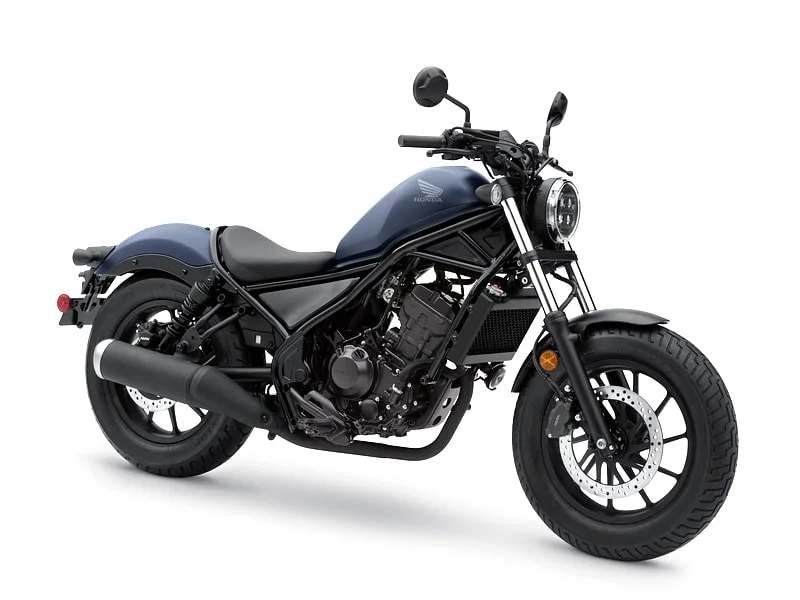
Honda Brand Analysis: A Legacy of Innovation and Accessibility
Honda. The name resonates with reliability, innovation, and a pervasive presence on roads worldwide. From humble beginnings to a global powerhouse, Honda has consistently shaped the motorcycle landscape. With a staggering 5067 catalogued models spanning from 1959 to 2026, the breadth of their offering is unmatched. Popular models like the CRF 450 R, the quirky Ruckus, the beginner-friendly CRF 50 F, the track-focused CBR 600 RR, and the dual-sport stalwart XR 650 L demonstrate the diversity of their lineup. Primarily focusing on vintage machines, scooters, and sport bikes, Honda caters to a broad spectrum of riders.
Honda Brand History
Honda Motor Co., Ltd. was founded in 1948 by Soichiro Honda in Hamamatsu, Japan. Honda's initial focus wasn't motorcycles; it was producing piston rings for Toyota. However, his passion for motorized vehicles led him to create a motorized bicycle by attaching a small engine to his bicycle. This simple creation laid the foundation for what would become one of the world's leading motorcycle manufacturers.
The first significant model was the 1949 Dream Type D. This was Honda's first complete motorcycle, not just an engine attached to a bicycle. It featured a 98cc two-stroke engine and a pressed-steel frame, a departure from the tubular frames common at the time. The Dream Type D marked Honda's commitment to innovative design and manufacturing.
- 1959: Expansion to the United States: The establishment of American Honda Motor Co., Inc. marked Honda's entry into the crucial US market. This expansion was a bold move that proved incredibly successful, establishing Honda as a global brand.
- 1969: Introduction of the CB750: The CB750 revolutionized the motorcycle industry. It was the first mass-produced motorcycle with a transverse, overhead camshaft, four-cylinder engine and a front disc brake. This bike offered unprecedented levels of performance and reliability at an affordable price, setting a new standard for motorcycle engineering.
- 1986: Launch of Acura: While not directly motorcycle-related, the launch of Acura, Honda's luxury car division, demonstrated the company's commitment to innovation and its ability to compete in diverse markets. This diversification strengthened Honda's financial position and brand image.
- 2016: Milestone 300 Million Units: Honda celebrates cumulative worldwide motorcycle production reaching 300 million units. This milestone underscored Honda's global reach and dominance in the motorcycle industry.
Honda Philosophy and Engineering
Honda's manufacturing philosophy centers around quality, reliability, and continuous improvement, often summarized by their "Three Joys" principle: the joy of buying, the joy of selling, and the joy of creating. This philosophy permeates every aspect of their operations, from design and engineering to manufacturing and customer service.
Honda's engineering approach emphasizes innovation and efficiency. They are known for their robust and reliable engines, often incorporating advanced technologies like VTEC (Variable Valve Timing and Lift Electronic Control) in some models. Their chassis designs prioritize handling and stability, making their bikes accessible and enjoyable for a wide range of riders. In recent years, Honda has also embraced electronics, incorporating features like traction control, ABS (Anti-lock Braking System), and ride-by-wire throttle systems in many of their models.
One key differentiator is Honda's unwavering commitment to fuel efficiency. Their engines are consistently among the most fuel-efficient in their respective classes. Another is their dedication to ease of use. Honda motorcycles are generally known for their smooth power delivery, predictable handling, and user-friendly controls, making them suitable for both beginners and experienced riders.
Compared to a competitor like Yamaha, while both offer a range of bikes, Yamaha often focuses more on high-performance, aggressive styling, and race-derived technology, sometimes at the expense of outright usability for newer riders. Honda tends to prioritize a more balanced approach, offering a broader appeal.
Honda Global Presence
Honda has a truly global presence, with major markets in North America, Europe, Asia, and South America. Their extensive dealer network ensures that customers have access to sales, service, and parts support wherever they are. Honda operates manufacturing facilities in numerous countries, allowing them to tailor their products to local market needs and preferences.
Honda's racing heritage is extensive and deeply ingrained in their brand DNA. They have a long and successful history in MotoGP, Motocross, and other forms of motorcycle racing. This racing involvement not only showcases their engineering capabilities but also contributes to the development of new technologies that eventually make their way into production motorcycles.
Honda operates numerous subsidiaries and partnerships around the world. Honda Racing Corporation (HRC) is responsible for their motorcycle racing activities. They also have partnerships with various suppliers and technology companies to develop and integrate new technologies into their motorcycles.
Iconic Honda Models
- Honda CB750 (1969): This motorcycle is arguably the most influential motorcycle of all time. It was the first mass-produced superbike, featuring a powerful four-cylinder engine and disc brakes, changing the landscape of motorcycling forever.
- Honda Gold Wing (1975): The Gold Wing redefined touring motorcycles. Initially launched with a 999cc flat-four engine, it evolved into the luxurious, six-cylinder behemoth it is today, setting a new standard for comfort and long-distance riding.
- Honda Super Cub (1958): The Super Cub is the best-selling motor vehicle in history. Its simple design, durability, and affordability made it accessible to millions around the world, transforming personal transportation in many developing countries.
- Honda CBR600RR (2003): A dominant force in the 600cc sportbike class, the CBR600RR consistently set the benchmark for handling and performance. Its race-derived technology made it a popular choice for both track days and street riding.
- Honda XR650L (1993): This dual-sport motorcycle has remained largely unchanged for decades, a testament to its simple, reliable design. It's a capable off-road machine and a comfortable commuter, making it a versatile choice for riders seeking adventure.
Buying Advice for Honda
Honda is a brand suited for a wide range of riders, from beginners to experienced enthusiasts. Their diverse lineup offers something for everyone, whether you're looking for a reliable commuter, a sporty weekend ride, or an adventurous off-road machine. Their reputation for reliability and ease of use makes them an excellent choice for new riders, while their high-performance models cater to more experienced riders seeking thrills.
Budget Tiers:
- Entry-Level: In the entry-level tier (under $6,000), you'll find models like the Honda Grom, the Ruckus, and the CRF 50F. These bikes are perfect for beginners or riders looking for a fun and affordable way to get around. The Grom, with its 125cc engine, offers a playful riding experience and is easy to handle.
- Mid-Range: The mid-range tier ($6,000 - $12,000) includes popular models like the CBR650R, the Rebel series (300 and 500), and the NC750X. These bikes offer a good balance of performance, features, and value. The CBR650R, for instance, provides sporty handling and a smooth inline-four engine, making it a great choice for both commuting and weekend rides.
- Premium: The premium tier (over $12,000) includes high-performance models like the CBR1000RR-R Fireblade, the Gold Wing, and the Africa Twin. These bikes offer cutting-edge technology, top-of-the-line components, and unparalleled performance. The CBR1000RR-R Fireblade, with its race-derived engine and advanced electronics, is a serious contender on the track.
Maintenance & Long-Term Ownership:
Honda motorcycles are generally known for their reliability and low maintenance requirements. Regular maintenance, such as oil changes, filter replacements, and chain lubrication, is essential to keep your Honda running smoothly. Following the manufacturer's recommended service intervals is crucial for long-term reliability. Parts are readily available and relatively affordable, making Honda motorcycles a cost-effective choice for long-term ownership. With proper care and maintenance, a Honda motorcycle can provide years of trouble-free riding.
📌 This content is AI-assisted with editorial review.