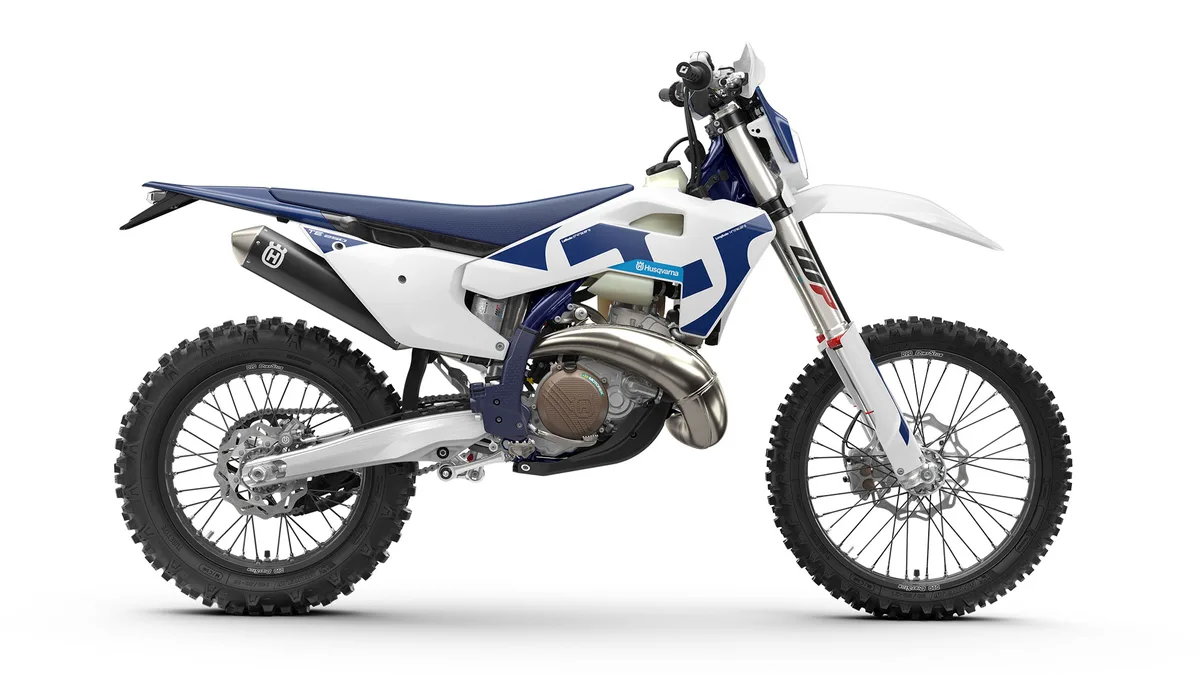
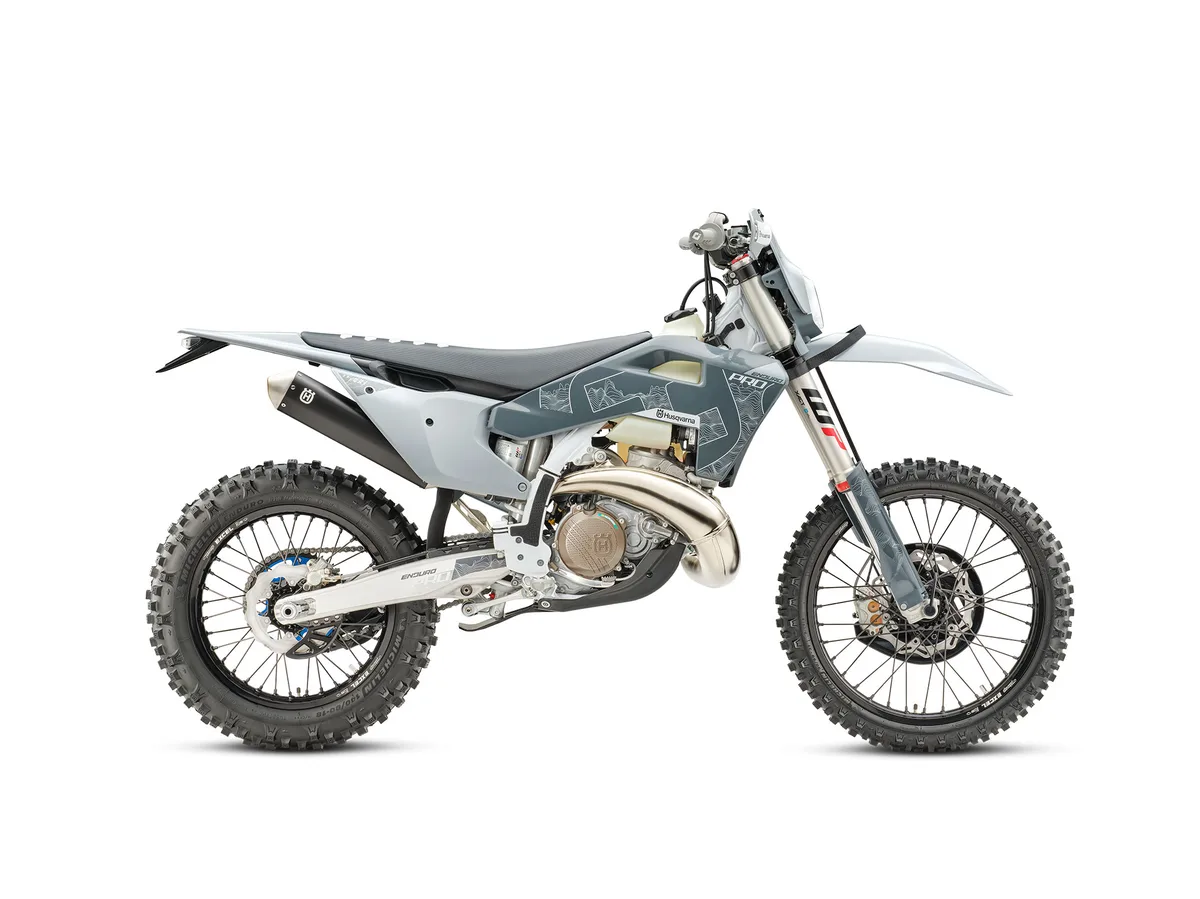
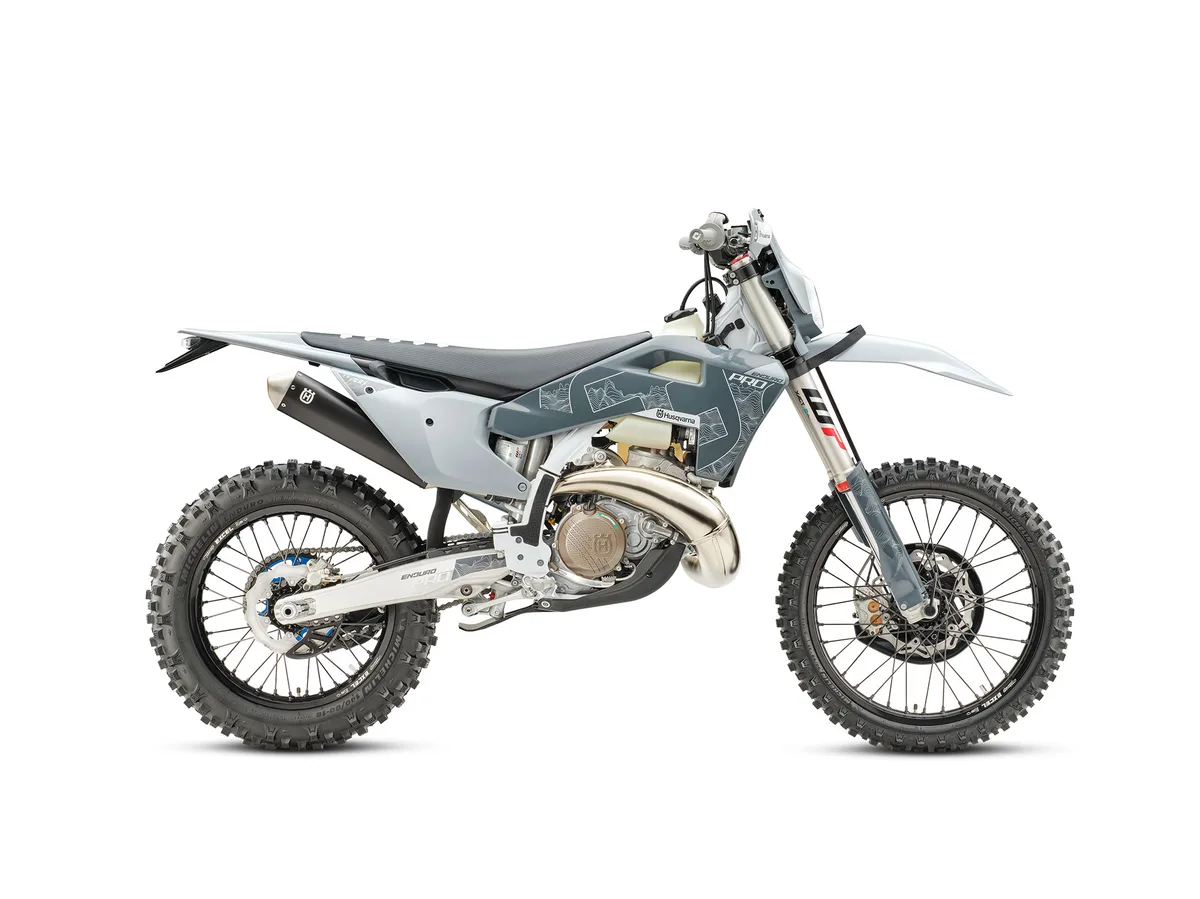
Husqvarna Brand Analysis: A Legacy Forged in Swedish Steel
Husqvarna, a name synonymous with off-road prowess and distinctive Swedish design, boasts a history stretching back centuries. While many associate the brand solely with motorcycles, its origins are far more diverse. This analysis delves into Husqvarna's rich heritage, its engineering philosophy, its global presence, and offers guidance for prospective buyers looking to experience the unique appeal of a "Husky."
Husqvarna Brand History
Husqvarna's journey began in 1689 as a Swedish weapons foundry, hence the iconic "gun sight" logo. It wasn't until 1903 that the company ventured into motorized two-wheelers, producing bicycles with auxiliary engines. The "Husqvarna Vapenfabriks Aktiebolag" (Husqvarna Weapons Factory Limited Company) laid the foundation for what would become a legendary motorcycle manufacturer.
A pivotal moment arrived in 1955 with the Silverpilen (Silver Arrow). This lightweight 175cc two-stroke machine revolutionized Swedish motorcycle design, offering accessible performance and marking Husqvarna's commitment to off-road capabilities. It was a game-changer for the brand, setting the stage for future motocross and enduro dominance.
Key milestones in Husqvarna's history include:
- 1960s Motocross Dominance: Husqvarna cemented its reputation in the world of motocross, winning multiple world championships with riders like Torsten Hallman and Rolf Tibblin. This period established Husqvarna as a serious contender against established Japanese and European brands.
- 1987 Acquisition by Cagiva: This marked a shift in ownership and a move away from Swedish production, eventually leading to Italian manufacturing.
- 2013 Acquisition by KTM: Under KTM's ownership, Husqvarna underwent a significant revitalization, benefiting from shared technology and a renewed focus on innovation and design.
Husqvarna Philosophy and Engineering
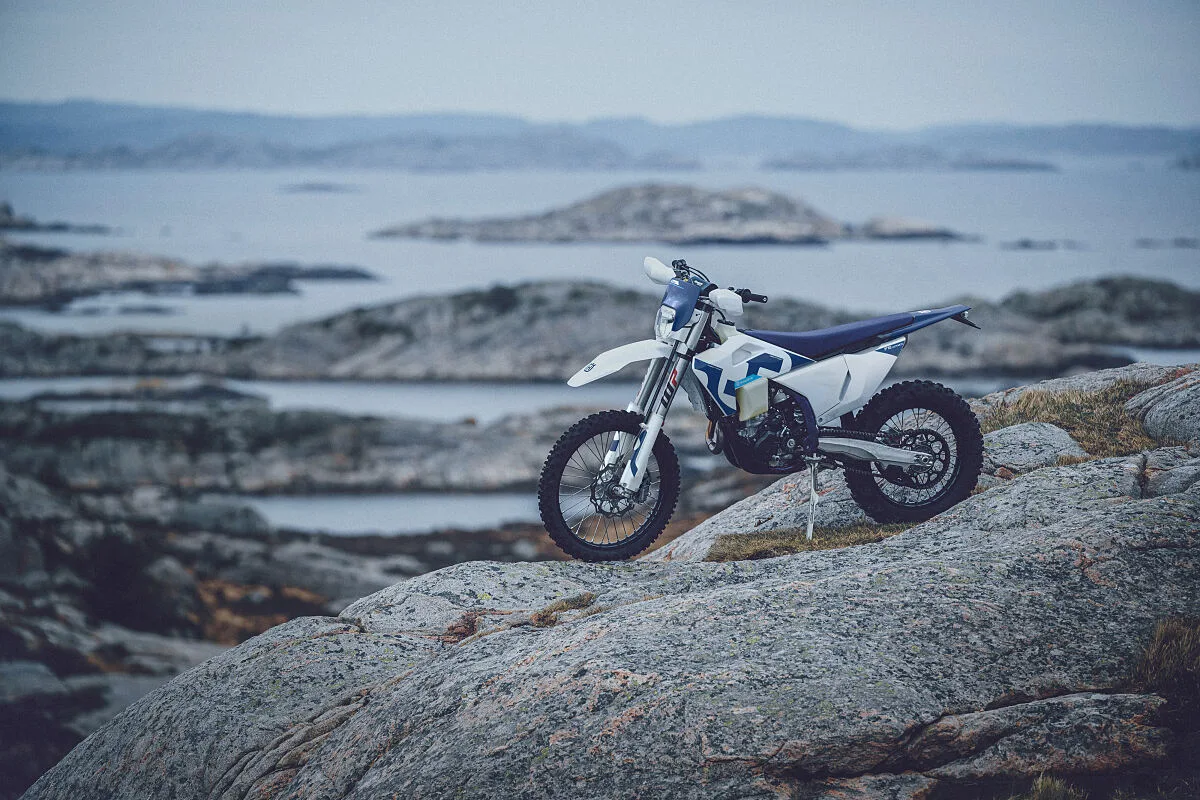
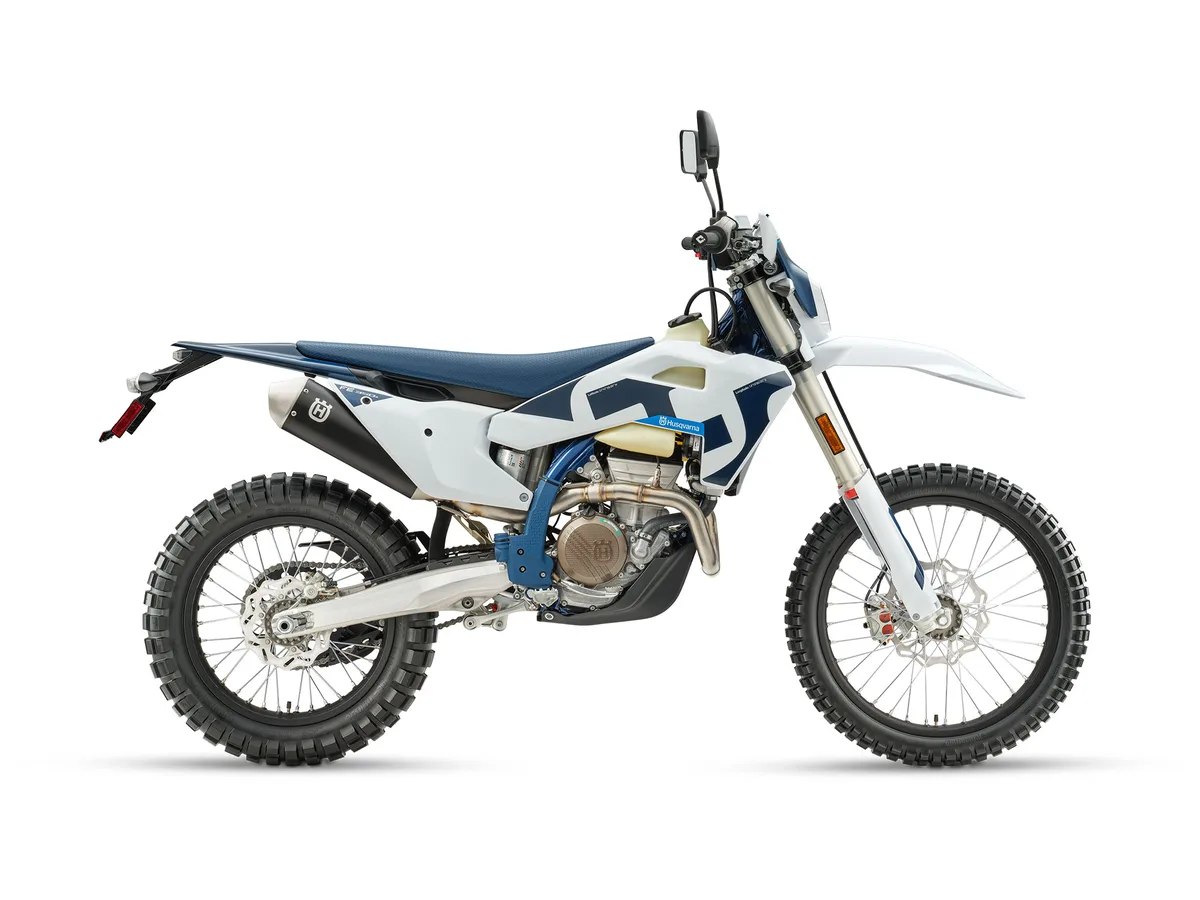
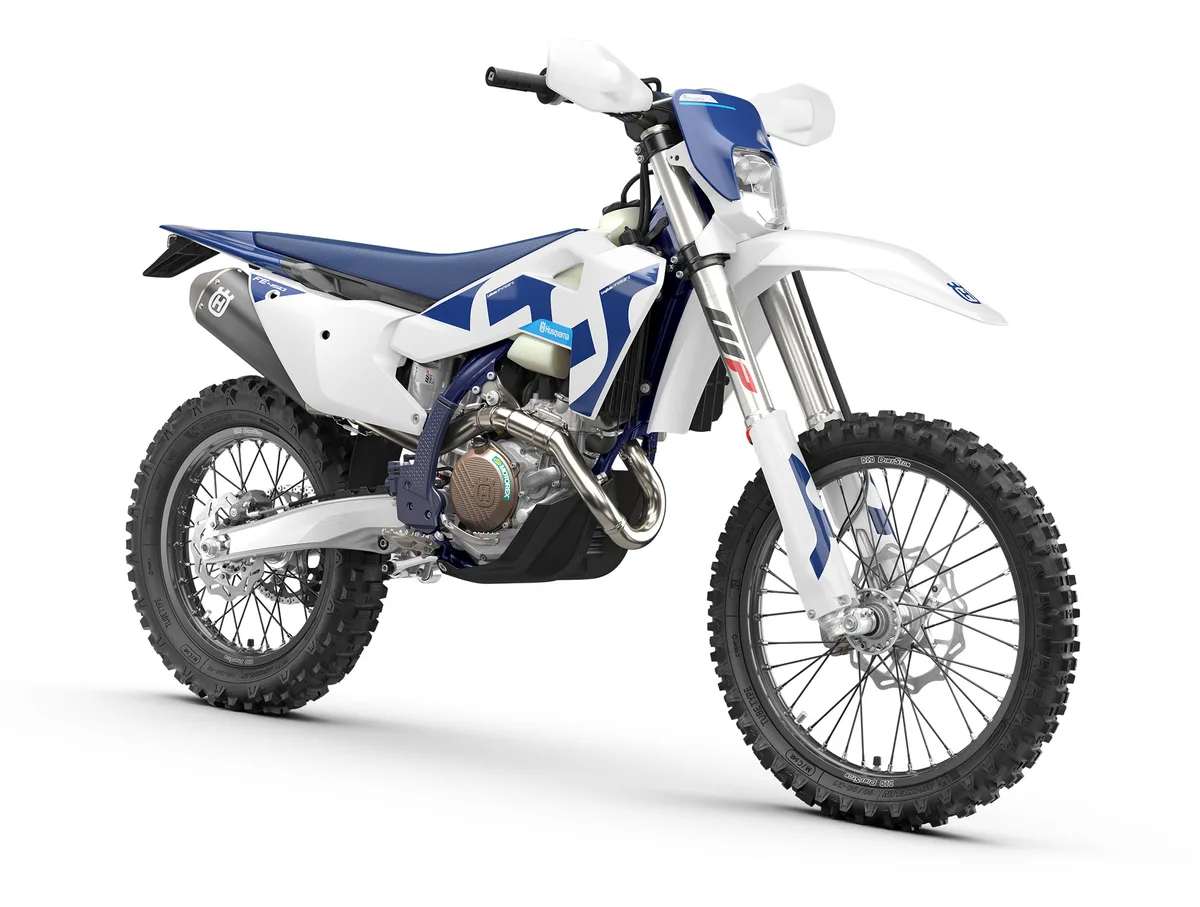
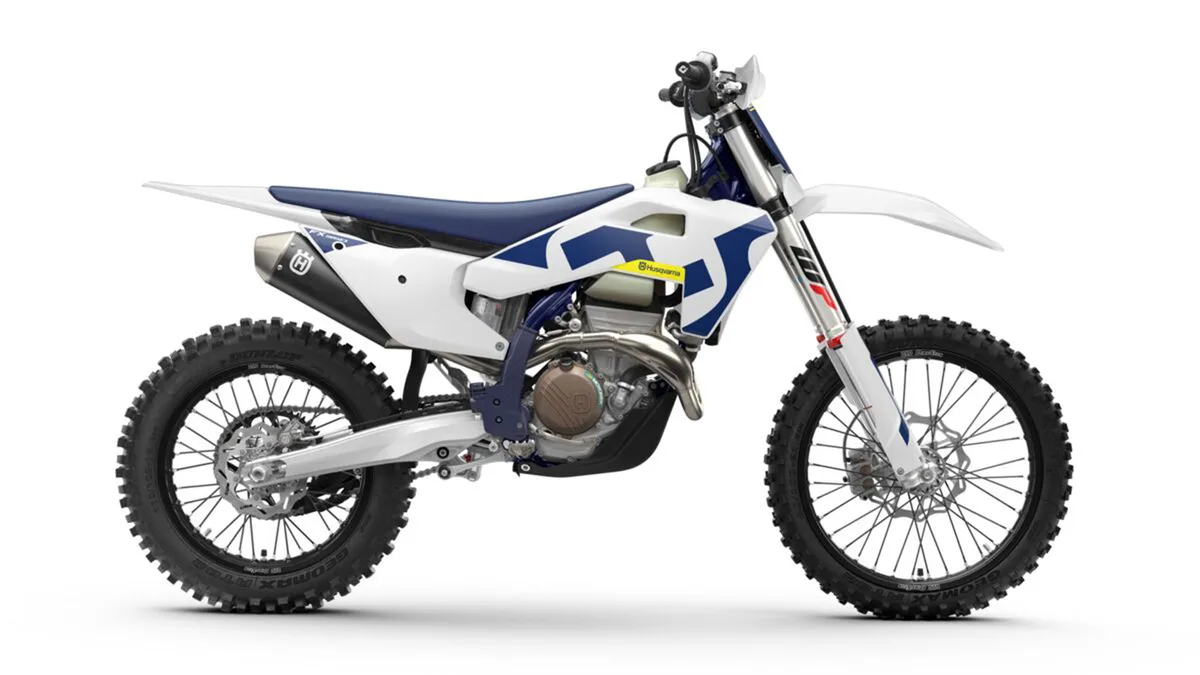
Husqvarna's manufacturing philosophy centers around producing high-performance, lightweight motorcycles designed for demanding off-road environments and, increasingly, for supermoto applications. The brand strives for a distinctive aesthetic, often characterized by clean lines, sharp angles, and a minimalist approach to design. They aim to create machines that are both functional and visually appealing.
Husqvarna's engineering approach leverages advanced materials and technologies. Their engines, often shared with KTM due to the KTM ownership, are known for their power-to-weight ratio. The chassis designs prioritize agility and responsiveness, allowing riders to confidently navigate challenging terrain. Electronic fuel injection (EFI) is standard on most models, optimizing engine performance and fuel efficiency.
Two key differentiators set Husqvarna apart:
- Lightweight Focus: Husqvarna consistently prioritizes minimizing weight across its model range. This is achieved through the use of lightweight materials like chromoly steel frames, magnesium engine covers, and advanced plastics. This focus on weight reduction translates to improved handling and maneuverability, particularly in off-road situations.
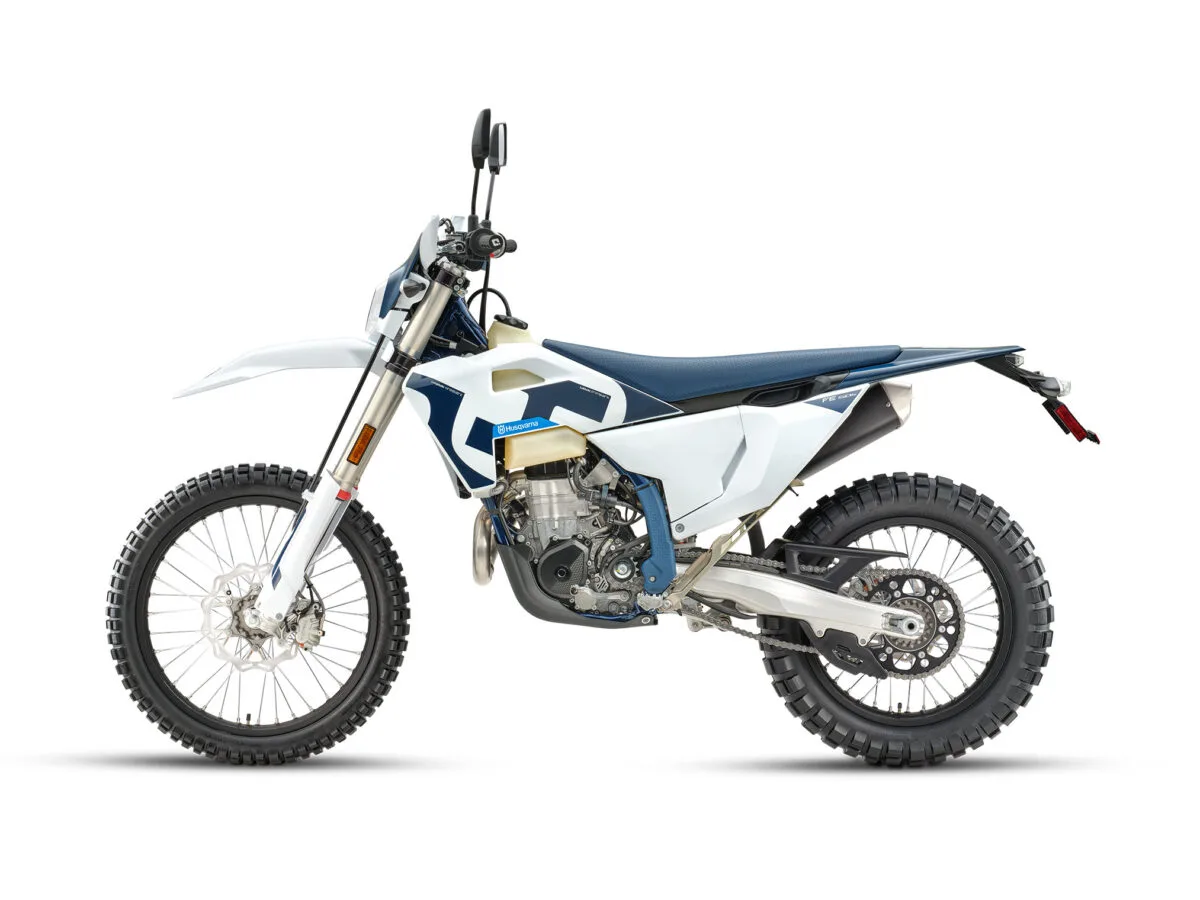
- Distinctive Design Language: While sharing some components with KTM, Husqvarna maintains a unique design identity. Their motorcycles often feature a more angular and minimalist aesthetic compared to KTM's more aggressive styling. This design philosophy contributes to the brand's overall appeal and distinguishes it in the market.
Husqvarna Global Presence
Husqvarna has a strong global presence, with major markets in Europe, North America, and Australia. The brand benefits from KTM's extensive dealer network, ensuring widespread availability of sales, service, and parts. In the United States, Husqvarna dealers are often co-located with KTM dealerships, providing customers with convenient access to both brands.
Racing is deeply ingrained in Husqvarna's DNA. From its early motocross victories to its current involvement in enduro, rally, and supermoto, the brand actively participates in various racing disciplines. This racing heritage not only showcases the performance capabilities of Husqvarna motorcycles but also contributes to ongoing product development and innovation.
Husqvarna operates as a subsidiary of KTM AG, benefiting from shared resources and technologies. This partnership allows Husqvarna to maintain its distinct brand identity while leveraging KTM's manufacturing expertise and global distribution network.
Iconic Husqvarna Models
Several Husqvarna models have achieved iconic status throughout the brand's history:
- Silverpilen (1955): This 175cc two-stroke revolutionized Swedish motorcycling and laid the foundation for Husqvarna's off-road success. Its lightweight design and accessible performance made it a popular choice for riders of all skill levels.
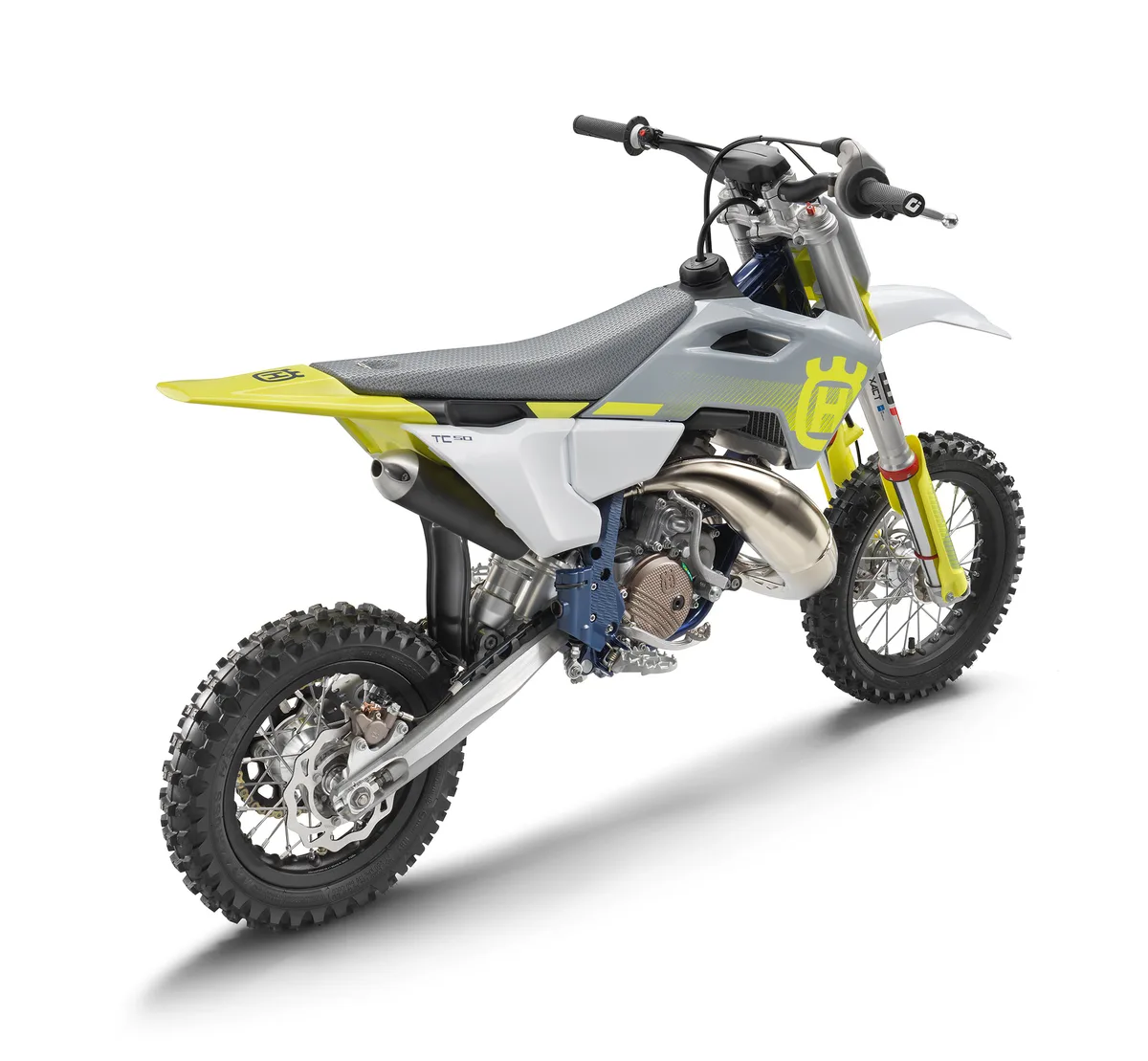
- TC 250: A staple in the motocross world, the TC 250 is known for its potent two-stroke engine and agile handling. It represents Husqvarna's commitment to competitive motocross performance.
- WR 125: This two-stroke enduro machine was a favorite among riders seeking a lightweight and nimble bike for tackling challenging trails. Its responsive engine and capable suspension made it a formidable competitor in the enduro scene.
- 701 Supermoto: This single-cylinder supermoto bike delivers a unique riding experience with its torquey engine and sharp handling. It showcases Husqvarna's versatility and its ability to create exciting machines for both on- and off-road use.
Buying Advice for Husqvarna
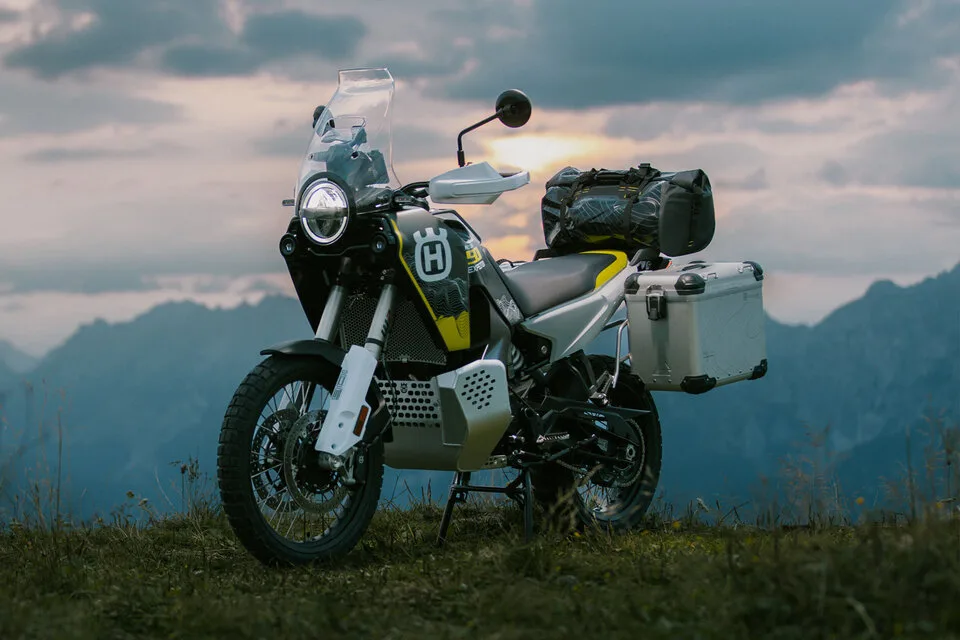
Husqvarna motorcycles are well-suited for riders who prioritize performance, handling, and a distinctive design aesthetic. The brand caters to a wide range of riding styles, from motocross and enduro to supermoto and dual-sport. Their commitment to lightweight construction and advanced technology makes them a popular choice among experienced riders seeking a competitive edge.
Here's a breakdown of Husqvarna models by budget tier:
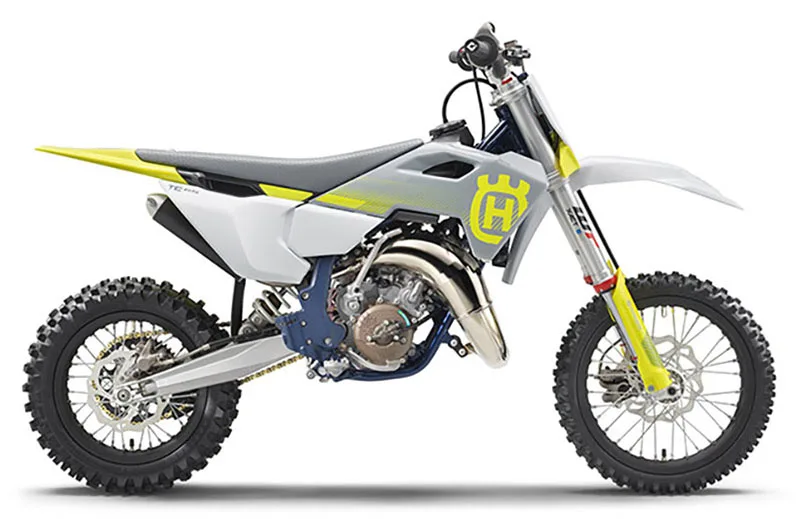
- Entry-Level: While "entry-level" might be a misnomer for Husqvarna, models like the TC 125 offer a relatively more accessible entry point into the brand. These smaller-displacement bikes provide a good foundation for developing riding skills and experiencing the Husqvarna feel. Expect to pay around $8,000 - $9,000 for a new TC 125.
- Mid-Range: The heart of the Husqvarna lineup lies in the mid-range, encompassing models like the FC 250 (motocross), TE 250 (enduro), and FE 350 (dual-sport). These bikes offer a significant step up in performance and technology, catering to more experienced riders. Prices typically range from $9,000 to $11,000.
- Premium: At the top of the Husqvarna range, you'll find models like the FC 450 (motocross), FE 501 (dual-sport), and 701 Supermoto. These bikes represent the pinnacle of Husqvarna's engineering and technology, offering maximum performance and features. Expect to pay upwards of $11,000 for these premium models.
Maintenance and long-term ownership of a Husqvarna motorcycle require attention to detail and adherence to the manufacturer's recommended service intervals. Regular oil changes, air filter cleaning, and chain maintenance are crucial for ensuring optimal performance and longevity. Due to the performance-oriented nature of these machines, some components may require more frequent replacement compared to more conservatively engineered motorcycles. For example, a high-strung 250cc two-stroke like the 2023 TC 250, producing around 49 hp, will require more frequent top-end rebuilds than a comparable four-stroke machine from a competitor like Yamaha. Access to parts and service is generally good due to the KTM connection, but it's important to factor in the potential for higher maintenance costs compared to some other brands.
📌 This content is AI-assisted with editorial review.