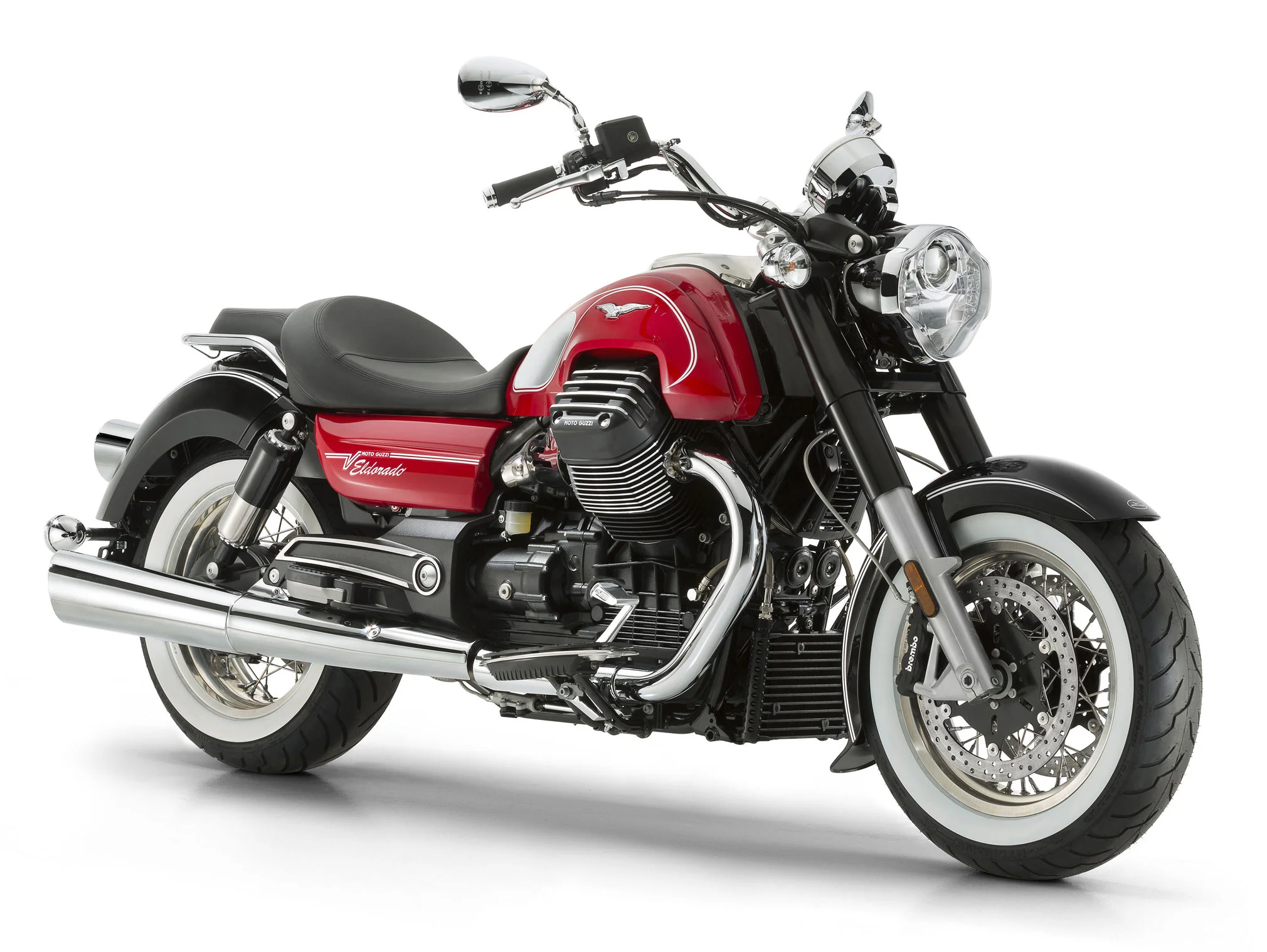
Moto Guzzi Brand History
Moto Guzzi, a name synonymous with Italian motorcycle heritage, was founded in 1921 in Genoa, Italy. The company was the brainchild of Carlo Guzzi, Giorgio Parodi, and Giovanni Ravelli, three friends who served in the Italian Air Force during World War I. Their vision was to create a motorcycle company that reflected their shared passion for engineering and speed. The iconic eagle logo, which remains a symbol of Moto Guzzi to this day, was chosen in remembrance of Ravelli, who tragically died in a plane crash shortly after the war.
The Normale, launched in 1921, was Moto Guzzi's first production motorcycle. It was a single-cylinder, 499cc machine that immediately established the brand's reputation for reliability and innovative engineering. Its success laid the foundation for decades of motorcycle production. The Normale was important because it demonstrated the feasibility of Guzzi's vision and showed that a robust, functional motorcycle could be built and sold successfully.
Here are a few key milestones in Moto Guzzi's history:
- 1939: The introduction of the Airone 250, a mid-sized motorcycle that became one of Italy's most popular bikes in the post-war era. It solidified Guzzi's position as a mainstream manufacturer.
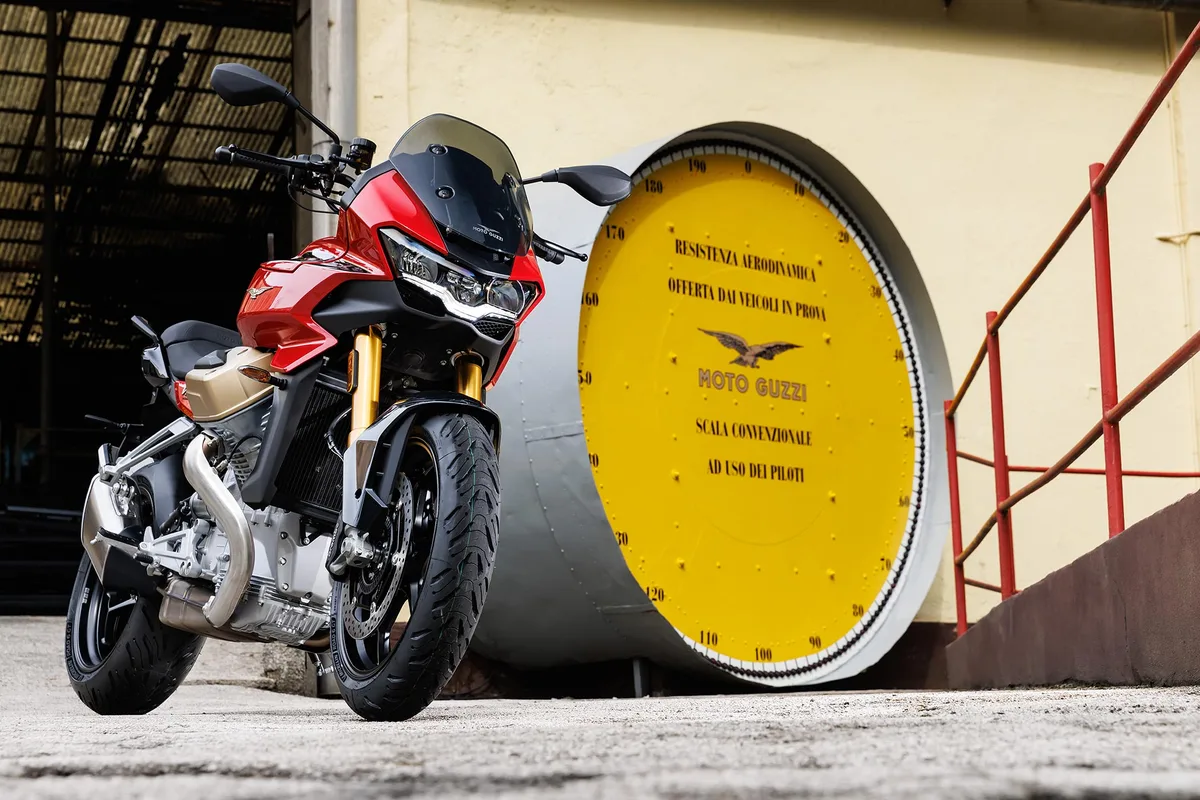
- 1955: The development of the wind tunnel, the first of its kind used specifically for motorcycle design. This demonstrated Guzzi's commitment to aerodynamic efficiency and innovation, influencing motorcycle design worldwide.
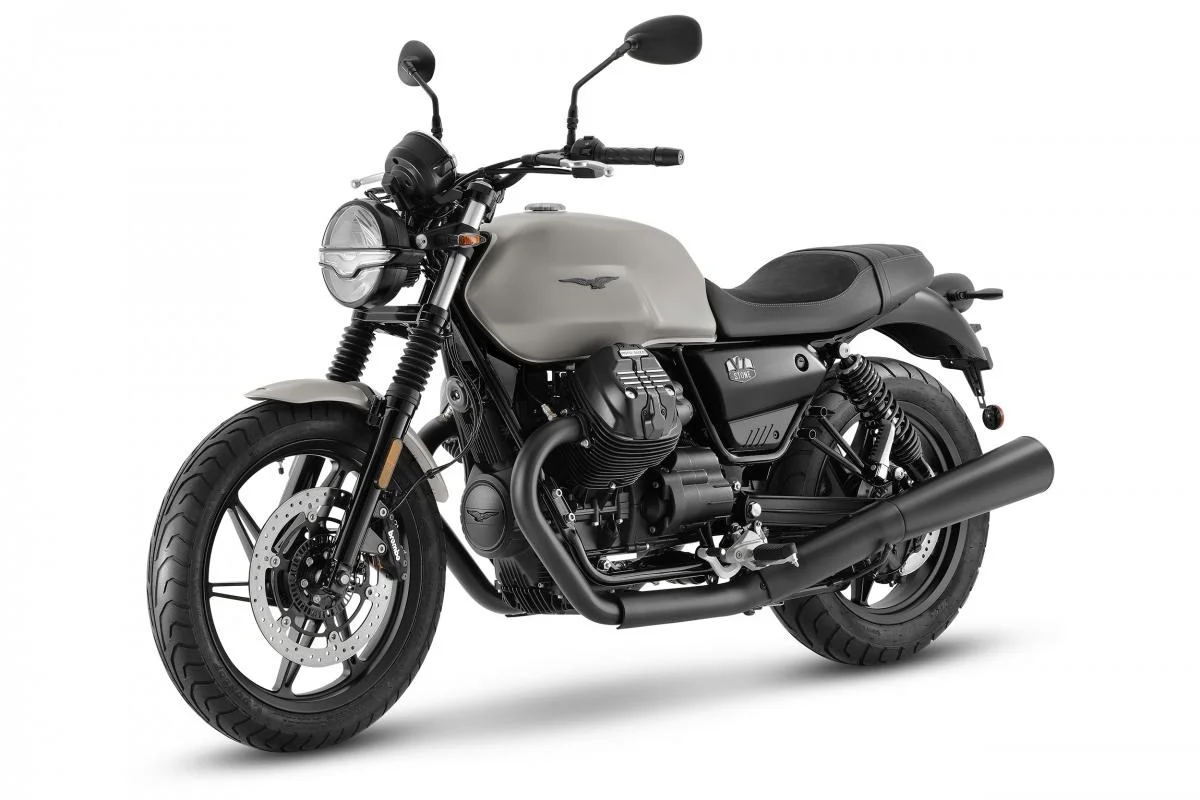
- 1967: The unveiling of the V7, marking the beginning of Moto Guzzi's signature V-twin engine configuration. The V7's 703cc engine would become the basis for many subsequent models.
- 2000: Moto Guzzi is acquired by Aprilia, which is later taken over by the Piaggio Group in 2004. This acquisition provided much-needed financial stability and allowed for reinvestment in new models and technologies.
Moto Guzzi Philosophy and Engineering
Moto Guzzi's manufacturing philosophy centers on creating motorcycles with character, combining classic Italian design with robust engineering. They prioritize a tactile riding experience and a connection between rider and machine over chasing outright performance figures. There’s a deliberate emphasis on the mechanical feel and sound of the engine, contributing to a unique sensory experience.
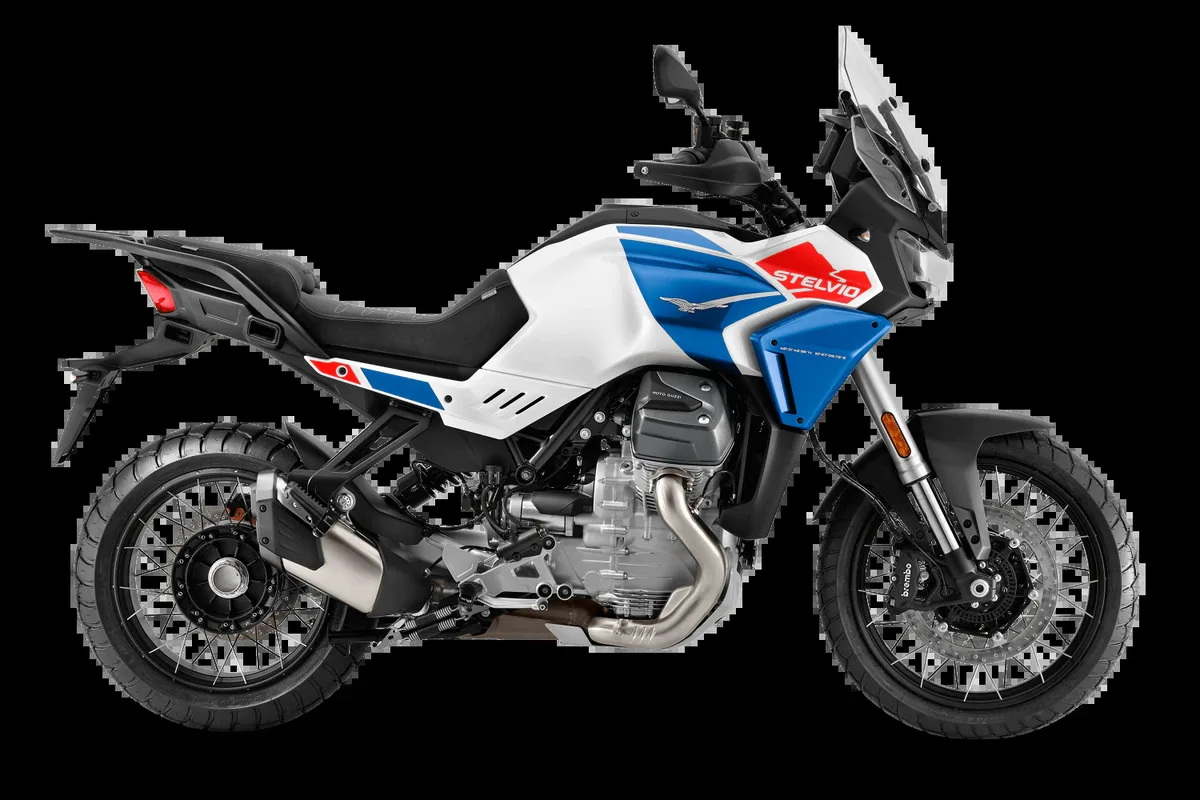
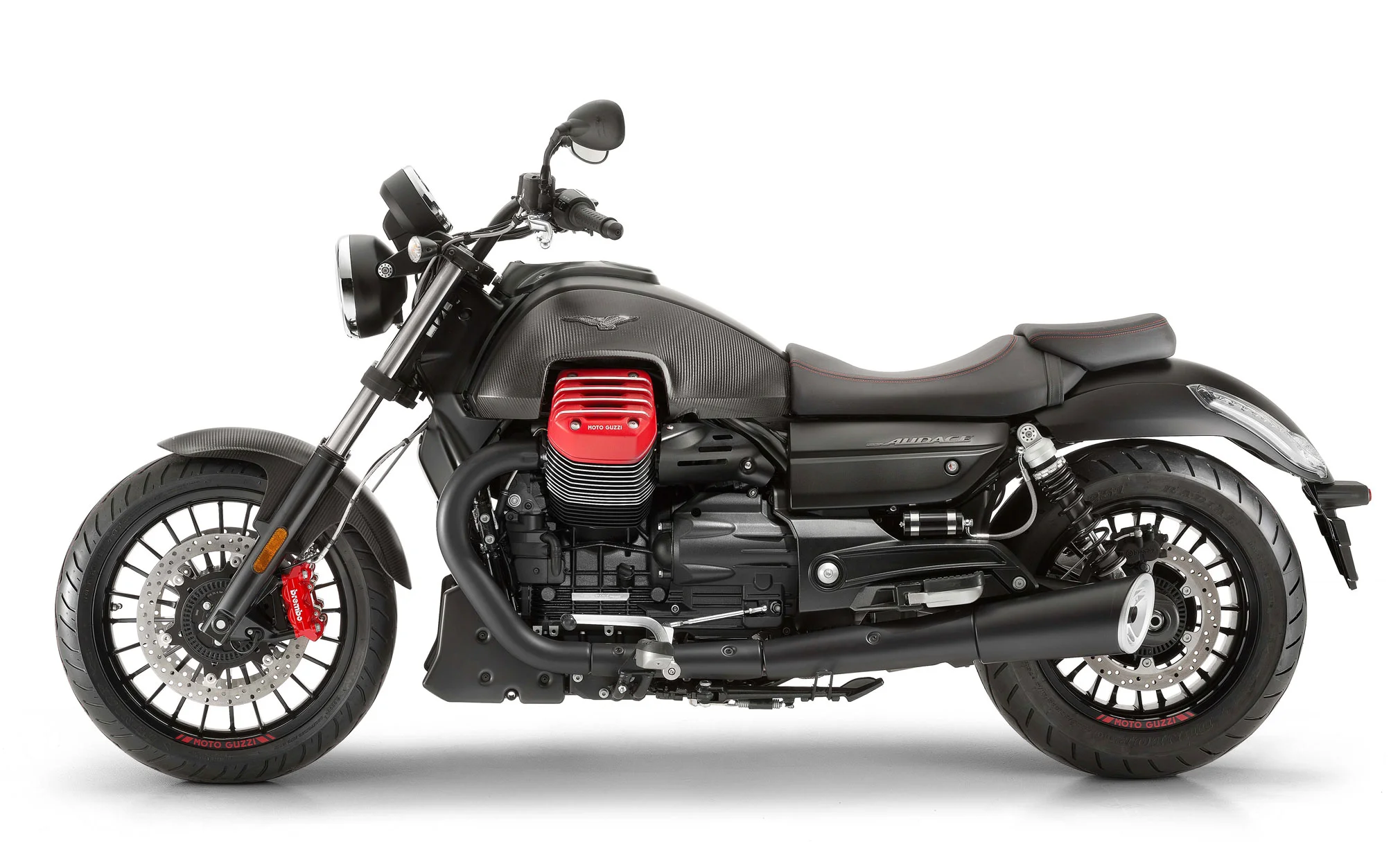
Moto Guzzi's engineering approach is defined by its distinctive engine configurations, particularly the transverse V-twin. This engine layout, with the cylinders protruding horizontally, is not just a visual trademark but also contributes to the bike's low center of gravity and unique handling characteristics. While other manufacturers focus on inline-four engines for smoothness or parallel-twins for compactness, Moto Guzzi has remained committed to its V-twin heritage. Their chassis designs often feature tubular steel frames, prioritizing stability and predictable handling. Electronics, while present in modern Guzzis, are typically implemented to enhance the riding experience without overwhelming the rider with complex systems.
Two key differentiators for Moto Guzzi are:
- The Transverse V-Twin Engine: As mentioned, this is a defining feature. The engine's layout provides a distinctive feel and sound, and its accessible torque curve makes for a pleasant riding experience, especially on winding roads.
- Shaft Drive: Unlike many competitors that use chain or belt drives, Moto Guzzi often employs shaft drive. This system requires less maintenance and offers a smoother, more direct power delivery.
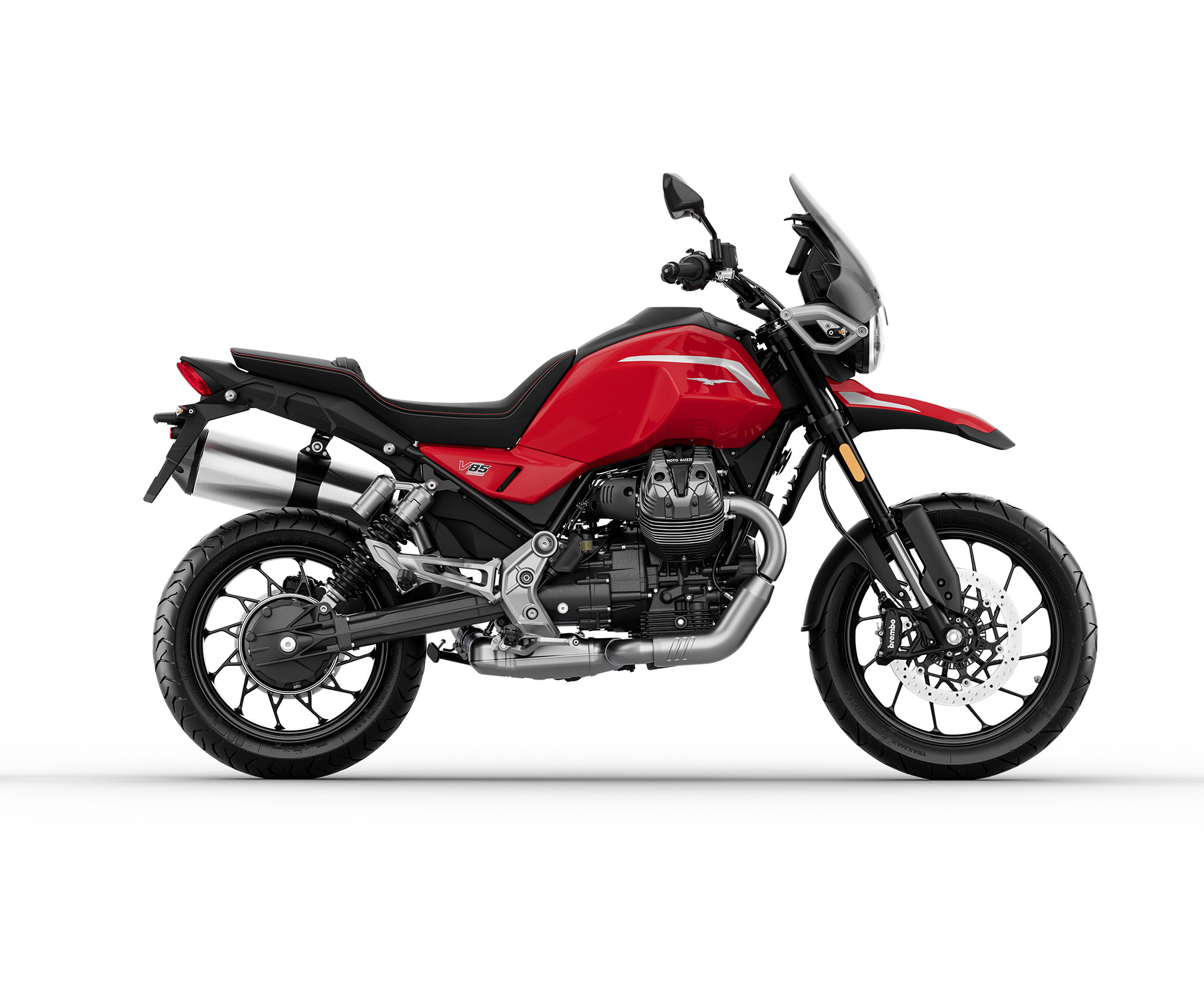
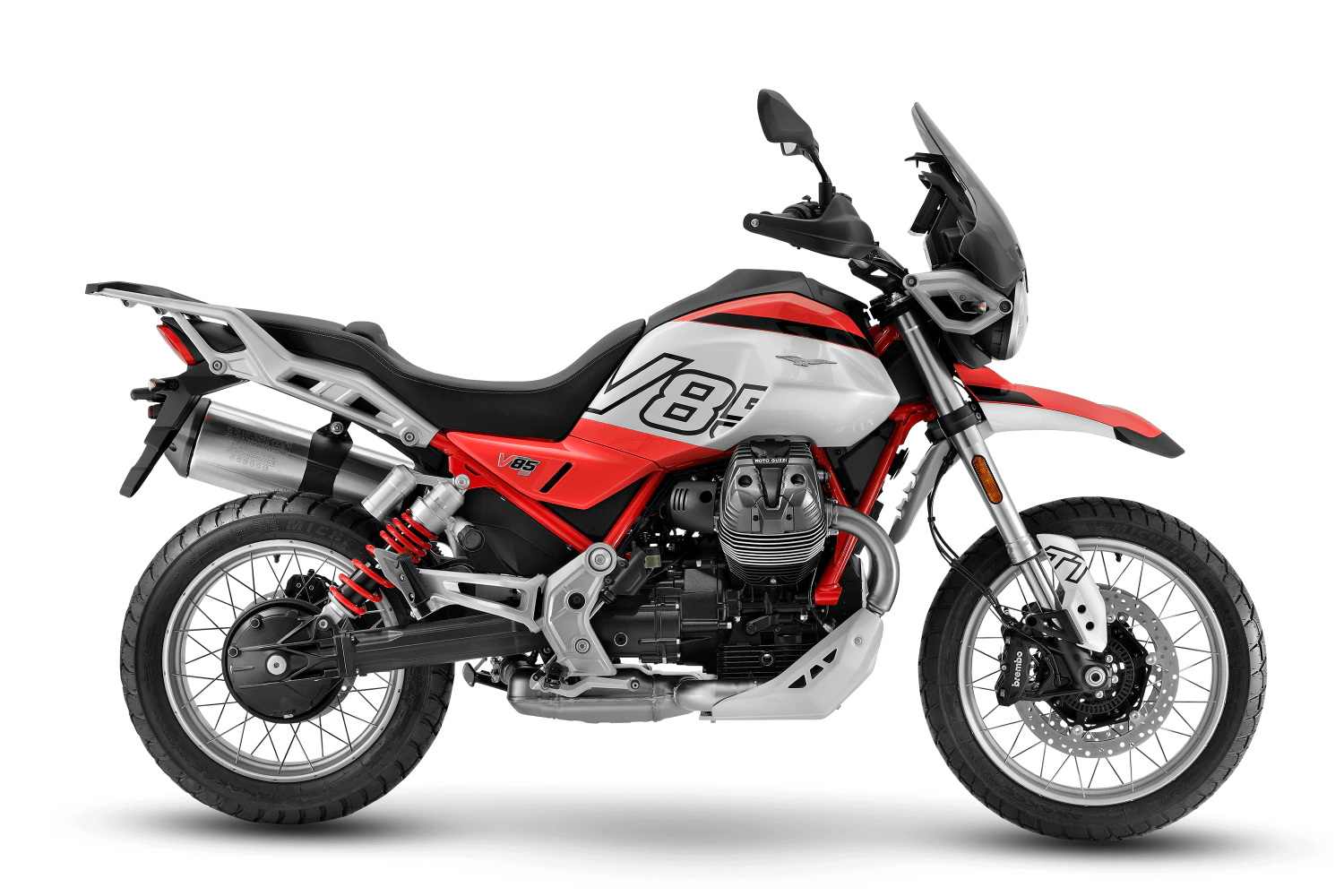
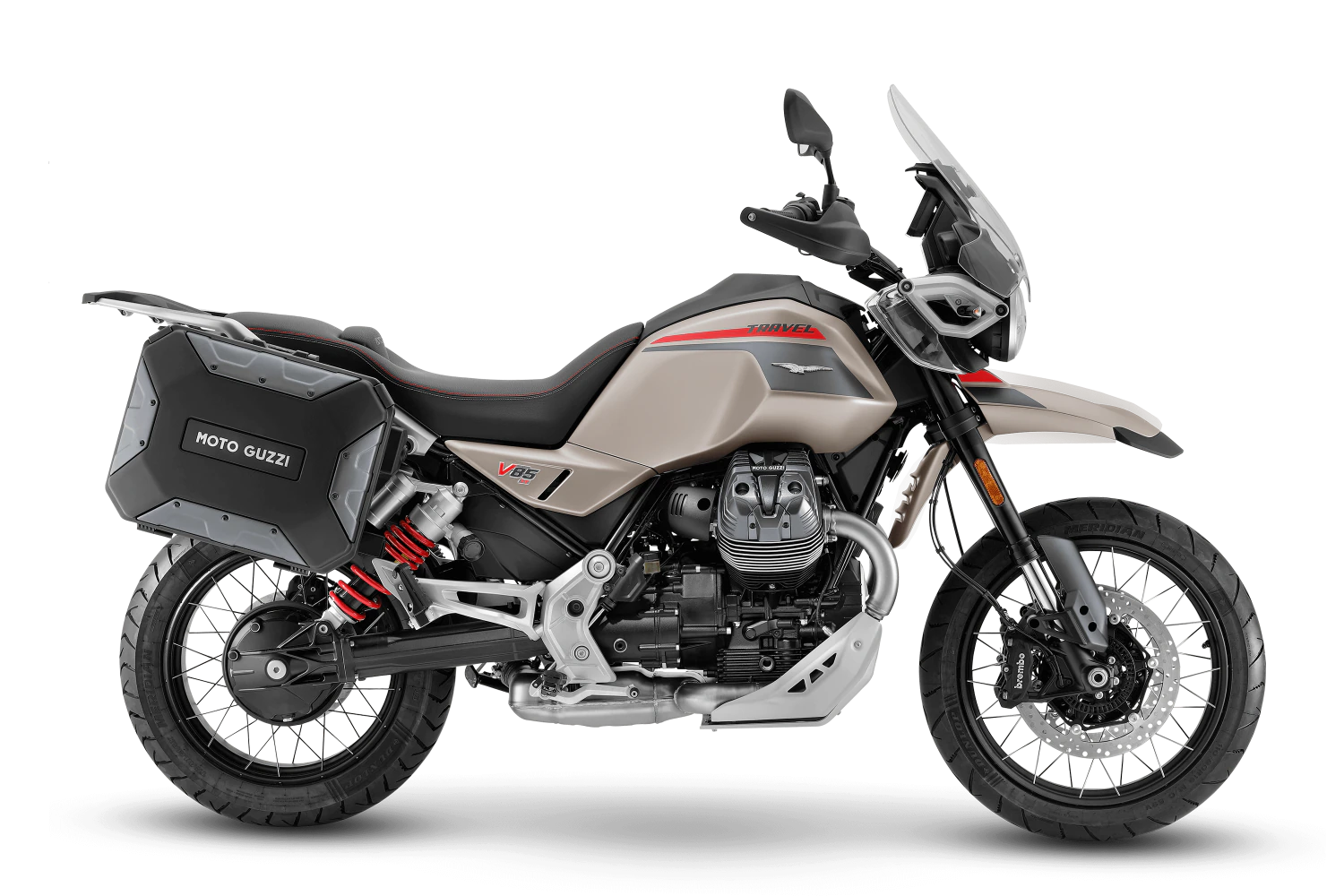
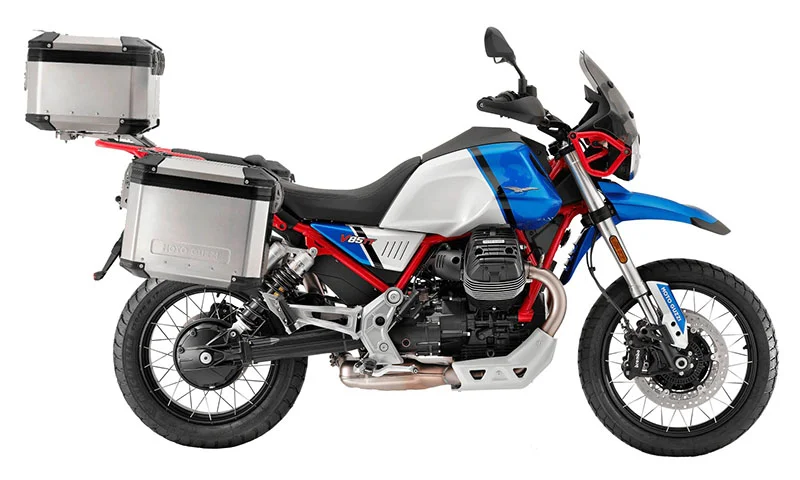
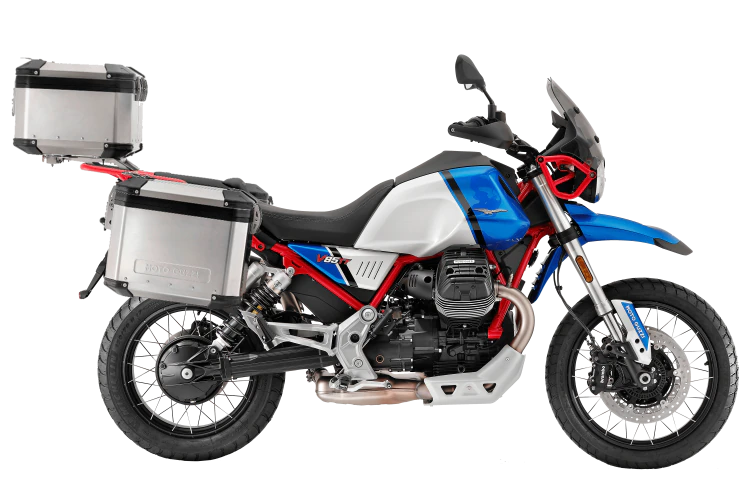
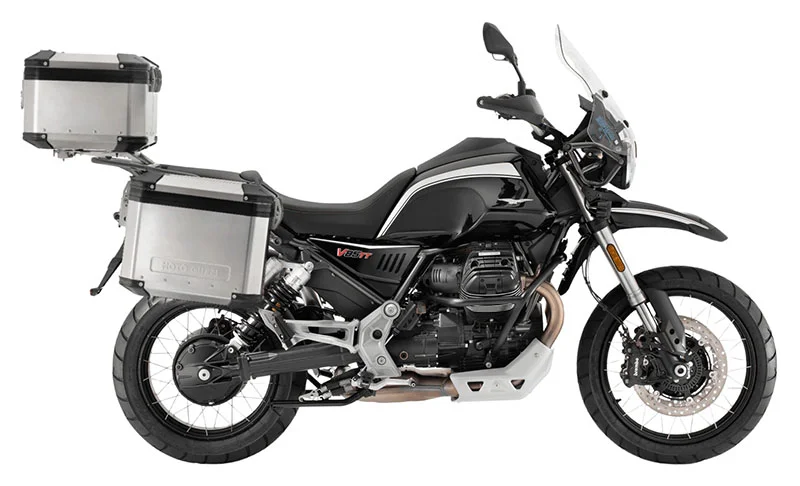
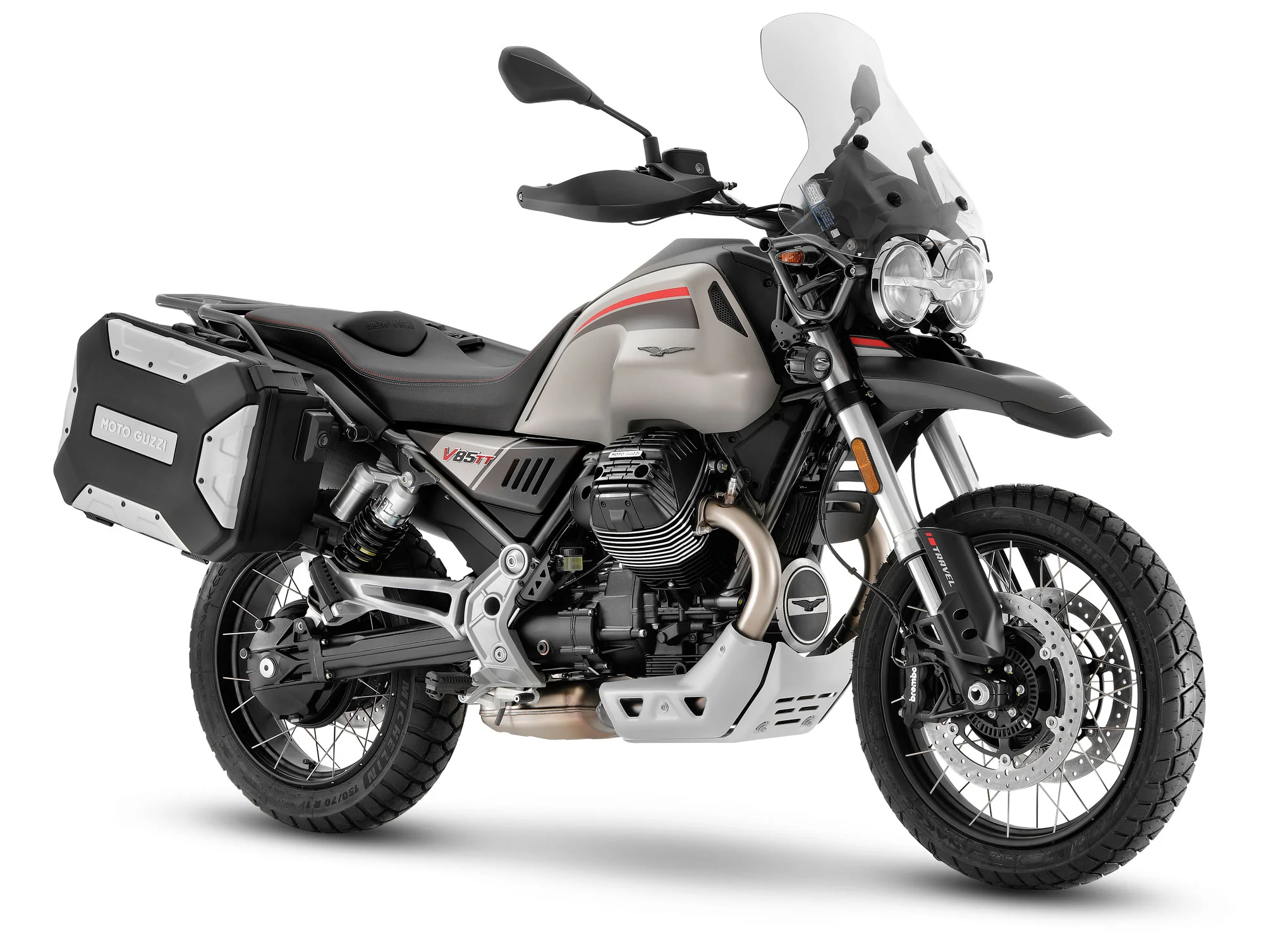
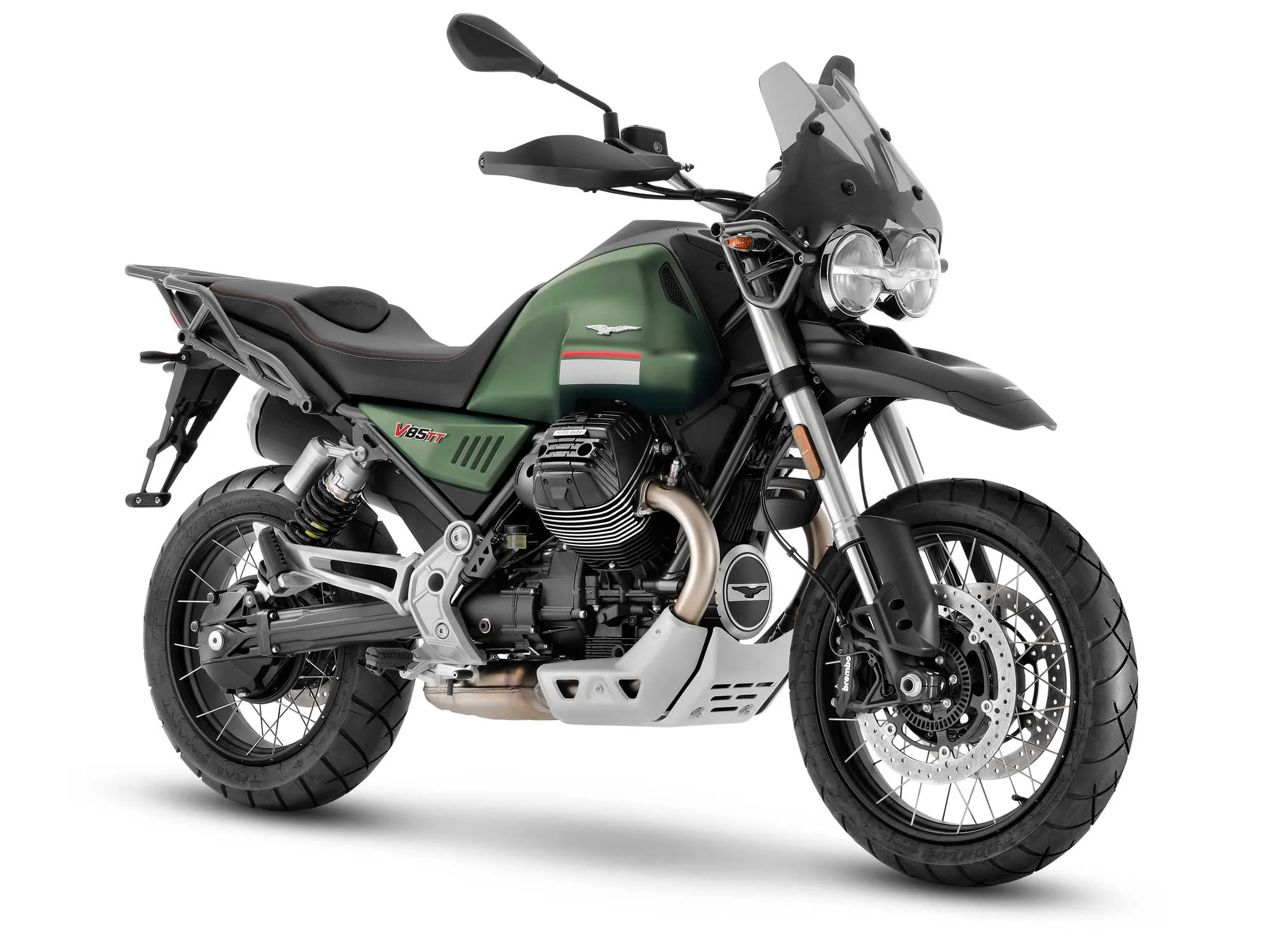
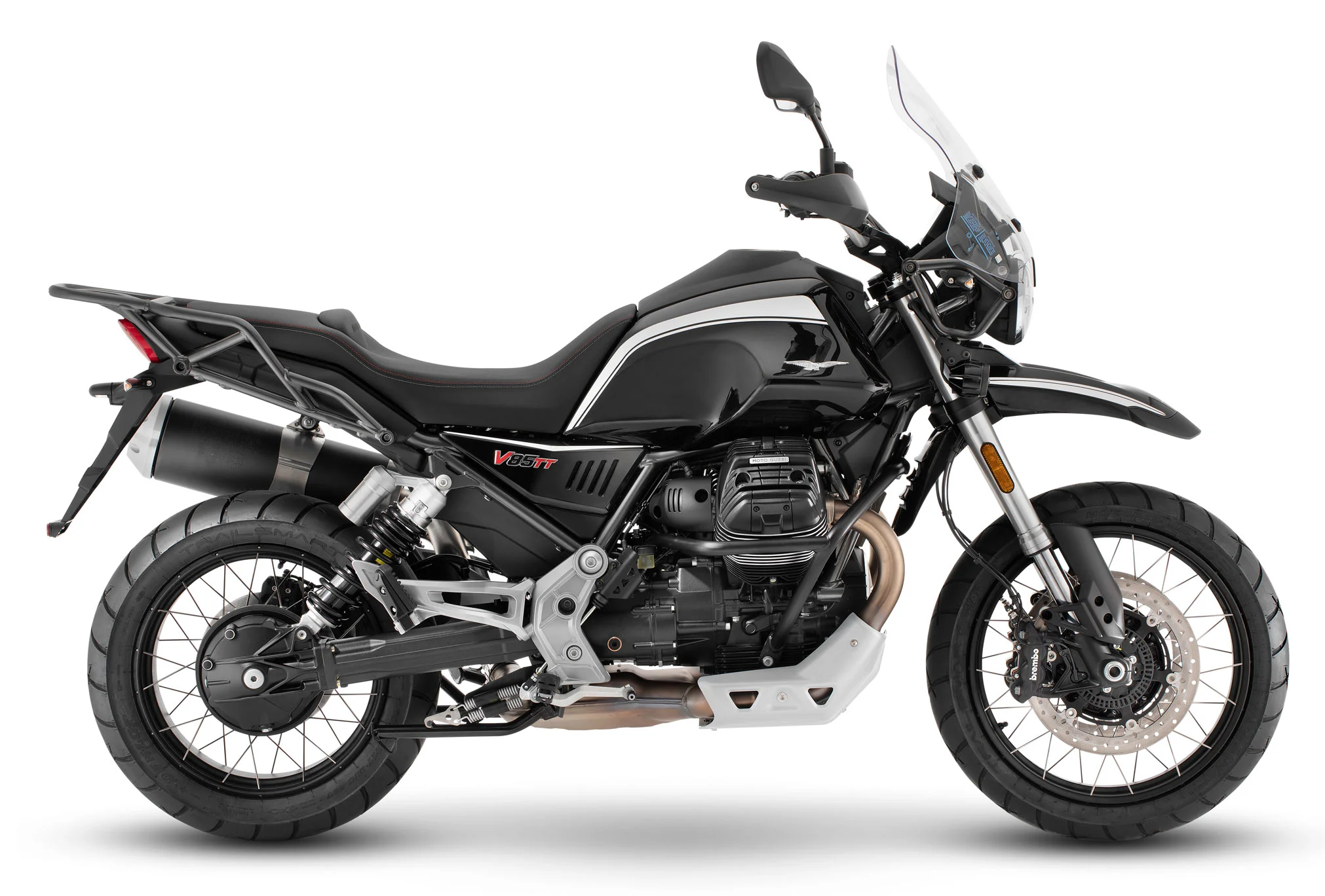
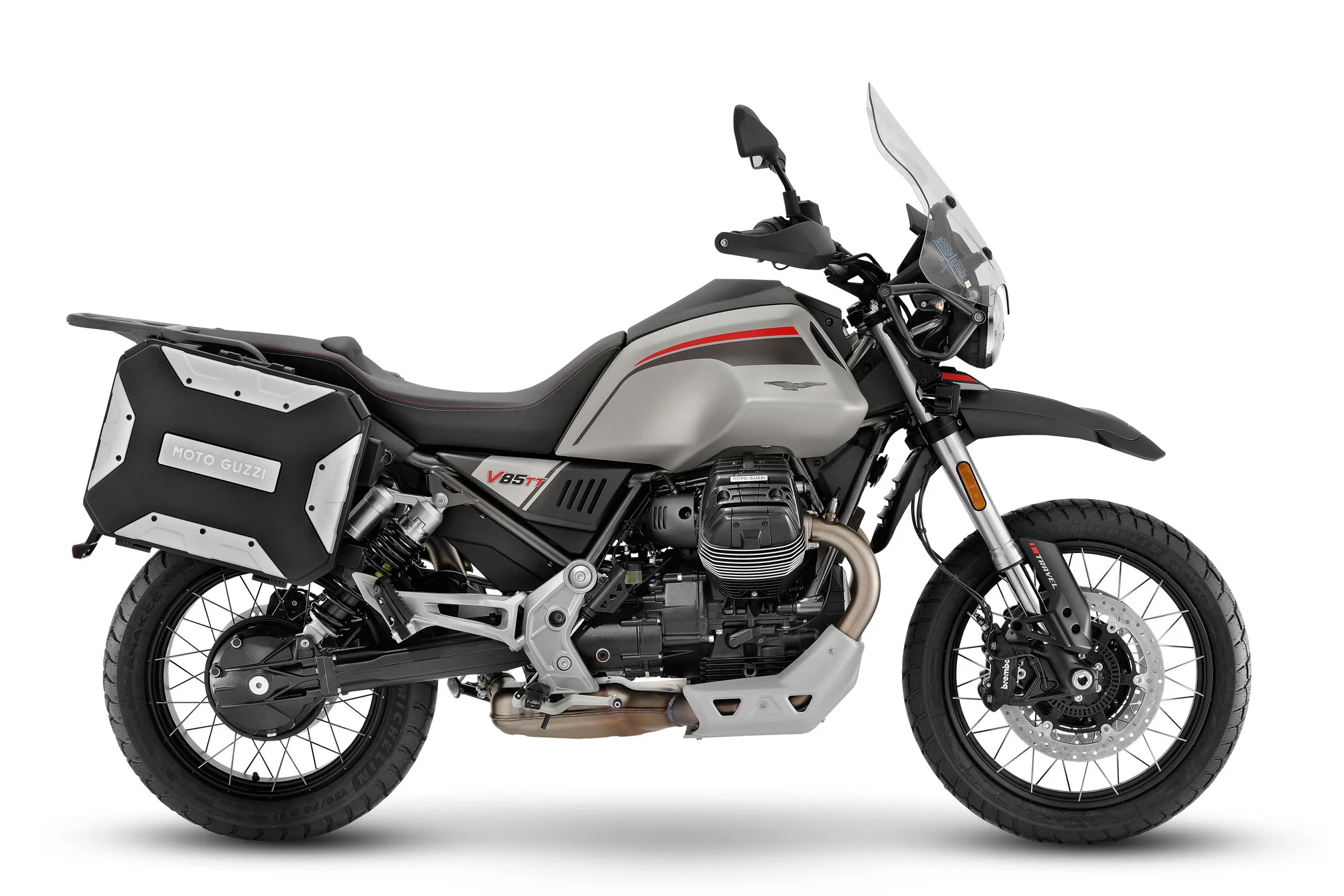
Consider the V85 TT compared to a BMW R nineT Scrambler. Both bikes target a similar rider looking for a blend of classic style and modern functionality. However, the BMW relies on a boxer engine and Paralever suspension, offering a different feel and slightly more modern technology. The Guzzi, with its V-twin and shaft drive, provides a more raw and visceral experience.
Moto Guzzi Global Presence
Moto Guzzi enjoys a global presence, with significant markets in Europe (especially Italy, France, and Germany), North America, and Australia. The dealer network is well-established in these regions, offering sales, service, and parts support. While not as extensive as some Japanese manufacturers, the network is sufficient to cater to the brand's customer base.
Moto Guzzi has a rich racing heritage, particularly in the early years of Grand Prix motorcycle racing. The company achieved significant success in the 1950s, winning multiple world championships with innovative designs like the V8 engine. While Moto Guzzi is not currently a major player in professional racing, its historical achievements continue to inspire and influence its brand image.
Moto Guzzi is part of the Piaggio Group, a multinational corporation that owns several other motorcycle and scooter brands, including Aprilia, Vespa, and Gilera. This ownership provides Moto Guzzi with access to resources and technologies that it might not otherwise have.
Iconic Moto Guzzi Models
Here are some of the most important models in Moto Guzzi's history:
- Falcone Sport: Produced in the 1950s, the Falcone Sport was a high-performance single-cylinder motorcycle that became a symbol of Italian style and engineering prowess. Its sleek design and brisk performance made it a popular choice for enthusiasts.
- Galetto: This scooter, produced from 1950 to 1966, was a unique blend of motorcycle and scooter design. Its large wheels and comfortable riding position made it a practical and stylish choice for urban transport.
- Lodola 175 Gran Turismo: Introduced in the late 1950s, the Lodola 175 Gran Turismo was a lightweight, sporty motorcycle that appealed to a younger generation of riders. It was known for its agile handling and reliable engine.
- V7 Sport: Launched in 1971, the V7 Sport was a groundbreaking motorcycle that showcased Moto Guzzi's engineering capabilities. Its powerful 748cc V-twin engine and sporty chassis made it a formidable competitor on the racetrack and a desirable machine for enthusiasts.
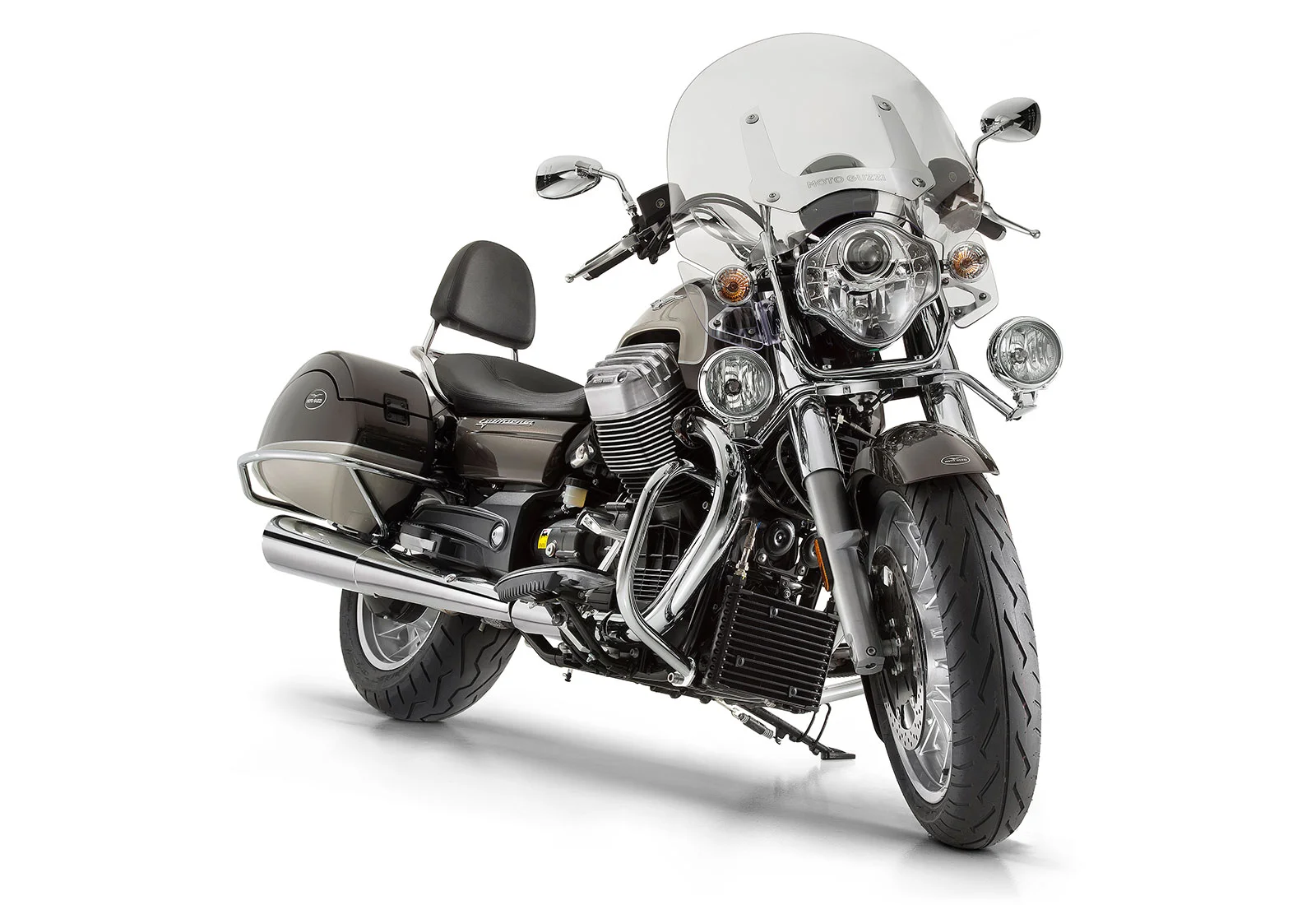
- California: First introduced in the 1970s, the California became Moto Guzzi's flagship cruiser model. Its comfortable riding position, powerful engine, and distinctive styling made it a popular choice for long-distance touring.
Buying Advice for Moto Guzzi
Moto Guzzi appeals to riders who value character, heritage, and a unique riding experience. They are often drawn to the brand's distinctive styling, the feel of the V-twin engine, and the shaft drive system. Moto Guzzi owners tend to be enthusiasts who appreciate the mechanical connection with their motorcycle and are willing to accept a slightly less refined experience in exchange for individuality.
Budget Tiers:
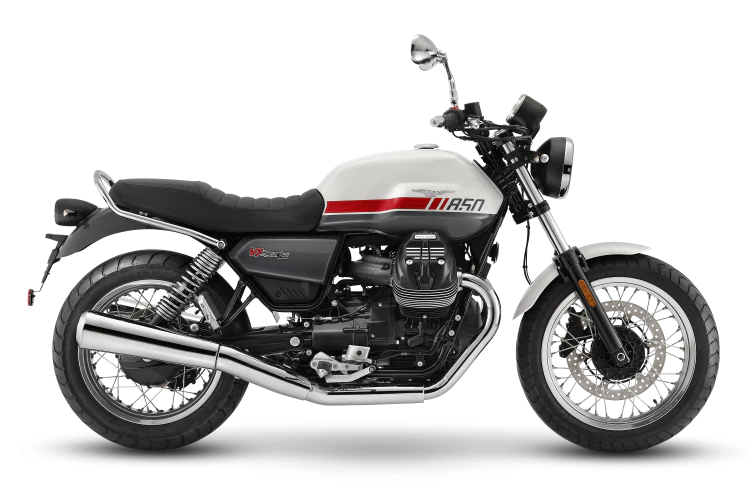
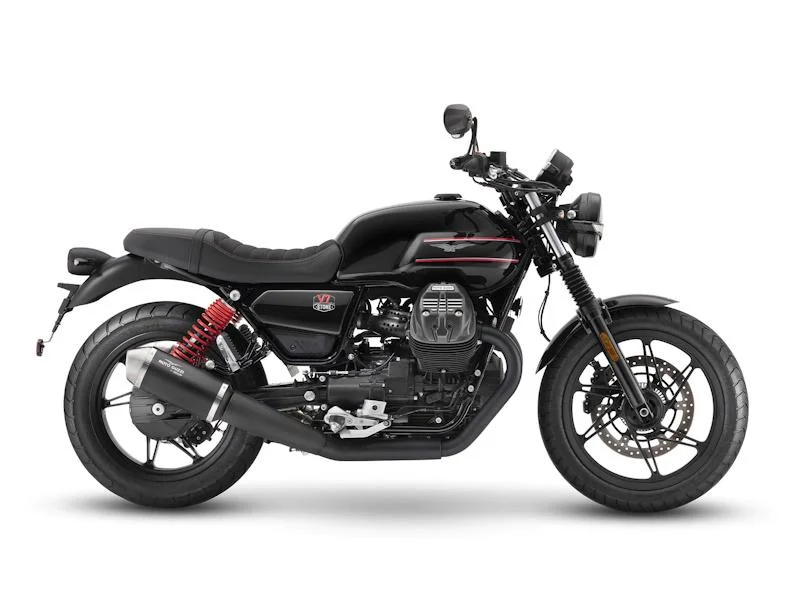
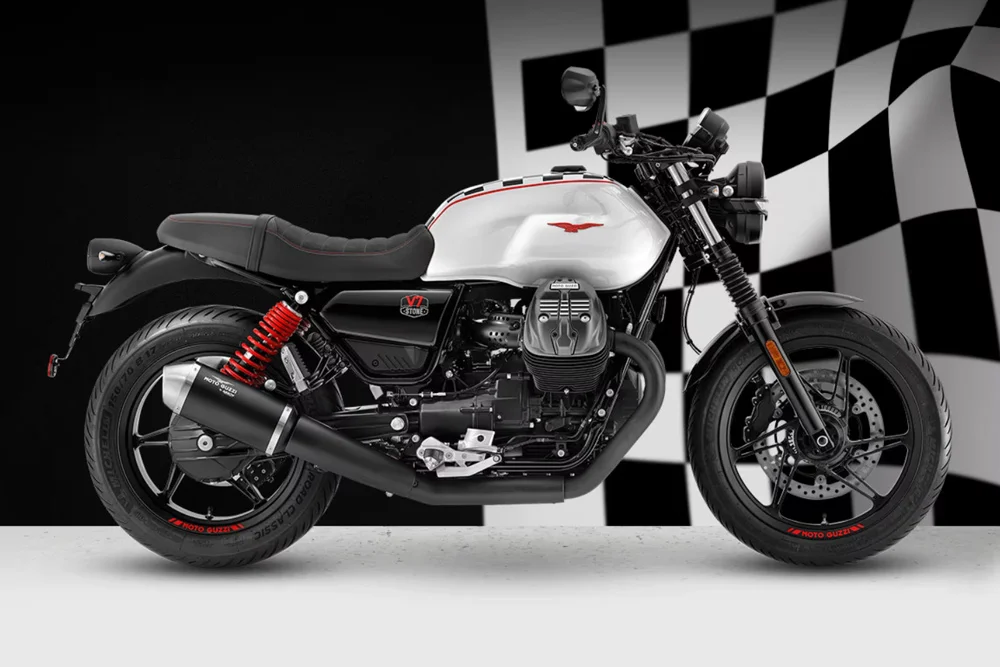
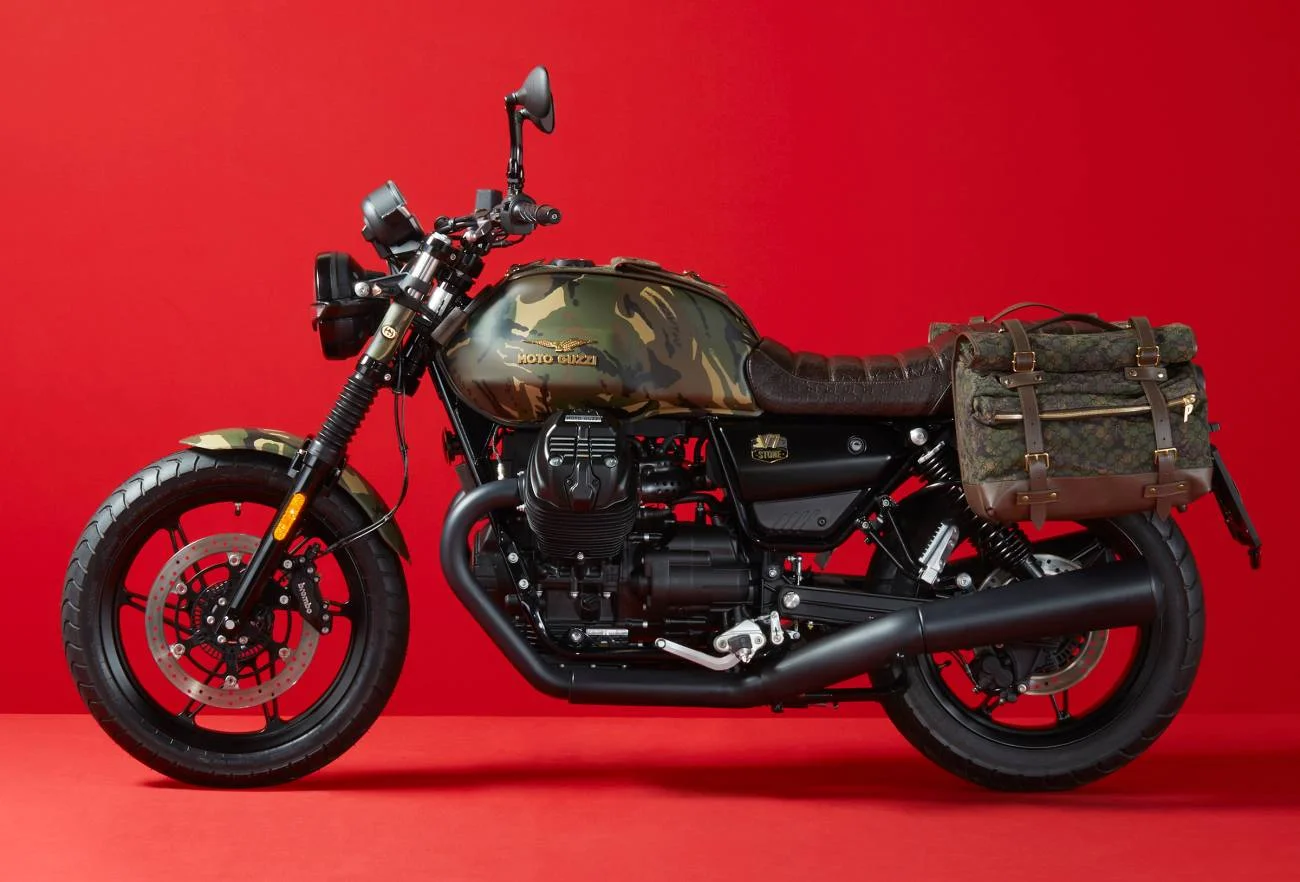
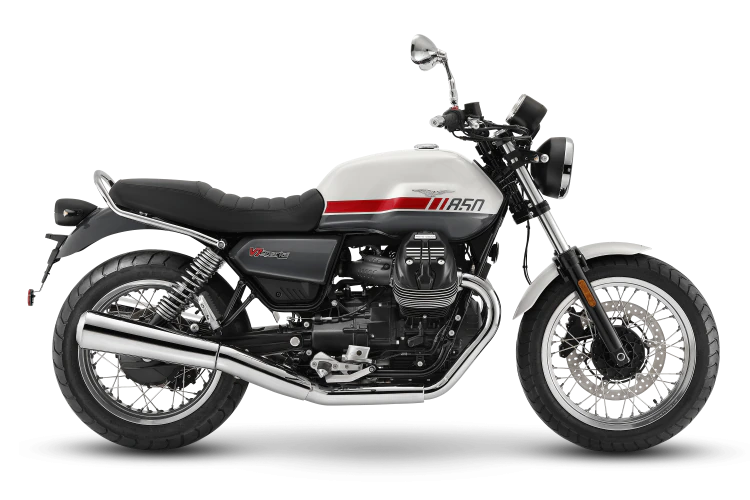
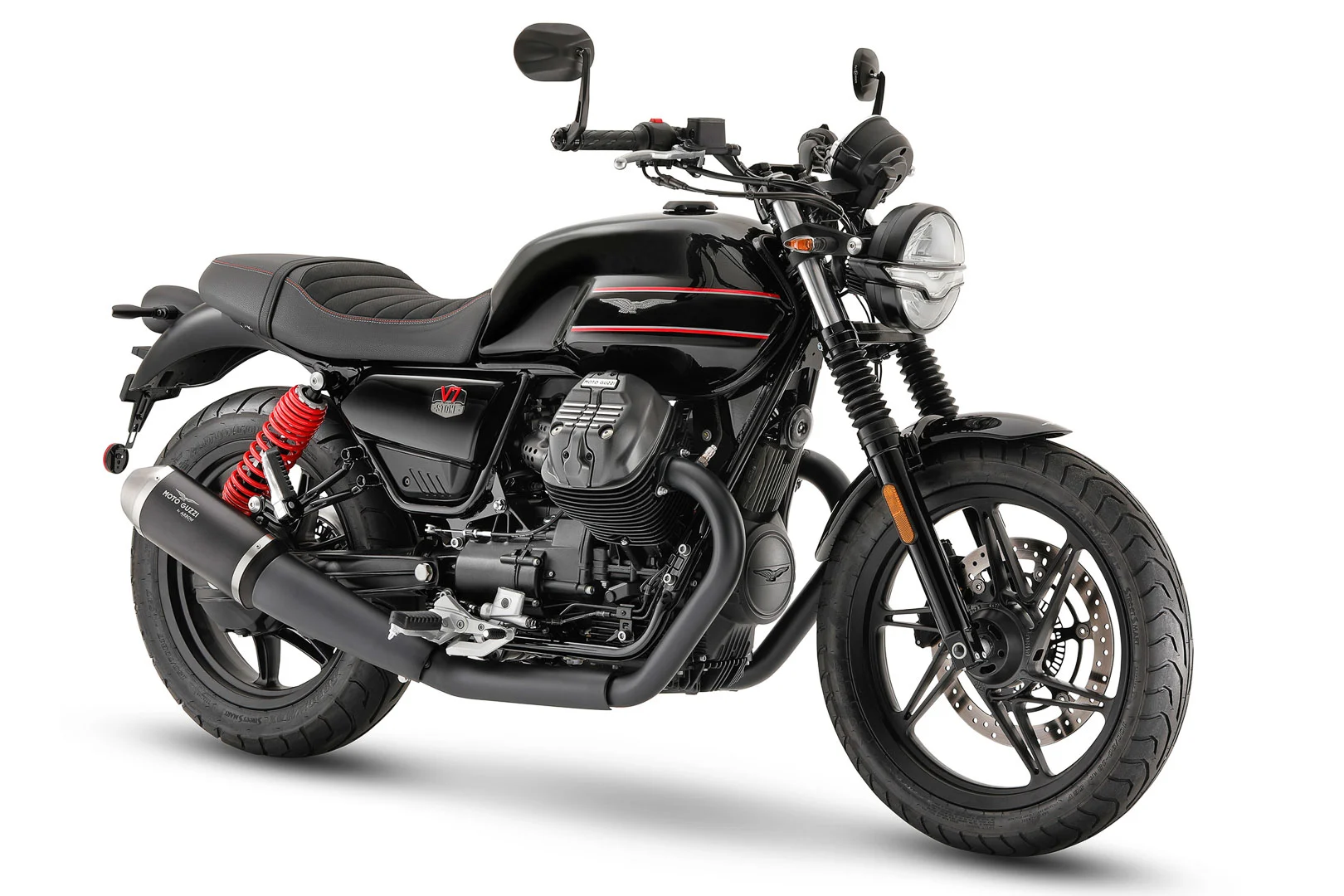
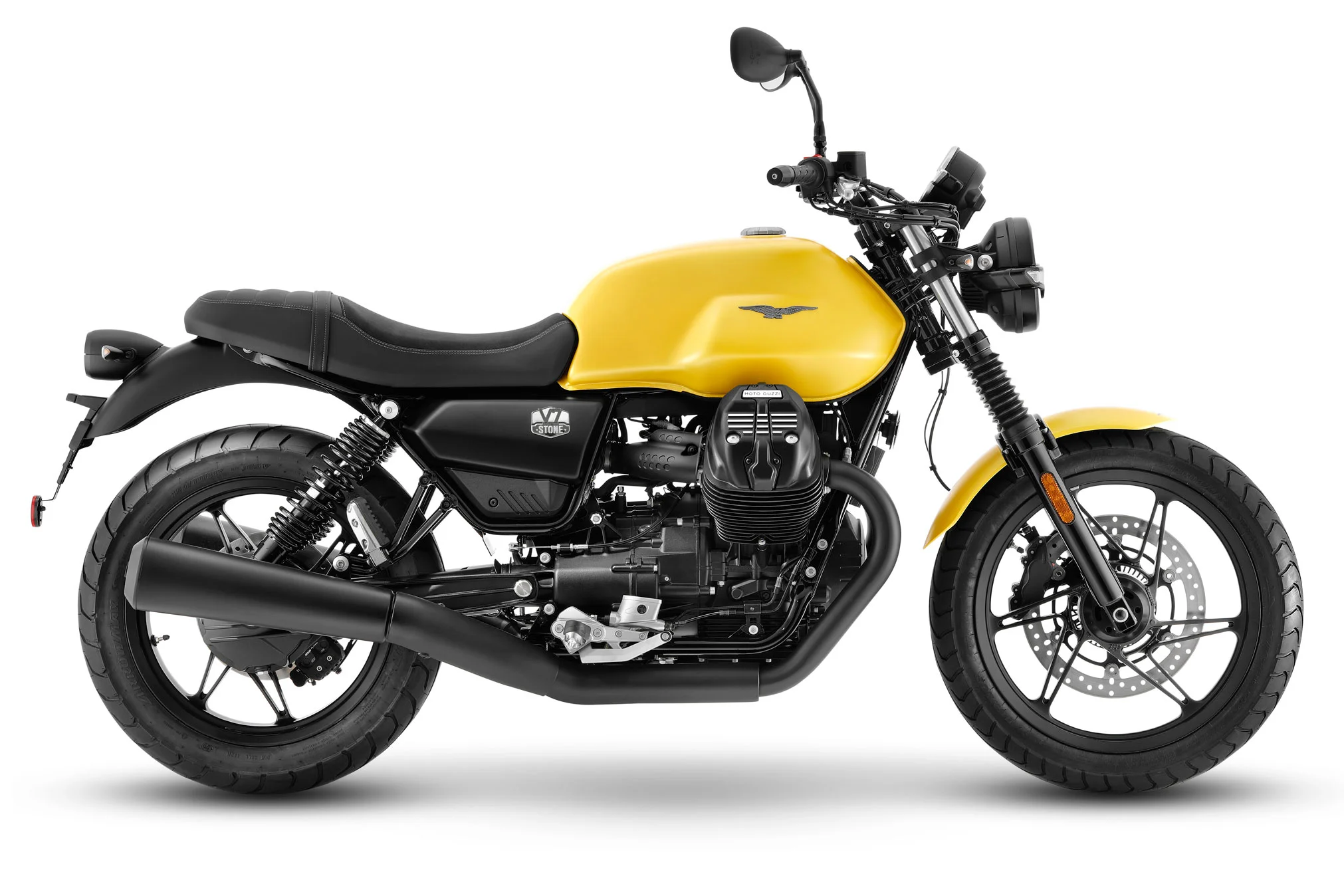
- Entry-Level: At the entry-level, models like the V7 range offer an accessible entry point into the Moto Guzzi world. These bikes provide a classic riding experience with modern reliability. Expect to pay around $9,000 - $10,000 for a new V7.
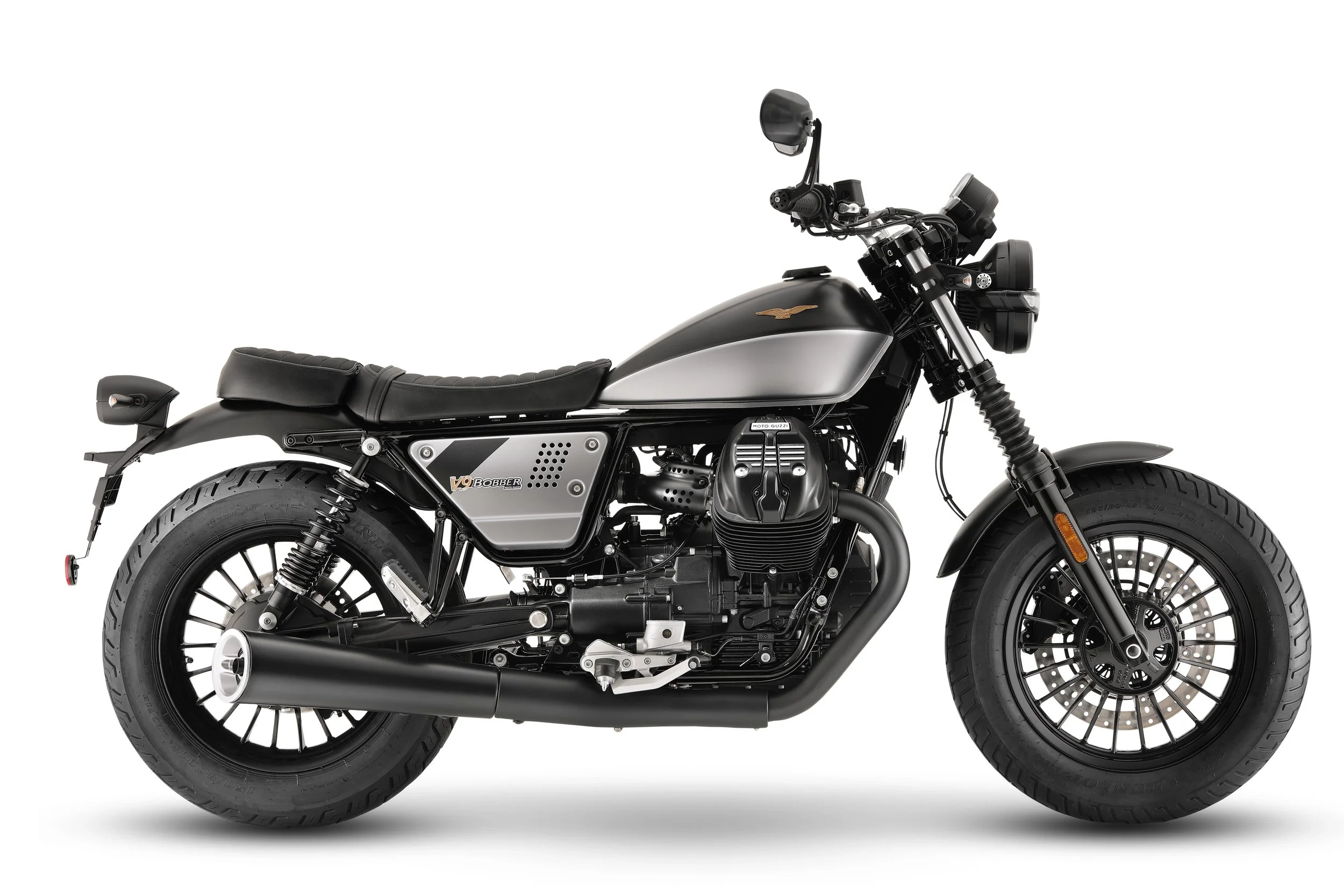
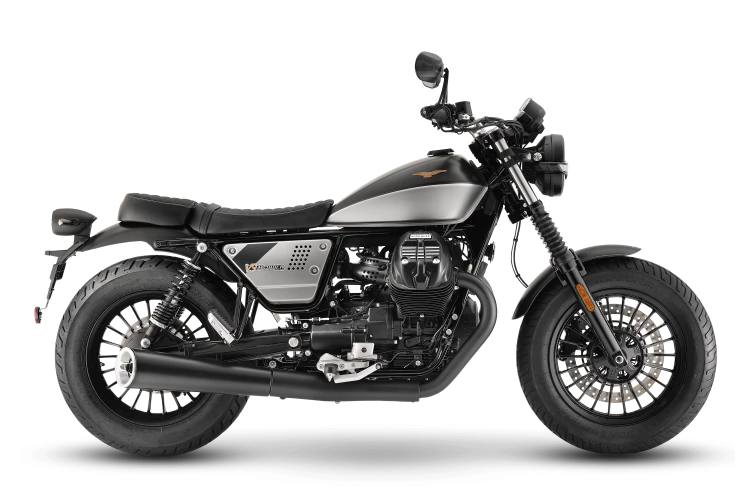
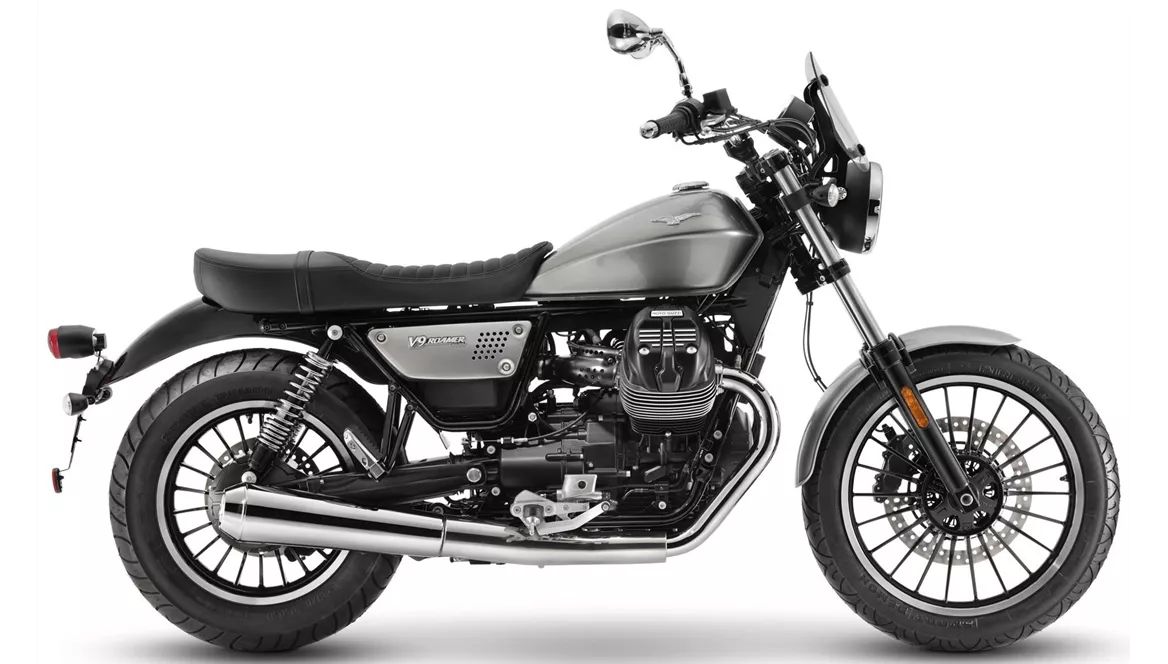
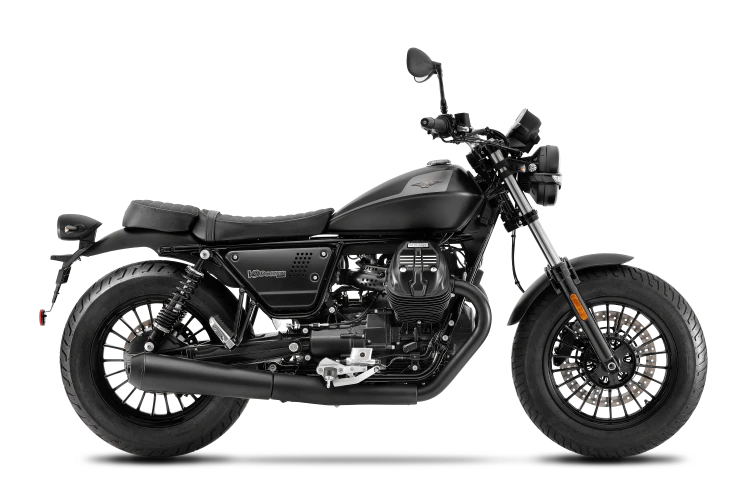
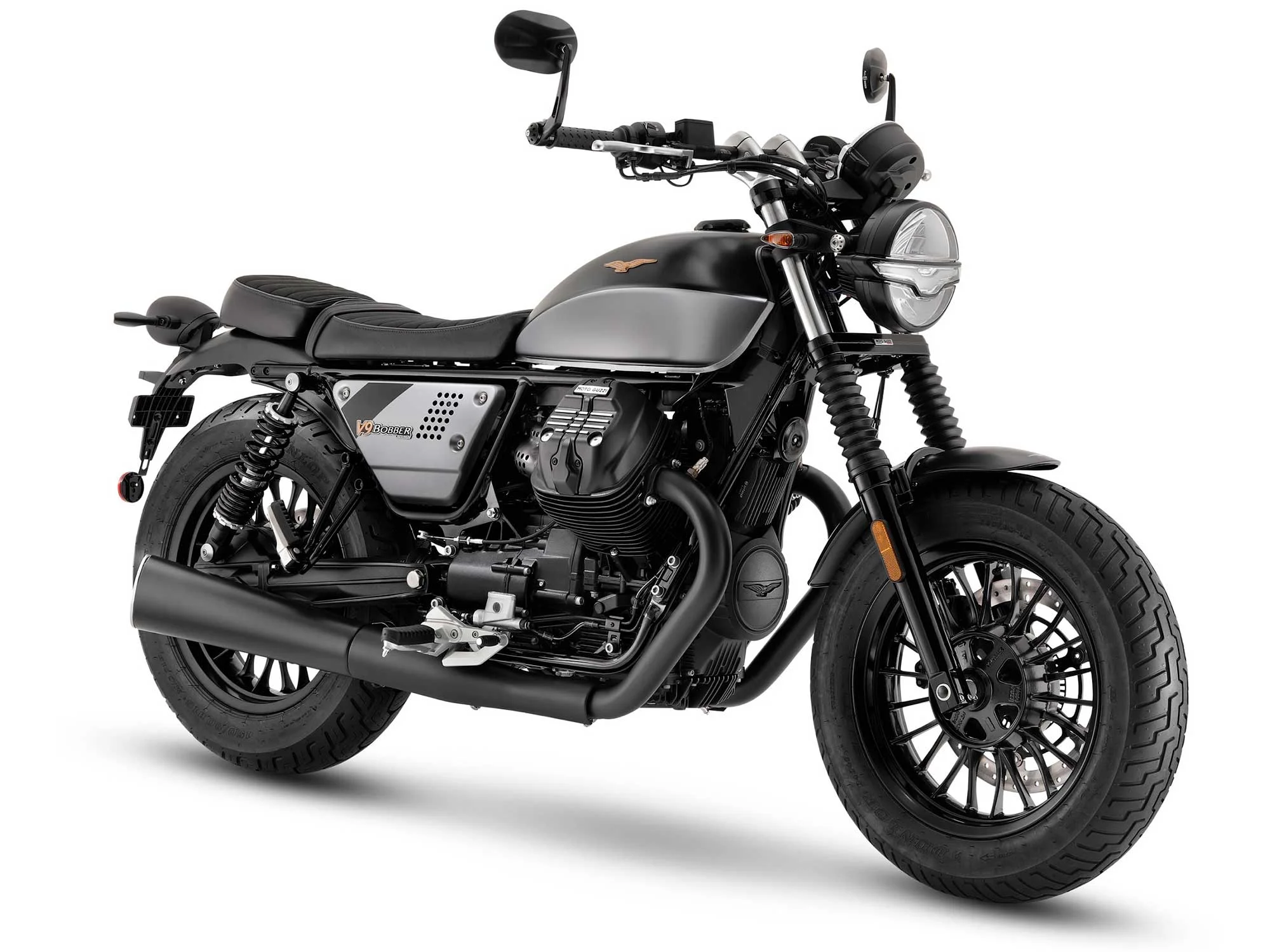
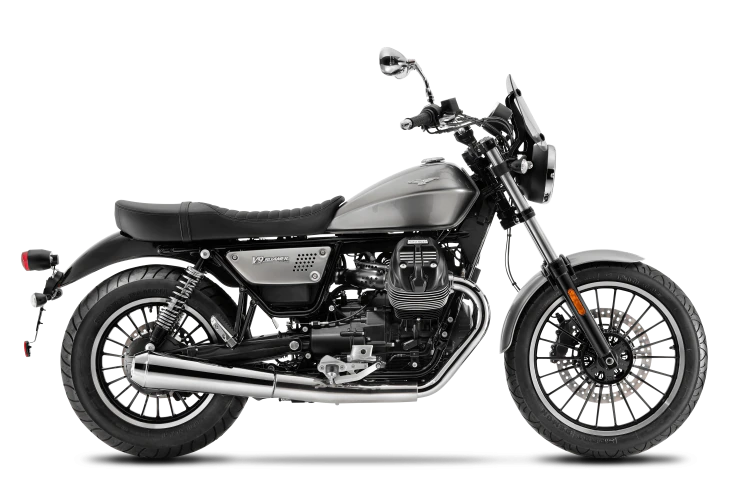
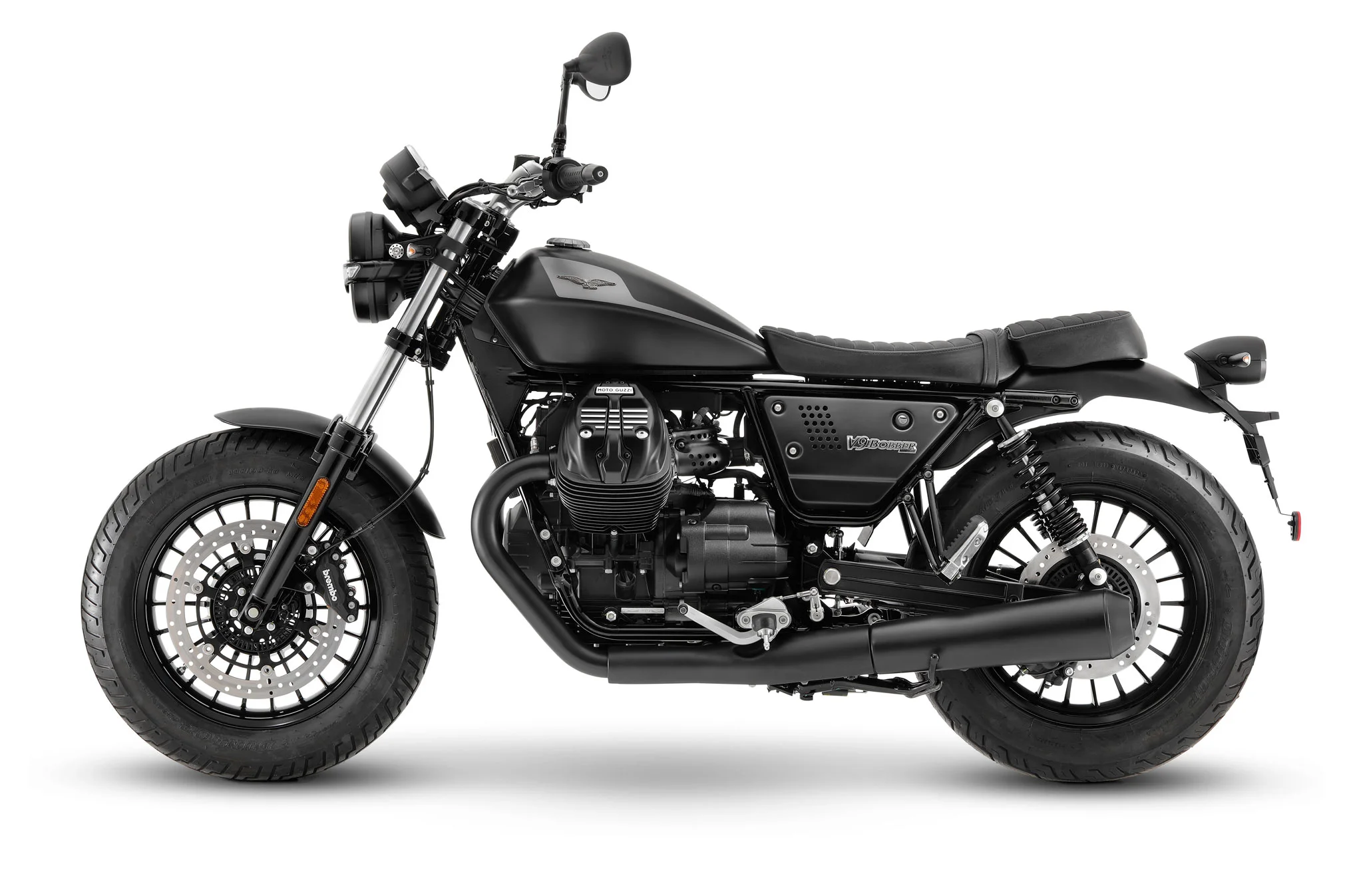
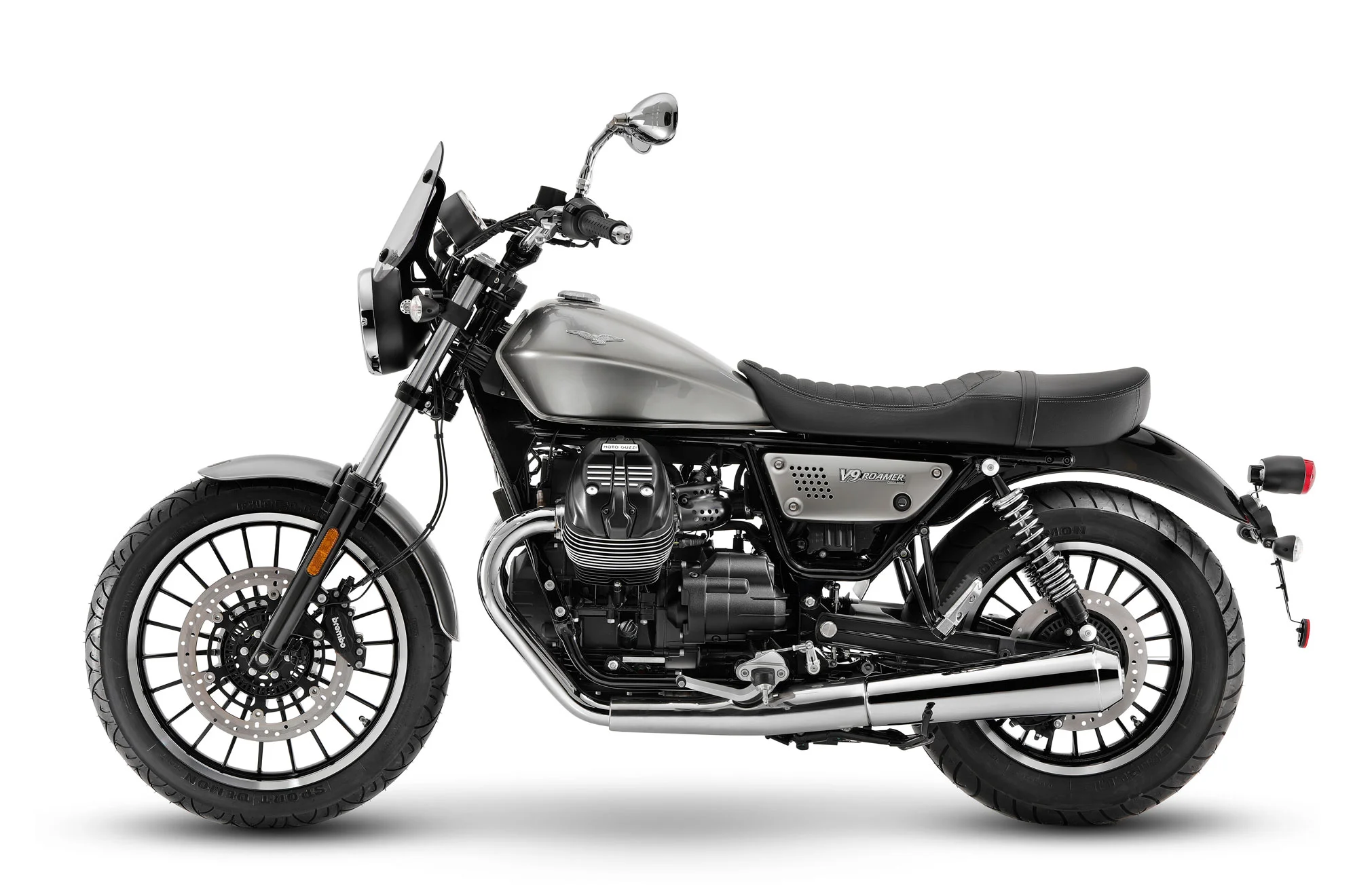
- Mid-Range: The V9 Bobber and V9 Roamer fall into the mid-range category. These models offer a blend of classic styling and modern features, with prices ranging from approximately $10,000 to $12,000. These bikes provide a more refined riding experience than the entry-level models, with improved suspension and braking.
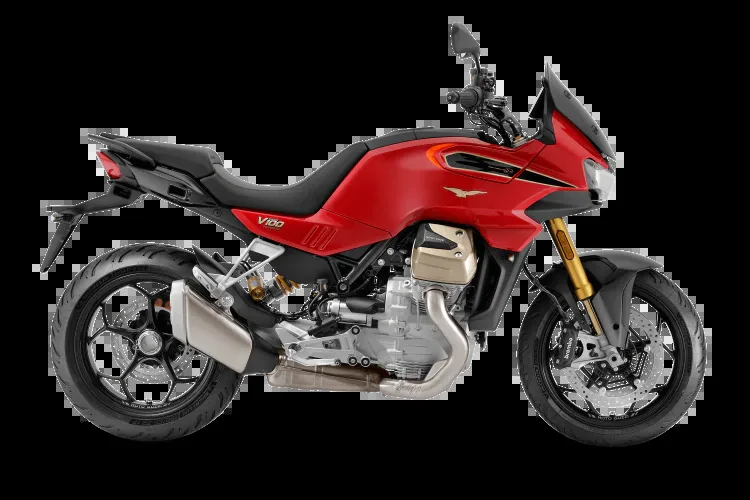
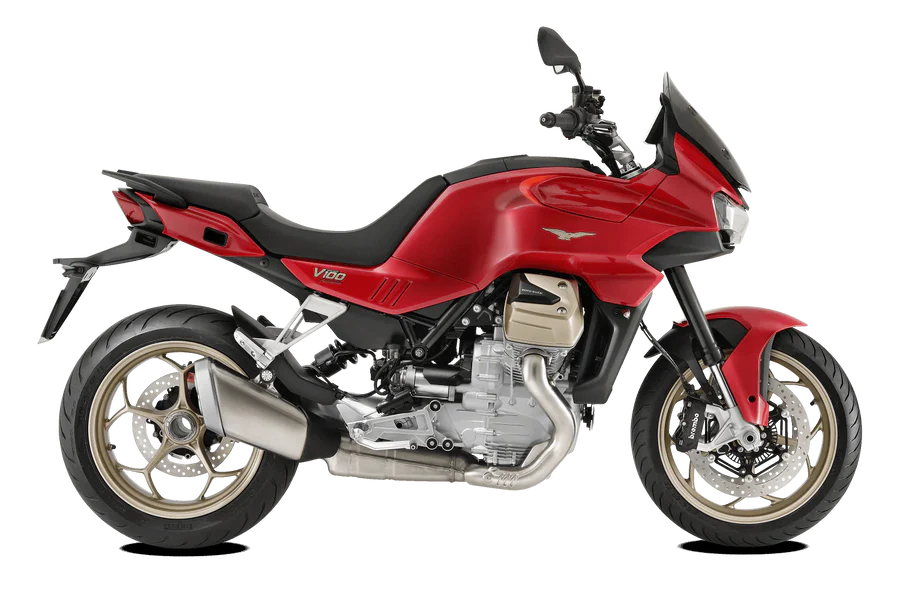
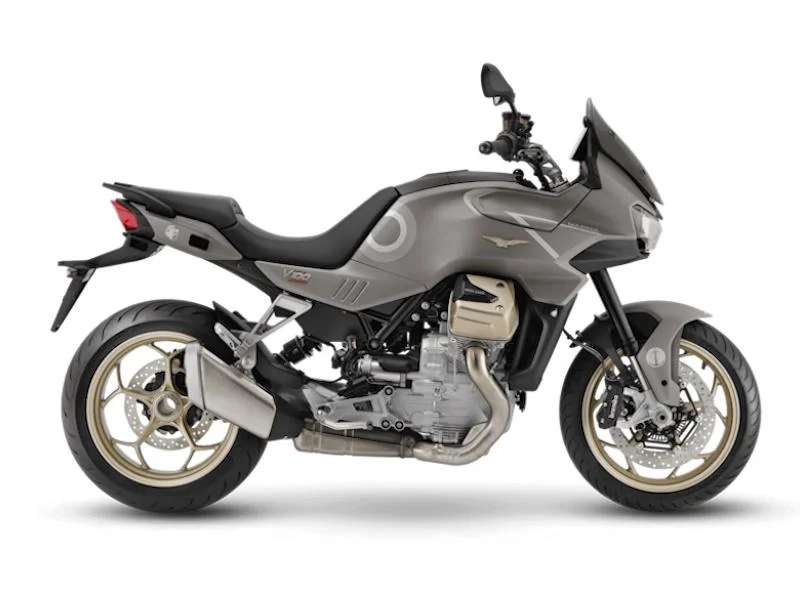
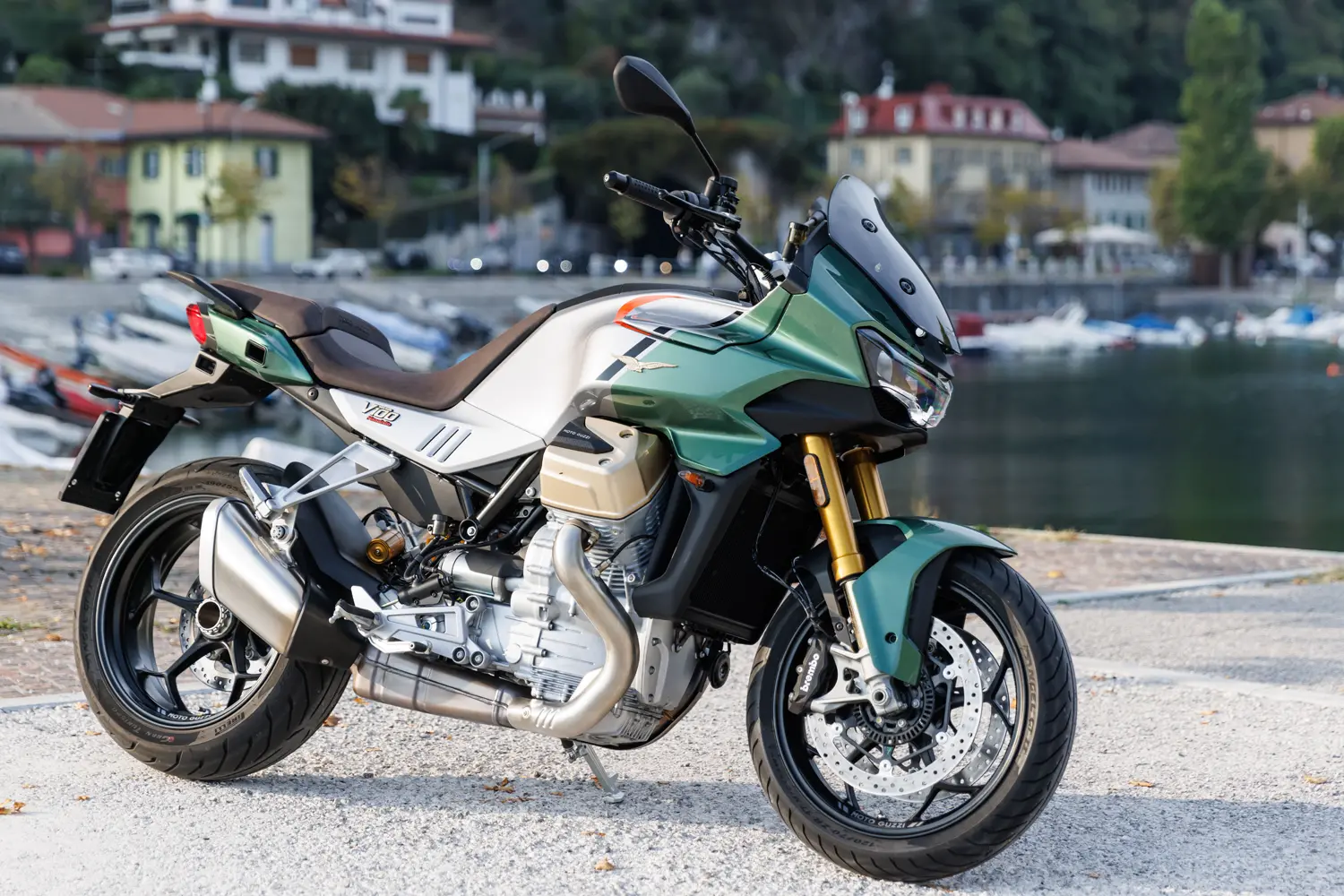
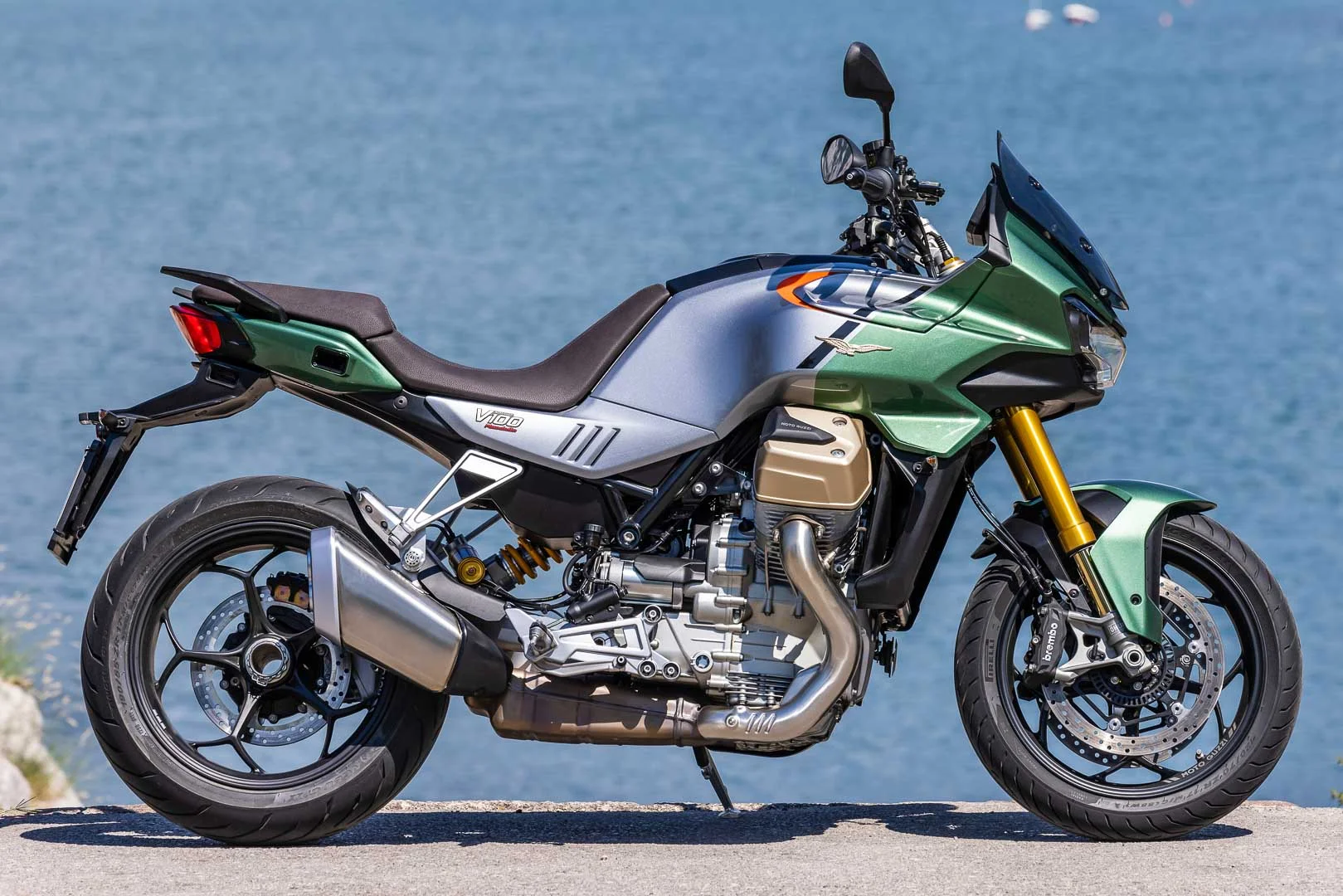
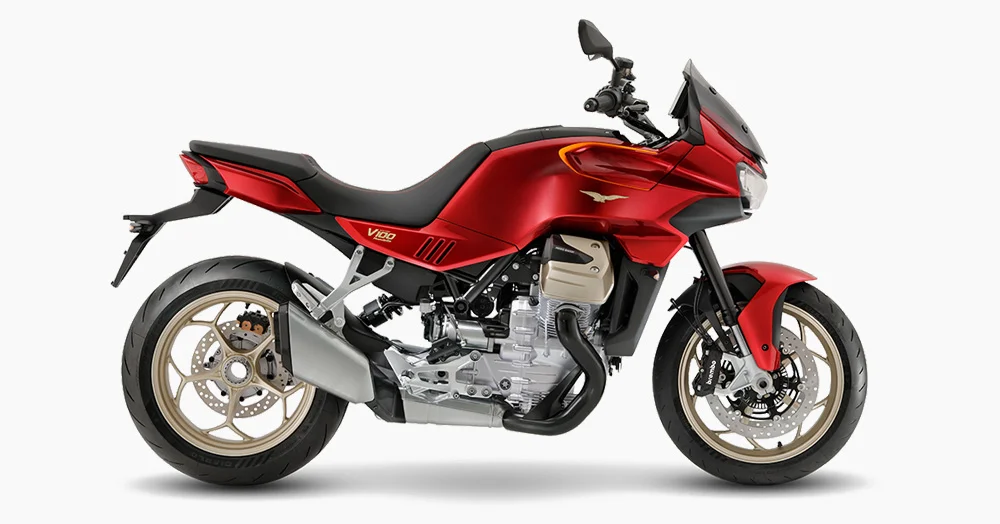
- Premium: At the premium end, models like the V100 Mandello and California 1400 offer top-of-the-line performance and features. These bikes are priced from around $16,000 upwards. The V100 Mandello, with its adaptive aerodynamics and liquid-cooled engine, represents the cutting edge of Moto Guzzi technology.
Maintenance & Long-Term Ownership:
Moto Guzzis, while generally reliable, require regular maintenance to ensure optimal performance and longevity. The shaft drive system, while low-maintenance, requires periodic fluid changes. The V-twin engine, with its pushrod valve actuation, may require occasional valve adjustments. Finding qualified mechanics specializing in Moto Guzzi can sometimes be a challenge, depending on your location. Online forums and owner communities can be valuable resources for troubleshooting and maintenance tips.
Compared to some other European brands, like Ducati, Moto Guzzi parts and servicing are generally more affordable. However, it's important to factor in potential repair costs when considering long-term ownership. The key to a happy ownership experience is to stay on top of scheduled maintenance and address any issues promptly.
📌 This content is AI-assisted with editorial review.