📖 About Suzuki
Suzuki Brand Analysis: A Legacy of Innovation and Performance
Suzuki, a name synonymous with motorcycles for decades, boasts a rich history and a diverse lineup of machines. With a catalogue encompassing over 3800 models produced between 1963 and 2026, Suzuki has established itself as a significant player in the global motorcycle market. From vintage classics to cutting-edge sportbikes and comfortable cruisers, Suzuki caters to a wide range of riders. This analysis explores the brand's heritage, philosophy, global presence, and iconic models, providing valuable insights for prospective buyers.Suzuki Brand History
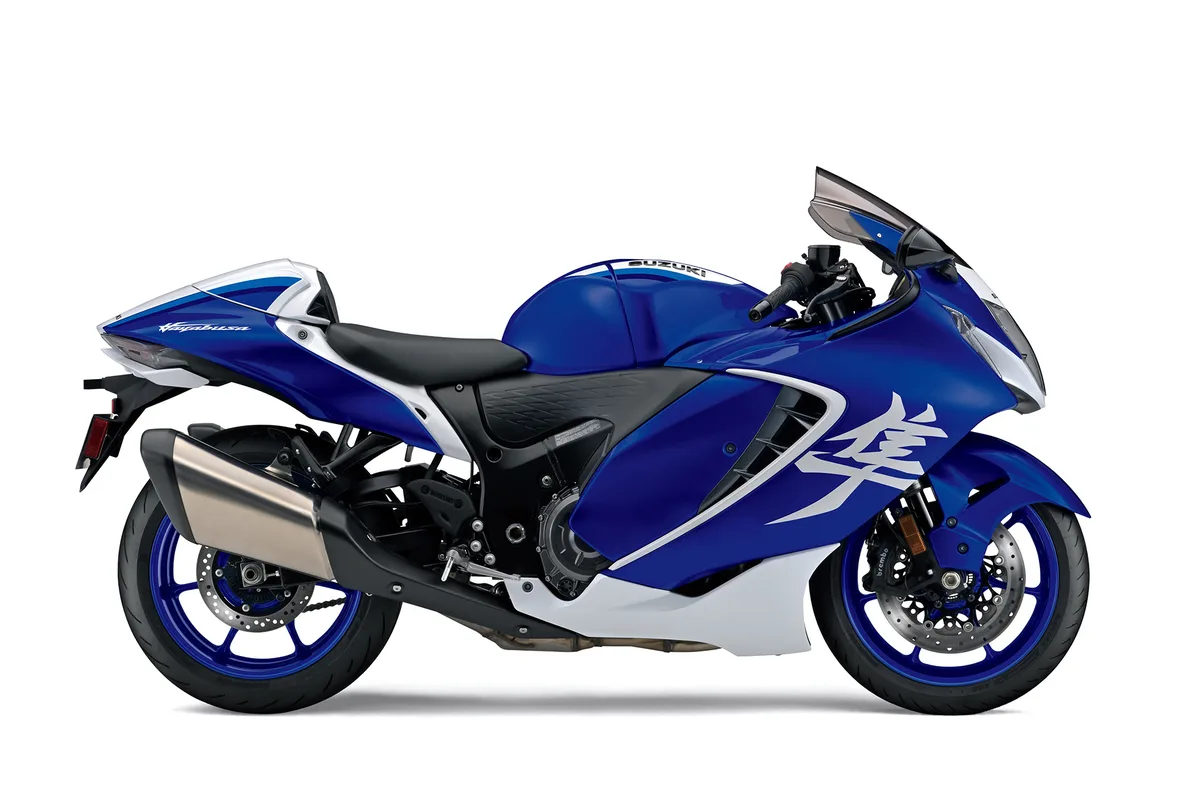
Suzuki's journey began in 1909, not with motorcycles, but with looms. Michio Suzuki founded the Suzuki Loom Works in Hamamatsu, Japan. It wasn't until after World War II that Suzuki ventured into the world of motorized vehicles. In 1952, they introduced the Power Free, a bicycle fitted with a 36cc two-stroke engine. However, the first truly significant motorcycle was the Colleda COX in 1954. This machine, powered by a 90cc four-stroke engine, marked Suzuki's serious entry into the motorcycle market and demonstrated their commitment to engineering innovation. The Colleda COX was important because it showcased Suzuki's ability to develop reliable and efficient engines, a trait that would define the brand for years to come. Key milestones in Suzuki's history include: * **1963:** Suzuki began exporting motorcycles to the United States, establishing a foothold in a crucial market. * **1976:** The GS750, a four-stroke inline-four, debuted. This model marked a significant shift from Suzuki's earlier two-stroke focus and proved their ability to compete with other established Japanese manufacturers in the larger-displacement motorcycle segment. * **1985:** The GSX-R750 revolutionized the sportbike world with its lightweight aluminum frame and powerful engine, setting a new standard for performance and handling. * **1999:** The Hayabusa (GSX1300R) was released. It became the world's fastest production motorcycle, pushing the boundaries of engineering and capturing the imagination of enthusiasts worldwide. * **2001:** The DR-Z400S provided a versatile dual-sport option that remains popular today.Suzuki Philosophy and Engineering
Suzuki's manufacturing philosophy centers around producing reliable, high-performance motorcycles at a competitive price point. They often prioritize function over excessive frills, resulting in machines that are straightforward and enjoyable to ride. Suzuki's engineering approach is characterized by a focus on engine development and innovative chassis design. Their engines are known for their responsiveness and power delivery, often achieved through advanced technologies like Suzuki Dual Throttle Valve (SDTV) and Suzuki Exhaust Tuning (SET). Their chassis designs strive for optimal balance and handling, utilizing lightweight materials and advanced suspension systems. Two key differentiators for Suzuki are: 1. **Engine Technology:** Suzuki has consistently pushed the boundaries of engine technology, particularly in the realm of inline-four engines. The GSX-R series, for example, has benefited from constant refinement and innovation, resulting in engines that offer impressive power and torque across the rev range. 2. **Focus on Value:** While other brands may offer more technologically advanced features, Suzuki often provides a comparable level of performance and reliability at a more accessible price point. This makes their motorcycles appealing to a wider range of riders. For example, compared to Yamaha's R1, a GSX-R1000 often offers similar performance for less money.Suzuki Global Presence
Suzuki maintains a strong global presence, with major markets including North America, Europe, Asia, and Australia. Their dealer network is extensive, ensuring that customers have access to sales, service, and parts worldwide. Suzuki has a rich racing heritage, particularly in MotoGP and motocross. Their racing programs have contributed significantly to the development of their production motorcycles, with technologies and designs often trickling down from the track to the street. Suzuki's Grand Prix success with riders such as Kevin Schwantz cemented their place in racing history. Suzuki operates through a network of subsidiaries and partnerships around the world. Suzuki Motor Corporation is the parent company, with subsidiaries responsible for manufacturing, sales, and marketing in different regions. These partnerships allow Suzuki to adapt to local market conditions and cater to the specific needs of riders in different countries.Iconic Suzuki Models
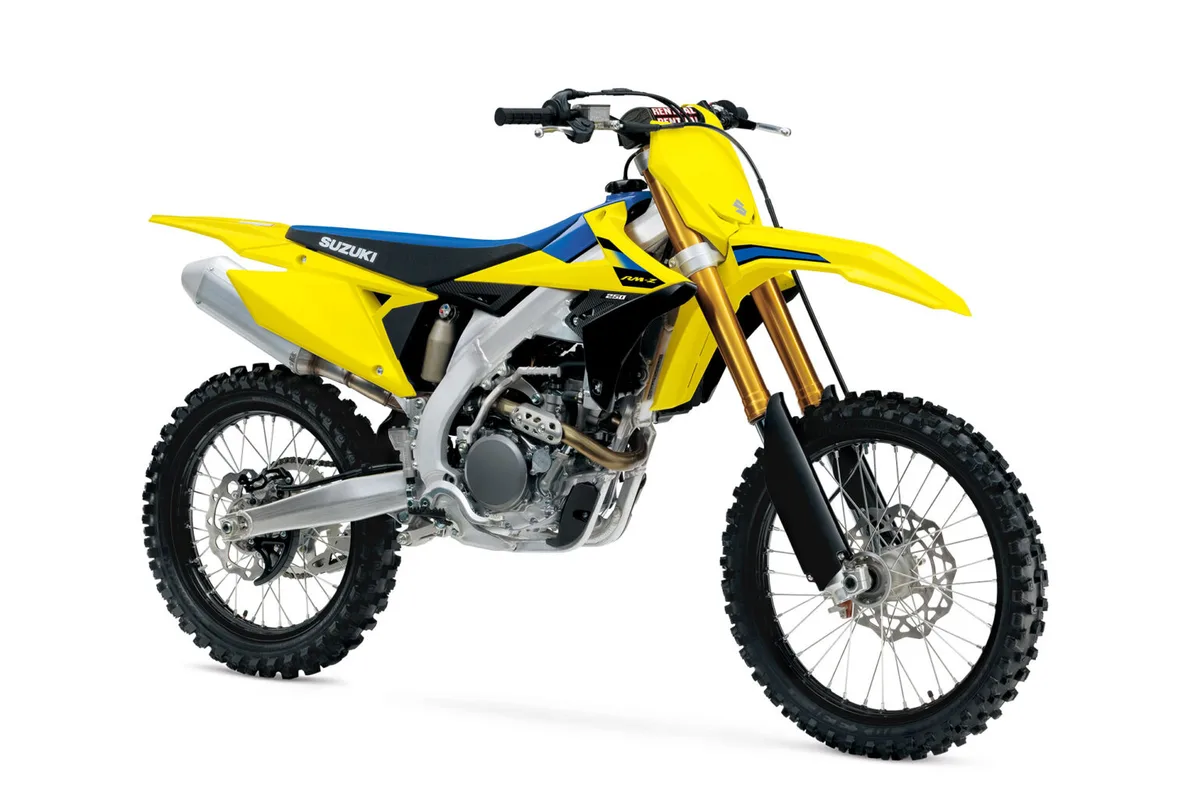
* **GSX-R750 (1985):** The original GSX-R750 revolutionized the sportbike category with its lightweight aluminum frame and powerful 749cc inline-four engine. It set a new standard for performance and handling that continues to influence sportbike design today. * **GSX-R1000 (2001):** Building on the success of the GSX-R750, the GSX-R1000 offered even more power and performance in a lightweight package. It quickly became a dominant force on the track and a popular choice for street riders seeking a thrilling experience. * **Hayabusa (GSX1300R) (1999):** The Hayabusa shattered speed records and captured the world's attention with its incredible power and aerodynamic design. Its 1299cc engine and slippery shape allowed it to reach speeds exceeding 190 mph, solidifying its status as a legendary motorcycle. * **DR-Z400S (2000):** The DR-Z400S is a versatile dual-sport motorcycle that has earned a loyal following for its reliability, affordability, and off-road capability. Its relatively lightweight design and torquey engine make it a capable performer on both paved and unpaved roads. * **RM-Z450 (2005):** Suzuki's flagship motocross machine, the RM-Z450 has seen countless wins and podium finishes in professional racing. It's known for its strong engine performance and agile handling, making it a favorite among motocross enthusiasts.Buying Advice for Suzuki
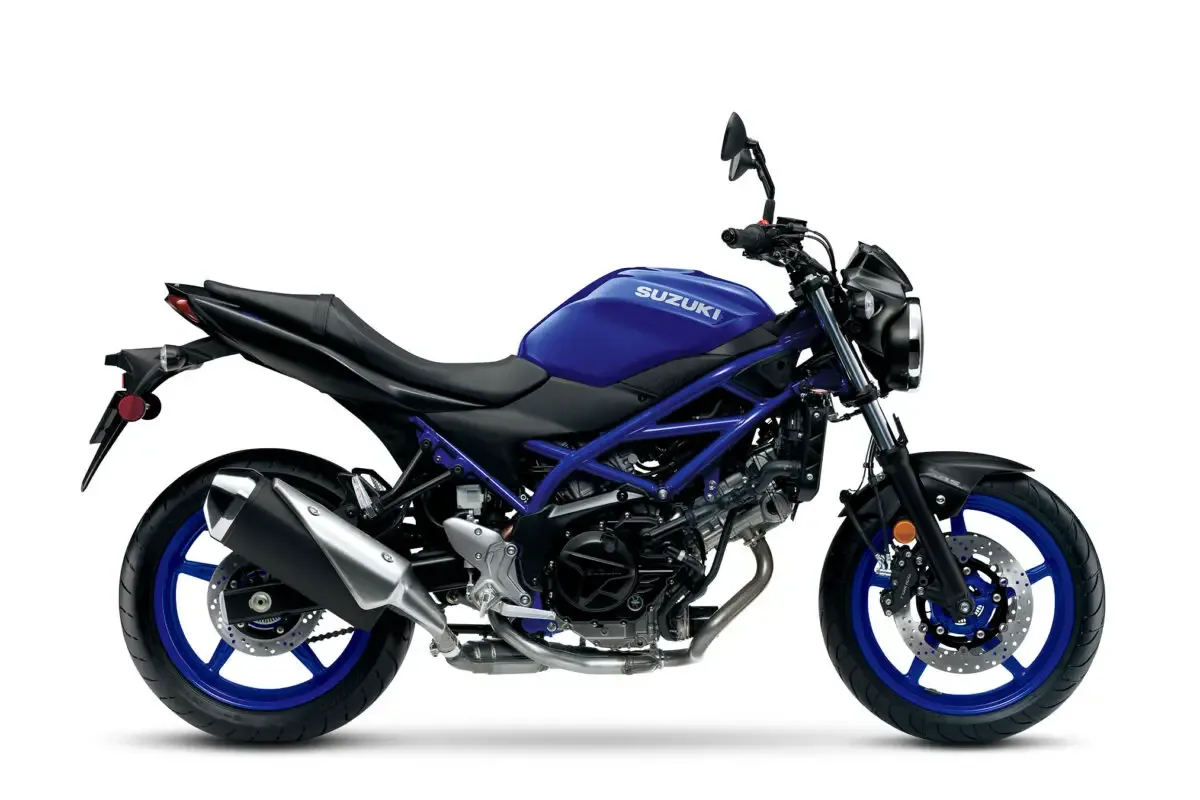
Suzuki motorcycles are well-suited for riders who value performance, reliability, and affordability. They offer a wide range of models to suit different riding styles and budgets, making them a popular choice for both beginners and experienced riders. * **Who is the brand suited for?** Suzuki caters to a broad audience. Sportbike enthusiasts will gravitate towards the GSX-R series, while adventure riders might consider the V-Strom models. Cruisers like the Boulevard series offer a comfortable and stylish option for those seeking a more relaxed riding experience. The DR-Z400S is a great choice for riders who want a versatile dual-sport motorcycle. * **Budget Tiers:** * **Entry-Level:** Suzuki offers several entry-level options, such as the SV650, which provides a great balance of performance and affordability. Used models of the GS500 are also a good option for those on a tighter budget. * **Mid-Range:** The GSX-R600 and GSX-R750 fall into the mid-range category, offering a significant step up in performance from entry-level models. The V-Strom 650 is also a popular choice in this range, providing a comfortable and capable adventure touring experience. * **Premium:** The GSX-R1000 and Hayabusa represent Suzuki's premium offerings, delivering top-of-the-line performance and features. These models are aimed at experienced riders who demand the best. * **Maintenance & Long-Term Ownership:** Suzuki motorcycles are generally known for their reliability and relatively low maintenance costs. Regular servicing, including oil changes, filter replacements, and chain maintenance, is essential for ensuring long-term reliability. Parts availability is generally good, thanks to Suzuki's extensive dealer network. However, older or less common models may require more effort to source parts. It's advisable to research common issues and maintenance requirements for specific models before making a purchase. Suzuki has carved a strong niche in the motorcycle world by offering machines that are both capable and accessible. Their commitment to engineering innovation and focus on value makes them a compelling choice for riders of all levels.📌 This content is AI-assisted with editorial review.