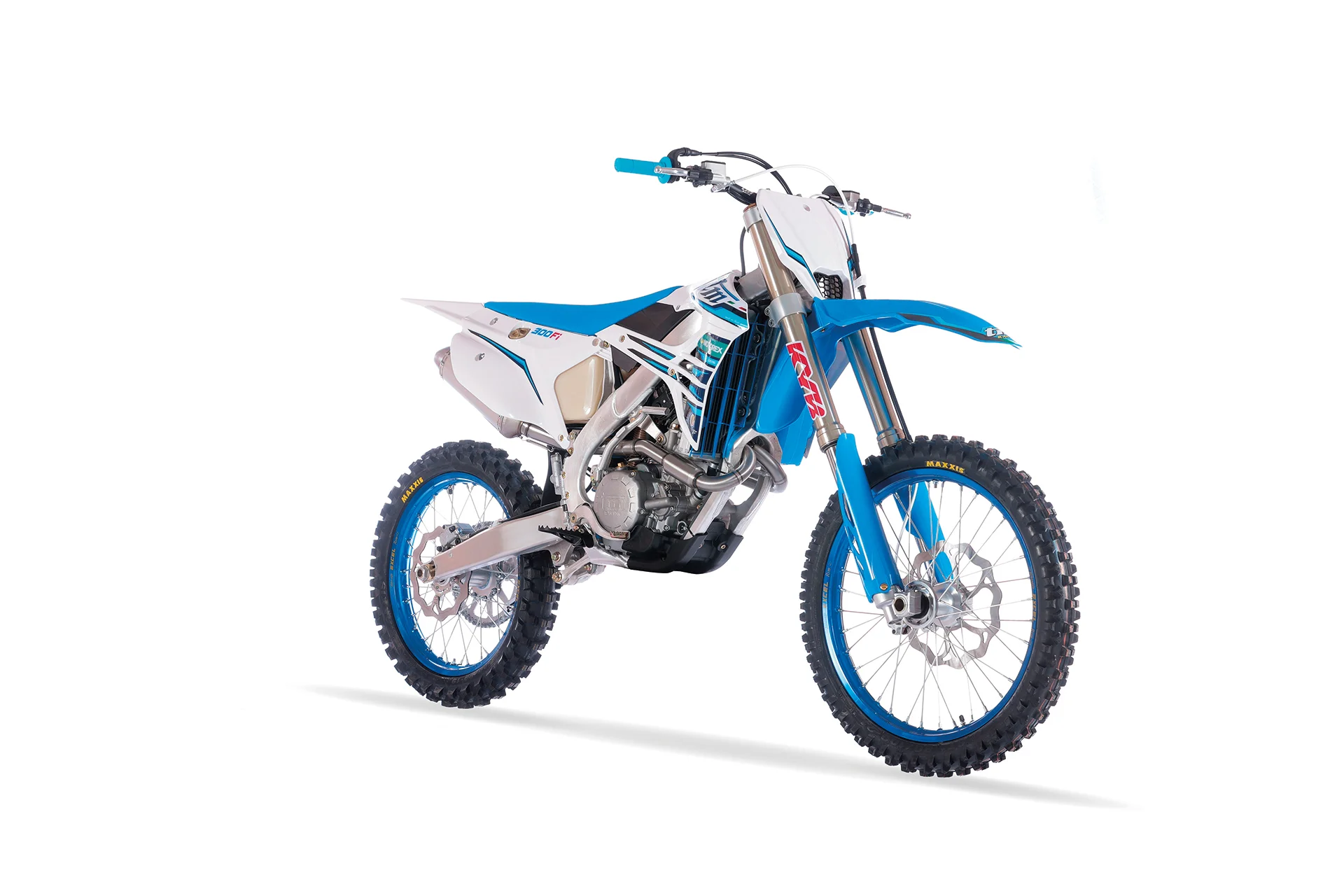
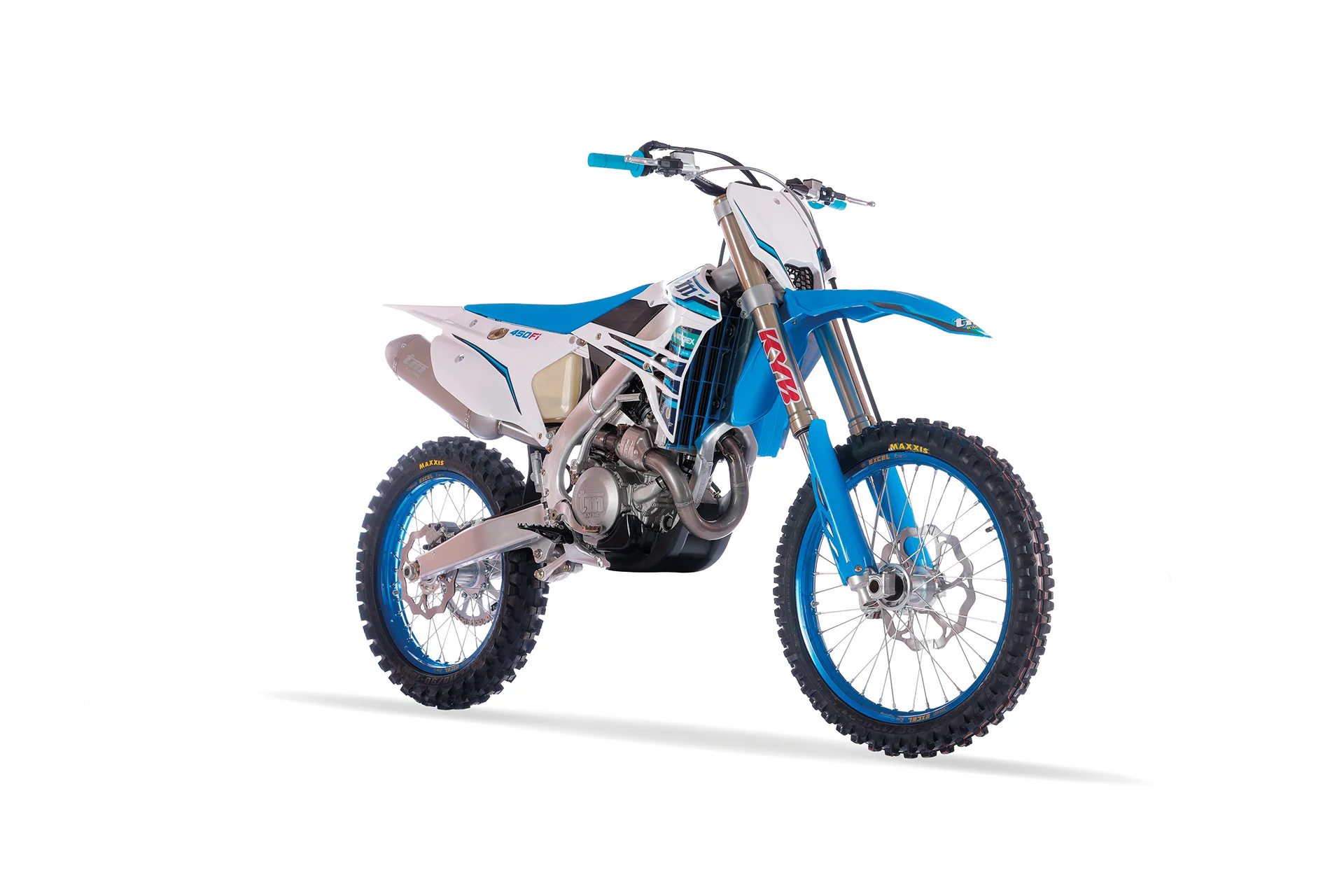
TM Brand Analysis: A Deep Dive into Italian Exclusivity
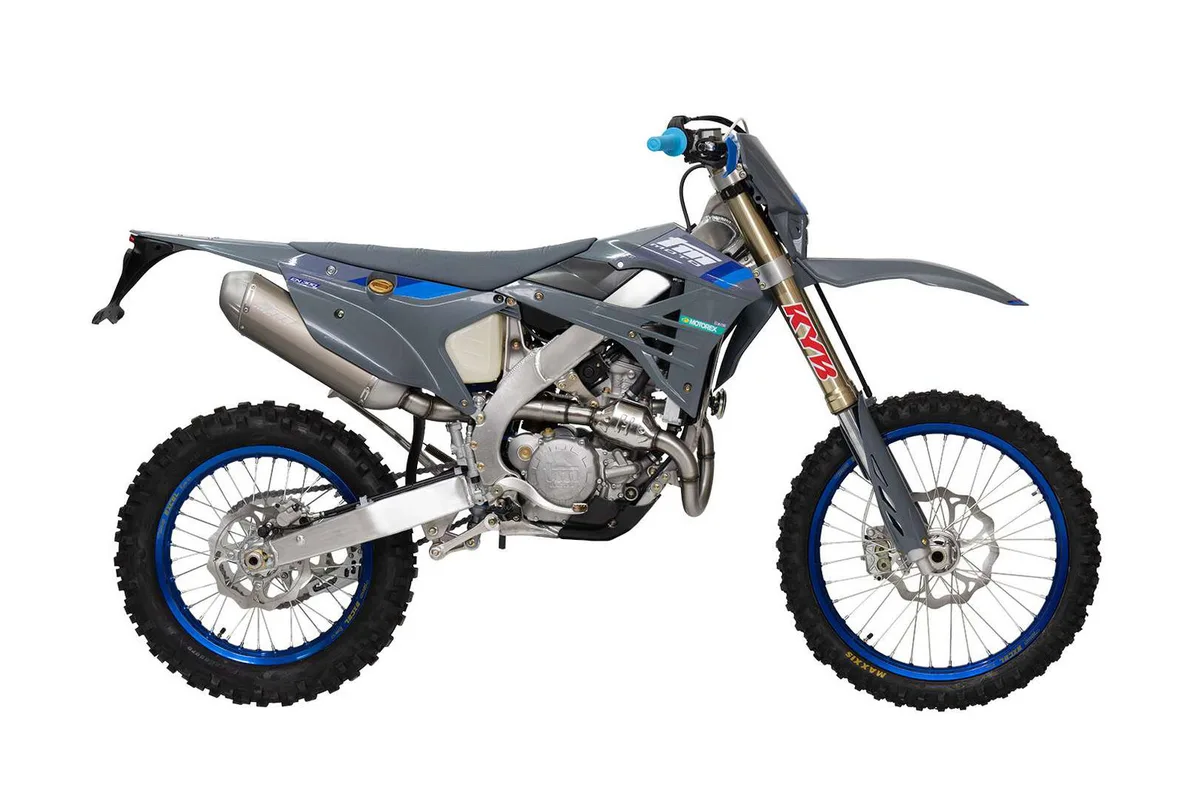
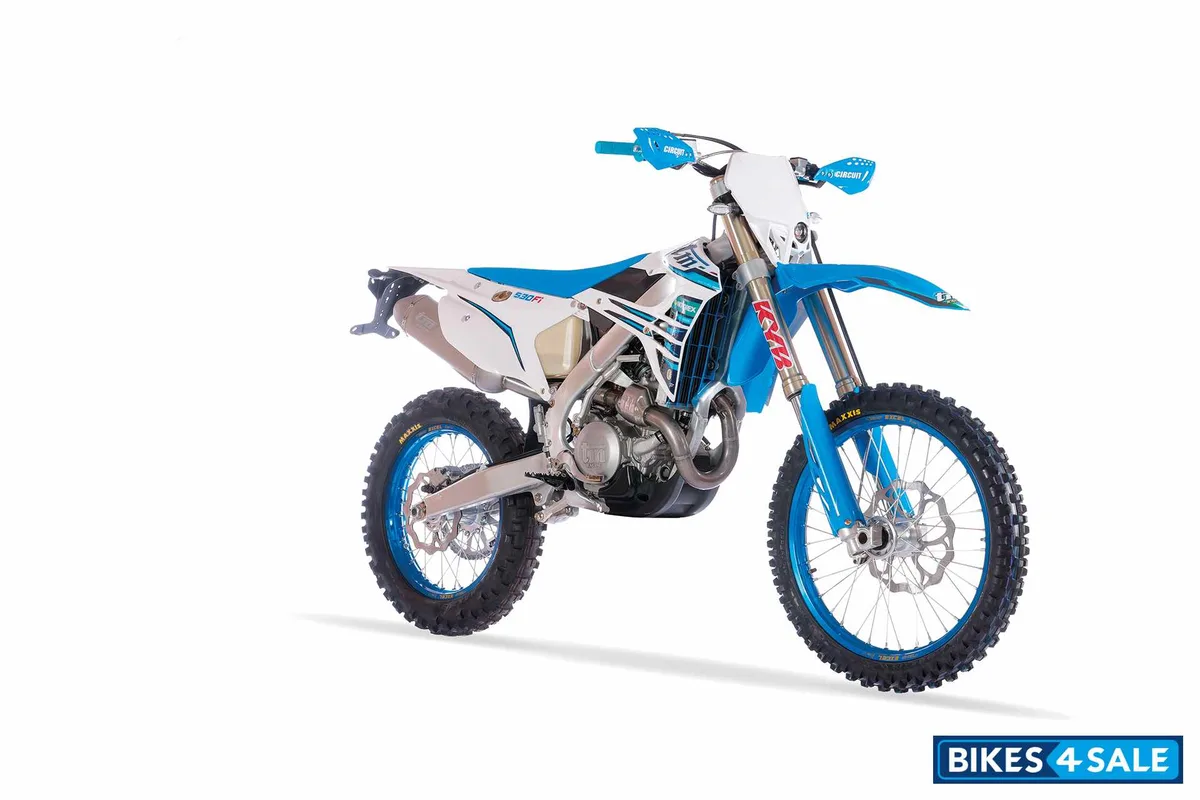
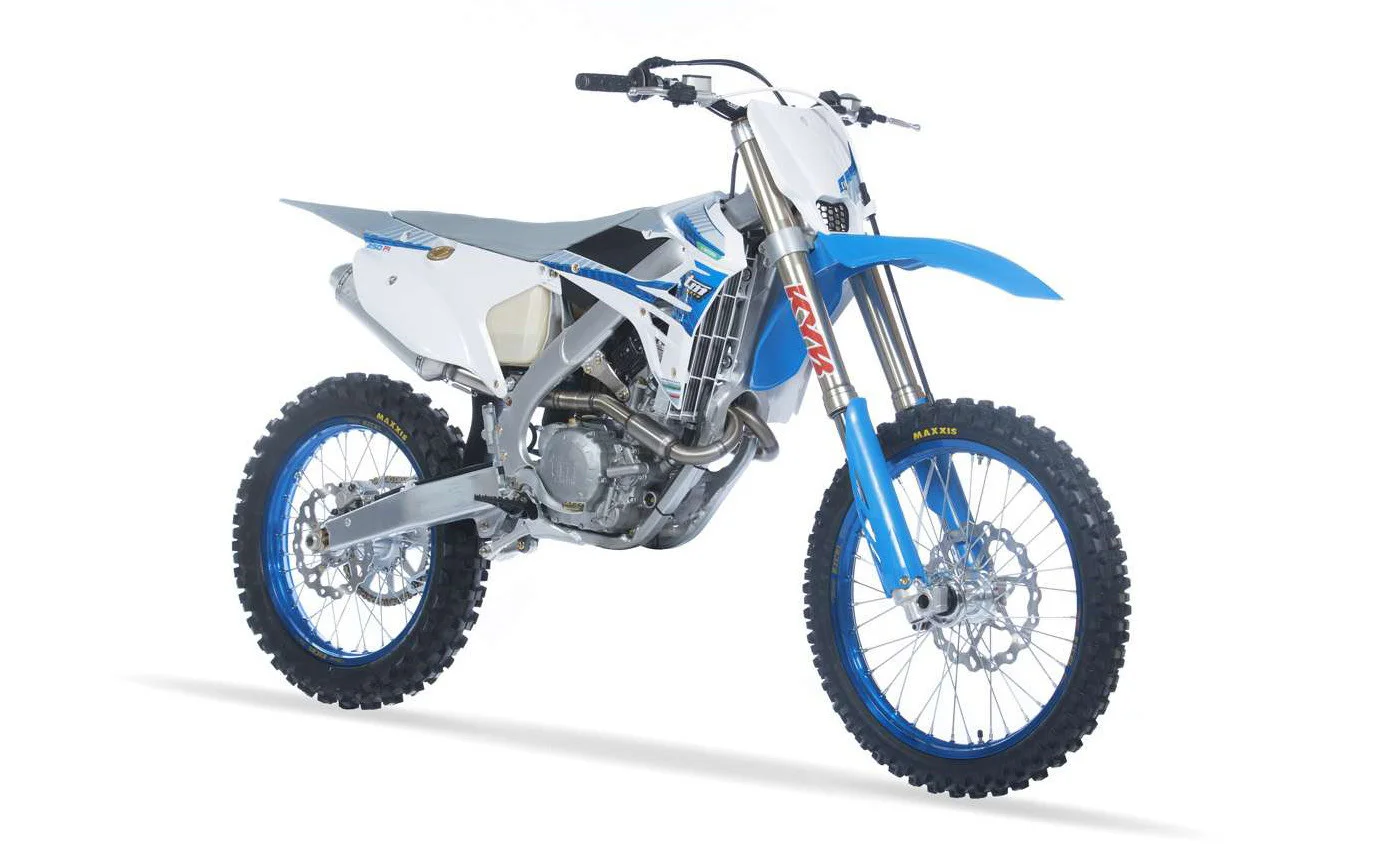
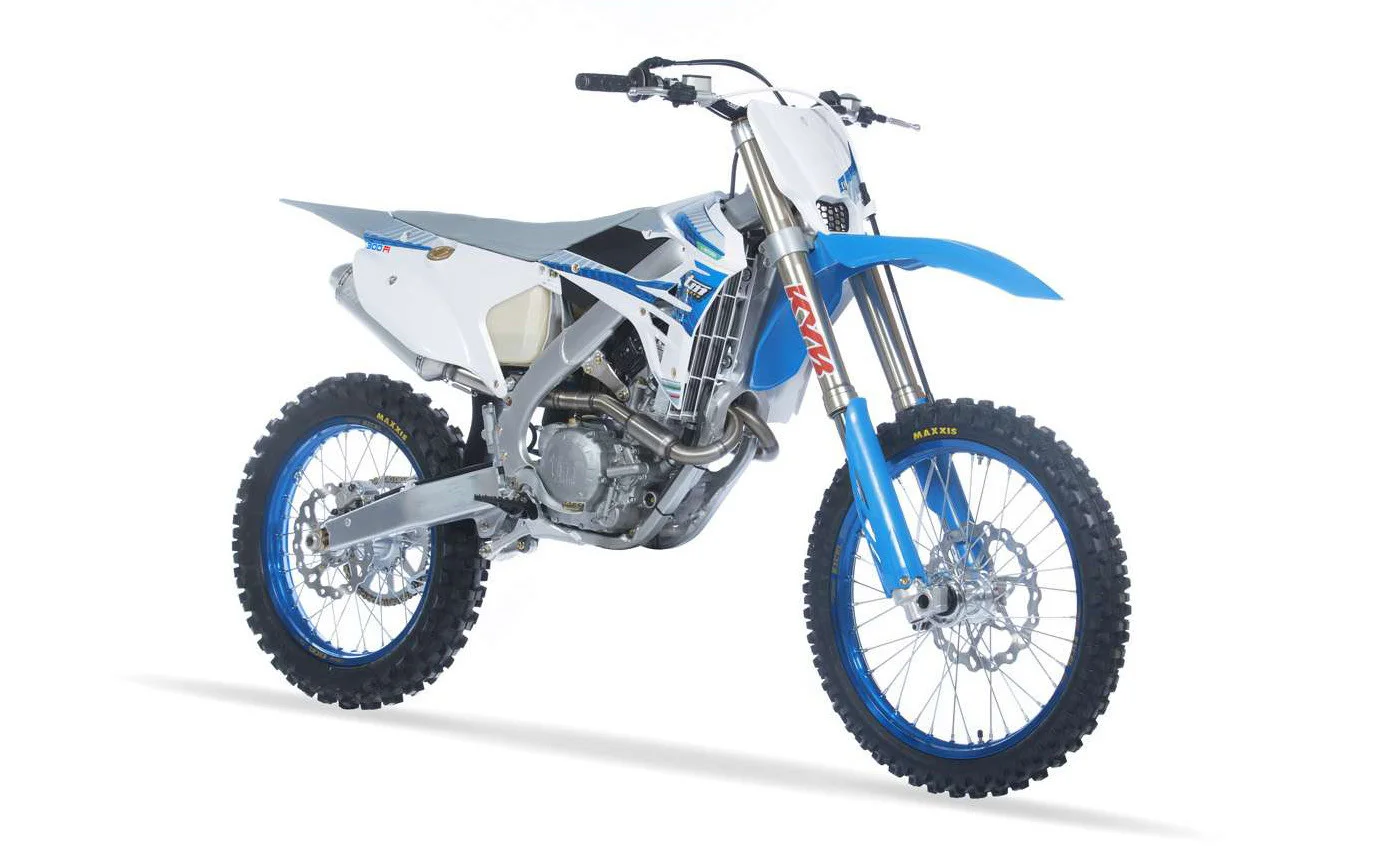
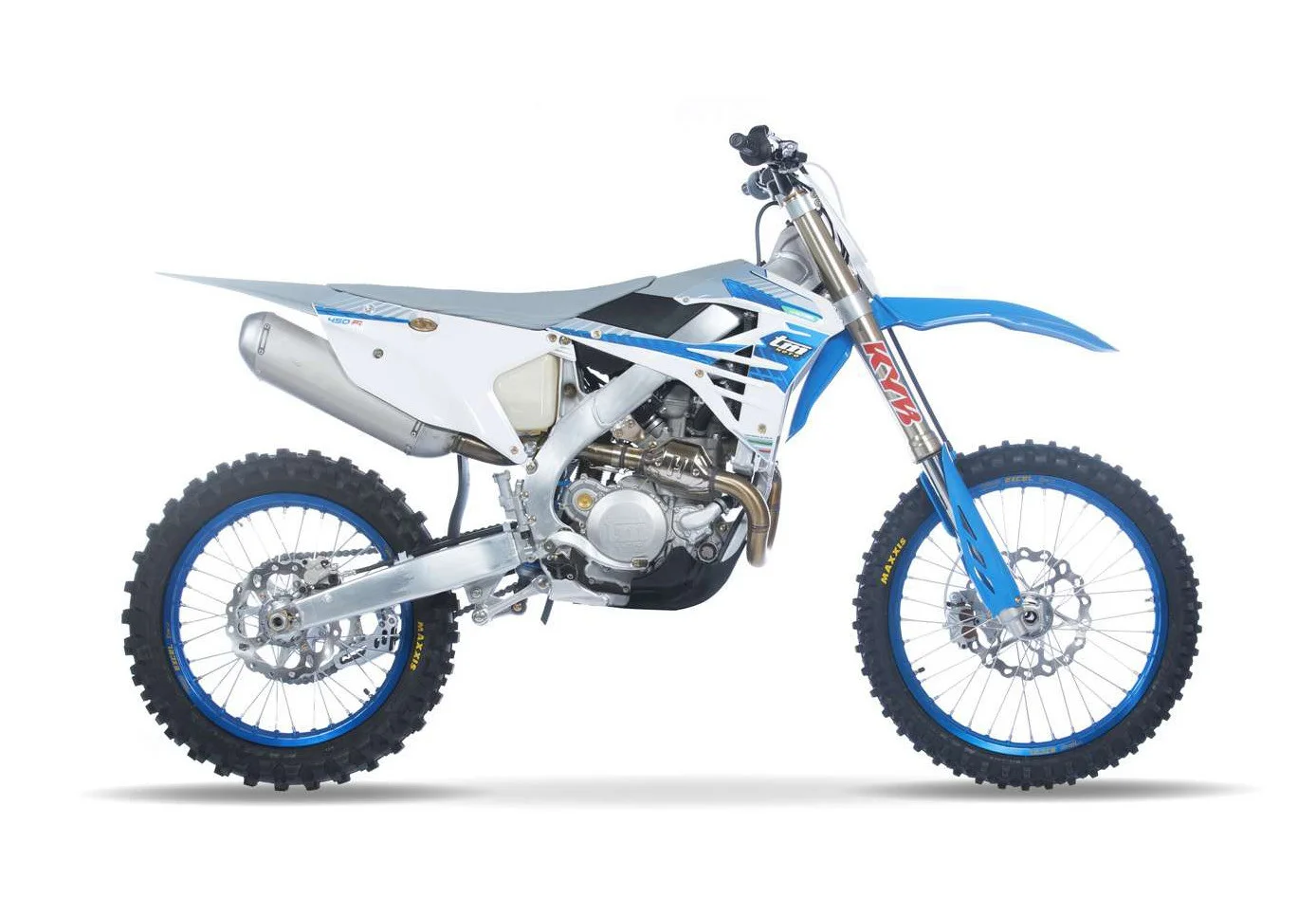
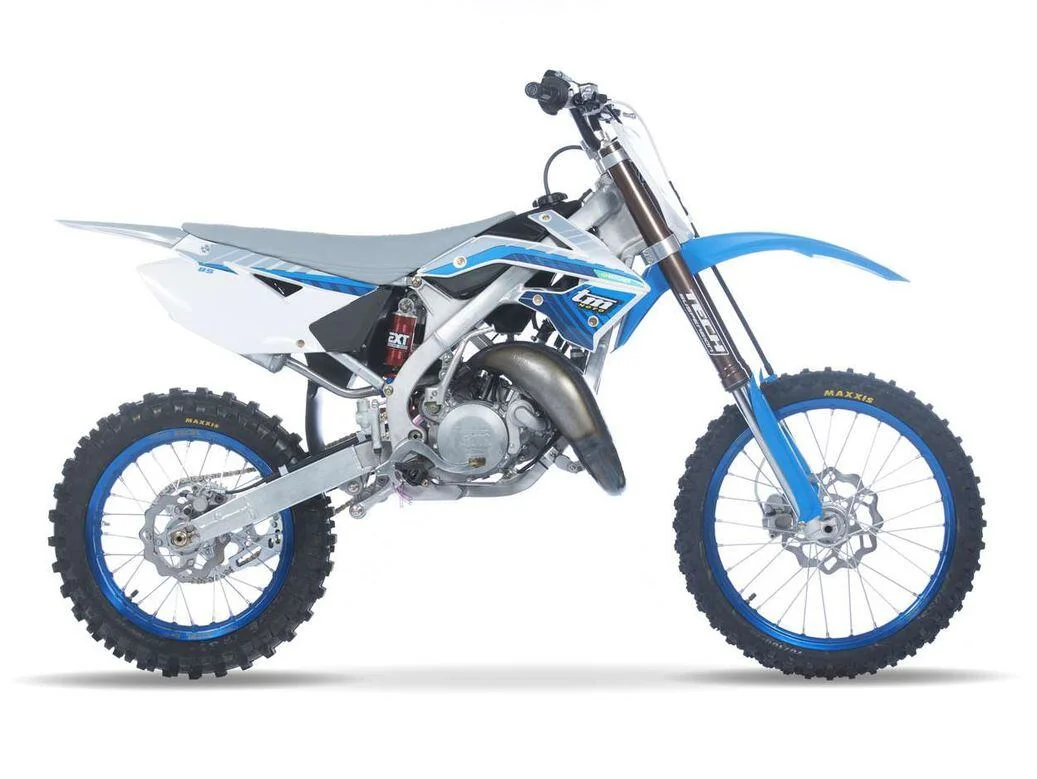
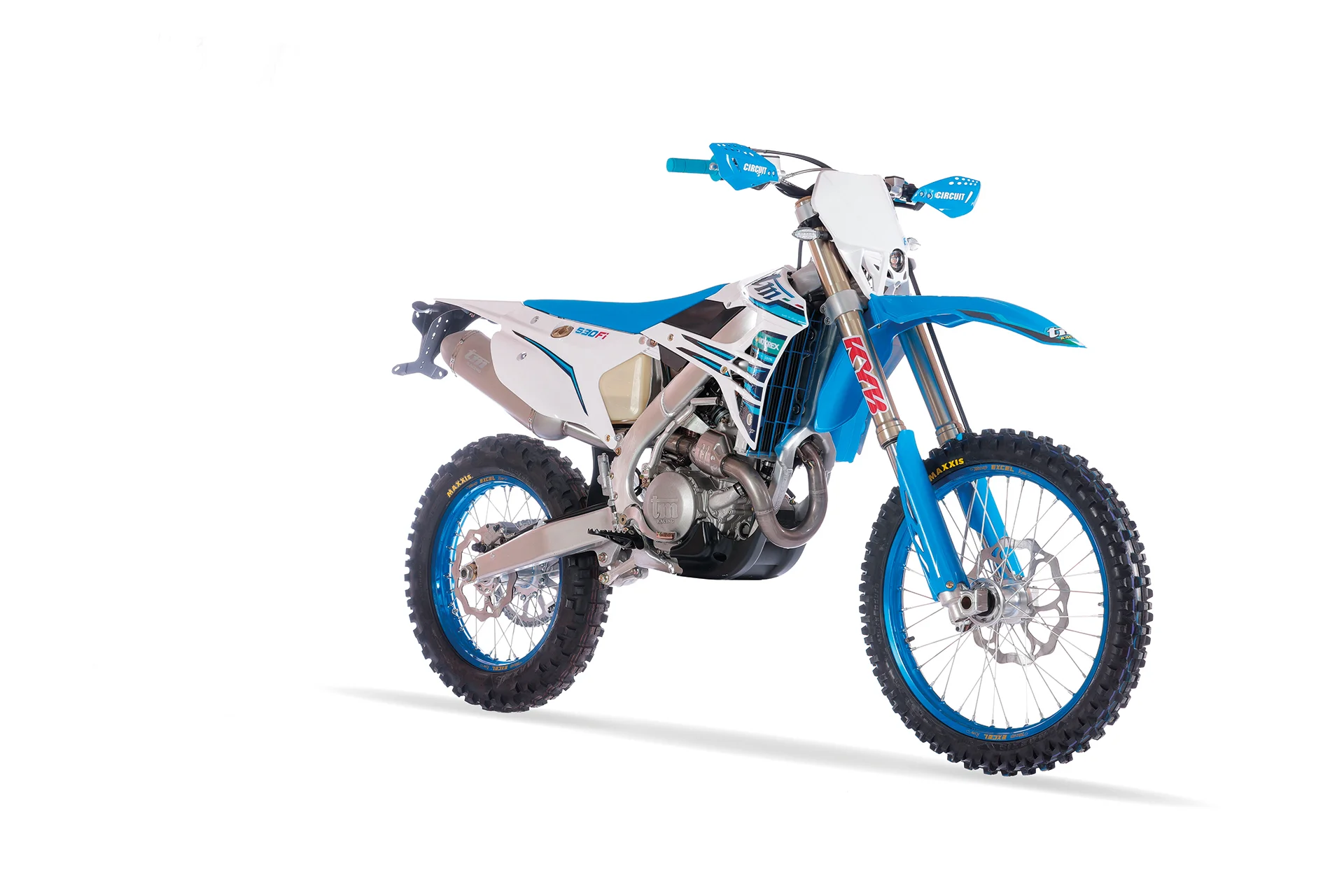
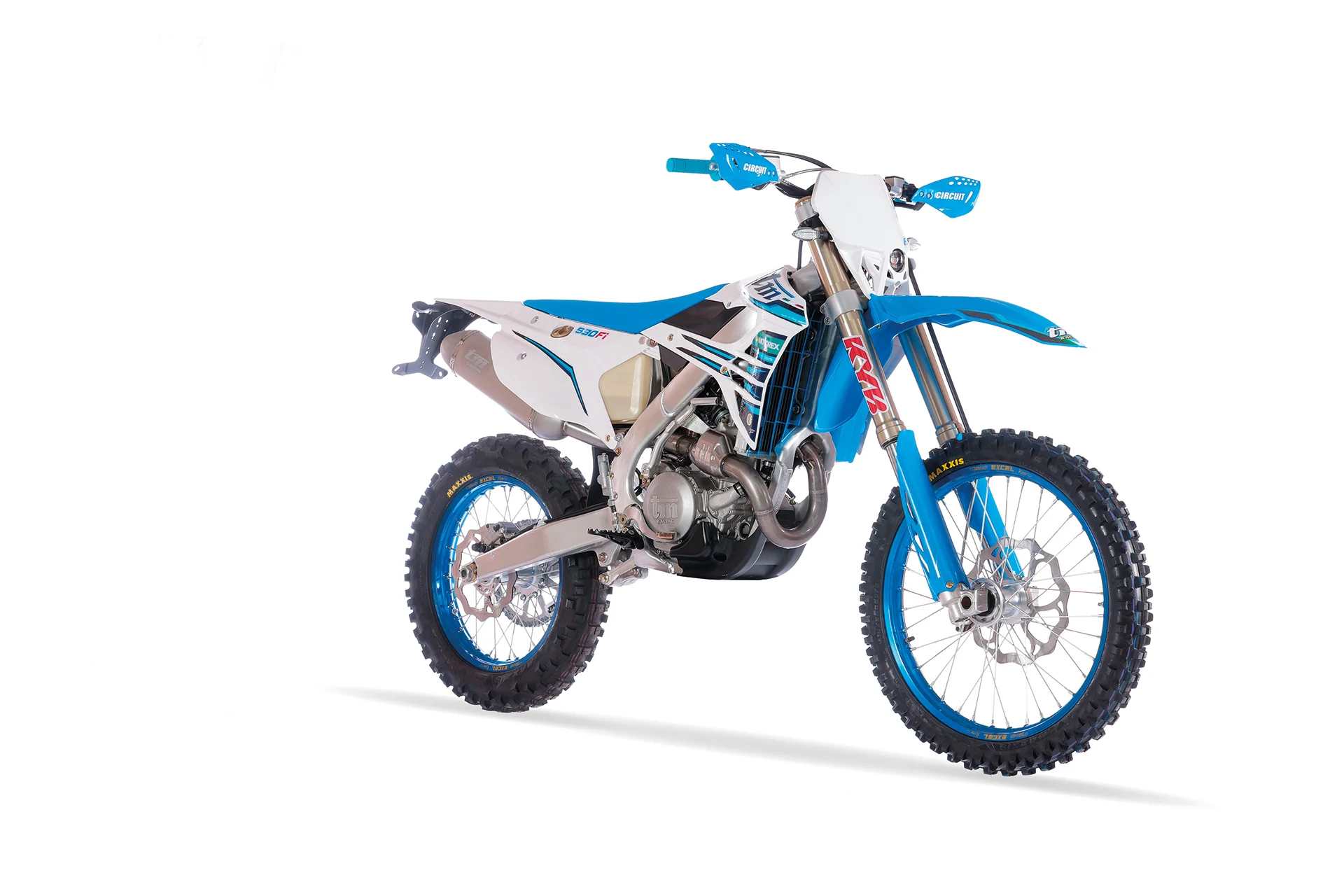
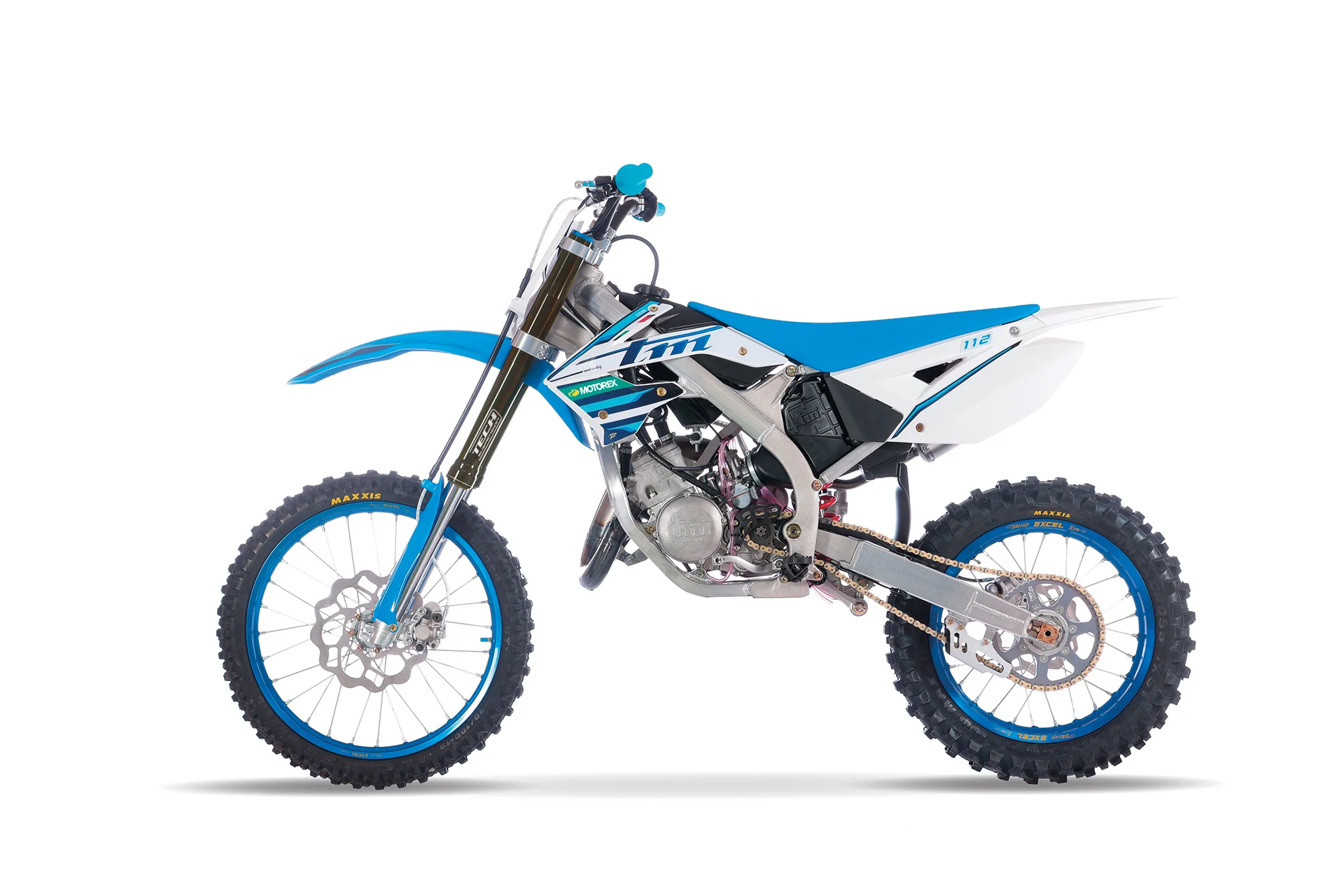
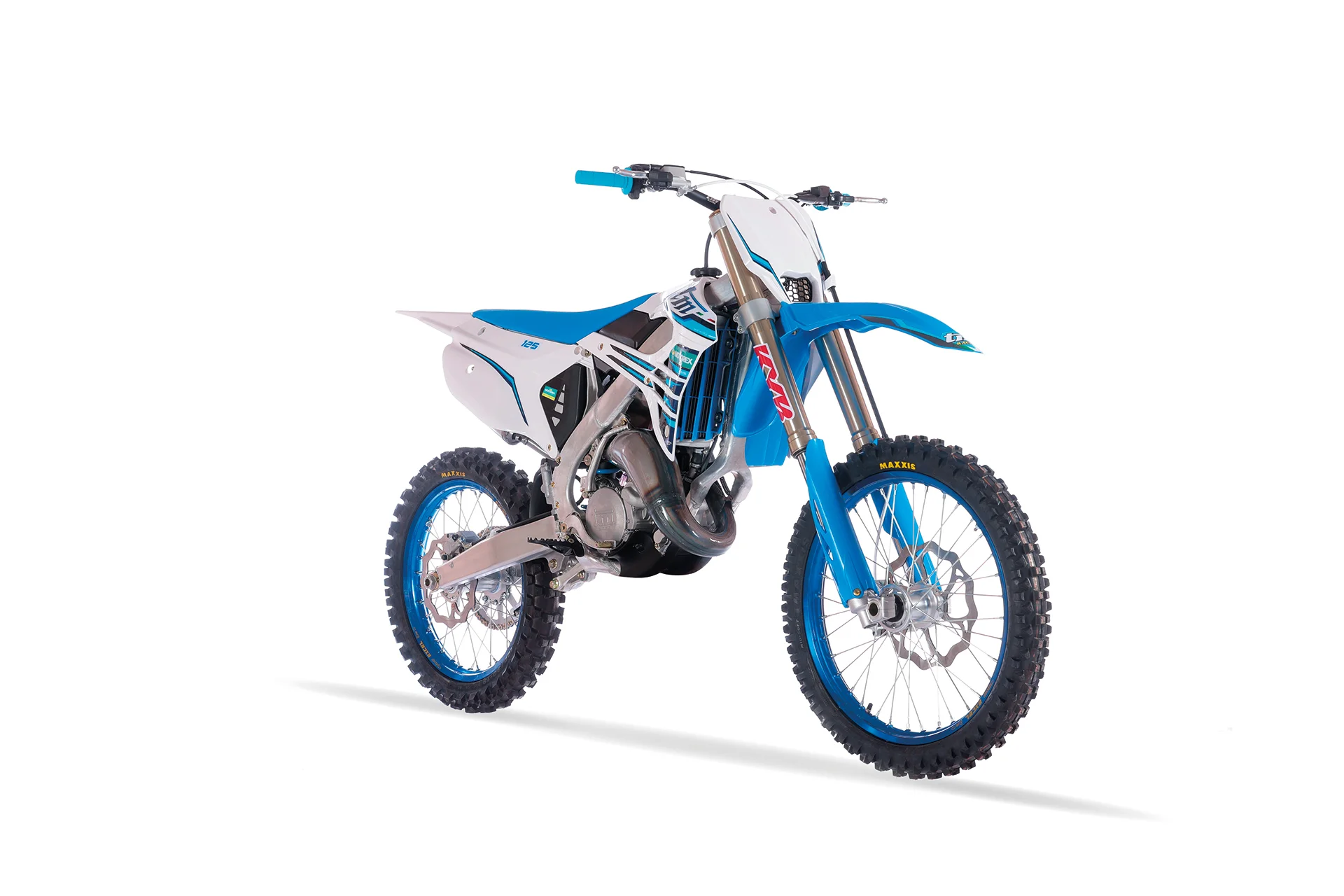
TM Racing. The name alone conjures images of hand-built Italian machines, screaming two-strokes, and a dedication to performance that borders on obsession. While not a household name like Yamaha or KTM, TM has carved a niche for itself as a purveyor of high-end, race-ready motorcycles for discerning riders. With 563 catalogued models spanning from 2004 to 2025, their commitment to specialized engineering and limited production is evident. This analysis explores the history, philosophy, global reach, and iconic models that define the TM brand.
TM Brand History
TM Racing was founded in 1976 in Pesaro, Italy, by Claudio Flenghi and Francesco Battistelli. The name "TM" is derived from the initials of their surnames. From the very beginning, the focus was on building competitive machines, initially in the motocross arena.
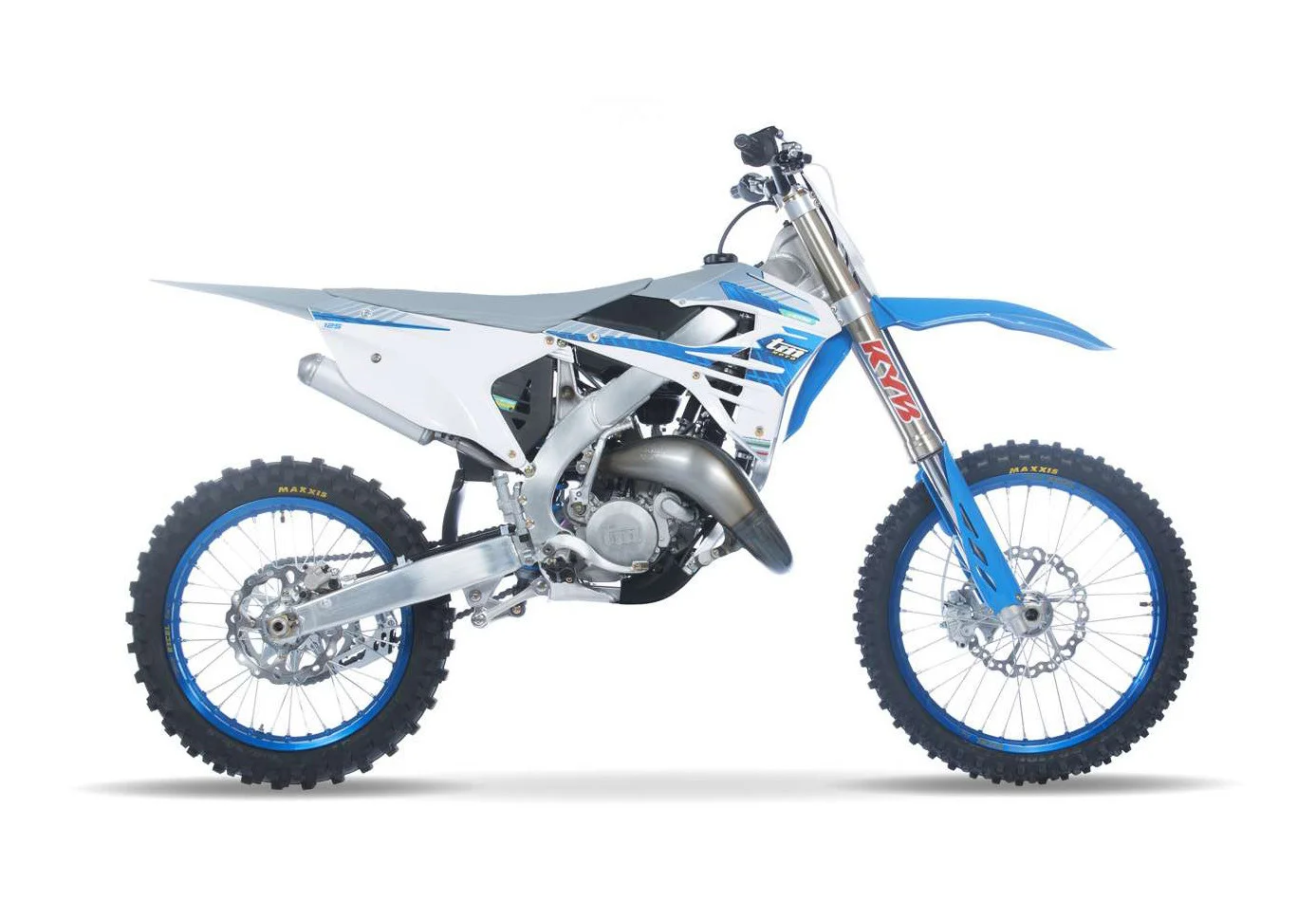
One of their first significant models was the TM 125 MX. What made it important was its focus on high-quality components and performance tuning, setting it apart from the mass-produced offerings of larger manufacturers. It wasn't about affordability; it was about building the best possible machine for racing.
Key milestones in TM's history include:
- 1982: Introduction of their first in-house engine design, solidifying their independence and control over development.
- 1990s: Expansion into enduro and supermoto categories, broadening their product line and reaching new markets.
- 2000s: Continued investment in two-stroke technology, defying the industry trend toward four-strokes and remaining committed to their core customer base.
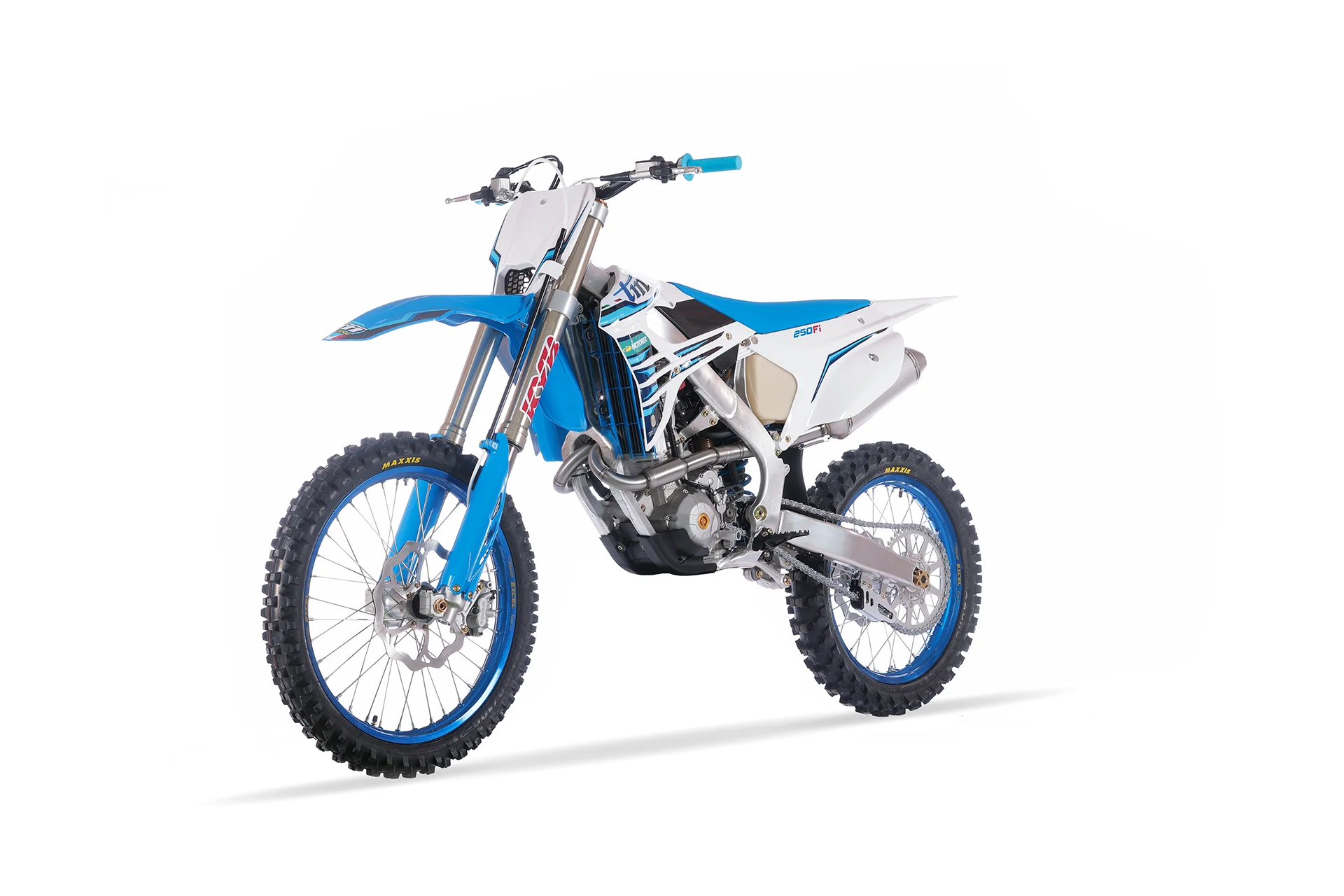
- 2010s-Present: Introduction of fuel-injected two-strokes and advanced chassis designs, demonstrating their ability to innovate while staying true to their racing roots.
TM Philosophy and Engineering
TM's manufacturing philosophy is simple: build the best possible race bike, regardless of cost. This translates to a commitment to hand-assembly, meticulous attention to detail, and the use of premium components. They are not about mass production; they are about creating a highly specialized machine.
Their engineering approach is characterized by a dedication to performance and innovation. They develop their own engines, chassis, and even some electronic components in-house. This allows them to optimize every aspect of the motorcycle for racing. TM's engines are known for their potent power delivery, particularly in the two-stroke models. Their chassis are designed for precise handling and stability at high speeds.
Two key differentiators set TM apart:
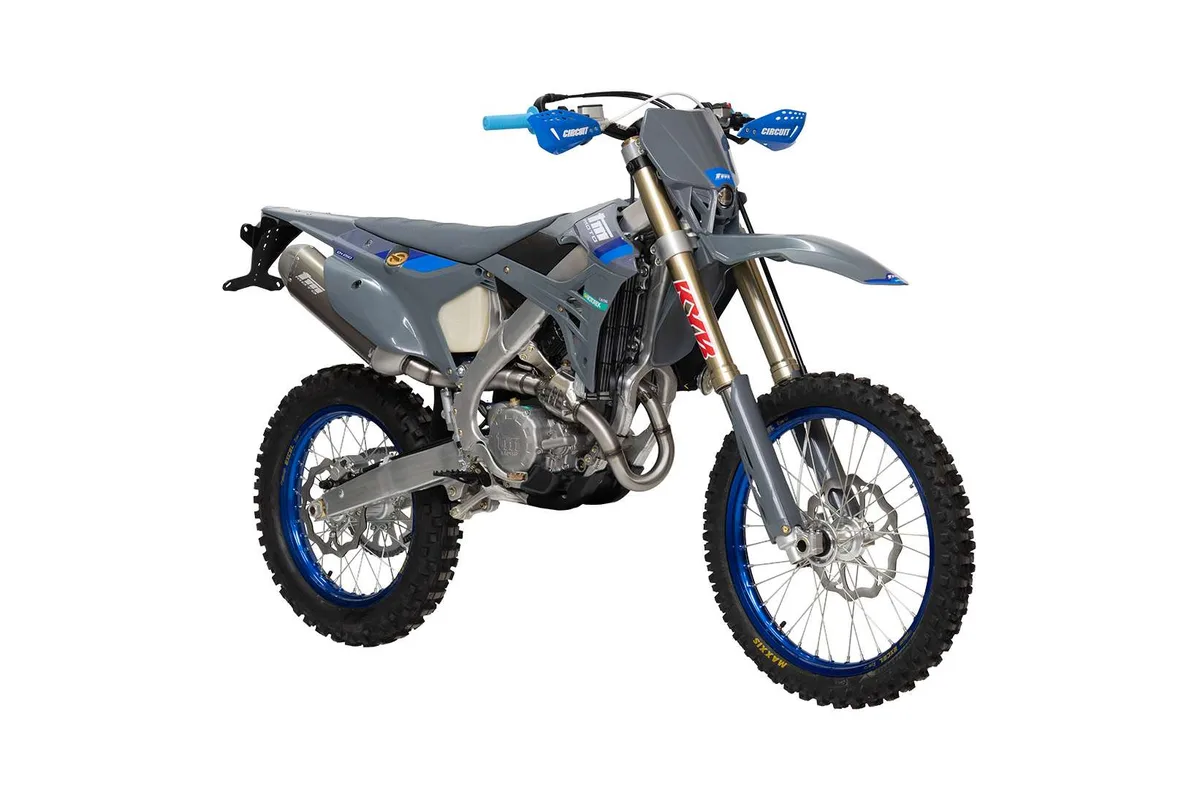
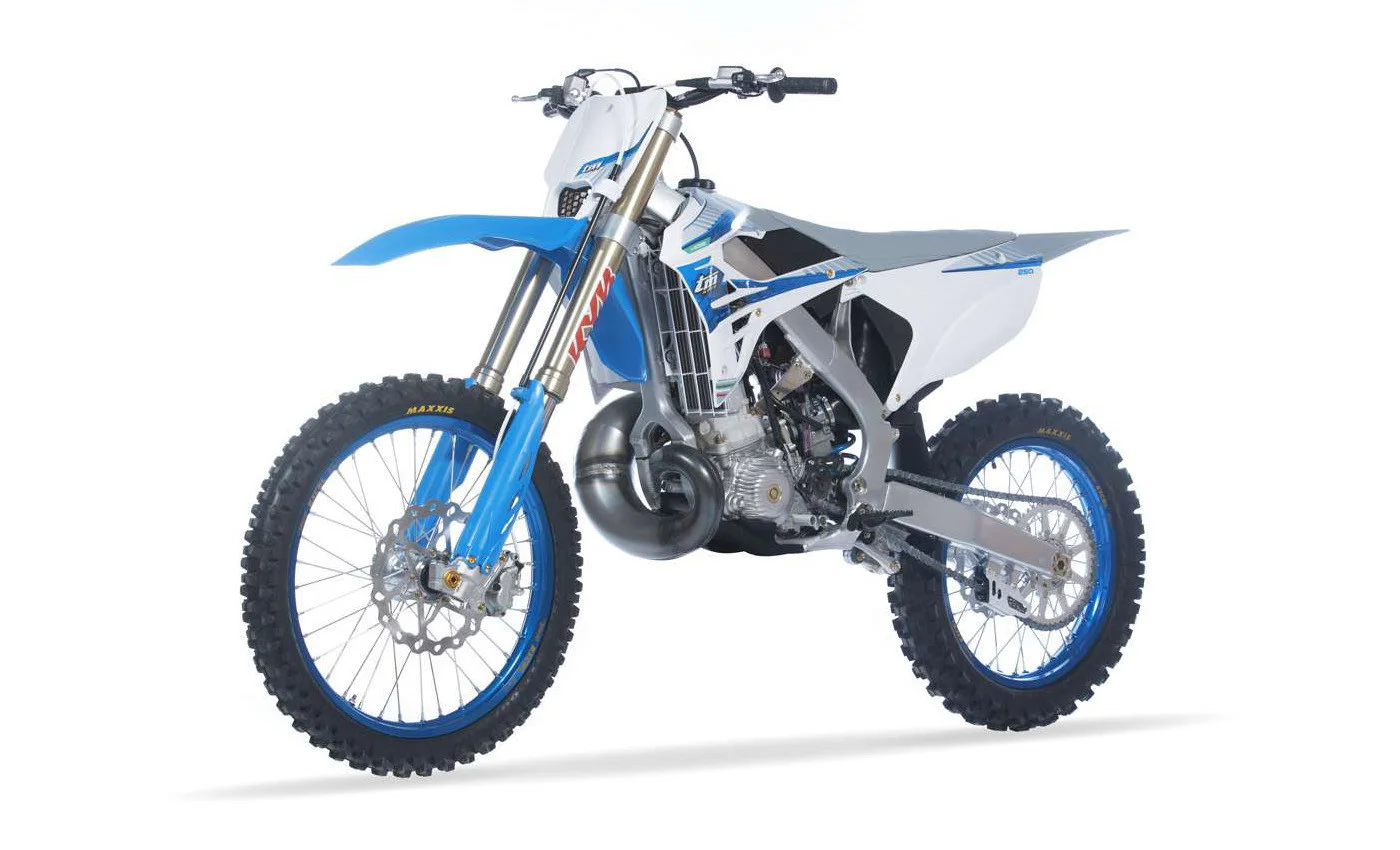
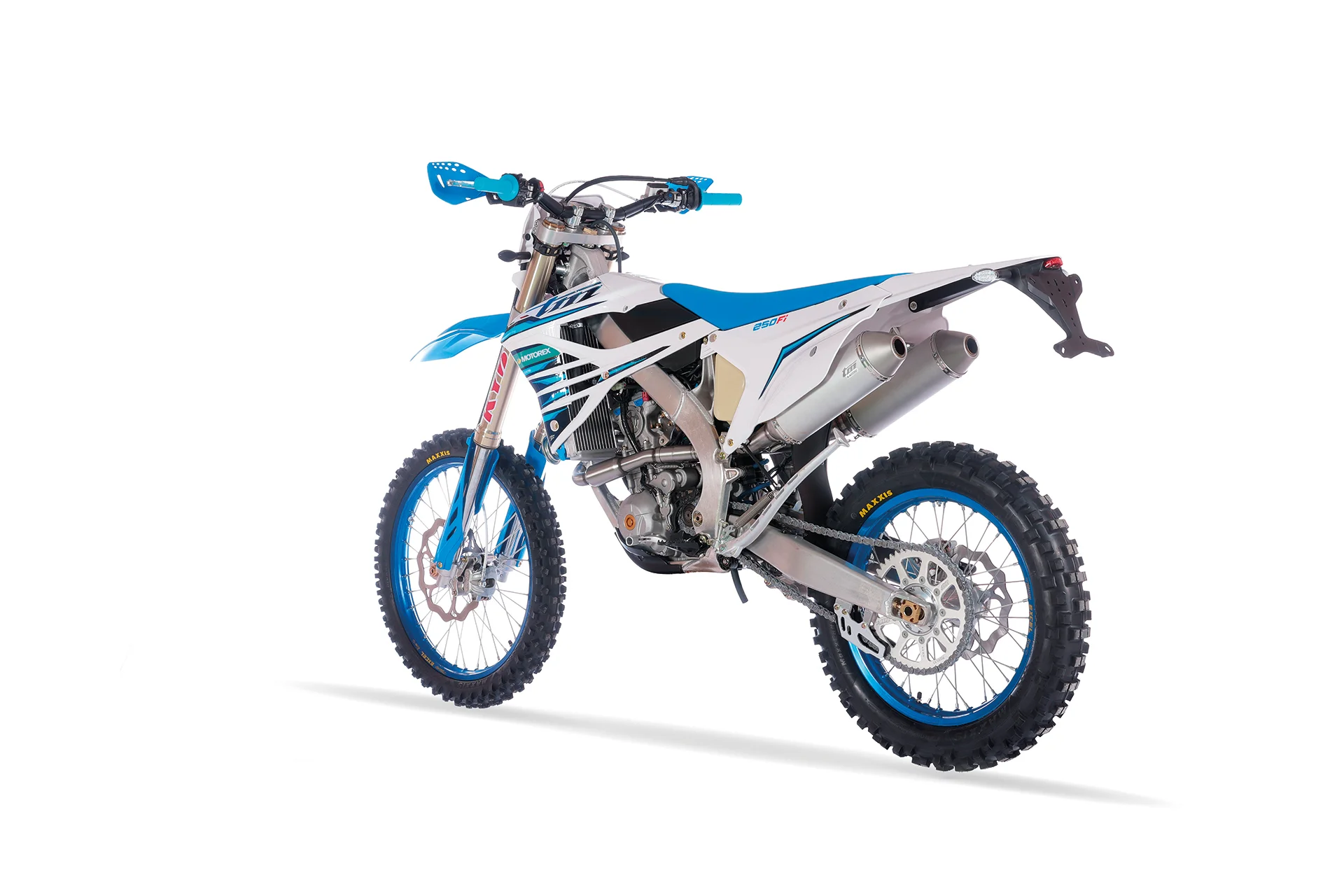
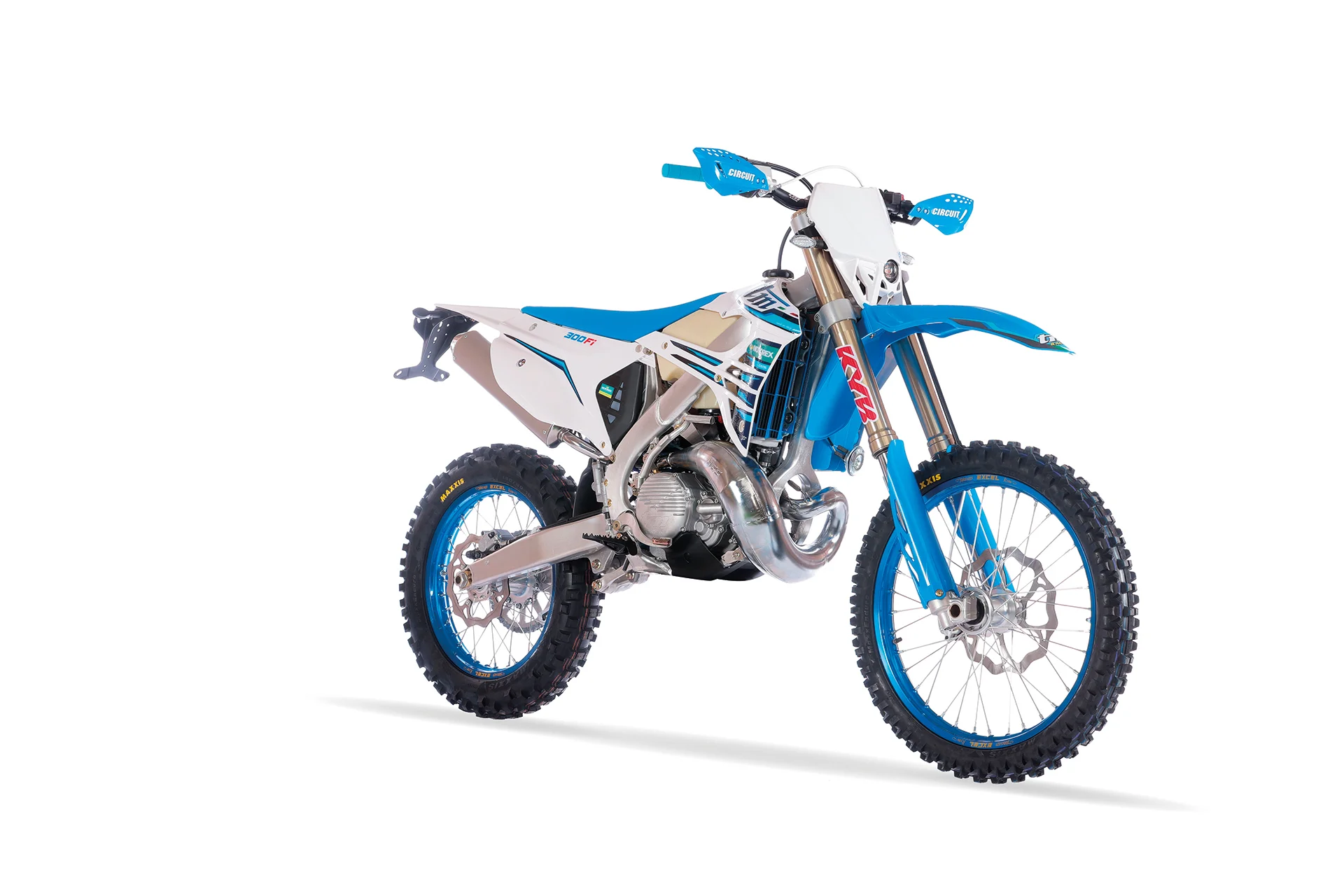
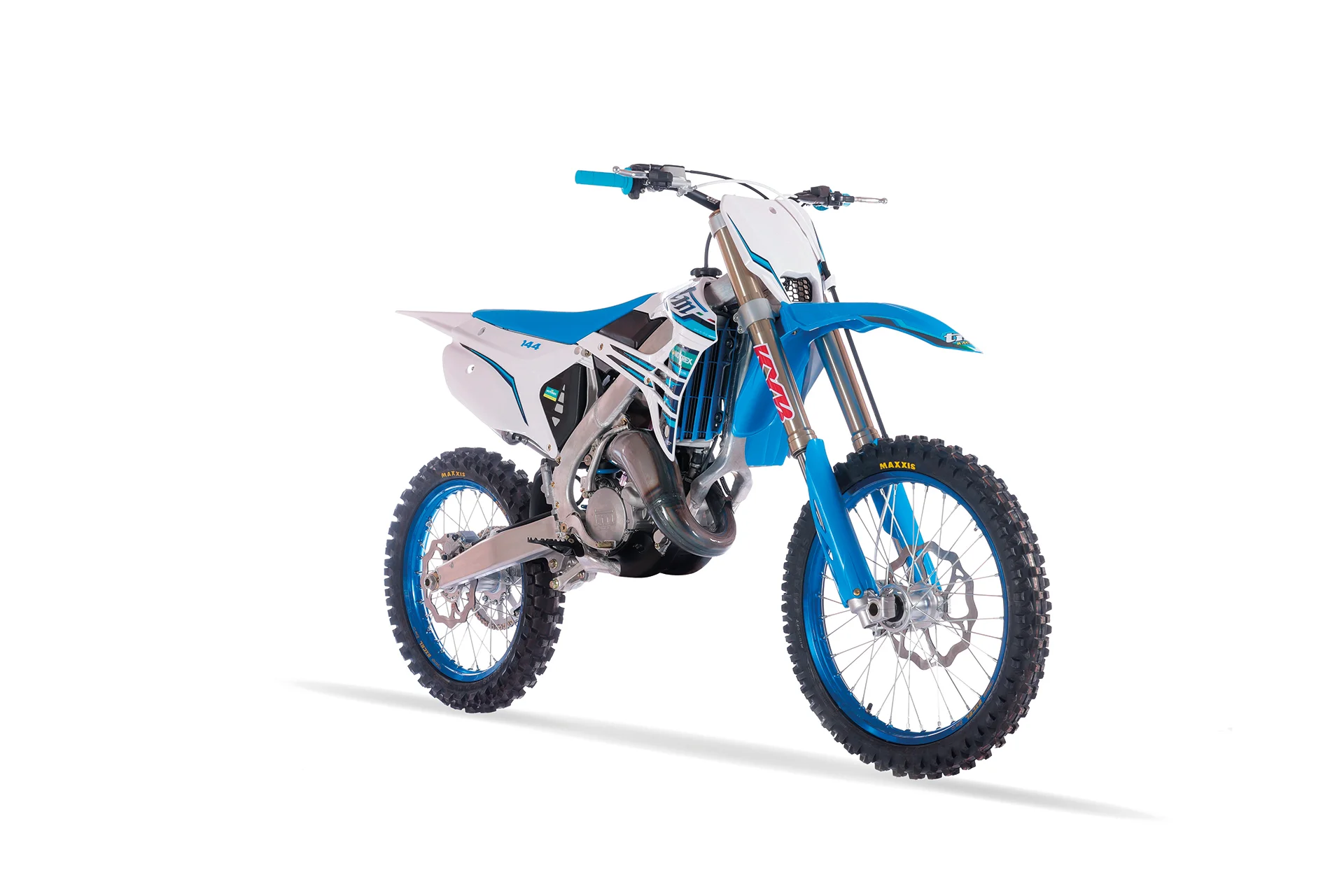
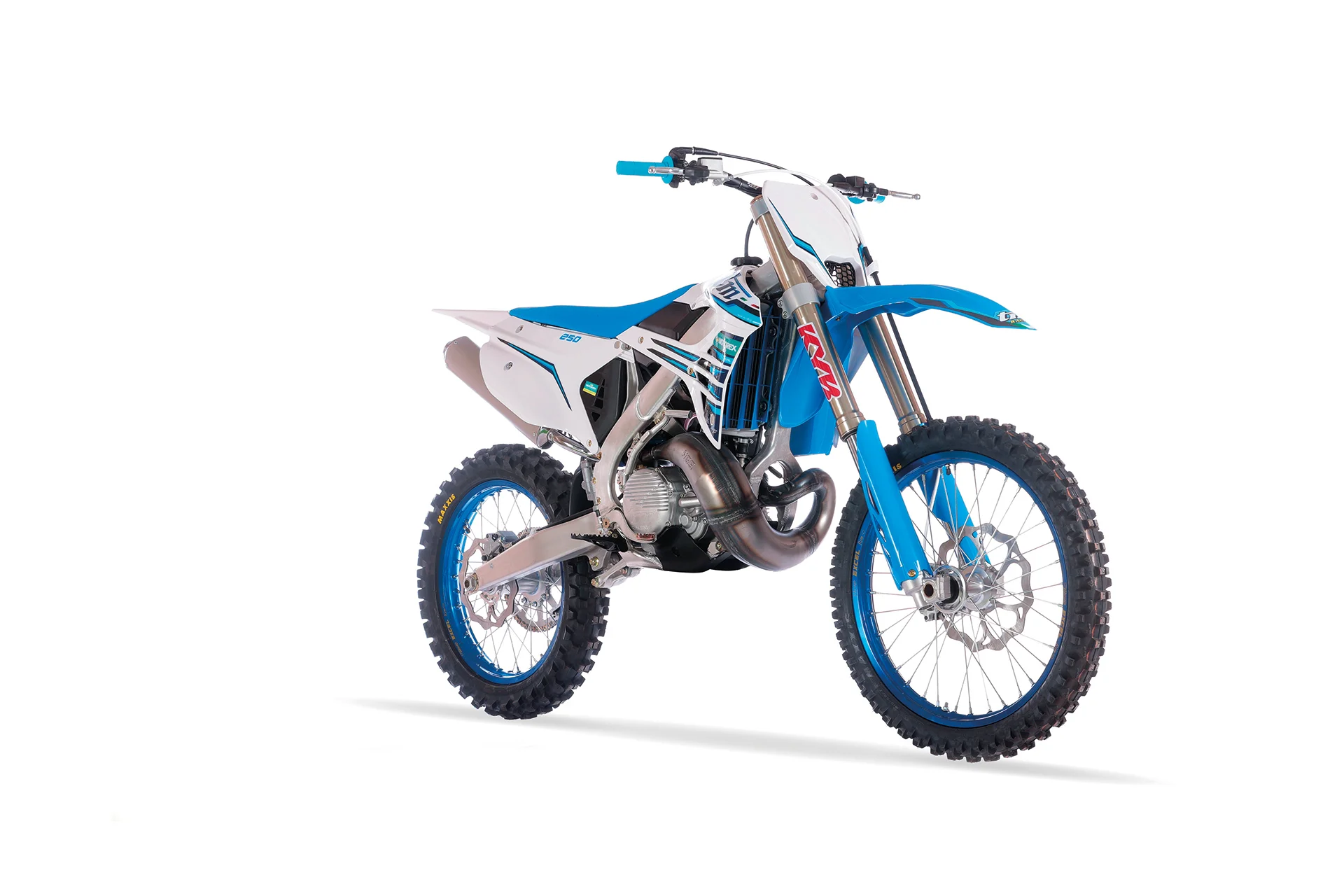
- Two-Stroke Dedication: While other manufacturers have largely abandoned two-stroke development, TM continues to refine and improve their two-stroke engines. Their fuel-injected two-strokes, like those found in the 2023 MX 250 ES model, offer a competitive alternative to four-strokes in many racing classes.
- Hand-Built Quality: Every TM motorcycle is hand-assembled in their Italian factory. This allows for a higher level of quality control and attention to detail than mass-produced bikes.
Compared to a brand like Husqvarna, which is now under the KTM umbrella and benefits from shared platforms and mass production efficiencies, TM retains a fiercely independent approach. While Husqvarna offers a broader range of models and price points, TM focuses on a smaller, more exclusive segment of the market.
TM Global Presence
TM's global presence is smaller than that of the major Japanese and European manufacturers. Their primary markets are Europe (especially Italy, France, and Germany) and North America. They rely on a network of independent dealers to distribute their motorcycles.
Racing is integral to the TM brand. They actively support racing teams and riders in motocross, enduro, and supermoto. Their success on the track helps to validate their engineering and performance claims. The Racing MX 250, for instance, is a direct result of their racing development efforts.
TM does not have significant subsidiaries or partnerships in the same way that larger manufacturers do. They maintain a relatively small and independent operation, allowing them to focus on their core values of performance and quality.
Iconic TM Models
Here are some of the most important models in TM's history:
- TM 125 MX (Early Models): These early bikes established TM's reputation for high-performance two-strokes. Their competitive edge came from meticulous tuning and high-quality components.
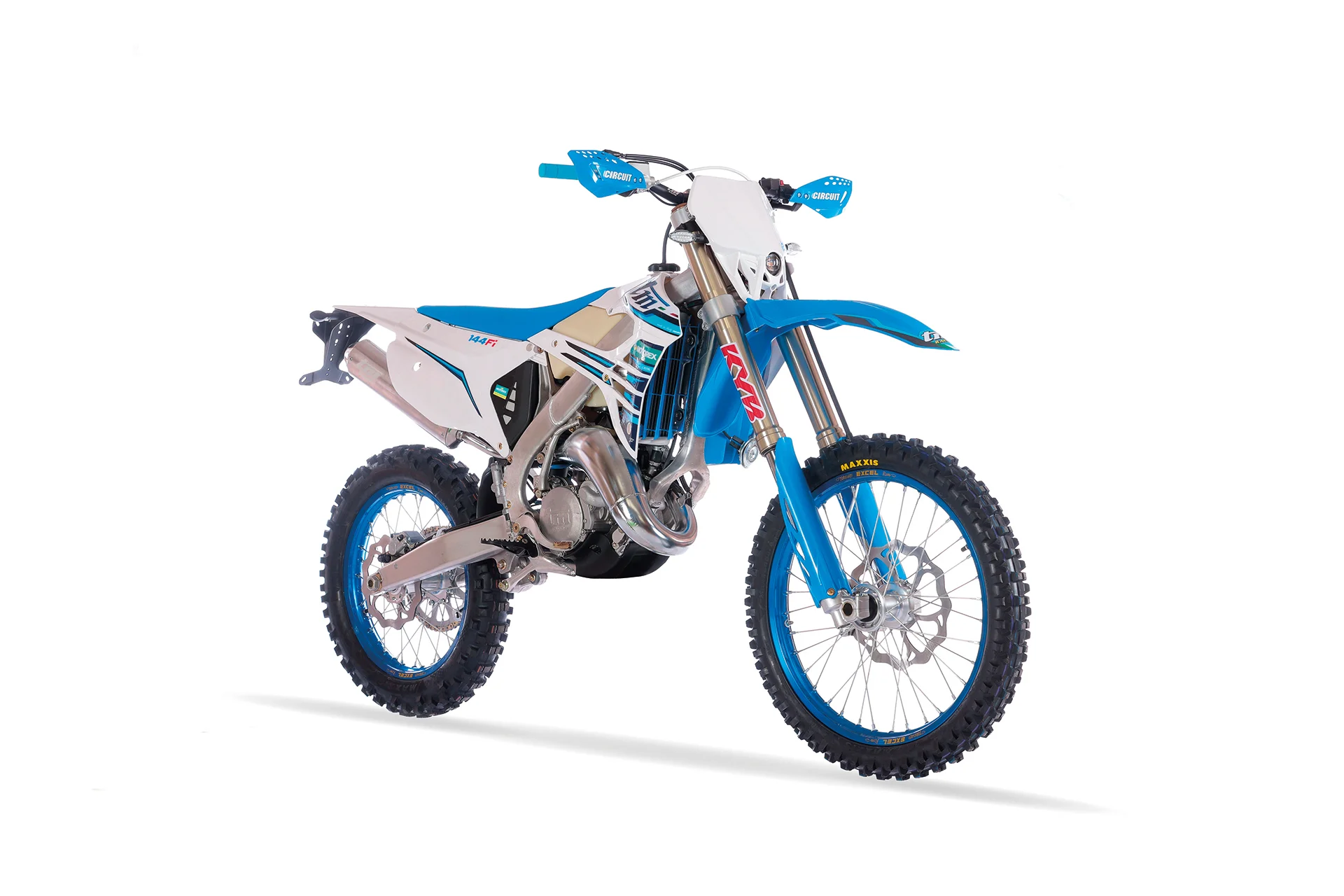
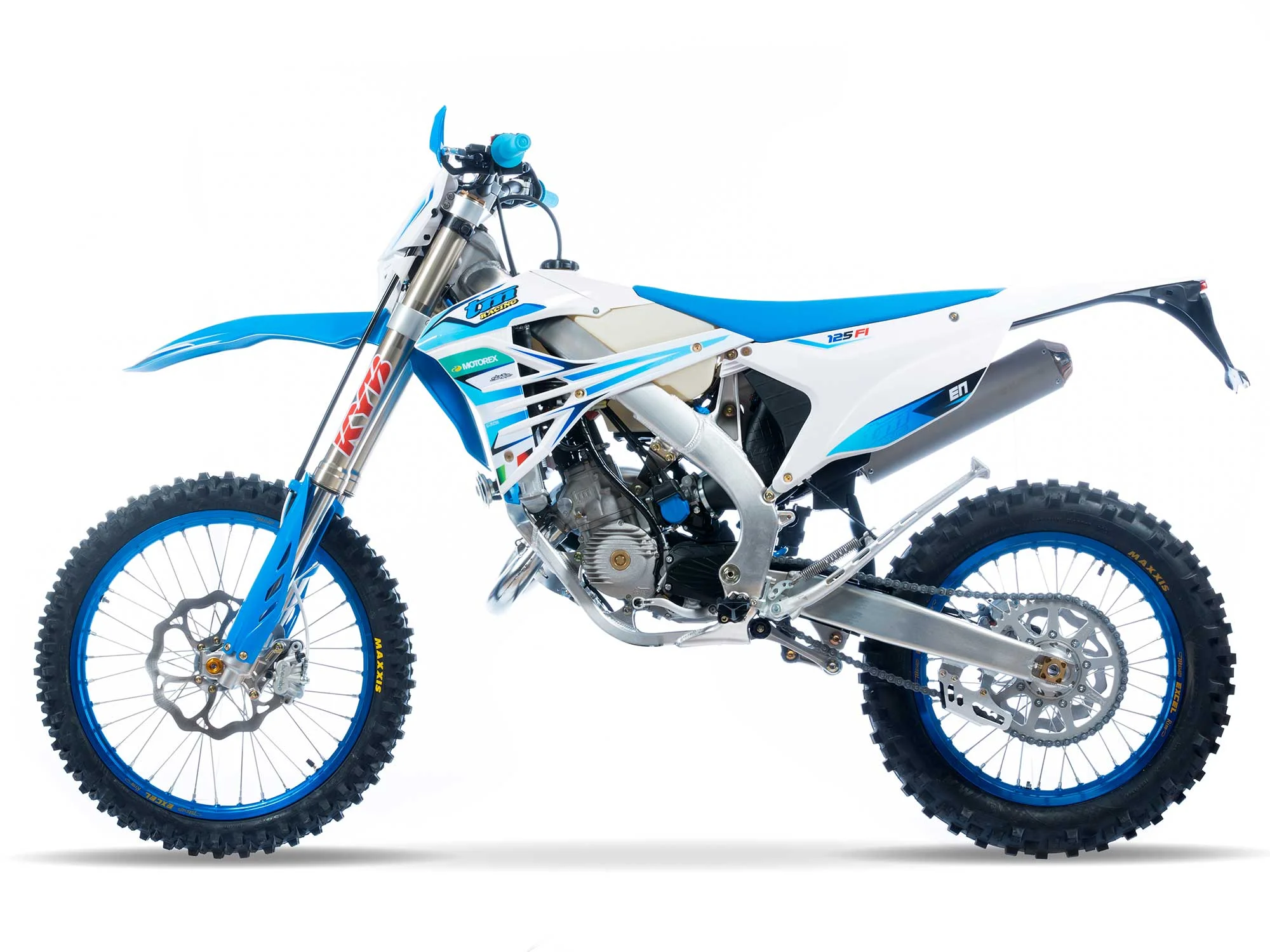
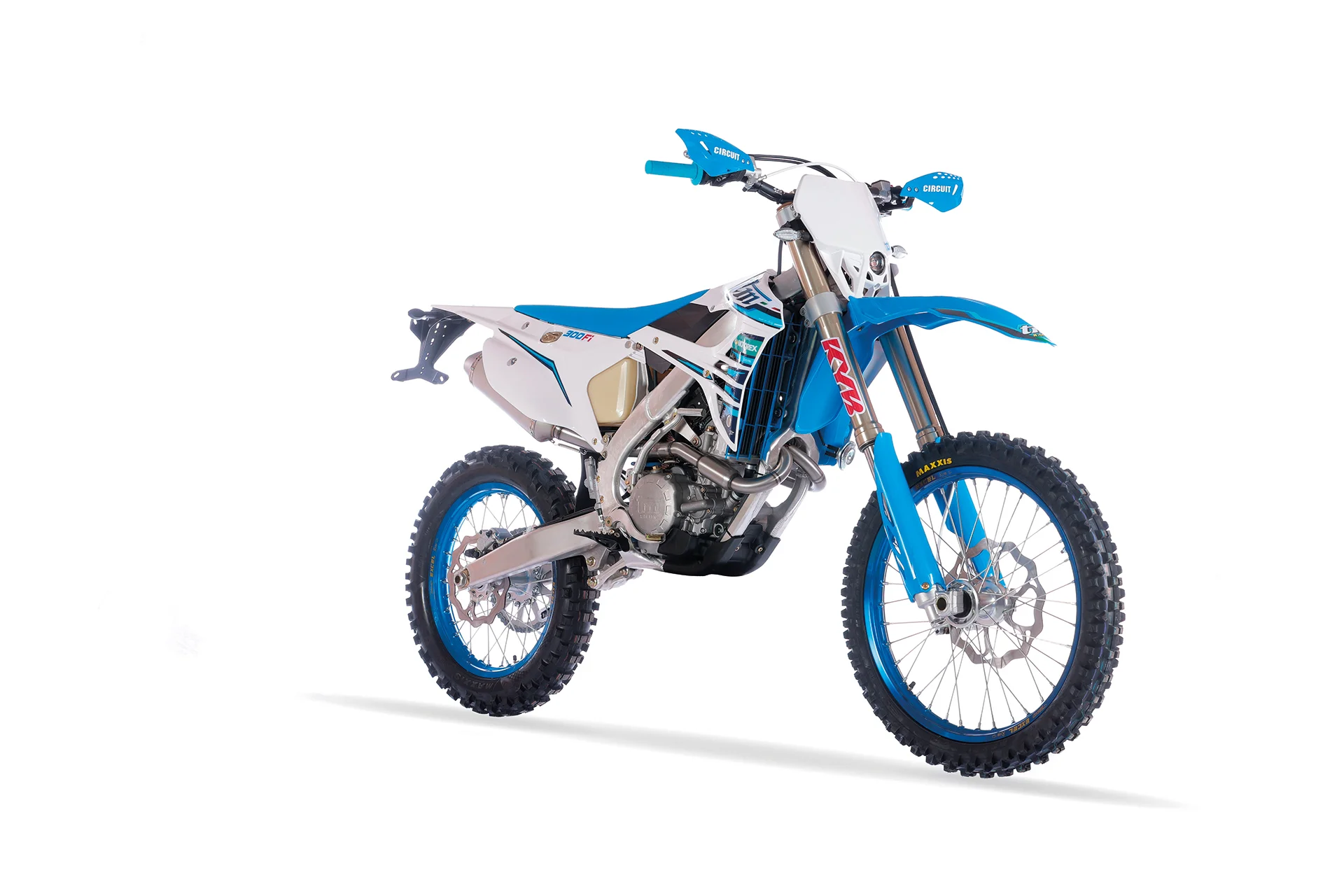
- TM EN 250: A staple in the enduro world, the EN 250 is known for its powerful engine and capable handling in challenging terrain. It represents TM's commitment to off-road racing.
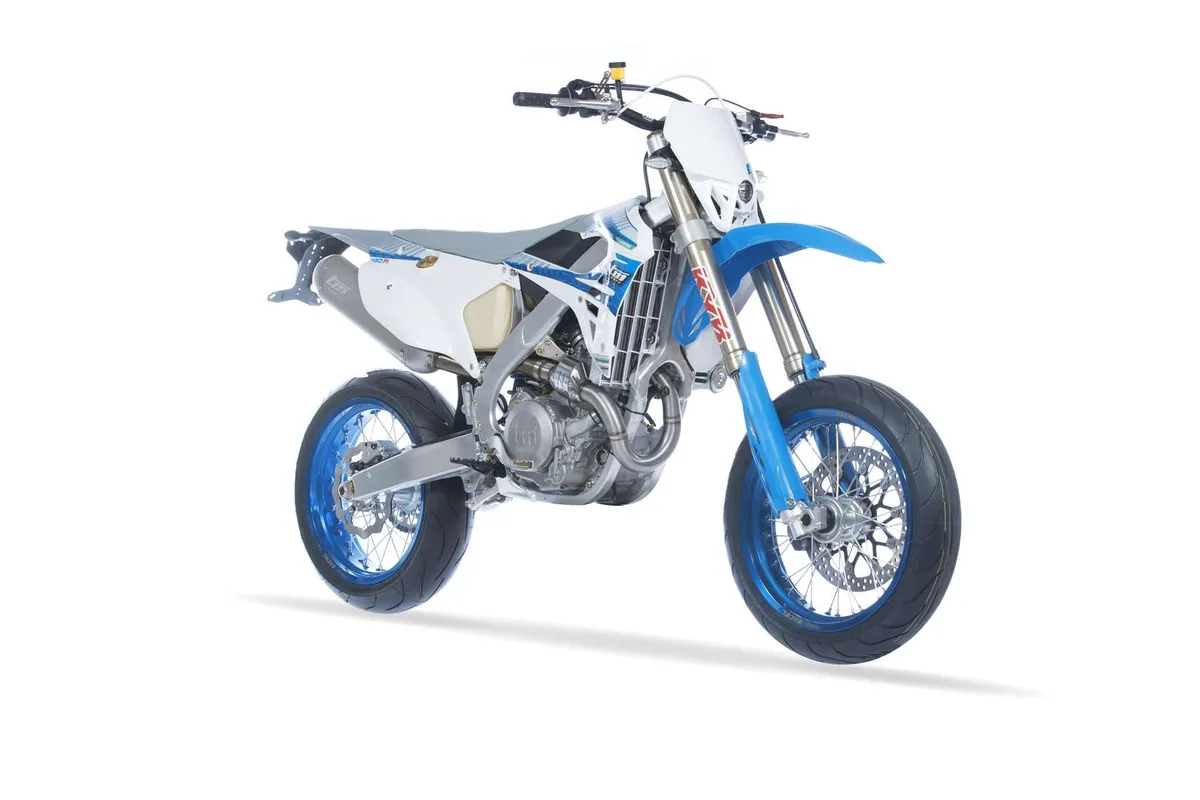
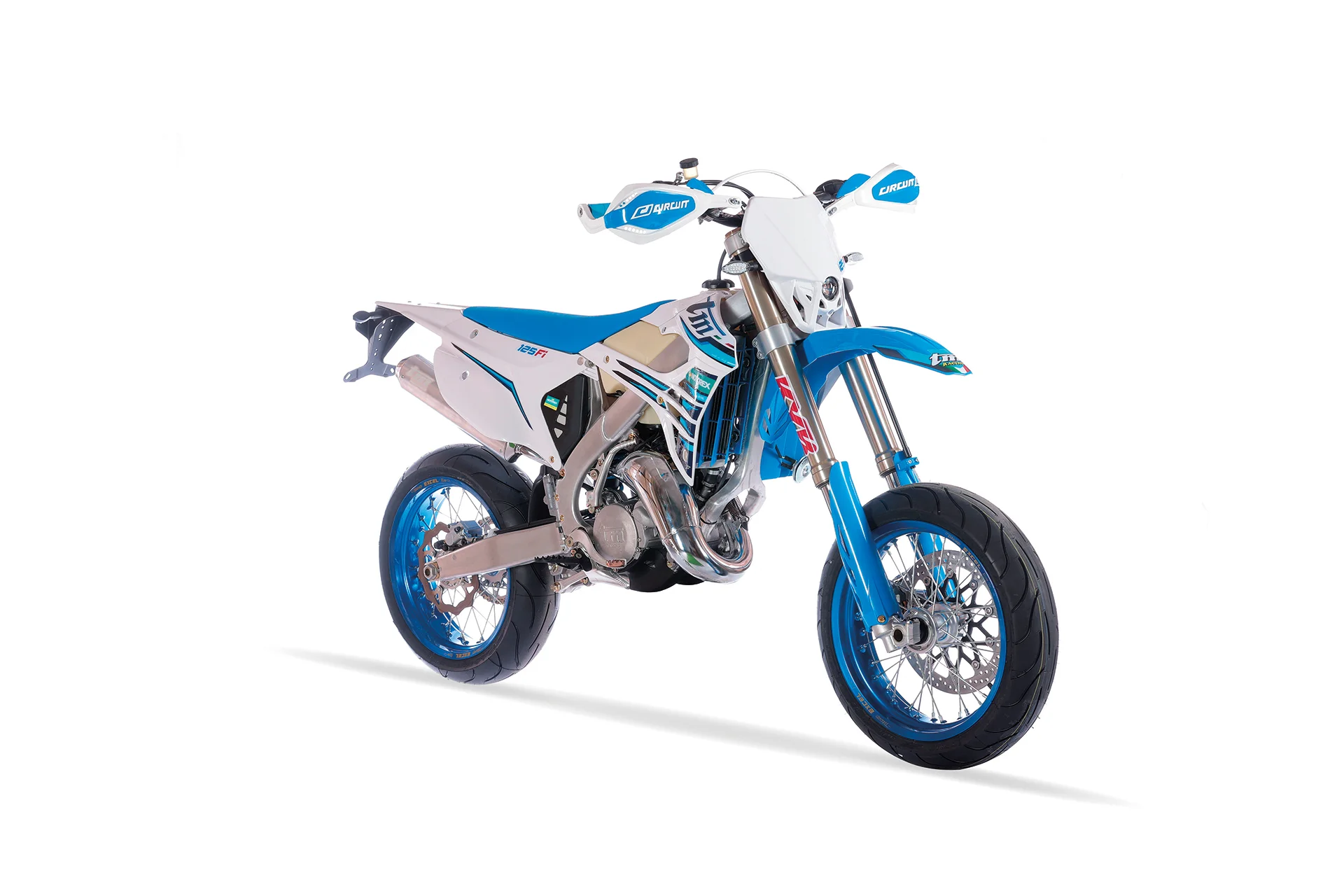
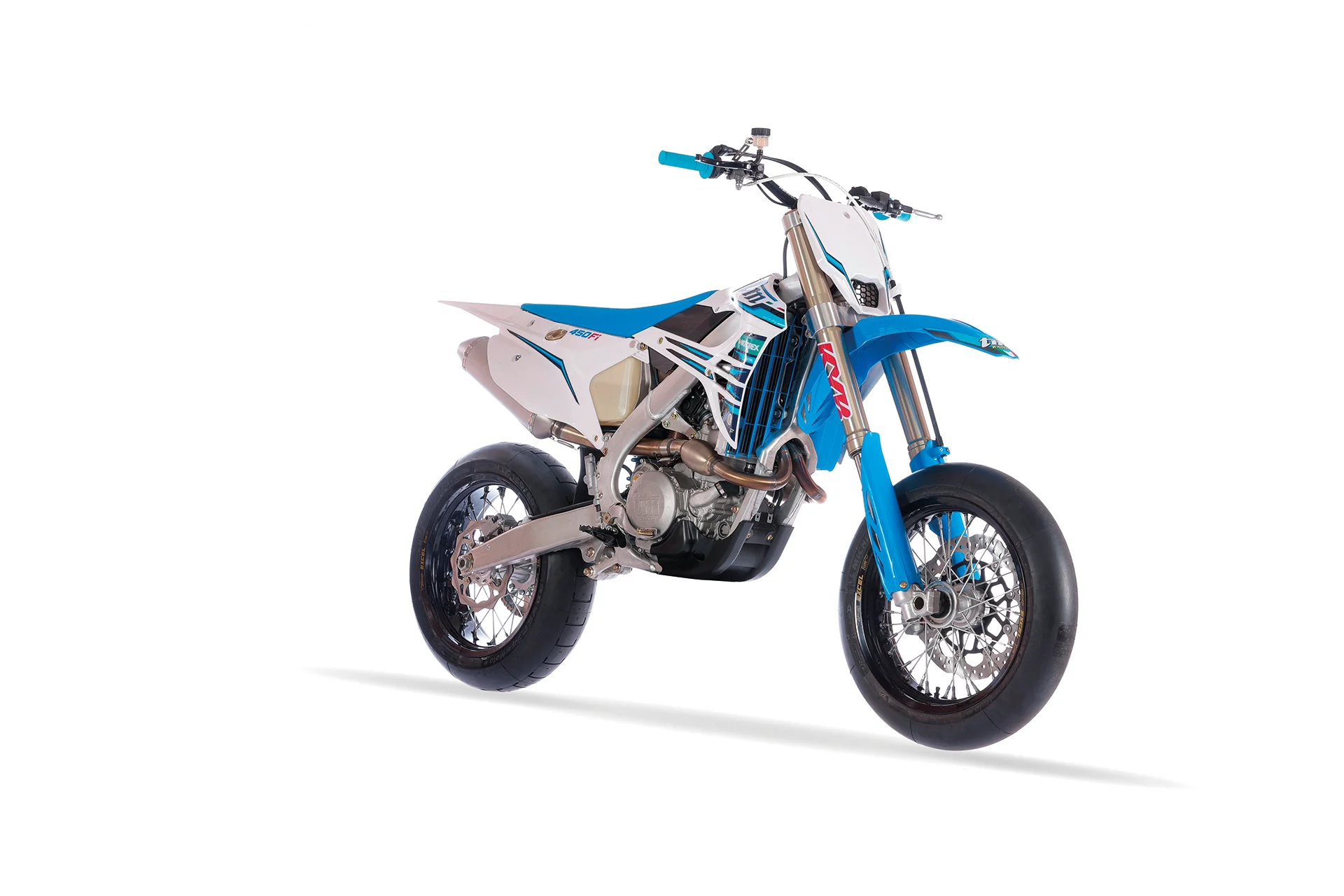
- TM SMR 450: This supermoto machine showcases TM's engineering prowess with its potent four-stroke engine and race-tuned chassis. It's a testament to their ability to compete in diverse racing disciplines.
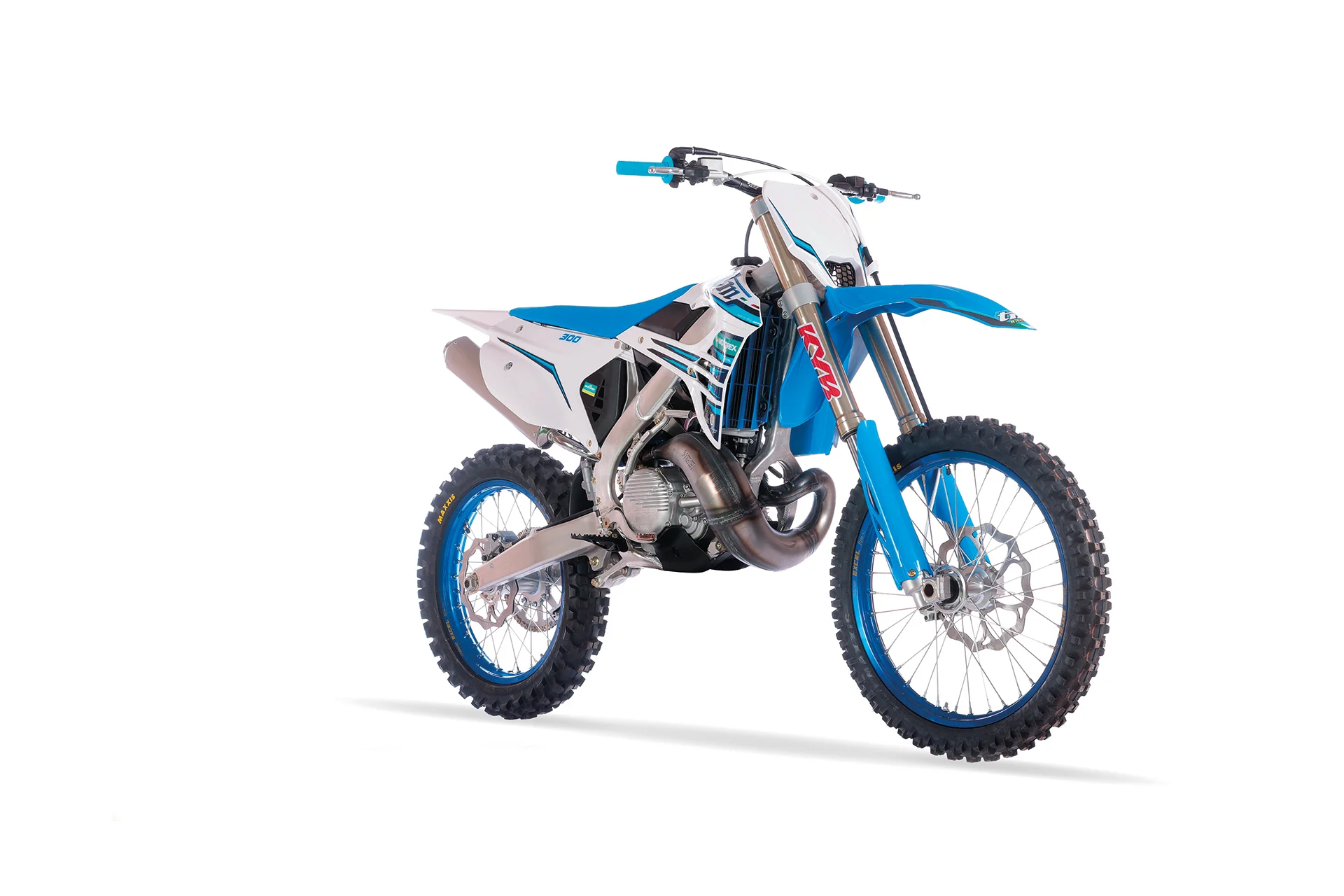
- TM MX 300: The MX 300 is a favorite among riders who appreciate the raw power and responsiveness of a large-bore two-stroke. It's a no-compromise machine built for performance.
Buying Advice for TM
TM motorcycles are not for everyone. They are best suited for experienced riders who prioritize performance and are willing to invest in a high-end machine. They are also a good choice for racers who are looking for a competitive edge.
Here's a breakdown of budget tiers:
- Entry-Level (if applicable, though rare): There isn't a true "entry-level" TM in the traditional sense. Even their smaller displacement models, like the MX 125, are built to a high standard and command a premium price. A used model might be the only way to get into the brand at a lower price point.
- Mid-Range (approximately $9,000 - $11,000 USD): This range typically includes models like the EN 250 and MX 250. These are highly capable machines that offer excellent performance for both recreational riding and racing.
- Premium (approximately $11,000+ USD): The premium tier includes models with advanced features, such as fuel injection and upgraded suspension components. The SMR 450 and higher-spec MX models often fall into this category. Expect to pay a premium for the hand-built quality and exclusive performance.
Maintenance and long-term ownership of a TM motorcycle require a different approach than with more mainstream brands. Parts availability may be more limited, and specialized knowledge may be required for certain repairs. It's crucial to find a reputable TM dealer or mechanic who is familiar with these machines. Regular maintenance, including frequent oil changes and air filter cleaning, is essential to keep a TM running at its best. The high-performance nature of these bikes means that components may wear out more quickly than on less aggressively tuned machines. Be prepared for a higher cost of ownership compared to a mass-produced motorcycle. However, for those who appreciate the unique character and performance of a TM, the investment is well worth it.
📌 This content is AI-assisted with editorial review.