Triumph Brand History
Triumph Motorcycles boasts a long and storied history, beginning in 1902 in Coventry, England, although the Triumph name was first used on bicycles in 1886. Founded by Siegfried Bettmann, the company initially focused on bicycle manufacturing before venturing into the world of motorized two-wheelers. By 1937, Triumph was on the rise.
The Speed Twin, launched in 1938, is arguably Triumph's first truly significant motorcycle. Designed by Edward Turner, the Speed Twin was a 498cc parallel-twin engine that was a revolutionary design. It was lighter and more responsive than many of its contemporaries, setting a new standard for British motorcycle engineering and paving the way for Triumph's future success.
Here are some key milestones in Triumph's history:
- 1937: The Speed Twin 5T revolutionizes motorcycle design with its lightweight parallel-twin engine.
- 1956: Triumph achieves a land speed record of 214.4 mph at Bonneville Salt Flats.
- 1969: The release of Easy Rider, featuring Triumph motorcycles, helps to solidify the brand's cool image in popular culture.
- 1983: The original Triumph Engineering goes into receivership, marking a challenging period for the brand.
- 1990: John Bloor relaunches Triumph Motorcycles with a new range of models manufactured in Hinckley, Leicestershire, signaling a rebirth for the iconic marque.
Triumph Philosophy and Engineering
Triumph's manufacturing philosophy centers around creating motorcycles that are both stylish and functional, blending classic aesthetics with modern technology. They aim to provide a riding experience that is engaging and accessible, catering to a wide range of riders.
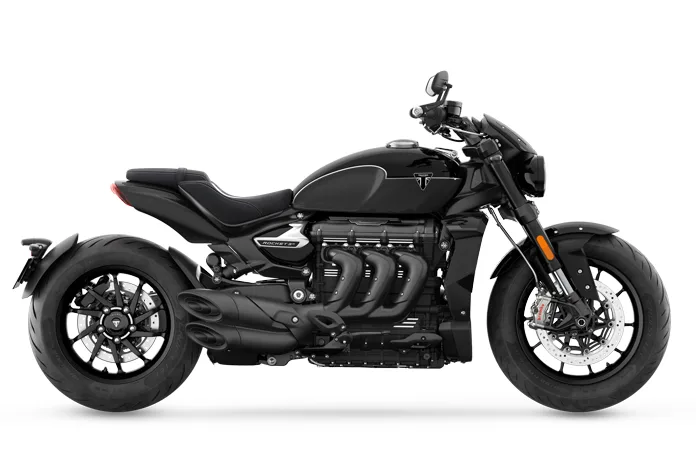
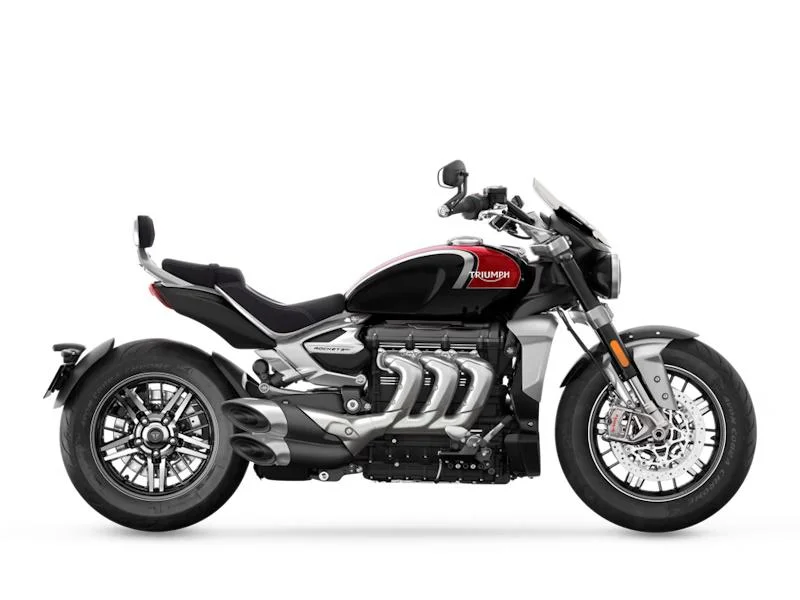
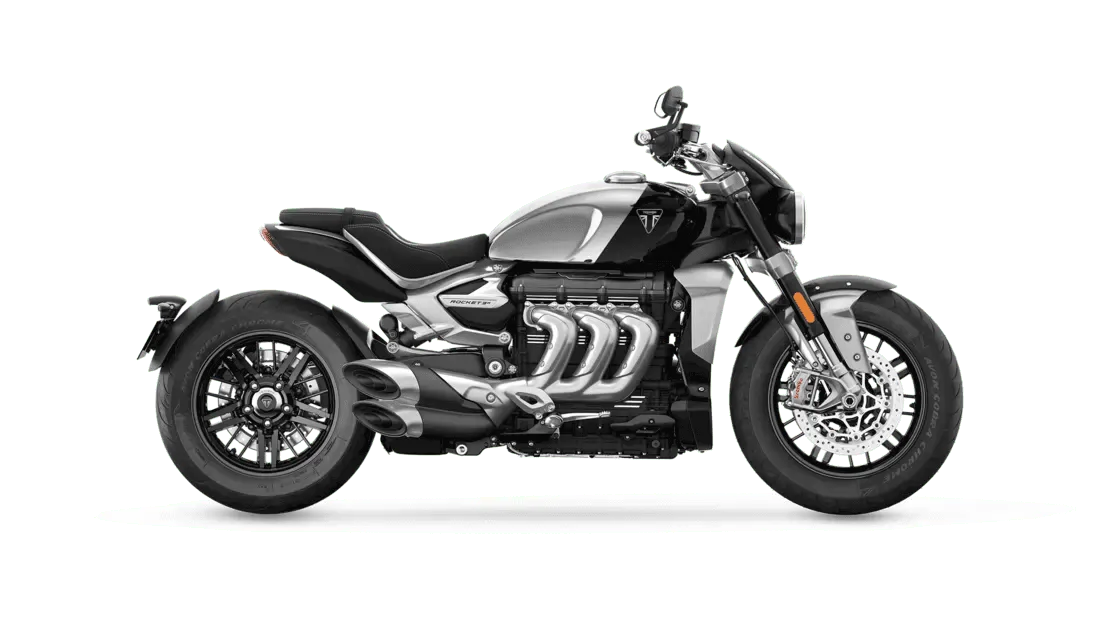
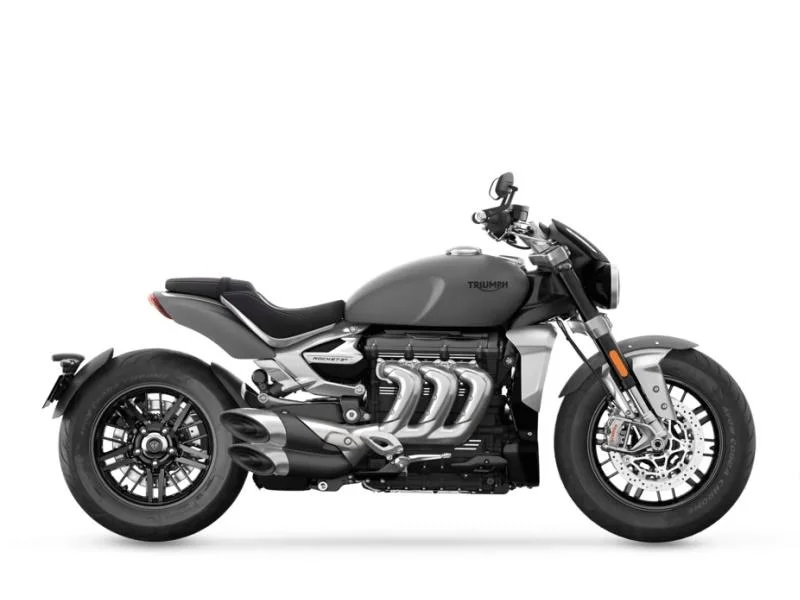
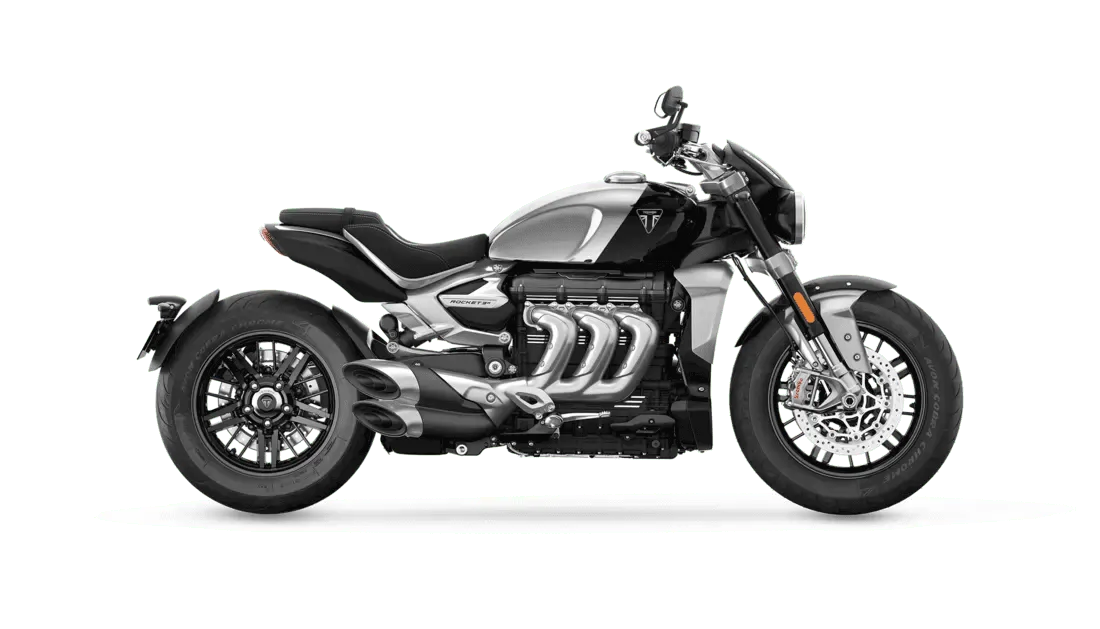
Triumph's engineering approach is characterized by a focus on developing distinctive engines, robust chassis, and incorporating user-friendly electronics. The parallel-twin engine configuration is a hallmark of Triumph, although they also produce inline-three and inline-four engines. For example, the current Rocket 3 features a massive 2458cc inline-three engine, demonstrating Triumph's willingness to push the boundaries of engine design.
Two specific differentiators for Triumph are:
- Engine Character: Triumph engines, particularly the parallel-twins and triples, are known for their torque-rich power delivery and distinctive exhaust note. This gives Triumph bikes a unique feel that is appreciated by many riders.
- Retro-Modern Styling: Triumph has successfully blended classic design cues with modern engineering and technology. This retro-modern approach appeals to riders who appreciate the heritage of the brand while also wanting a reliable and capable motorcycle.
Compared to a brand like Ducati, which often focuses on high-performance sportbikes and cutting-edge technology, Triumph emphasizes a more balanced approach, prioritizing rider comfort and usability alongside performance.
Triumph Global Presence
Triumph has a strong global presence, with major markets in Europe, North America, and Asia. They maintain a comprehensive dealer network that provides sales, service, and support to customers worldwide. The company has established a significant foothold in the US market, where the retro-modern appeal resonates with a large segment of riders.
Triumph has a rich racing heritage, particularly in the Isle of Man TT and other road racing events. In recent years, Triumph has returned to racing in a more formal capacity, supplying engines for the Moto2 World Championship, showcasing their engineering capabilities on a global stage. This involvement further enhances the brand's image as a manufacturer of high-quality, performance-oriented motorcycles.
Triumph has established subsidiaries and partnerships to support its global operations. The company has manufacturing facilities in Thailand, which help to streamline production and reduce costs. These facilities adhere to the same high standards of quality as the Hinckley factory, ensuring that all Triumph motorcycles meet the brand's rigorous specifications.
Iconic Triumph Models
Here are some of the most important models in Triumph's history:
- Speed Twin (1938): As mentioned earlier, the Speed Twin revolutionized motorcycle design with its lightweight and responsive parallel-twin engine. It established Triumph as a leader in motorcycle engineering and paved the way for future success.
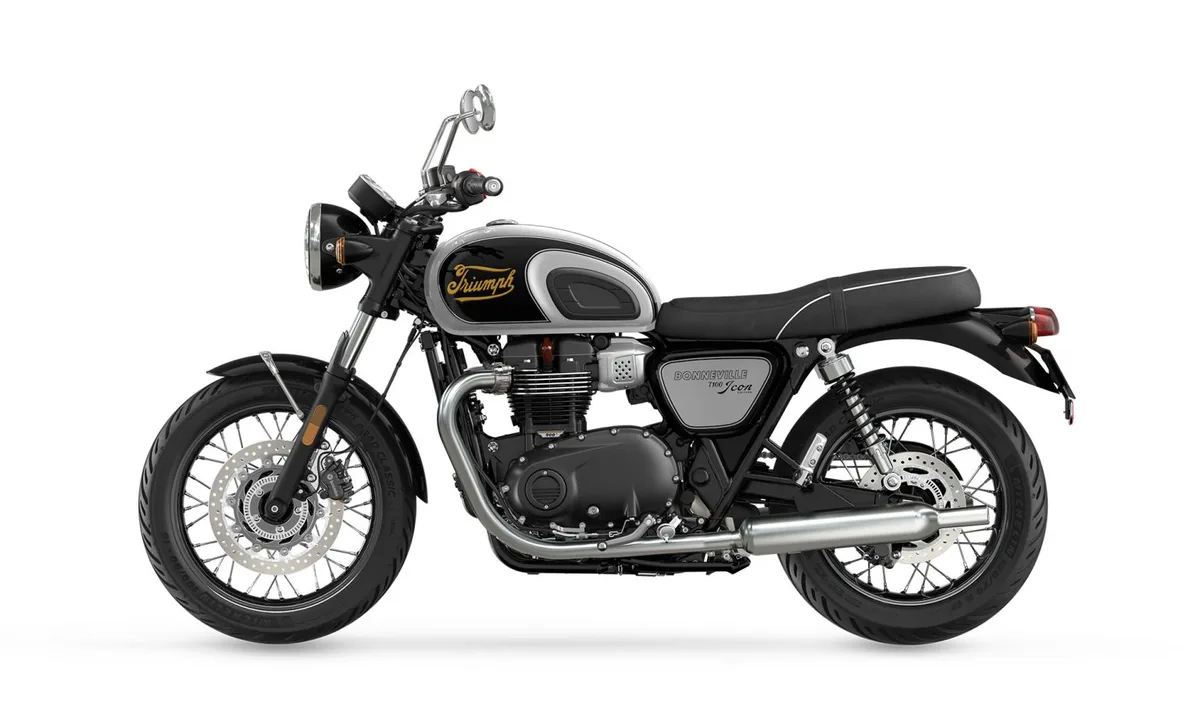
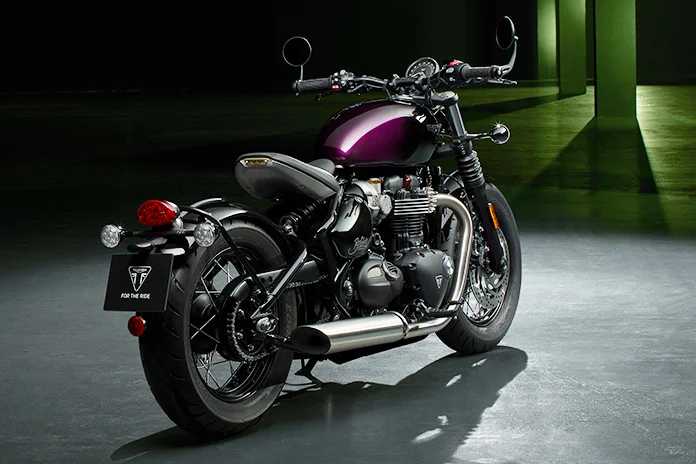
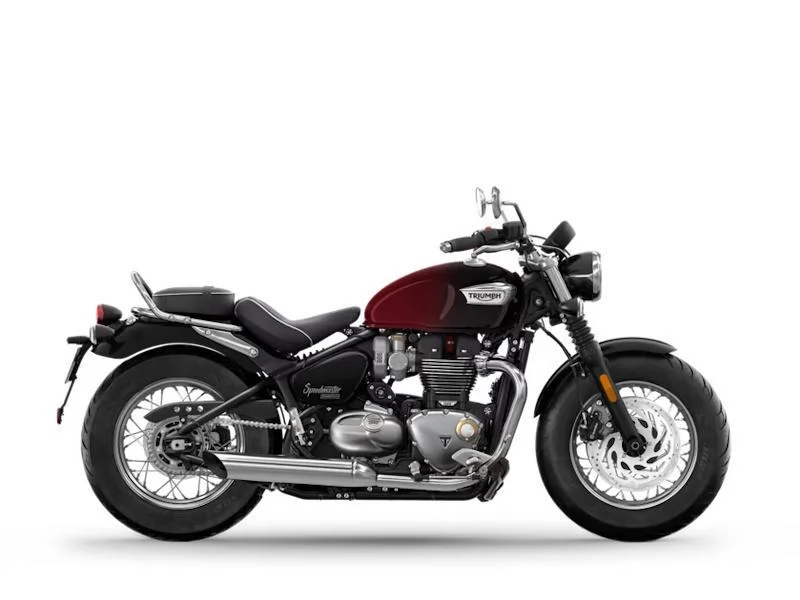
- Bonneville T120 (1959): Named after the Bonneville Salt Flats, where Triumph achieved land speed records, the Bonneville T120 became a symbol of British motorcycle performance and style. Its sleek design and powerful engine made it a popular choice for riders around the world.
- Triumph Trident T150 (1968): The Trident was Triumph's answer to the Japanese invasion. The Trident was a 741 cc motorcycle and the first production motorcycle with a triple engine.
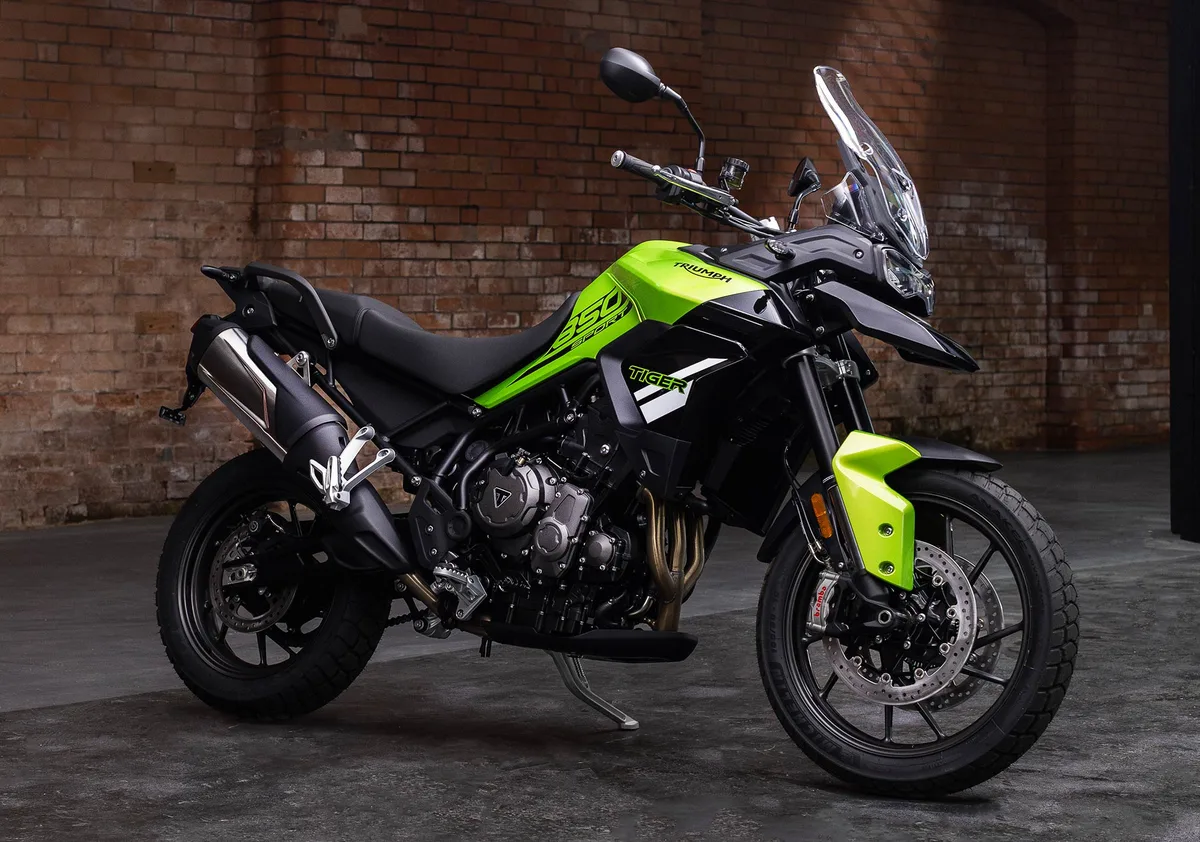
- Triumph Tiger (1938): The Tiger models represent Triumph's adventure-touring capabilities. From the early rigid-frame models to the modern Tiger 900 and Tiger 1200, the Tiger line has consistently delivered a capable and versatile riding experience.
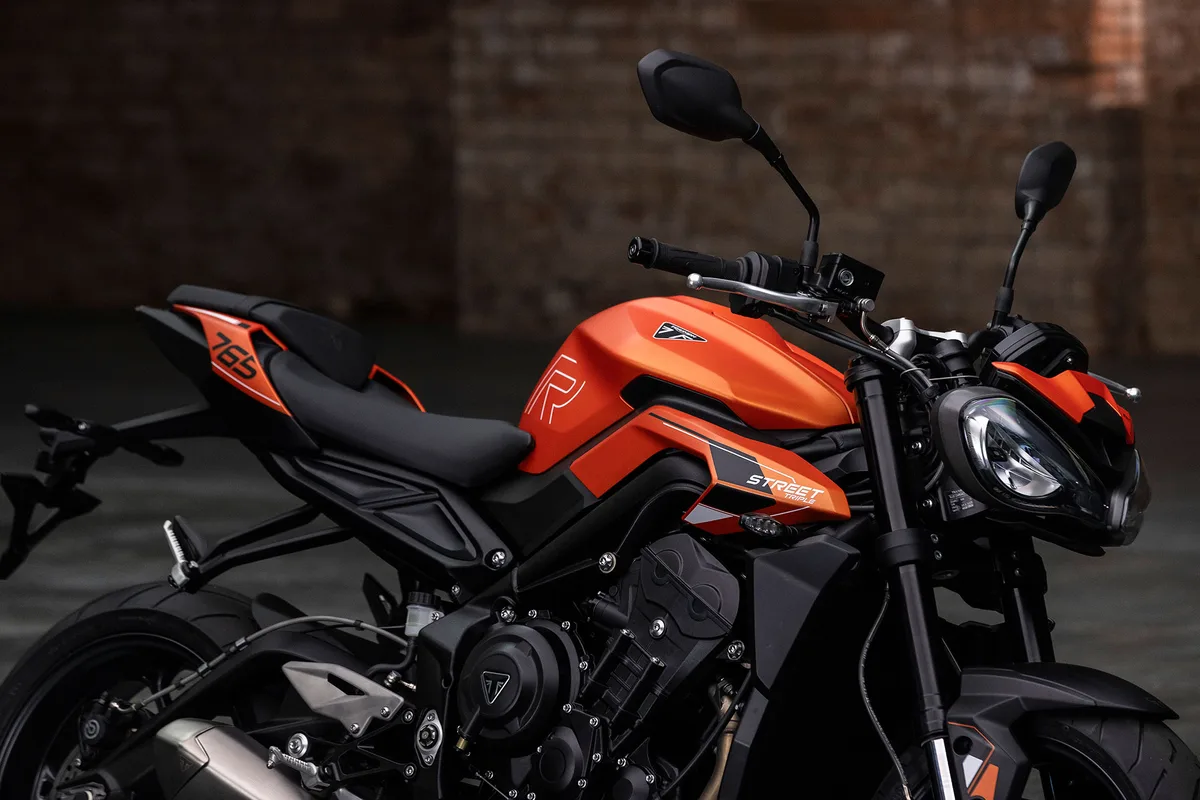
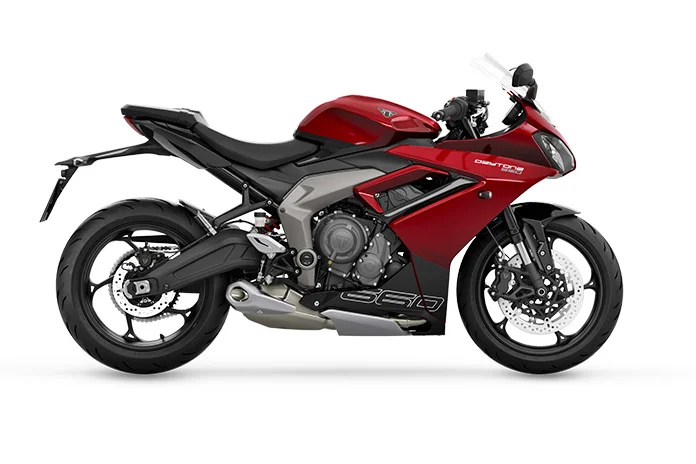
- Triumph Street Triple (2007): This naked bike, derived from the Daytona 675 sportbike, has become a modern classic. Its agile handling, punchy engine, and distinctive styling have made it a popular choice among riders seeking a fun and engaging riding experience.
Buying Advice for Triumph
Triumph motorcycles are well-suited for riders who appreciate classic styling, engaging performance, and a rich heritage. The brand offers a diverse range of models, catering to different riding styles and preferences. Whether you're looking for a retro-inspired roadster, an adventure-touring machine, or a sporty naked bike, Triumph has something to offer.
Here's a breakdown of Triumph's lineup by budget tiers:
Entry-Level:
The entry-level tier typically includes models like the Street Twin (now Speed Twin 900) and Trident 660. These bikes offer a great combination of style, performance, and affordability, making them ideal for new riders or those looking for a versatile and accessible motorcycle. The Trident 660, for example, provides a smooth and manageable power delivery, along with modern features like ride-by-wire throttle and multiple riding modes.
Mid-Range:
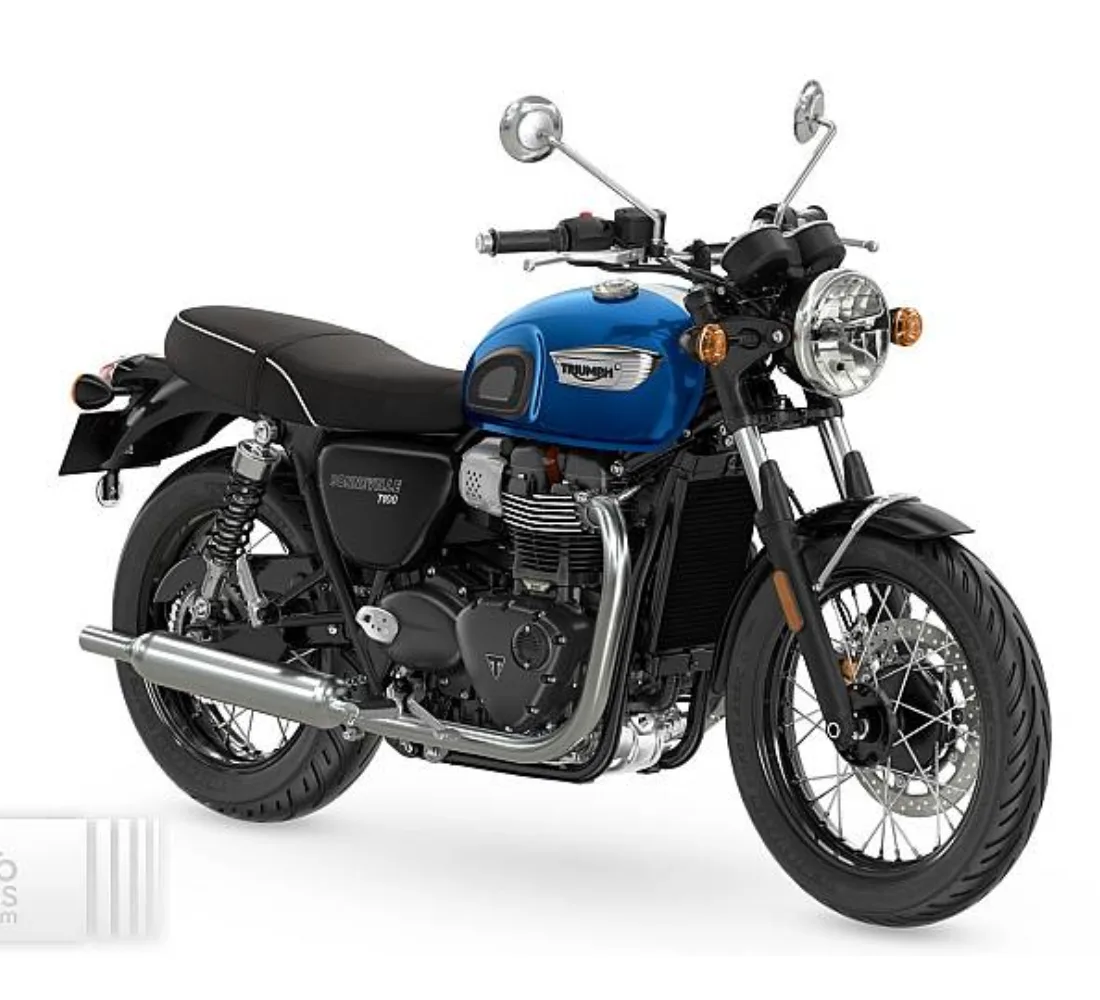
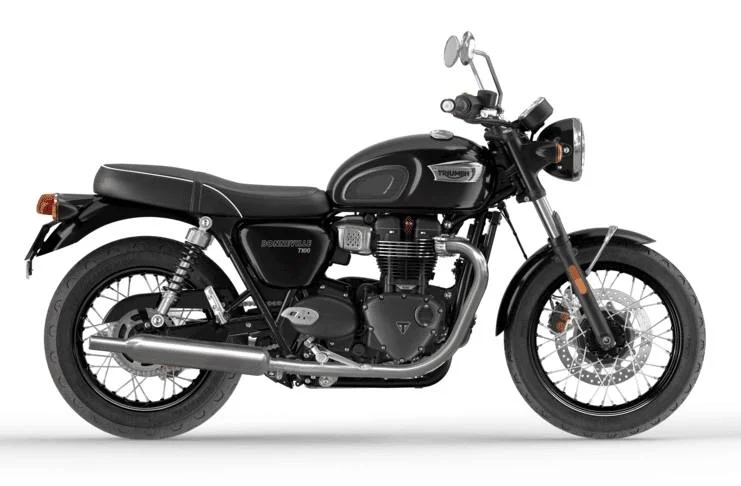
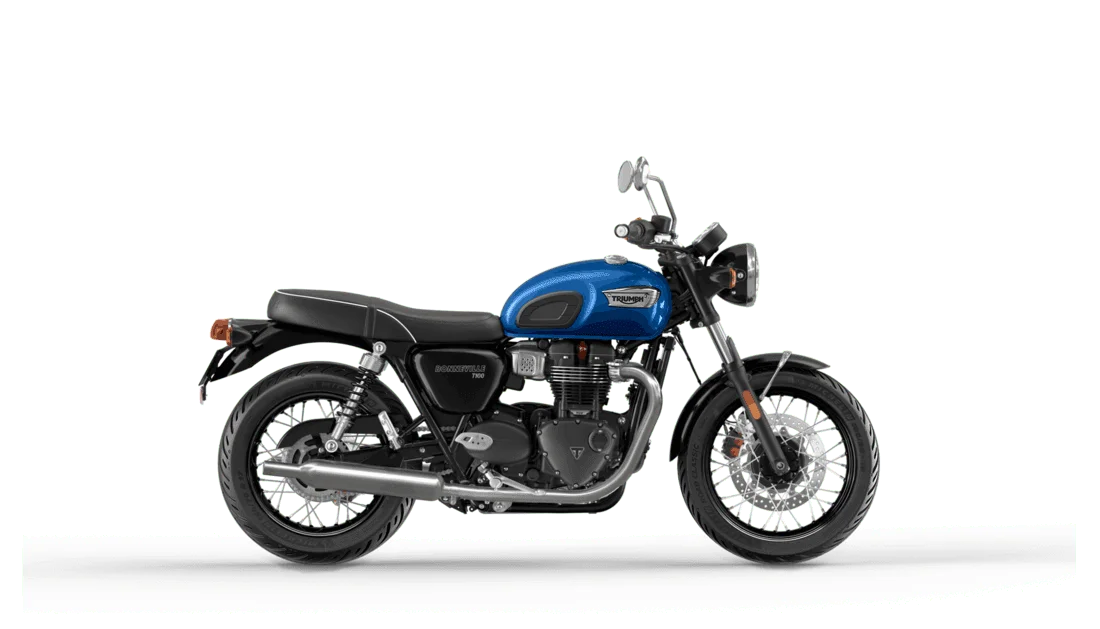
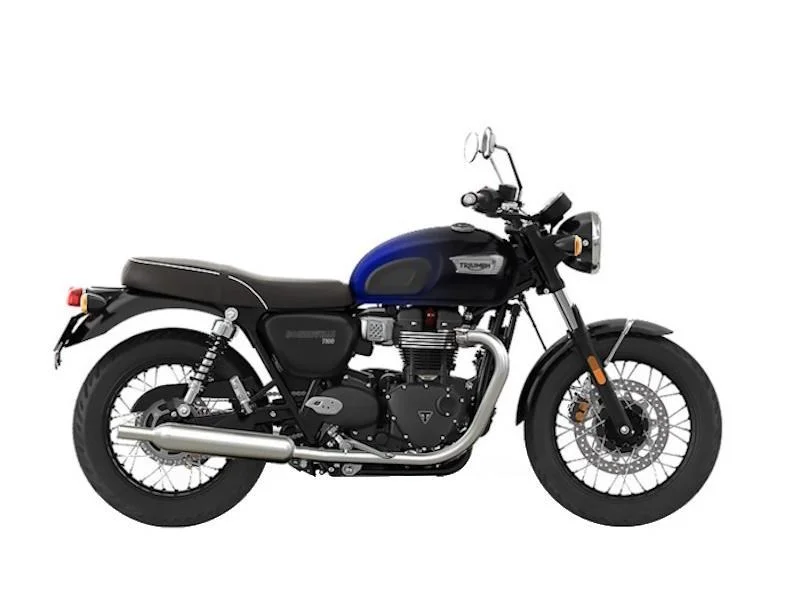
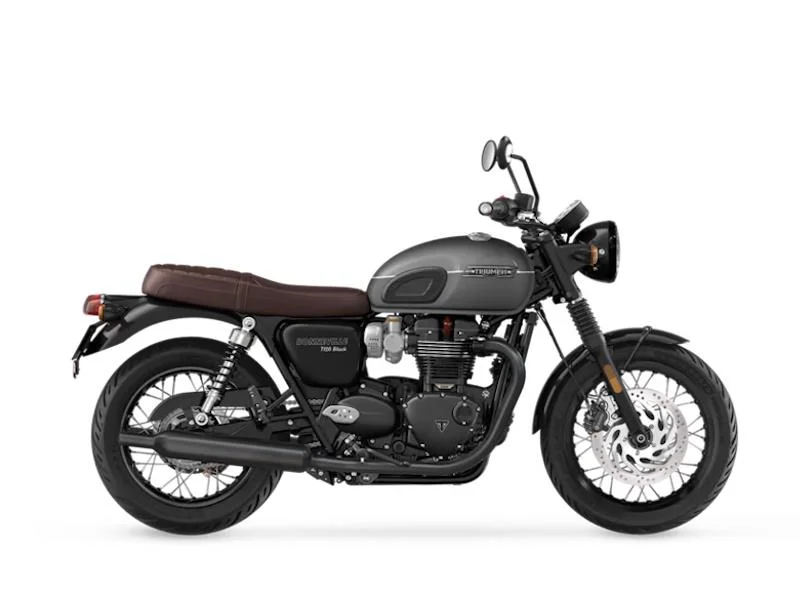
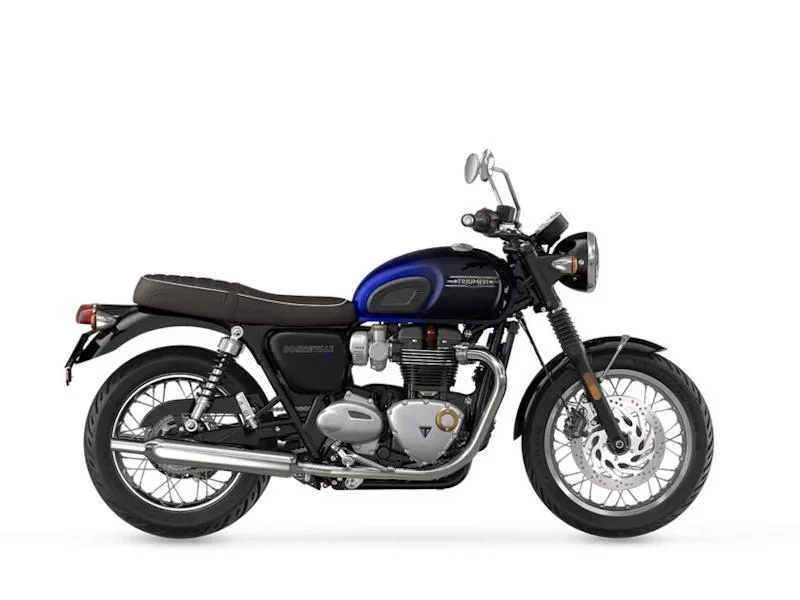
The mid-range tier includes models like the Bonneville T100, Speed Twin 1200, and Tiger 900. These bikes offer a step up in terms of performance, features, and refinement. The Bonneville T100 provides a classic riding experience with its retro styling and smooth parallel-twin engine. The Speed Twin 1200, with its 1200cc engine producing around 99 hp, offers a more sporty and engaging ride. The Tiger 900 is a versatile adventure bike that is capable both on and off-road.
Premium:
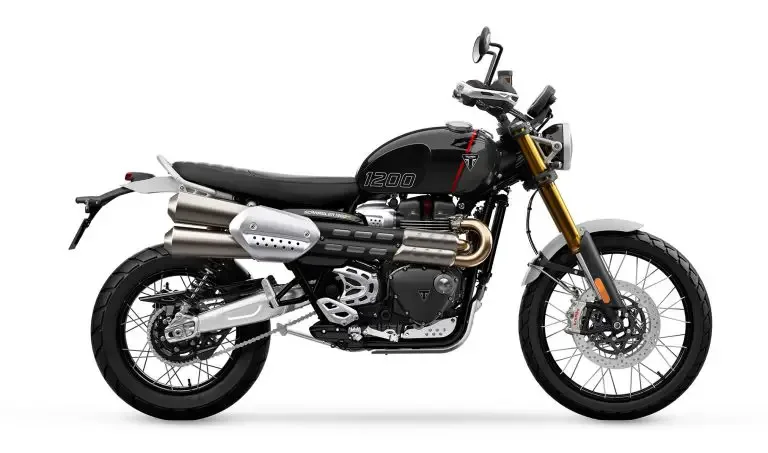
The premium tier includes models like the Rocket 3, Tiger 1200, and Thruxton RS. These bikes represent the pinnacle of Triumph engineering and design, offering top-of-the-line performance, features, and exclusivity. The Rocket 3, with its massive engine and muscular styling, is a true statement bike. The Tiger 1200 is a fully-equipped adventure bike that is ready to tackle any terrain. The Thruxton RS is a cafe racer that combines classic styling with modern performance.
Maintenance and long-term ownership of a Triumph motorcycle are generally straightforward. Triumph dealerships offer comprehensive service and support, and parts are readily available. Regular maintenance, such as oil changes, filter replacements, and chain adjustments, is essential for keeping your Triumph running smoothly. It is advisable to follow the manufacturer's recommended service intervals and use genuine Triumph parts to ensure optimal performance and reliability. Overall, owning a Triumph can be a rewarding experience, providing years of enjoyment and memorable riding experiences.
📌 This content is AI-assisted with editorial review.