Yamaha Brand History
Yamaha's journey began in 1887, not with motorcycles, but with musical instruments. Torakusu Yamaha founded Nippon Gakki Co., Ltd. (later Yamaha Corporation) in Hamamatsu, Japan, initially manufacturing reed organs. It wasn't until after World War II that Yamaha ventured into the world of motorized transportation, leveraging their expertise in metalworking and engine technology.
The first significant model was the YA-1, also known as the Akatombo (Red Dragonfly), released in 1955. This 125cc, two-stroke single-cylinder motorcycle was directly inspired by the German DKW RT125. The Akatombo was important because it showcased Yamaha's ability to quickly adapt and improve upon existing technology. It wasn't just a copy; the YA-1 featured enhancements like a more robust suspension and a refined engine, immediately establishing Yamaha as a serious contender in the burgeoning motorcycle market.
- 1955: Production of the YA-1 begins, marking Yamaha's entry into the motorcycle industry.
- 1959: Yamaha enters the world of Grand Prix racing, demonstrating their commitment to innovation and pushing the boundaries of motorcycle technology.
- 1968: The DT-1 is launched, a 250cc two-stroke enduro motorcycle that helped popularize off-road riding in America and beyond. This model established Yamaha as a leader in the off-road segment.
- 1985: Introduction of the VMAX, a groundbreaking power cruiser with a 1197cc V4 engine, that redefined the cruiser segment with its unexpected acceleration and aggressive styling.
- 1998: The YZF-R1 is released, setting a new benchmark for superbike performance with its compact engine and revolutionary chassis design.
Yamaha Philosophy and Engineering
Yamaha's manufacturing philosophy has always centered on a balance between technological innovation and rider experience. They strive to create motorcycles that are not only mechanically sound and reliable but also enjoyable and accessible to a wide range of riders. This approach is evident in their diverse product lineup, from small-displacement scooters to high-performance superbikes.
Yamaha's engineering approach emphasizes meticulous design and rigorous testing. Their engines are known for their smooth power delivery and durability. The chassis designs often prioritize handling and stability, offering a confidence-inspiring ride. In recent years, Yamaha has also heavily invested in electronic rider aids, such as traction control, ride modes, and quick shifters, to enhance both safety and performance. Consider the CP2 engine found in models like the MT-07 and YZF-R7; its crossplane crankshaft design provides a unique and engaging engine character.
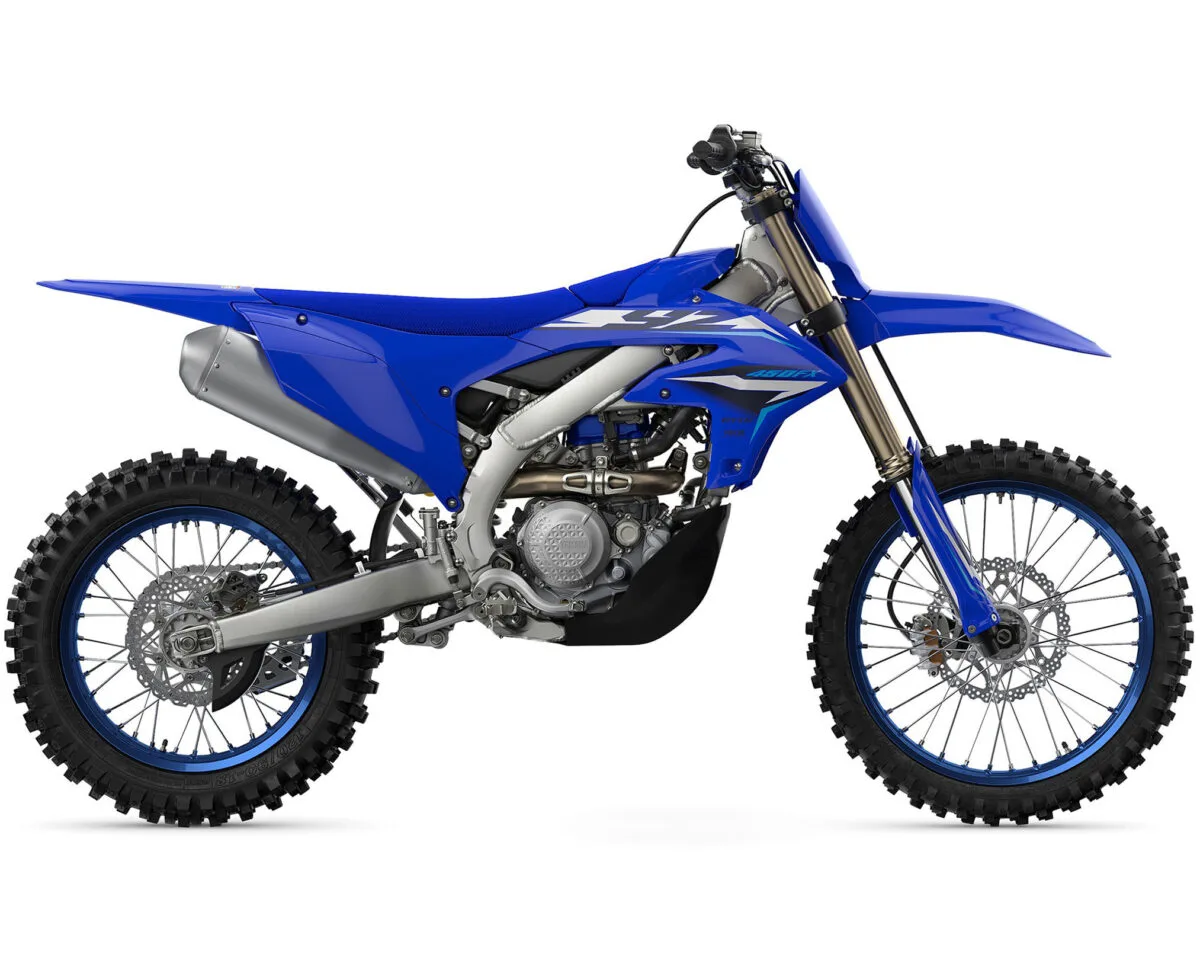
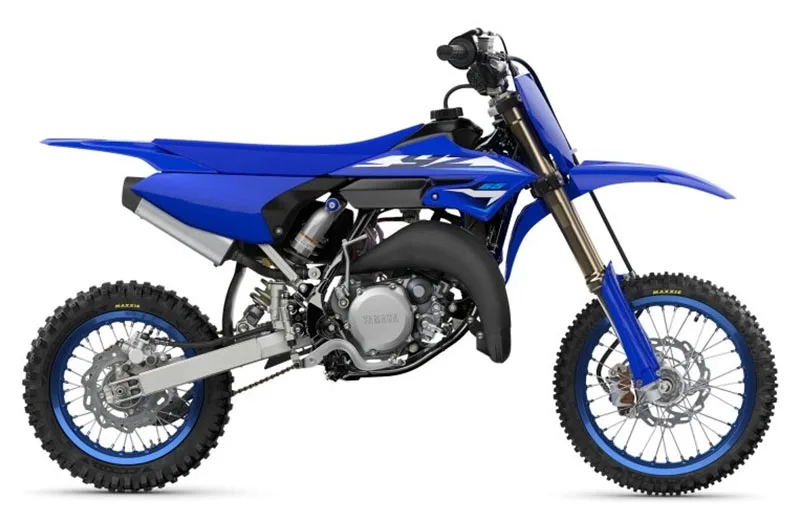
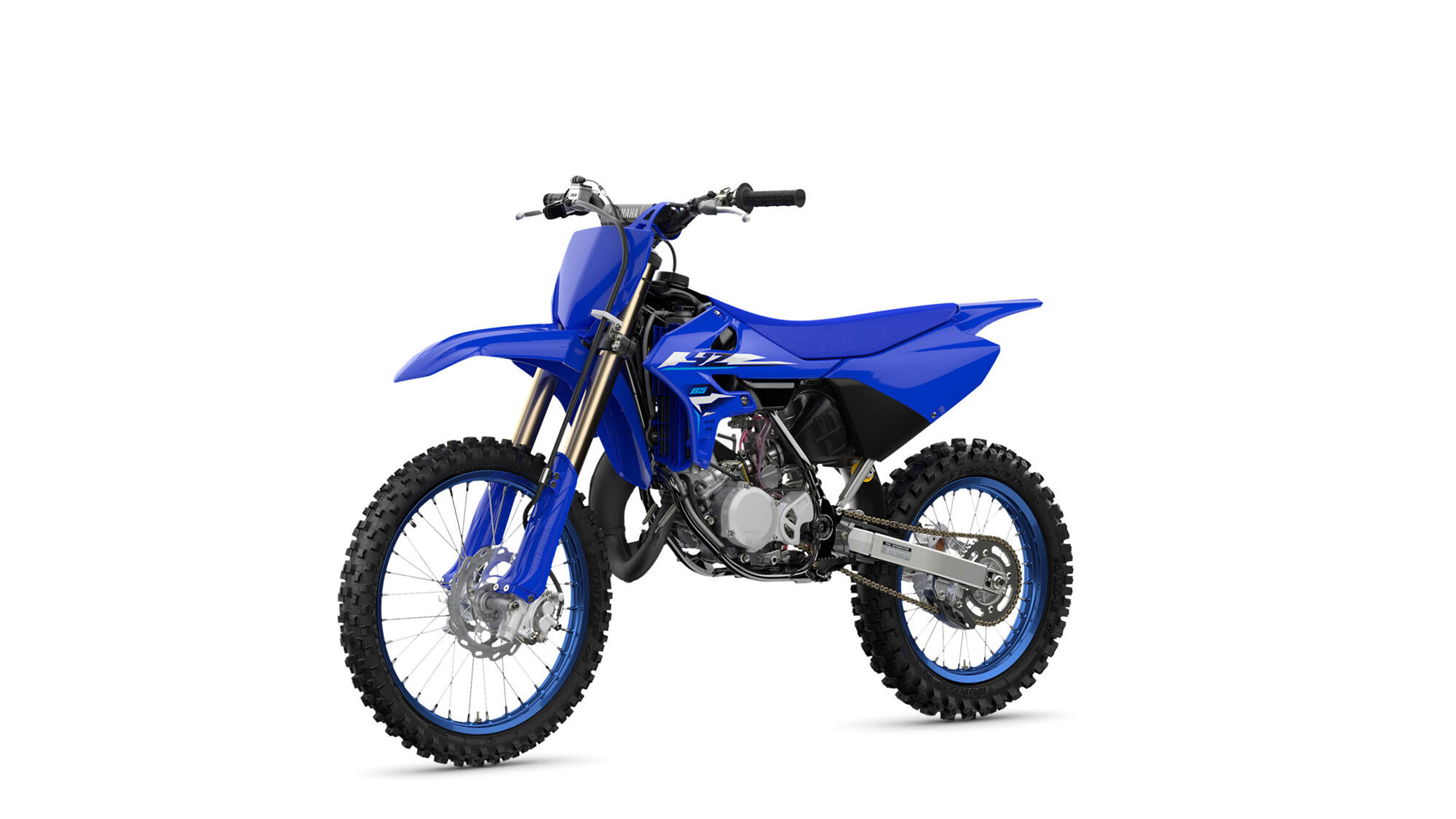
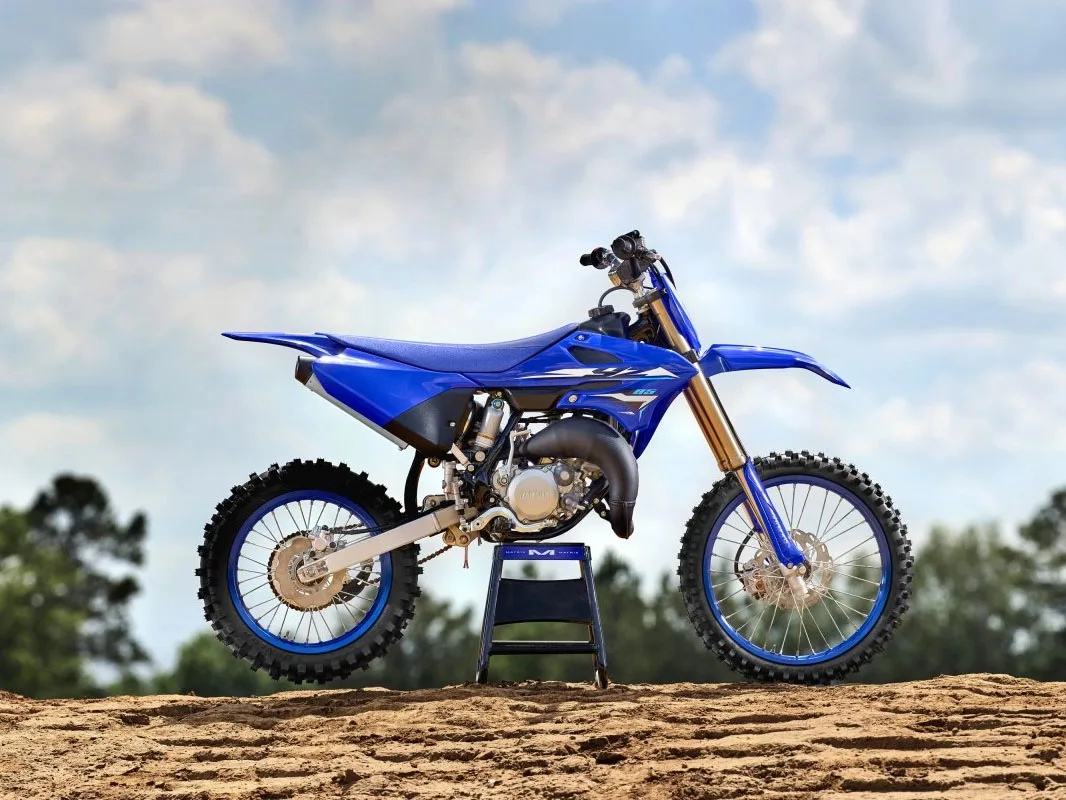
Two key differentiators for Yamaha are their focus on both two-stroke and four-stroke technology (though two-strokes are largely relegated to off-road applications now) and their willingness to experiment with unconventional engine configurations. While many manufacturers abandoned two-stroke development in favor of cleaner-burning four-strokes, Yamaha continued to refine two-stroke technology for applications like motocross bikes, showcasing their commitment to performance and innovation. Furthermore, their development of crossplane crankshaft engines, like the one in the YZF-R1, sets them apart. This design, which staggers the firing intervals, creates a more linear power delivery and a distinctive exhaust note, unlike the more common inline-four configuration found in competitors like Kawasaki's Ninja ZX-10R.
Yamaha Global Presence
Yamaha has a significant global presence, with major markets in Asia, Europe, and North America. Their dealer network is extensive, ensuring that customers have access to sales, service, and parts support virtually anywhere in the world. In the United States, Yamaha has a strong presence with a wide network of dealerships providing access to their full range of products.
Racing is deeply ingrained in Yamaha's DNA. From Grand Prix racing to motocross and superbike competitions, Yamaha has a long and successful history of competing at the highest levels. This racing heritage directly influences their production motorcycles, with technologies and designs often trickling down from the track to the street. Their MotoGP team, for example, has yielded valuable data and insights that have contributed to the development of advanced electronic rider aids and engine management systems.
Yamaha operates through a network of subsidiaries and partnerships around the world. Yamaha Motor Manufacturing Corporation of America (YMMC) is a key manufacturing hub, producing a range of products including ATVs, side-by-sides, and personal watercraft. These partnerships allow Yamaha to adapt to local market demands and regulations, ensuring that their products are tailored to the specific needs of different regions.
Iconic Yamaha Models
- Yamaha DT-1 (1968): This 250cc two-stroke enduro revolutionized off-road riding. It was affordable, reliable, and capable, making it accessible to a wide range of riders and sparking a surge in popularity for the sport.
- Yamaha VMAX (1985): The VMAX redefined the cruiser segment with its powerful V4 engine and aggressive styling. Its incredible acceleration and unique design made it an instant icon.
- Yamaha YZF-R1 (1998): The original R1 set a new standard for superbike performance. Its compact engine, innovative chassis, and aggressive styling made it a dominant force on the track and a highly desirable motorcycle for enthusiasts.
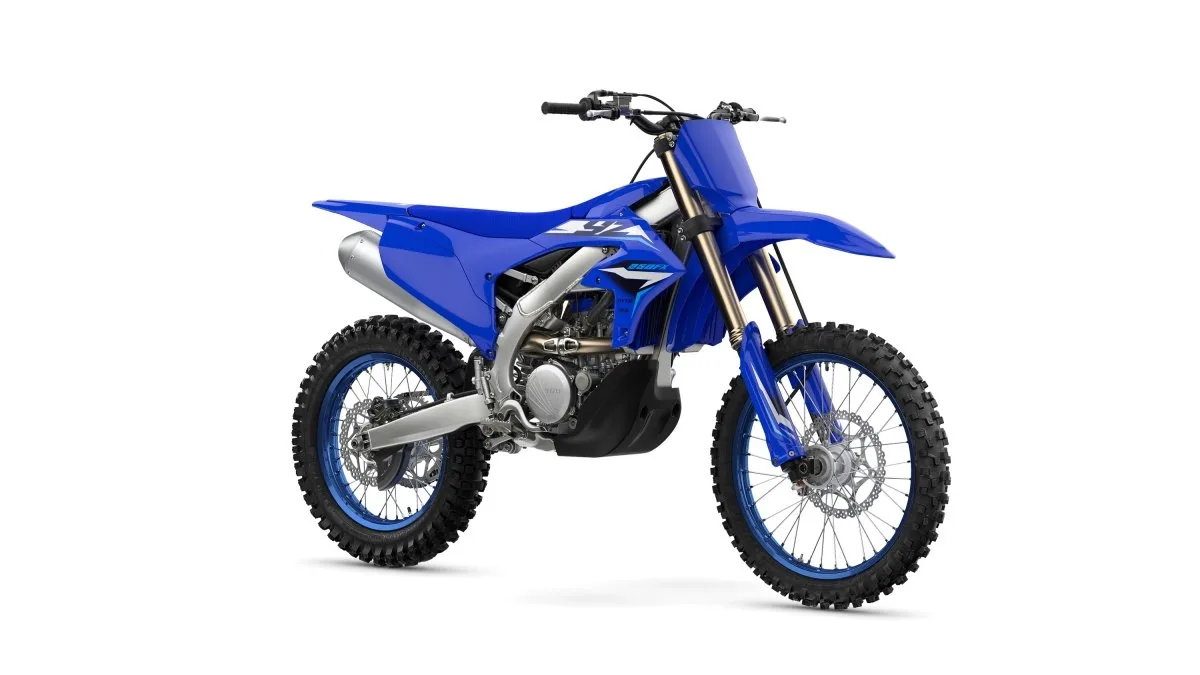
- Yamaha YZ 125 (Present): A staple in the motocross world, the YZ125 is known for its lightweight handling, potent two-stroke engine, and affordability. It remains a popular choice for aspiring racers and recreational riders alike.
- Yamaha XT250 (Present): A reliable and approachable dual-sport motorcycle, the XT250 is known for its ease of use, fuel efficiency, and versatility. It's a great option for beginners and experienced riders alike, capable on both paved and unpaved roads.
Buying Advice for Yamaha
Yamaha is a brand that appeals to a broad spectrum of riders. Their diverse lineup caters to everyone from beginners looking for an easy-to-ride scooter to experienced riders seeking high-performance sportbikes or adventure motorcycles. Their reputation for reliability and value makes them a popular choice for both new and seasoned motorcycle enthusiasts.
Budget Tiers:
- Entry-Level: In the entry-level tier, you'll find models like the Yamaha V Star 250 (cruiser), the Yamaha TW200 (dual-sport), or the Yamaha Zuma 125 (scooter). These bikes are typically priced under $6,000 and offer excellent value and accessibility for new riders. They are also suitable for experienced riders looking for a lightweight and fuel-efficient option.
- Mid-Range: The mid-range tier includes popular models like the Yamaha MT-07, the Yamaha YZF-R7, and the Yamaha Tenere 700. These bikes typically fall in the $8,000 to $12,000 range. They offer a step up in performance and features, making them suitable for riders with some experience who are looking for a more capable and versatile machine.
- Premium: At the premium end of the spectrum, you'll find models like the Yamaha YZF-R1, the Yamaha MT-10, and the Yamaha Star Venture. These bikes can range from $18,000 upwards. These offer top-of-the-line performance, advanced technology, and premium features, catering to experienced riders who demand the best.
Maintenance & Long-Term Ownership:
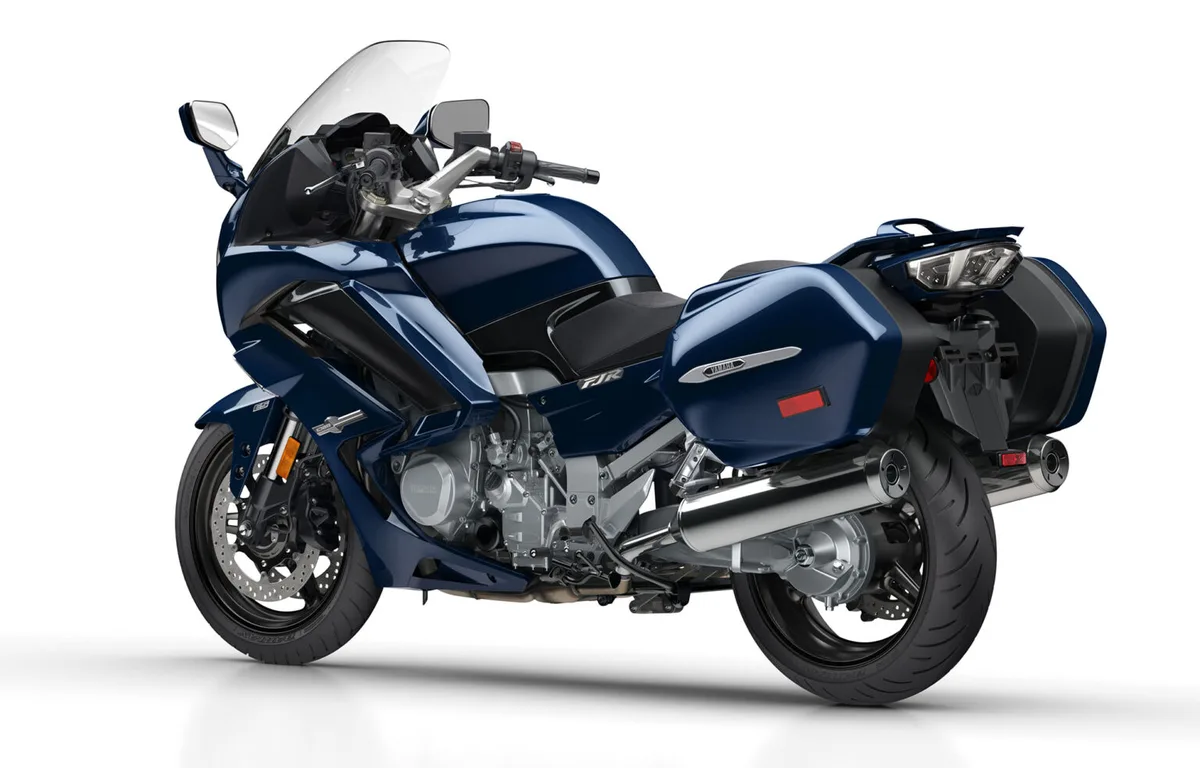
Yamaha motorcycles are generally known for their reliability and durability. However, like any machine, regular maintenance is crucial for ensuring long-term ownership satisfaction. Following the manufacturer's recommended service intervals, which typically include oil changes, filter replacements, and valve adjustments, is essential. Parts availability for Yamaha motorcycles is generally good, and the cost of maintenance is often competitive compared to other brands. The YZF-R6, for example, requires more frequent maintenance when ridden hard on the track, compared to the more touring-oriented FJR1300. Owners should factor in these potential costs when considering their purchase and riding style.
📌 This content is AI-assisted with editorial review.