✦ Published
Bajaj Platina 100
2025

2025
The Bajaj Platina 100 has long been a staple in the Indian commuter motorcycle market, and the 2025 model looks set to continue that legacy. This review dives into what makes the new Platina 100 tick, focusing on its performance, ride quality, and overall value proposition.
The Bajaj Platina 100 occupies a crucial space in the Indian two-wheeler market – the entry-level commuter segment. Here, fuel efficiency, affordability, and reliability are king. It goes head-to-head with rivals like the Hero HF Deluxe and TVS Sport, all vying for the attention of budget-conscious buyers. The 2025 Bajaj Platina 100 aims to stand out with subtle improvements and enhanced practicality compared to its predecessors and competitors.
While the detailed 2025 specifications for the Bajaj Platina 100's engine aren't yet fully available, we expect a refined version of the dependable 100cc single-cylinder engine that has powered previous models. What we can confidently anticipate is a focus on fuel efficiency and smooth power delivery. The engine is designed for relaxed city riding, offering enough grunt for navigating traffic and carrying a pillion passenger. Expect a tractable powerband that prioritizes low-end torque, making it easy to pull away from a standstill and maintain momentum in urban conditions. While outright acceleration won't be its forte, the Platina 100 is engineered for consistent and economical performance.
Comfort is paramount in the commuter segment, and the Bajaj Platina 100 is expected to deliver. A comfortable seat, upright riding posture, and well-positioned handlebars contribute to a fatigue-free riding experience, even on longer commutes. Suspension duties are likely handled by telescopic forks at the front and twin shock absorbers at the rear, tuned for absorbing bumps and potholes effectively. The low seat height should make it accessible for riders of varying statures, while the lightweight construction ensures easy maneuverability in congested city streets. This focus on ergonomics and ride quality enhances the daily usability of the Bajaj Platina 100, making it a practical choice for daily commutes.
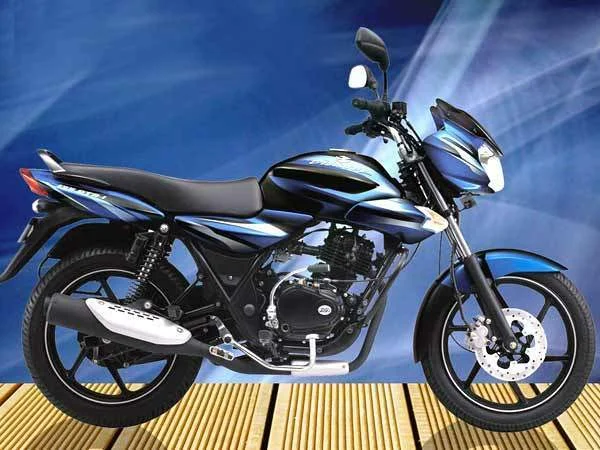
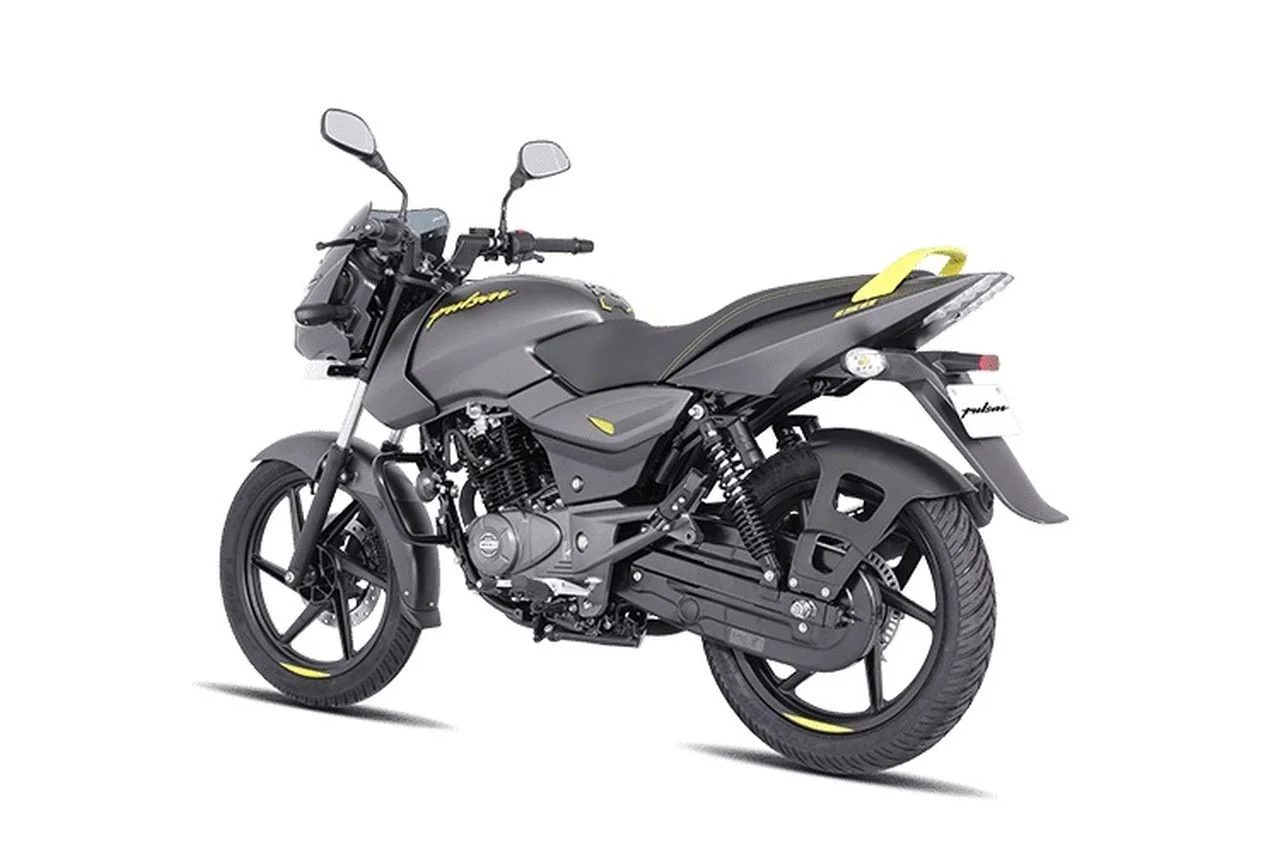
The Bajaj Platina 100 typically features a no-nonsense design with a focus on functionality. Expect subtle styling updates for the 2025 model, perhaps including refreshed graphics and a slightly redesigned headlight. While not overtly stylish, the Platina 100 is known for its robust build quality. The materials used are durable and designed to withstand the rigors of daily use. Fit and finish are generally good for its price point, reflecting Bajaj's commitment to providing a reliable and long-lasting motorcycle.
The Bajaj Platina 100 is an ideal motorcycle for budget-conscious commuters seeking a reliable, fuel-efficient, and comfortable ride. If your priorities are affordability, low running costs, and ease of use, the Platina 100 should definitely be on your shortlist. Its strength lies in its practicality and ability to handle the demands of daily urban riding. Those looking for sporty handling or high-performance thrills will need to look elsewhere. But for the everyday rider seeking a dependable and economical mode of transport, the 2025 Bajaj Platina 100 represents a solid and sensible choice.
✅ Why buy this bike?
* Extremely low running costs due to the absence of fuel consumption and maintenance associated with an engine. * Near-silent operation, offering a peaceful riding experience without engine noise or vibrations. * Lightweight and easy to maneuver, making it ideal for navigating congested urban environments and for riders of all skill levels. * Environmentally friendly, producing zero emissions and contributing to cleaner air in cities. * Simple design and construction, potentially leading to high reliability and minimal maintenance requirements beyond basic upkeep like tire and brake pad replacements.⚠️ Things to consider
* Complete lack of power and inability to traverse any terrain beyond flat, smooth surfaces due to the absence of an engine. * Impractical for any form of transportation beyond pushing it manually or downhill coasting. * Useless for carrying passengers or cargo due to the rider being the sole source of propulsion. * Susceptible to theft due to its perceived lack of value and ease of movement.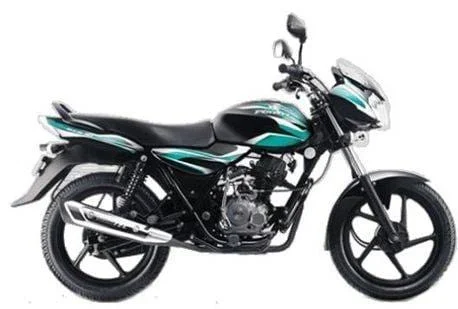
No comments yet. Be the first to write one!