✦ publish
E-max 140 L
2008

2008
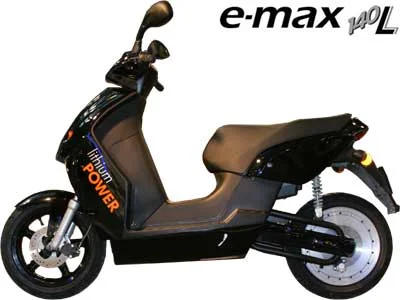
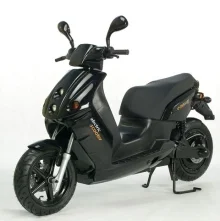
The E-max 140 L, introduced in 2008, represents an early yet significant entry into the burgeoning electric scooter market. Emerging at a time when electric two-wheelers were still a niche, the 140 L aimed to provide an eco-conscious alternative for urban commuters. Its lineage traces back to E-max's foundational efforts in electric mobility, seeking to establish practical and accessible options. In its segment, it competed directly with other nascent electric models like the Vectrix VX-1 and various smaller, less powerful electric scooters that were beginning to appear on the scene.
Powering the E-max 140 L is an electric motor, a defining characteristic that sets it apart from its internal combustion engine counterparts. This electric powertrain allows the 140 L to reach a respectable top speed of 60.0 km/h (37.3 mph), making it suitable for navigating city traffic and shorter commutes. Weighing in at a modest 100.0 kg (220.5 pounds), the scooter benefits from its lightweight construction, contributing to its agility and ease of handling. These specifications underscore its design as a utilitarian urban vehicle rather than a high-performance machine.
Riding characteristics of the E-max 140 L are geared towards practicality and ease of use. Its light weight contributes to a nimble feel, making it easy to maneuver through congested urban environments. The upright riding position, typical of many scooters, offers a comfortable and commanding view of the road, reducing rider fatigue on daily trips. The absence of gear changes, a hallmark of electric powertrains, further simplifies the riding experience, allowing the rider to focus on traffic rather than clutch and shifter inputs. This user-friendly approach makes it an approachable option for new riders or those seeking a hassle-free commute.
The E-max 140 L was primarily targeted at urban commuters, eco-conscious individuals, and those seeking a low-maintenance, fuel-efficient mode of transport for short to medium distances. Its silent operation and zero tailpipe emissions made it an appealing choice for environmentally aware consumers. While not designed for long-distance touring or high-speed highway travel, its capabilities were well-suited for daily errands, trips to work, and navigating city streets. The 140 L stands as a foundational example of early electric mobility, offering a functional and straightforward solution for urban transit.
✅ Why buy this bike?
• Being electric, it offers silent operation, ideal for urban commuting without disturbing neighbors. • Zero tailpipe emissions contribute to cleaner air, making it an environmentally friendly choice for city riding. • Lower running costs due to cheaper electricity compared to gasoline, saving money on fuel expenses. • Minimal maintenance requirements; no oil changes, spark plugs, or fuel filters simplify ownership. • Instant torque from the electric motor provides quick acceleration, nimble for navigating city traffic. • Compact and lightweight design makes it easy to maneuver and park in congested urban environments.⚠️ Things to consider
• Limited range compared to gasoline scooters, requiring frequent recharging for longer journeys. • Slower top speed of around 45 km/h might be insufficient for faster main roads or highways. • Longer recharge times mean significant downtime, unlike quick refueling of petrol scooters. • Battery degradation over time can reduce range and overall performance, potentially needing costly replacement. • Fewer charging infrastructure options in 2008 compared to today, limiting travel flexibility.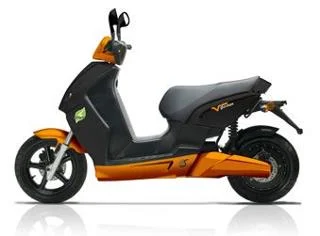
No comments yet. Be the first to write one!