✦ publish
Jialing JH 250 E
2011

2011
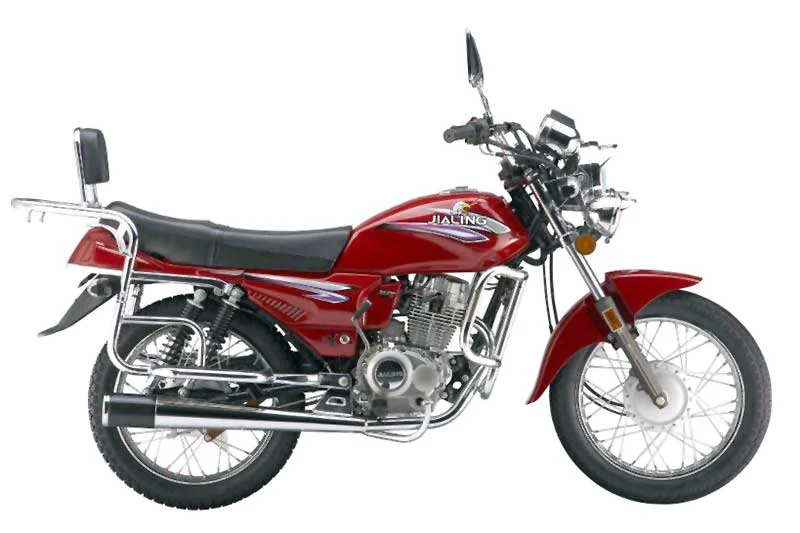
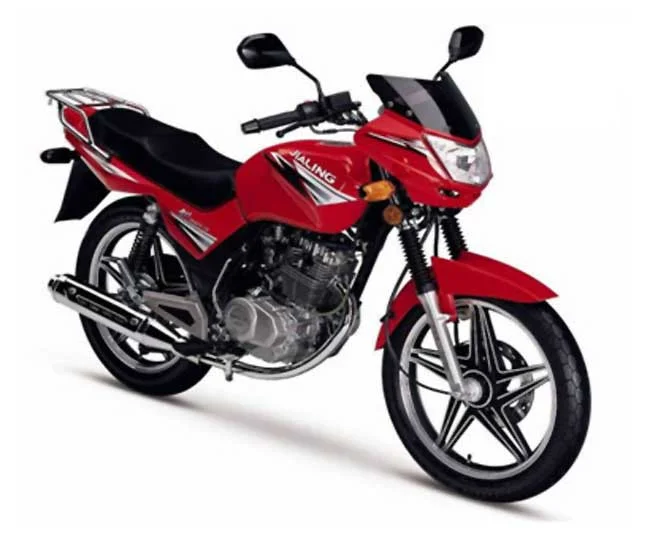
The Jialing JH 250 E, a name perhaps unfamiliar to many Western riders, represents a slice of the burgeoning Chinese motorcycle market of the early 2010s. Our review focuses on the 2011 model, a practical and budget-conscious offering designed for commuting and light touring. In a market saturated with Honda CG125 clones and larger, more expensive machines, the JH 250 E aimed to bridge the gap, offering more displacement and features at an accessible price point. Think of it as a potential rival to something like a Suzuki GN250, though with a more distinctly Chinese character.
The heart of the Jialing JH 250 E is a 233cc air-cooled, single-cylinder engine fed by a carburettor. While its 2011 specifications might not set the world on fire, the engine delivers a respectable 16.5 Nm of torque. This translates to reasonably punchy acceleration in city traffic, making it easy to dart between cars. The top speed is a claimed 110 km/h (68.4 mph), sufficient for highway cruising, albeit without much overtaking reserve. The power delivery is smooth and predictable, making it beginner-friendly and forgiving. It's not a high-revving screamer, but rather a torquey, low-stress engine designed for longevity and fuel economy. While it lacks the refinement of a water-cooled engine, the simplicity of the air-cooled design contributes to its ease of maintenance.
At 172 kg dry, the Jialing JH 250 E isn't the lightest motorcycle in its class, but it remains manageable and confidence-inspiring, even for smaller riders. The riding position is upright and comfortable, making it suitable for daily commutes and longer journeys. The seat, while not plush, provides adequate support for several hours in the saddle. The suspension is basic but functional, absorbing most bumps and potholes without jarring the rider. Handling is neutral and predictable, making it easy to navigate city streets and winding roads. The relatively low seat height makes it accessible to a wide range of riders. While not a performance machine, the JH 250 E prioritizes comfort and usability.
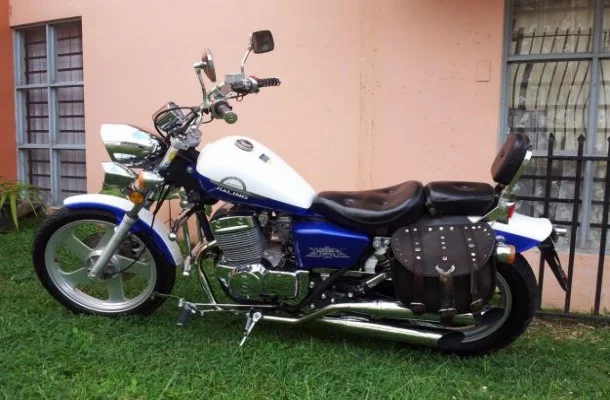
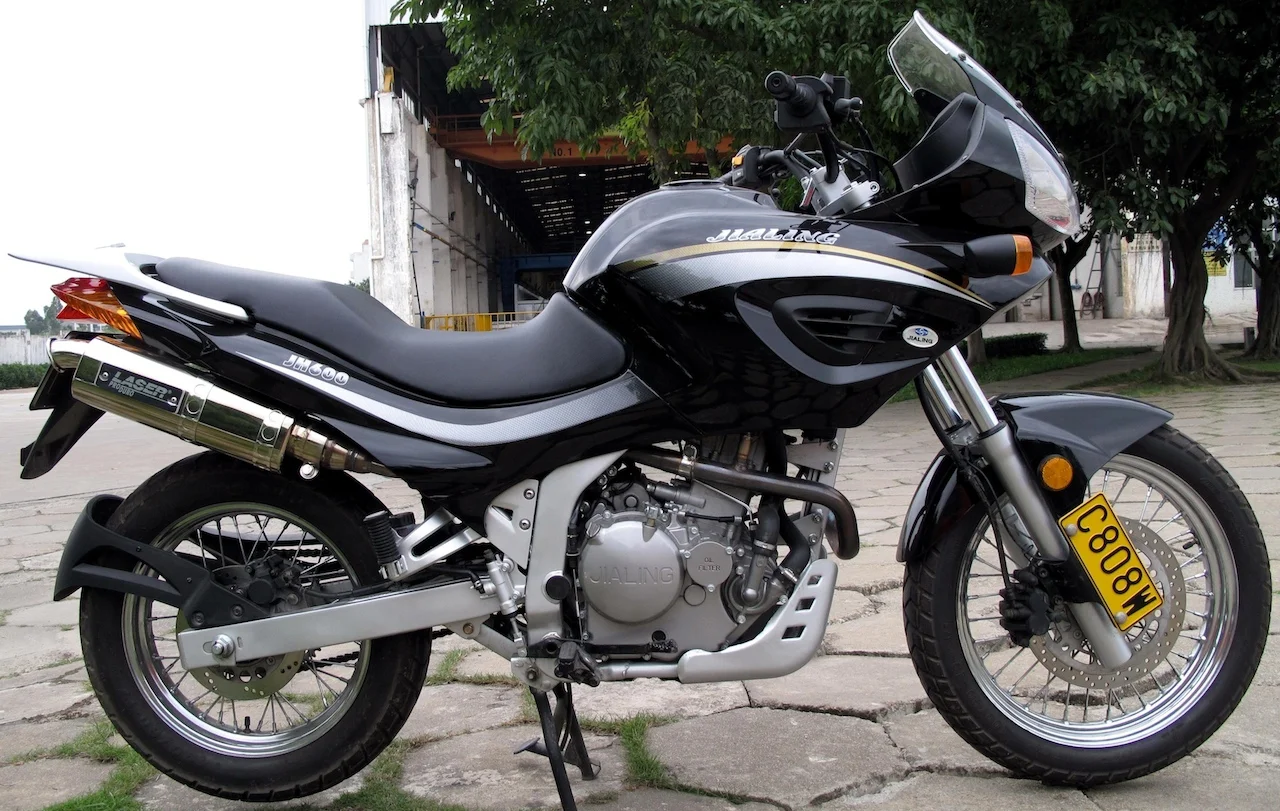
The aesthetics of the Jialing JH 250 E are functional rather than flashy. Its design is reminiscent of early 2000s Japanese commuter bikes, with a focus on practicality and durability. The materials used are robust, though the fit and finish may not be on par with more expensive brands. However, given its price point, the build quality is acceptable. The paint is generally durable, and the components feel solid. While it may not win any beauty contests, the JH 250 E is a well-built and reliable machine.
The Jialing JH 250 E is a no-frills motorcycle designed for riders seeking an affordable and reliable commuter. Its strengths lie in its simplicity, ease of use, and fuel efficiency. If you're looking for a stylish and high-performance machine, this isn't it. But if you need a dependable workhorse for daily transportation, the JH 250 E is worth considering, especially if you can find one in good condition at a reasonable price. Its ideal target audience includes budget-conscious commuters, new riders, and those seeking a practical and low-maintenance motorcycle. The 2011 specifications show a bike built for function over form, a testament to its intended purpose.
✅ Why buy this bike?
* Relatively low purchase price, making it accessible to budget-conscious riders or first-time motorcycle owners. * Simple, air-cooled engine is generally reliable and easy to maintain, requiring less specialized mechanical knowledge. * Comfortable upright riding position suitable for commuting and shorter trips, reducing rider fatigue. * Decent fuel capacity for its class, allowing for reasonable range between fill-ups (assuming around 3-4 gallons estimated). * Lightweight and manageable handling, making it easy to maneuver in urban environments and for less experienced riders.⚠️ Things to consider
* Underpowered 233cc engine offers limited performance, struggling with highway speeds or carrying a passenger. * Basic suspension components provide a harsh ride on rough roads and lack adjustability for fine-tuning. * Outdated styling and features compared to more modern motorcycles, lacking modern amenities like fuel injection or digital instrumentation. * Potentially questionable build quality and component durability compared to established Japanese or European brands, potentially leading to more frequent repairs.Rule of thumb: under 125cc / 15HP → A1, under 47HP → A2, above → A.
Manufacturer-quoted consumption: 2.40 litres/100 km (41.7 km/l or 98.01 mpg).
⛽ Tank: 10.00 litres (2.64 US gallons)
Insurance grouping for Jialing JH 250 E (233cc):
Personalised premium estimate for the Jialing JH 250 E (UK rates):
💡 Estimate based on UK market averages. For real quotes, compare on Compare the Market, MoneySuperMarket, GoCompare.
Find new and used Jialing JH 250 E 2011 listings:
💡 Third-party listings. MotoBike Info is informational only.
No comments yet. Be the first to write one!