✦ publish
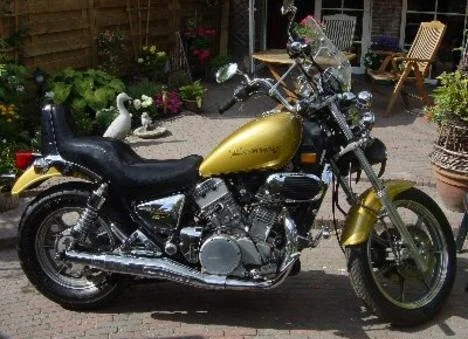
Kawasaki EL 250 (reduced effect)
1989

1989
The 1989 Kawasaki EL 250, sometimes referred to as the Eliminator 250, offered an entry point into Kawasaki's cruiser motorcycle lineup. This model, a predecessor to later Eliminator iterations, aimed to provide accessible motorcycling. It competed directly with machines like the Honda Rebel 250 and the Suzuki GZ250, all vying for the attention of new riders and those seeking a manageable, lightweight cruiser.
At the heart of the EL 250 lies a 249.0 ccm (15.19 cubic inches) twin-cylinder, four-stroke engine. This powerplant generates a maximum power output of 27.0 HP (19.7 kW) at a relatively high 11800 RPM. The fuel tank holds 11.00 litres (2.91 US gallons), offering a decent range for its class. The EL 250 can reach a top speed of 131.0 km/h (81.4 mph), which is adequate for its intended purpose as a beginner-friendly cruiser.
The riding experience on the EL 250 is characterized by its light weight and user-friendly nature. The low seat height contributes to rider confidence, particularly for those new to motorcycling. While not designed for long-distance touring, the EL 250 provides acceptable comfort for shorter rides and commutes. The engine's responsiveness, especially in the higher RPM range, requires some adaptation for riders accustomed to more low-end torque but contributes to the overall manageable character of the bike.
The Kawasaki EL 250 from 1989 was primarily targeted towards beginner riders, those seeking an economical commuter, or individuals who preferred the styling of a small cruiser. Its light weight and approachable engine made it a good starting point for learning the fundamentals of motorcycling. While not a powerhouse, the EL 250 provided a reliable and affordable option for those looking to enter the world of two wheels.
✅ Why buy this bike?
• Lightweight and nimble handling makes it very beginner-friendly and easy to maneuver in urban environments. • Fuel-efficient 250cc engine offers economical transportation, ideal for commuting and budget-conscious riders. • Low seat height enhances rider confidence, particularly for shorter individuals, providing better ground reach. • Reliable Kawasaki engine, well-proven and relatively simple to maintain, reducing potential repair costs. • Classic styling provides a retro appeal, making it an attractive option for enthusiasts of vintage motorcycles. • Reduced effect (likely referring to lower power output) makes it more manageable for new riders and safer in slippery conditions.⚠️ Things to consider
• Limited power output restricts its suitability for long-distance highway riding or carrying heavy loads. • Outdated suspension technology provides a less refined ride compared to modern motorcycles, impacting comfort. • Drum brakes on the rear wheel offer less stopping power than disc brakes, requiring more stopping distance. • Parts availability may be challenging due to the motorcycle's age, potentially increasing repair times and costs. • The reduced effect engine may feel underpowered for experienced riders seeking more performance or acceleration.The Kawasaki EL 250 (reduced effect) produces 27 HP, fitting A2 license limits (max 35 kW / 47 HP). For riders 18+.
Estimated average for 249cc class: 55-80 mpg (3.0-4.5 L/100km)
⛽ Tank: 11.00 litres (2.91 US gallons)
Insurance grouping for Kawasaki EL 250 (reduced effect) (249cc):
Personalised premium estimate for the Kawasaki EL 250 (reduced effect) (UK rates):
💡 Estimate based on UK market averages. For real quotes, compare on Compare the Market, MoneySuperMarket, GoCompare.
Find new and used Kawasaki EL 250 (reduced effect) 1989 listings:
💡 Third-party listings. MotoBike Info is informational only.
No comments yet. Be the first to write one!