✦ publish
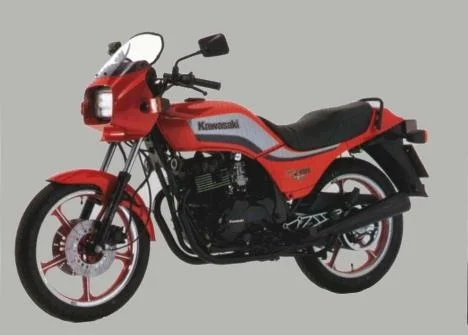
Kawasaki GPZ 305 Belt Drive (reduced effect)
1988

1988
The 1988 Kawasaki GPZ 305 Belt Drive offered a practical and accessible entry point into Kawasaki's sportbike lineup. Positioned as a smaller sibling to the larger GPZ models, it aimed to attract riders seeking a lighter and more fuel-efficient machine. In a market segment that prized affordability and ease of use, the GPZ 305 went head-to-head with competitors such as the Suzuki GS450, offering a different take on the small-displacement motorcycle.
At the heart of the GPZ 305 lies a 306.0 ccm (18.67 cubic inches) engine, providing enough power for commuting and weekend rides. While not a powerhouse, the engine's responsiveness allows for confident navigation. The bike's top speed of 140.0 km/h (87.0 mph) makes it suitable for legal speed limits. The GPZ 305 features a 16.50 litres (4.36 US gallons) fuel tank, which offers a decent range, minimizing fuel stops on longer trips. This combination of engine size, top speed, and fuel capacity made it an economical choice.
The GPZ 305 offers a relaxed riding position suitable for a range of riders. The seat height is manageable for shorter individuals, and the overall ergonomics are geared towards comfort rather than track-focused ergonomics. The belt drive system contributes to a smoother and quieter ride, reducing the need for frequent chain maintenance. The suspension, while basic, is adequate for absorbing bumps and providing a stable feel. It's a motorcycle designed for practicality and ease of handling.
The 1988 Kawasaki GPZ 305 Belt Drive was targeted at new riders, commuters, and those looking for an inexpensive and reliable motorcycle. Its low running costs, manageable power, and comfortable riding position made it a sensible choice. While it may not possess the flash or performance of larger sportbikes, the GPZ 305 offered a dependable and user-friendly experience. It is a motorcycle that prioritizes practicality and accessibility above all else.
✅ Why buy this bike?
• Belt drive offers quieter operation compared to a chain, enhancing the riding experience, especially on longer journeys. • Reduced maintenance requirements compared to a chain; no need for frequent lubrication or tension adjustments, saving time and money. • Cleaner operation than a chain drive; the belt doesn't fling lubricant and grime onto the motorcycle and rider. • Lighter weight than a comparable chain drive system, contributing to slightly improved acceleration and handling. • The parallel twin engine provides smooth power delivery, making it forgiving for novice riders and comfortable for city commuting. • The GPZ305's classic styling offers a retro appeal, attracting riders who appreciate vintage aesthetics and simpler motorcycle designs.⚠️ Things to consider
• Belt drive is more susceptible to damage from road debris compared to a chain, potentially leading to premature failure. • Replacement belts are typically more expensive than chains, increasing the overall cost of ownership in the long run. • The 305cc engine offers limited power for highway riding or carrying a passenger, struggling on steep inclines or against strong winds. • Finding replacement parts for a motorcycle of this age can be challenging and time-consuming, potentially delaying repairs. • The braking system, common for the era, may feel less responsive compared to modern motorcycles, requiring longer stopping distances.Rule of thumb: under 125cc / 15HP → A1, under 47HP → A2, above → A.
Estimated average for 306cc class: 45-60 mpg (4.0-5.5 L/100km)
⛽ Tank: 16.50 litres (4.36 US gallons)
Insurance grouping for Kawasaki GPZ 305 Belt Drive (reduced effect) (306cc):
Personalised premium estimate for the Kawasaki GPZ 305 Belt Drive (reduced effect) (UK rates):
💡 Estimate based on UK market averages. For real quotes, compare on Compare the Market, MoneySuperMarket, GoCompare.
Find new and used Kawasaki GPZ 305 Belt Drive (reduced effect) 1988 listings:
💡 Third-party listings. MotoBike Info is informational only.
No comments yet. Be the first to write one!