✦ publish
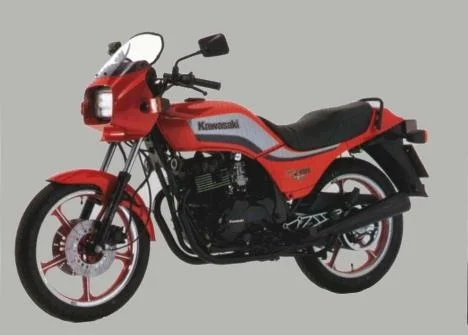
Kawasaki GPZ 500 S (reduced effect)
1988

1988
The 1988 Kawasaki GPZ 500 S offered a sporty, accessible package during a time of fierce competition in the middleweight motorcycle market. This model was an evolution of Kawasaki's earlier parallel-twin designs, aiming to provide a more user-friendly and affordable alternative to larger, more complex machines. The GPZ 500 S competed directly with motorcycles like the Suzuki GS500E, both vying for riders looking for a balance of performance and practicality.
At the heart of the GPZ 500 S lies a 499.0 ccm (30.45 cubic inches) twin-cylinder, four-stroke engine. This powerplant provided adequate power for its class, enabling a top speed of 187.0 km/h (116.2 mph). The fuel tank capacity of 18.00 litres (4.76 US gallons) allowed for reasonable range, making it suitable for longer rides beyond shorter commutes. The engine's design prioritized reliability and ease of maintenance, common characteristics of motorcycles in this category.
The GPZ 500 S offered a comfortable riding experience for various rider sizes. While not a track-focused machine, it possessed enough agility to handle twisty roads with confidence. The riding position was moderately sporty, leaning slightly forward without being overly aggressive. The suspension, while basic, performed adequately for general road use. The seat provided reasonable comfort for shorter journeys, though longer rides might require breaks. The overall ergonomics were designed to be accommodating for newer riders.
The 1988 Kawasaki GPZ 500 S appealed to a broad audience, particularly those seeking an entry-level sportbike or a practical commuter. Its combination of manageable power, reasonable fuel efficiency, and comfortable ergonomics made it a solid choice for riders new to the sportbike scene or experienced riders looking for an affordable and reliable machine. While not the most powerful or technologically advanced motorcycle of its time, the GPZ 500 S provided a competent and enjoyable riding experience that remains relevant today.
✅ Why buy this bike?
• Affordable purchase price makes it an excellent entry-level sportbike for new riders seeking a budget-friendly option. • Lightweight and nimble handling characteristics contribute to confident maneuvering, especially in urban environments and twisty roads. • Fuel-efficient engine delivers good mileage, making it a practical choice for daily commuting and longer rides. • Reliable parallel-twin engine is known for its durability and relatively low maintenance requirements, reducing ownership costs. • Comfortable riding position is suitable for both shorter commutes and extended touring, enhancing rider enjoyment. • Simple and straightforward mechanics make it easy to work on and maintain, appealing to DIY enthusiasts.⚠️ Things to consider
• Reduced power output compared to modern sportbikes can feel underwhelming for experienced riders seeking high performance. • Outdated suspension components offer limited adjustability and may struggle with aggressive riding or heavier loads. • Styling appears dated compared to contemporary motorcycles, potentially lacking visual appeal for some buyers. • Brakes lack the bite and stopping power of modern systems, requiring more anticipation and effort from the rider. • Instrumentation is basic and lacks modern features like a gear indicator or fuel gauge, limiting rider information.Rule of thumb: under 125cc / 15HP → A1, under 47HP → A2, above → A.
Estimated average for 499cc class: 45-60 mpg (4.0-5.5 L/100km)
⛽ Tank: 18.00 litres (4.76 US gallons)
Insurance grouping for Kawasaki GPZ 500 S (reduced effect) (499cc):
Personalised premium estimate for the Kawasaki GPZ 500 S (reduced effect) (UK rates):
💡 Estimate based on UK market averages. For real quotes, compare on Compare the Market, MoneySuperMarket, GoCompare.
Find new and used Kawasaki GPZ 500 S (reduced effect) 1988 listings:
💡 Third-party listings. MotoBike Info is informational only.
No comments yet. Be the first to write one!