✦ publish
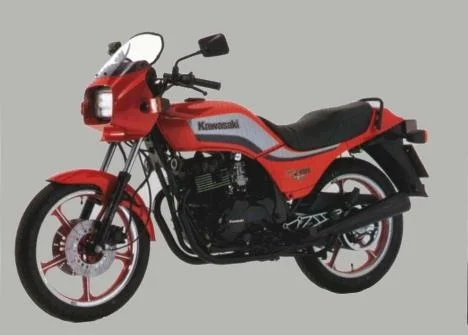
Kawasaki GPZ 600 R (reduced effect)
1988

1988
The 1988 Kawasaki GPZ 600 R, also known as the Ninja 600R in some markets, arrived in a competitive era for middleweight sportbikes. Following the GPZ lineage, it aimed to offer a balance of performance and practicality, placing it squarely against rivals like the Honda CBR600F Hurricane and the Suzuki GSX600F Katana. It represented a step forward in Kawasaki's sportbike offerings, bridging the gap between the smaller displacement machines and the larger, more powerful models.
At the heart of the GPZ 600 R lies a 592.0 ccm (36.12 cubic inches) four-cylinder engine. This powerplant provided adequate power for its time, enabling a top speed of 178.0 km/h (110.6 mph). The fuel tank capacity of 18.00 litres (4.76 US gallons) allowed for reasonably long rides before refueling. The engine characteristics were designed for accessible power delivery, making it suitable for a range of riders. The engine was known for its reliability and ease of maintenance.
The GPZ 600 R offered a relatively comfortable riding position for a sportbike of its generation. While it featured track-focused ergonomics with rearset pegs that are standard for sportbikes, it wasn't overly aggressive, making longer journeys manageable. The suspension provided a decent balance between handling and comfort, absorbing bumps effectively while maintaining stability in corners. The overall handling was responsive and predictable, inspiring confidence in riders of varying skill levels.
The Kawasaki GPZ 600 R was targeted towards riders looking for a sporty and versatile motorcycle. It appealed to those who desired a capable machine for weekend rides and commuting. It offered a more accessible experience than some of the more extreme sportbikes available at the time. While not the fastest or most cutting-edge machine, the GPZ 600 R provided a good compromise between performance, handling, and comfort, solidifying its place as a respected model in Kawasaki's history.
✅ Why buy this bike?
• The GPZ600R offers a good balance of power and handling, making it a fun and capable motorcycle for both commuting and weekend rides. • Its relatively lightweight chassis contributes to nimble handling and easy maneuverability, especially in urban environments. • The inline-four engine provides smooth power delivery across the rev range, making it forgiving for less experienced riders. • The GPZ600R's classic 80s sportbike styling remains appealing to many enthusiasts, offering a unique aesthetic. • Parts availability is generally good due to its popularity, and the bike is mechanically simple making maintenance relatively straightforward. • The reduced effect model (likely referring to restricted power) makes it more accessible for new riders or those preferring a milder experience.⚠️ Things to consider
• Being an older motorcycle, finding one in pristine condition can be challenging, and some components may be worn or require restoration. • The suspension, while adequate for its time, may feel dated compared to modern sportbikes, lacking adjustability and sophistication. • The brakes, although disc brakes, lack the stopping power and feel of modern systems, requiring more anticipation and effort. • Carbureted engines can be sensitive to temperature and altitude changes, potentially requiring adjustments for optimal performance. • The riding position, typical of 80s sportbikes, can be uncomfortable for longer rides due to the forward lean and pressure on the wrists.Rule of thumb: under 125cc / 15HP → A1, under 47HP → A2, above → A.
Estimated average for 592cc class: 45-60 mpg (4.0-5.5 L/100km)
⛽ Tank: 18.00 litres (4.76 US gallons)
Insurance grouping for Kawasaki GPZ 600 R (reduced effect) (592cc):
Personalised premium estimate for the Kawasaki GPZ 600 R (reduced effect) (UK rates):
💡 Estimate based on UK market averages. For real quotes, compare on Compare the Market, MoneySuperMarket, GoCompare.
Find new and used Kawasaki GPZ 600 R (reduced effect) 1988 listings:
💡 Third-party listings. MotoBike Info is informational only.
No comments yet. Be the first to write one!