✦ publish
Kawasaki ZX-10 (reduced effect)
1988

1988
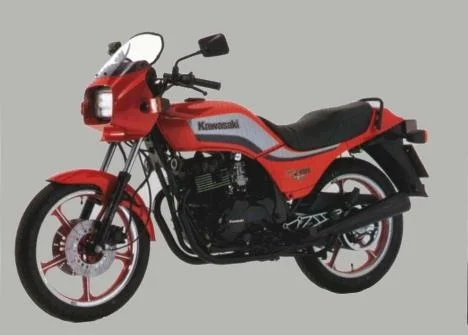
The 1988 Kawasaki ZX-10 marked a significant point in the evolution of liter-class sportbikes. This machine, a successor to the earlier GPZ1000RX, aimed squarely at competitors like the Suzuki GSX-R1100. Kawasaki sought to deliver a potent and capable motorcycle for riders craving high performance.
At the heart of the ZX-10 lies a robust 997.0 ccm (60.84 cubic inches) engine. This powerplant provided impressive acceleration and a top speed of 231.0 km/h (143.5 mph). Fuel capacity was a respectable 22.00 litres (5.81 US gallons), enabling reasonable range for longer rides, though frequent stops would be needed if consistently exploiting the engine's capabilities. The ZX-10 distinguished itself with its strong mid-range power, making it usable in various riding situations.
The ZX-10 offered a riding experience typical of its era's sportbikes. Its track-focused ergonomics put the rider in an aggressive stance, with rearset pegs contributing to a sporty feel. While not specifically designed for long-distance touring, the ZX-10 could handle extended rides, although rider fatigue might be a factor. The suspension setup, while competent, reflected the technology of the time and might feel less refined compared to modern sportbikes.
The 1988 Kawasaki ZX-10 appealed to experienced riders who appreciated raw power and direct handling. It was a motorcycle for those seeking a fast and engaging machine, even if it demanded a certain level of skill and attention. While not as forgiving as more modern bikes, the ZX-10 provided a visceral riding experience that remains appealing to enthusiasts who value classic sportbike performance. It represents a key model in the history of high-performance motorcycles.
✅ Why buy this bike?
• The ZX-10's powerful 997cc inline-four engine delivered impressive acceleration and top speed for its time, making it a performance benchmark. • Its relatively lightweight chassis and sporty suspension provided agile handling, enhancing the riding experience on twisty roads. • The ZX-10's aggressive styling, featuring a sleek fairing and aerodynamic design, made it visually appealing and distinctive. • It offered a comparatively comfortable riding position for a sportbike of that era, suitable for longer rides compared to more extreme models. • As a classic sportbike, a well-maintained ZX-10 holds collectible value for enthusiasts seeking a piece of motorcycle history. • The ZX-10 had good brakes for the era, offering adequate stopping power which was important for a bike with high performance.⚠️ Things to consider
• The ZX-10's carbureted engine could be finicky, requiring careful tuning and maintenance to ensure optimal performance and fuel efficiency. • Its suspension, while sporty, lacked the sophistication of modern systems, potentially resulting in a harsher ride on bumpy surfaces. • Finding replacement parts for a 35+ year old motorcycle can be challenging and costly, limiting repair options. • The ZX-10's age means it lacks modern safety features like ABS or traction control, demanding greater rider skill and awareness.Rule of thumb: under 125cc / 15HP → A1, under 47HP → A2, above → A.
Estimated average for 997cc class: 35-50 mpg (5.0-7.0 L/100km)
⛽ Tank: 22.00 litres (5.81 US gallons)
Insurance grouping for Kawasaki ZX-10 (reduced effect) (997cc):
Personalised premium estimate for the Kawasaki ZX-10 (reduced effect) (UK rates):
💡 Estimate based on UK market averages. For real quotes, compare on Compare the Market, MoneySuperMarket, GoCompare.
Find new and used Kawasaki ZX-10 (reduced effect) 1988 listings:
💡 Third-party listings. MotoBike Info is informational only.
No comments yet. Be the first to write one!