✦ publish
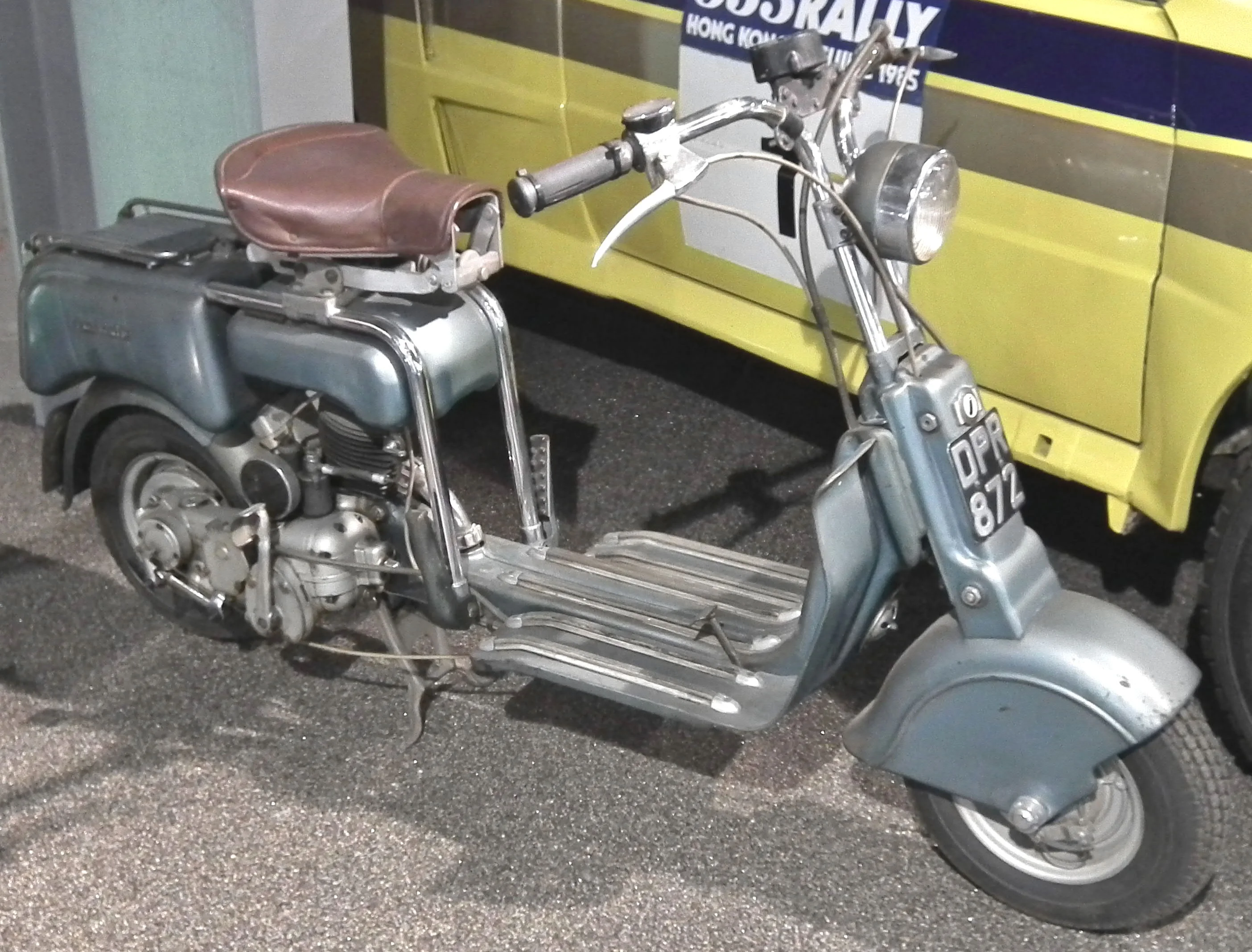
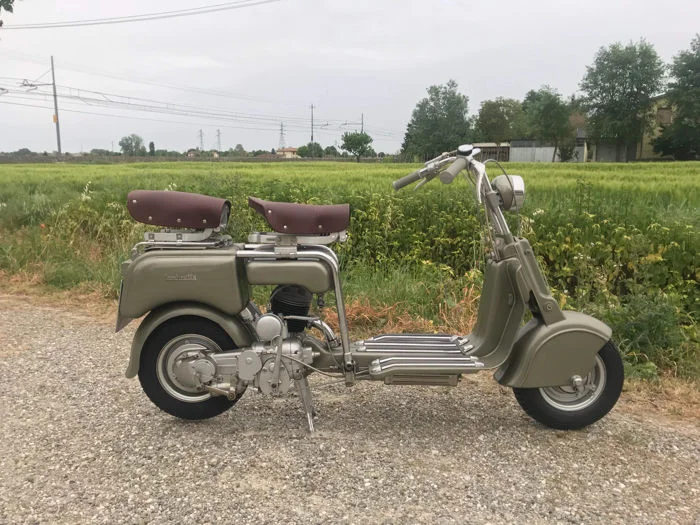
Lambretta 125 B
1949

1949
The Lambretta 125 B, introduced in 1949, marked an important step in the evolution of the Italian scooter. Following the initial success of the Model A, the 125 B refined the formula, offering improved reliability and accessibility to a wider audience. In a market eager for affordable transportation after the war, it directly competed with scooters like the Vespa 125, vying for dominance in the rapidly growing personal mobility sector.
Powering the Lambretta 125 B was a single-cylinder, two-stroke engine with a displacement of 123.0 ccm (7.51 cubic inches). This engine produced a modest but adequate 4.1 HP (3.0 kW) at 4500 RPM. While not built for outright speed, the scooter could reach a top speed of 67.6 km/h (42.0 mph), sufficient for navigating urban environments. Weighing in at just 54.9 kg (121.0 pounds), the light weight contributed to its nimble handling and fuel efficiency.
The riding experience on the Lambretta 125 B prioritized practicality and ease of use. The scooter offered a comfortable, upright riding position well-suited for short commutes and errands. Unlike motorcycles with a more aggressive stance, the Lambretta's design focused on accessibility for riders of varying experience levels. The simple controls and manageable power output made it an unintimidating option for those new to two-wheeled transport. It provided a stable ride, capable of carrying a passenger.
The Lambretta 125 B appealed to a broad demographic, from students and workers seeking an economical mode of transportation to families needing a versatile vehicle for daily tasks. Its affordability, ease of maintenance, and practical design made it a popular choice in post-war Italy and beyond. While not the most powerful or visually striking scooter of its era, the 125 B succeeded in providing a reliable and accessible means of transport, solidifying Lambretta's place in scooter history.
✅ Why buy this bike?
• Stylish and iconic design: The Lambretta 125 B possesses a classic Italian scooter aesthetic, making it a desirable vintage machine. • Relatively lightweight and maneuverable: Its smaller engine and frame contribute to ease of handling, especially in urban environments. • Simple mechanical design: The scooter's straightforward engineering makes it easier to maintain and repair with basic tools and knowledge. • Affordable vintage entry point: Compared to some other classic scooters, the 125 B can be a more budget-friendly option for enthusiasts. • Good fuel economy: The small engine offers respectable fuel efficiency, making it practical for short commutes and errands. • Enclosed engine and mechanics: The bodywork protects the engine and drivetrain from the elements, improving longevity.⚠️ Things to consider
• Low engine power: The 123cc engine offers limited performance, struggling with hills and unsuitable for extended highway use. • Outdated suspension: The suspension system provides a basic ride, lacking the comfort and sophistication of modern scooters. • Drum brakes: The drum brakes offer limited stopping power, especially in wet conditions, requiring cautious riding. • Parts availability can be challenging: Sourcing specific original parts can be difficult and expensive due to its age. • Vulnerable to rust: The steel bodywork is prone to rust, particularly in humid climates, requiring careful maintenance.The Lambretta 125 B, with its 123 cc engine and 4 HP, qualifies for an A1 license. Riders 16+ can ride it.
Estimated average for 123cc class: 75-100 mpg (2.5-3.5 L/100km)
Insurance grouping for Lambretta 125 B (123cc):
Personalised premium estimate for the Lambretta 125 B (UK rates):
💡 Estimate based on UK market averages. For real quotes, compare on Compare the Market, MoneySuperMarket, GoCompare.
Find new and used Lambretta 125 B 1949 listings:
💡 Third-party listings. MotoBike Info is informational only.
No comments yet. Be the first to write one!