✦ publish
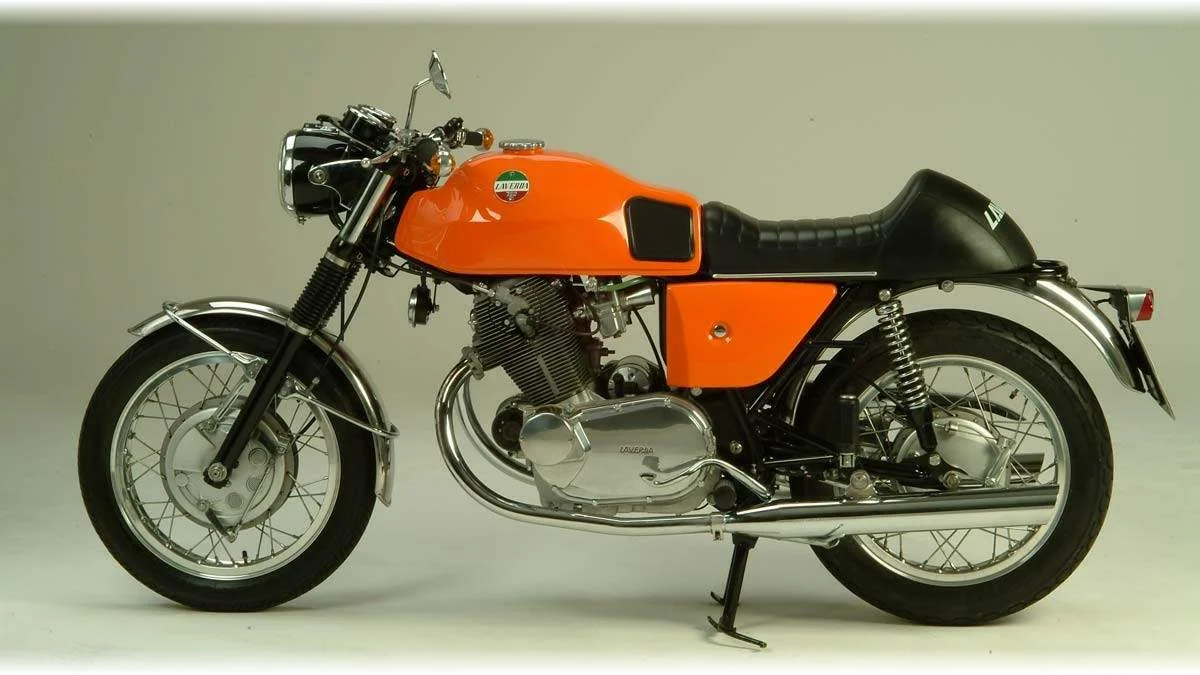
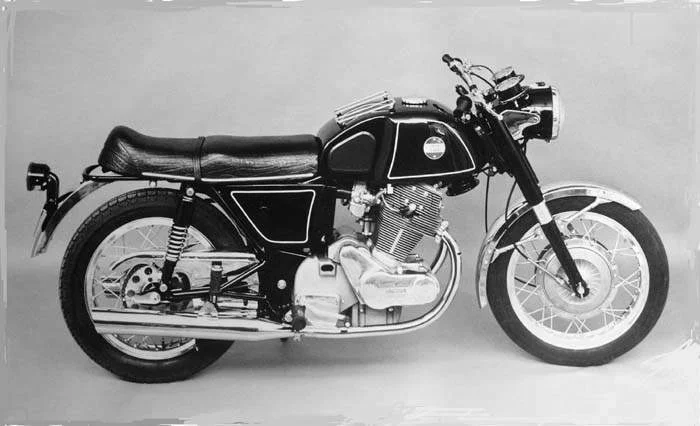
Laverda 750 GT
1969

1969
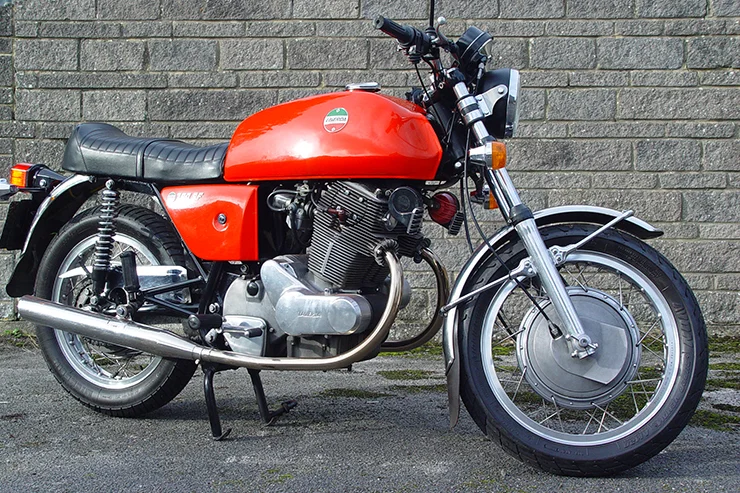
The Laverda 750 GT, introduced in 1969, marked the Italian manufacturer's foray into the larger motorcycle market. Aimed at riders seeking a more substantial machine, the 750 GT represented a significant step up from smaller Italian bikes of the era. It was designed to compete directly with established parallel-twin models like the Norton Commando and the BSA A65 Lightning, offering a similar displacement and performance profile, but with a distinct Italian flair. Laverda sought to establish itself as a serious contender in the international motorcycle scene with this model, emphasizing reliability and build quality.
At the heart of the 1969 Laverda 750 GT lies its 754.0 ccm (46.01 cubic inches) parallel-twin engine. This powerplant produced a respectable 52.0 HP (38.0 kW) at 6900 RPM, providing ample power for both touring and spirited riding. The bike had a dry weight of 218.0 kg (480.6 pounds), which contributed to its stable feel on the road. With a fuel capacity of 19.00 litres (5.02 US gallons), the 750 GT offered a decent range for longer journeys, lessening the need for frequent fuel stops. This made it a practical choice for riders who valued usability alongside performance.
The riding experience on the Laverda 750 GT is characterized by a comfortable, upright riding position, suitable for covering miles. While not a dedicated sportbike, the handling is responsive and predictable, making it enjoyable on winding roads. The suspension, typical for its time, provides a decent ride quality, though it may feel somewhat firm compared to modern motorcycles. The brakes offer adequate stopping power, requiring a firm pull on the lever for maximum effect. Overall, the 750 GT strikes a balance between comfort and control, making it a versatile machine.
The 1969 Laverda 750 GT appealed to riders who appreciated Italian engineering and styling, but needed a motorcycle that could handle everyday use and longer trips. It was a machine for those who valued reliability and build quality over outright speed, seeking a dependable and stylish alternative to British motorcycles of the time. The Laverda 750 GT remains a desirable classic, appreciated for its robust engine, elegant design, and the unique character that sets it apart from its contemporaries.
✅ Why buy this bike?
• Robust and reliable engine: The parallel-twin engine is known for its durability and longevity, capable of high mileage with proper maintenance. • Excellent handling for its time: The chassis provides stable and predictable handling, making it enjoyable on winding roads and long rides. • Strong brakes: The Laverda 750 GT boasted effective drum brakes (for its era), offering decent stopping power compared to competitors. • Classic Italian styling: The bike possesses timeless Italian design, making it visually appealing and a desirable collector's item. • Good parts availability: Despite its age, many parts are still available through specialist suppliers, facilitating restoration and maintenance.⚠️ Things to consider
• Heavy weight: The Laverda 750 GT is a heavy motorcycle, which can make it less nimble than lighter competitors. • Vibration: The parallel-twin engine produces noticeable vibration, which can become tiring on long journeys. • Outdated technology: The bike features older technology, such as drum brakes and carburetors, requiring more frequent maintenance. • Original electrics can be unreliable: The original electrical components are prone to issues and may require upgrades for modern reliability.With 52 HP, requires full Class A license. Riders must be 24+ or have 2 years A2 experience (20+).
Estimated average for 754cc class: 35-50 mpg (5.0-7.0 L/100km)
⛽ Tank: 19.00 litres (5.02 US gallons)
Insurance grouping for Laverda 750 GT (754cc):
Personalised premium estimate for the Laverda 750 GT (UK rates):
💡 Estimate based on UK market averages. For real quotes, compare on Compare the Market, MoneySuperMarket, GoCompare.
Find new and used Laverda 750 GT 1969 listings:
💡 Third-party listings. MotoBike Info is informational only.
No comments yet. Be the first to write one!