✦ publish
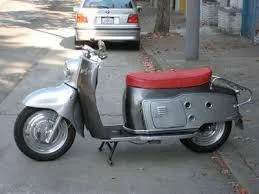
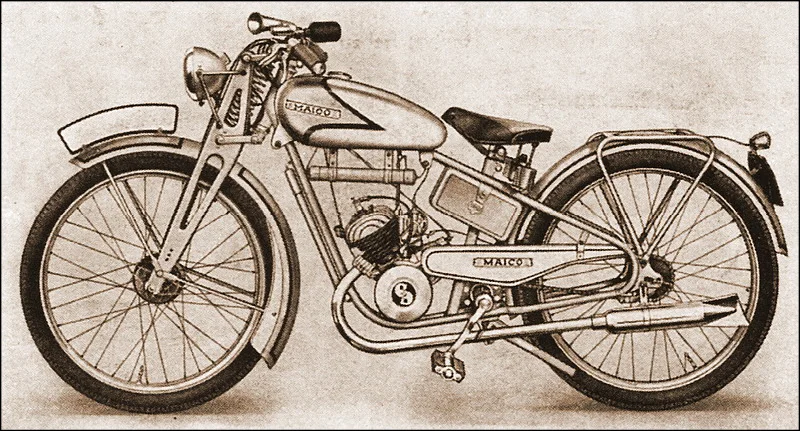
Maico F 100 Piccolo Derby
1938

1938
The year is 1938. Europe is on the cusp of immense change, and on the roads, a different kind of revolution is brewing – the democratization of motorized transport. Enter the Maico F 100 Piccolo Derby, a humble yet significant machine that offered affordable mobility to the masses. This review delves into the heart of this pre-war marvel, exploring its significance and dissecting its performance.
The Maico F 100 Piccolo Derby existed in a bustling market segment populated by lightweight motorcycles designed for commuting and utility. Think of it as Germany's answer to the British BSA Bantams that would follow after the war, or perhaps a slightly more robust competitor to the simpler mopeds emerging at the time. The Piccolo Derby aimed higher than a pure utility machine, aspiring to offer a touch of style and reliability in a package that wouldn't break the bank. In a landscape filled with rudimentary cycles, the Maico stood out with its slightly more sophisticated design and engineering.
At the heart of the Maico F 100 Piccolo Derby beats a modest but willing 98cc single-cylinder, two-stroke engine. This diminutive powerplant, with its air-cooling and carburettor fuel system, produced enough power to propel the lightweight machine through city streets and country lanes. While we don’t have dyno figures from 1938, the emphasis was clearly on torque and usability rather than outright speed. Expect a gentle but consistent power delivery, ideal for navigating traffic and conquering small inclines. The engine’s simplicity translated to ease of maintenance, a crucial factor for owners who likely relied on their motorcycles for daily transportation. Considering the 1938 specifications, it likely produced around 3-4 horsepower – enough to reach a top speed of approximately 40-45 km/h.
The Piccolo Derby was designed for practicality, not outright comfort. The riding position is upright and commanding, offering good visibility in urban environments. The seat, while likely thinly padded by modern standards, was adequate for short to medium journeys. Weight was kept to a minimum, making the bike easily manageable for a wide range of riders. Handling is nimble and responsive, perfect for navigating the often-uneven roads of the era. Daily usability was a key consideration, and the Piccolo Derby delivered with its ease of starting and reliable operation.
The Maico F 100 Piccolo Derby boasts a simple yet elegant design, reflecting the functional aesthetic of the 1930s. The frame is robust and well-engineered, designed to withstand the rigors of daily use. The materials used were chosen for durability and affordability. While chrome accents were present, the focus was on practicality rather than ostentation. The fit and finish, while not luxurious, reflected Maico's commitment to quality and reliability. The overall impression is one of understated elegance and enduring craftsmanship.
The Maico F 100 Piccolo Derby is more than just a vintage motorcycle; it's a piece of history. It represents a time when motorcycles were becoming accessible to a wider audience, offering freedom and mobility to those who previously couldn't afford it. This machine is ideal for collectors and enthusiasts who appreciate the simplicity and charm of pre-war motorcycles. Its ideal use case is as a museum piece, a weekend cruiser, or a conversation starter at vintage motorcycle rallies. While not a fire-breathing performance machine, the Piccolo Derby offers a unique and rewarding riding experience that connects you to a bygone era. If you are looking for a reliable and charming piece of history, then the Maico F 100 Piccolo Derby should be on your list.
✅ Why buy this bike?
* Classic pre-war styling offers a unique vintage aesthetic, appealing to collectors and enthusiasts of historical motorcycles. * Simple, lightweight design makes it relatively easy to maneuver and manage at low speeds, especially for riders familiar with vintage machines. * The 98cc engine is likely very fuel efficient, making it economical for short trips and leisurely rides within a limited range. * Its rarity and historical significance make it a potential conversation starter and a valuable addition to a motorcycle collection. * Basic mechanicals and construction could make it relatively straightforward to maintain and repair, assuming parts availability.⚠️ Things to consider
* The 98cc engine likely provides very limited power, making it unsuitable for modern traffic conditions, highways, or carrying passengers. * Being a pre-war motorcycle, it likely lacks modern safety features such as effective brakes, suspension, and lighting, posing a risk in contemporary riding environments. * Parts availability for a motorcycle of this age and rarity is likely very limited and sourcing them could be challenging and expensive. * The ride quality is expected to be harsh and uncomfortable due to the rudimentary suspension and frame design of the era.Rule of thumb: under 125cc / 15HP → A1, under 47HP → A2, above → A.
Estimated average for 98cc class: 75-100 mpg (2.5-3.5 L/100km)
Insurance grouping for Maico F 100 Piccolo Derby (98cc):
Personalised premium estimate for the Maico F 100 Piccolo Derby (UK rates):
💡 Estimate based on UK market averages. For real quotes, compare on Compare the Market, MoneySuperMarket, GoCompare.
Find new and used Maico F 100 Piccolo Derby 1938 listings:
💡 Third-party listings. MotoBike Info is informational only.
No comments yet. Be the first to write one!