✦ publish
Marine Turbine Technologies Superbike
2010

2010
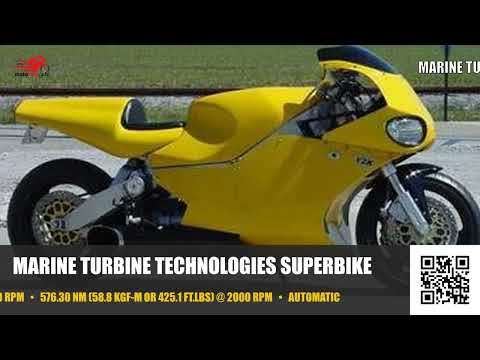
The Marine Turbine Technologies (MTT) Superbike, and specifically the 2010 model, isn't just a motorcycle; it's a statement. A rolling testament to engineering audacity. Forget comparing it to your everyday liter-class sportbike. This isn't about lap times or track days; it's about experiencing jet-engine technology on two wheels. In a world of inline-fours and V-twins, the MTT stands alone, a turbine-powered titan challenging the very definition of "motorcycle". Think of it as the two-wheeled equivalent of a fighter jet, whereas something like a Ducati 1199 Panigale would be more akin to a highly tuned sports car.
The heart of the Marine Turbine Technologies Superbike is, of course, its Rolls-Royce Allison 250-C18 gas turbine engine. This isn't some modified motorcycle engine; it's the real deal, producing a staggering 320 horsepower (233.6 kW) at 6000 RPM and a monstrous 500 ft-lbs (678.0 Nm) of torque – also at 6000 RPM. The power delivery is unlike anything you've ever experienced. Forget a traditional powerband; this is a tidal wave of thrust that builds relentlessly. The automatic gearbox further simplifies the experience, allowing you to focus solely on managing the immense performance. The review wouldn't be complete without mentioning the sound – a high-pitched whine that intensifies with speed, announcing your arrival long before you're seen. MTT claimed a top speed of 250 mph (402.3 km/h) for the 2010 model, a figure that, while rarely attainable in real-world conditions, speaks volumes about the machine's potential.
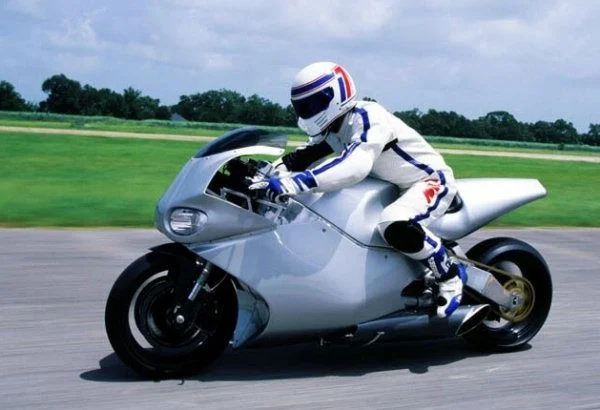
Let's be honest, the Marine Turbine Technologies Superbike wasn't designed for comfort. With a seat height of 800mm (31.5 inches), it's manageable for most riders, but the riding position is aggressive, and the heat emanating from the turbine engine is significant. Daily usability is practically non-existent; this is a special-occasion machine. Handling is surprisingly good, considering the unconventional powertrain, but it demands respect. The weight distribution is unique, and the throttle response is incredibly sensitive. This isn't a bike you can just jump on and ride; it requires a careful and considered approach. Forget commuting; this is for high-speed blasts on open roads, where you can unleash a fraction of its potential.
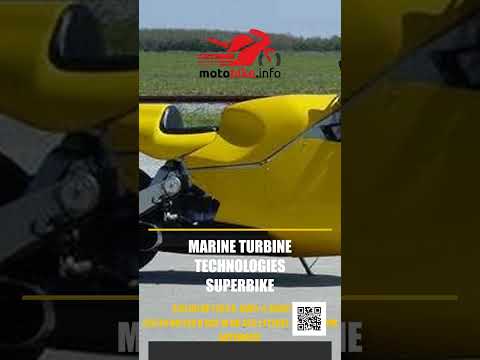
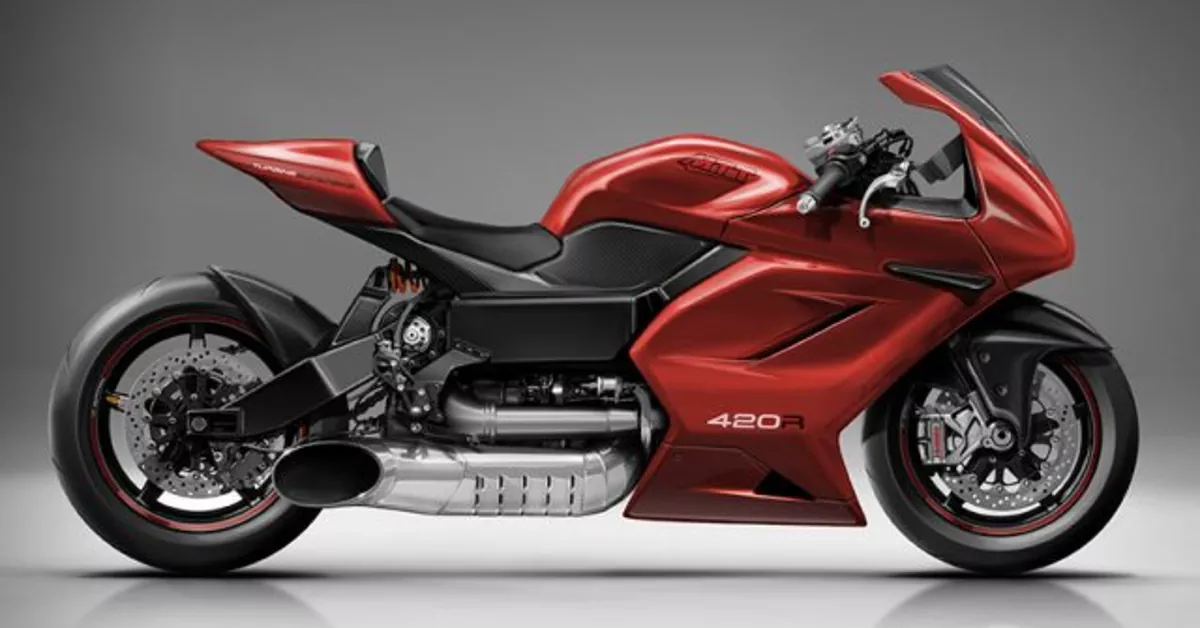
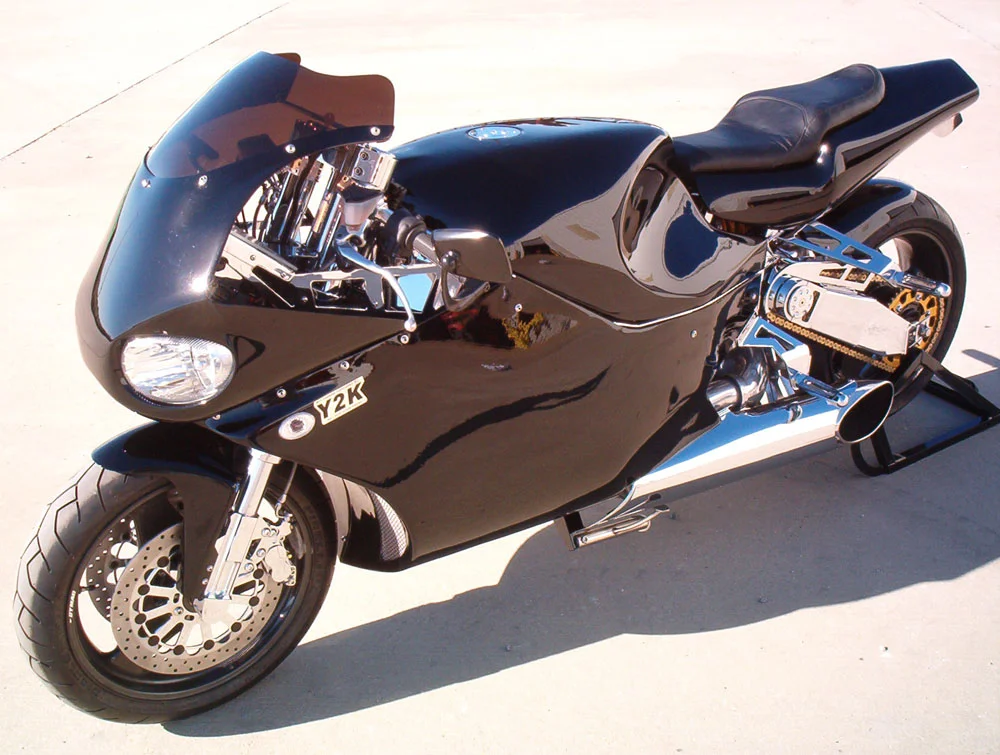
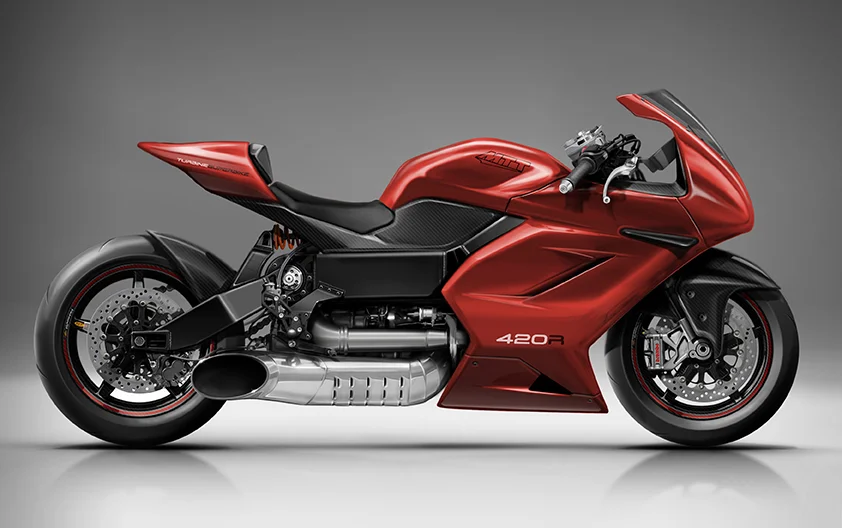
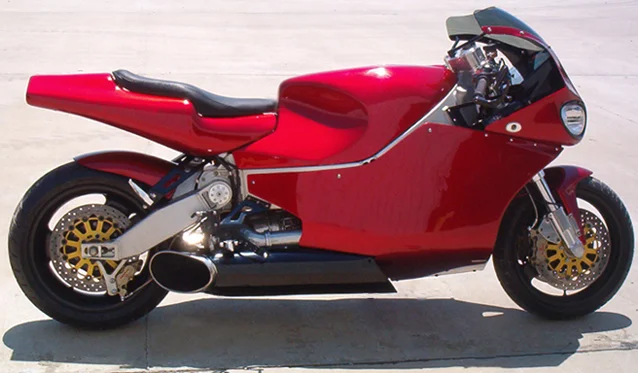
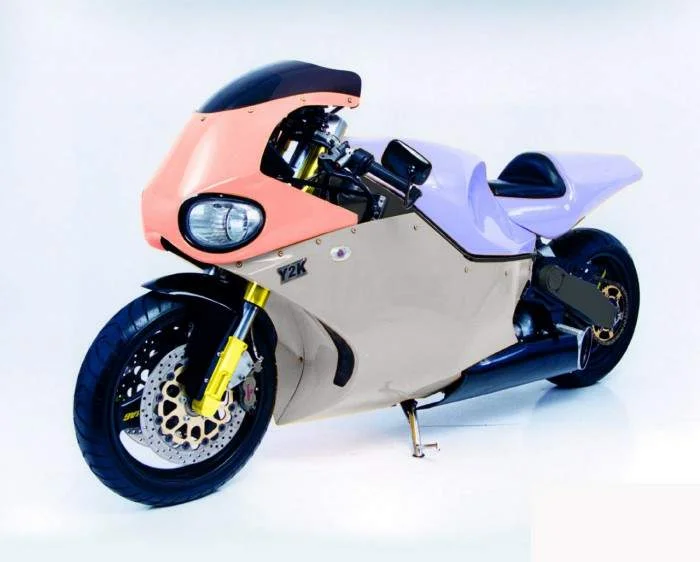
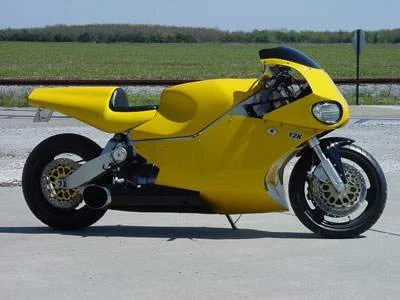
The design of the Marine Turbine Technologies Superbike is functional and purposeful. It's not conventionally beautiful, but it's undeniably striking. The exposed turbine engine is the focal point, surrounded by a sleek, aerodynamic body. The build quality is generally good, with high-quality materials used throughout. However, the bespoke nature of the machine means that some components may not be as refined as those found on mass-produced motorcycles.
The Marine Turbine Technologies Superbike is not for everyone. In fact, it's for very few people. It's a machine for collectors, thrill-seekers, and those who want to own something truly unique and extraordinary. The 2010 specifications make it a technological marvel, and its sheer audacity sets it apart from anything else on the road. If you're looking for a practical, everyday motorcycle, look elsewhere. But if you want to experience the ultimate in two-wheeled exoticism, the MTT Superbike is in a league of its own. While something like a Suzuki Hayabusa offers similar top-speed potential, the experience is fundamentally different. The MTT is about the spectacle, the sound, and the sheer unadulterated thrill of riding a turbine-powered motorcycle. This review concludes that it is a niche machine with a very specific appeal.
✅ Why buy this bike?
* Unmatched power output of 320 HP provides exhilarating acceleration and top speed, exceeding almost all other production motorcycles. * Unique turbine engine offers a distinctive riding experience and sound unlike any piston-powered motorcycle. * Exclusivity and rarity make it a highly collectible and head-turning machine, appealing to enthusiasts seeking the extraordinary. * Relatively smooth power delivery from the turbine engine, providing a linear and predictable throttle response compared to some high-strung superbikes. * Potential for long engine life with proper maintenance, as turbine engines have fewer moving parts compared to traditional internal combustion engines.⚠️ Things to consider
* Extremely high fuel consumption due to the nature of turbine engines, making it impractical for everyday use or long-distance touring. * Significant heat generation from the turbine exhaust, potentially causing discomfort for the rider, especially in warm weather. * Complex and specialized maintenance requirements, necessitating skilled technicians and potentially expensive parts. * Very high purchase price and running costs make it inaccessible to most riders and financially demanding to own. * Potential for turbo lag or delayed throttle response inherent in some turbine engine designs.With 320 HP, requires full Class A license. Riders must be 24+ or have 2 years A2 experience (20+).
No comments yet. Be the first to write one!