✦ publish
NSU 4 PS
1924

1924
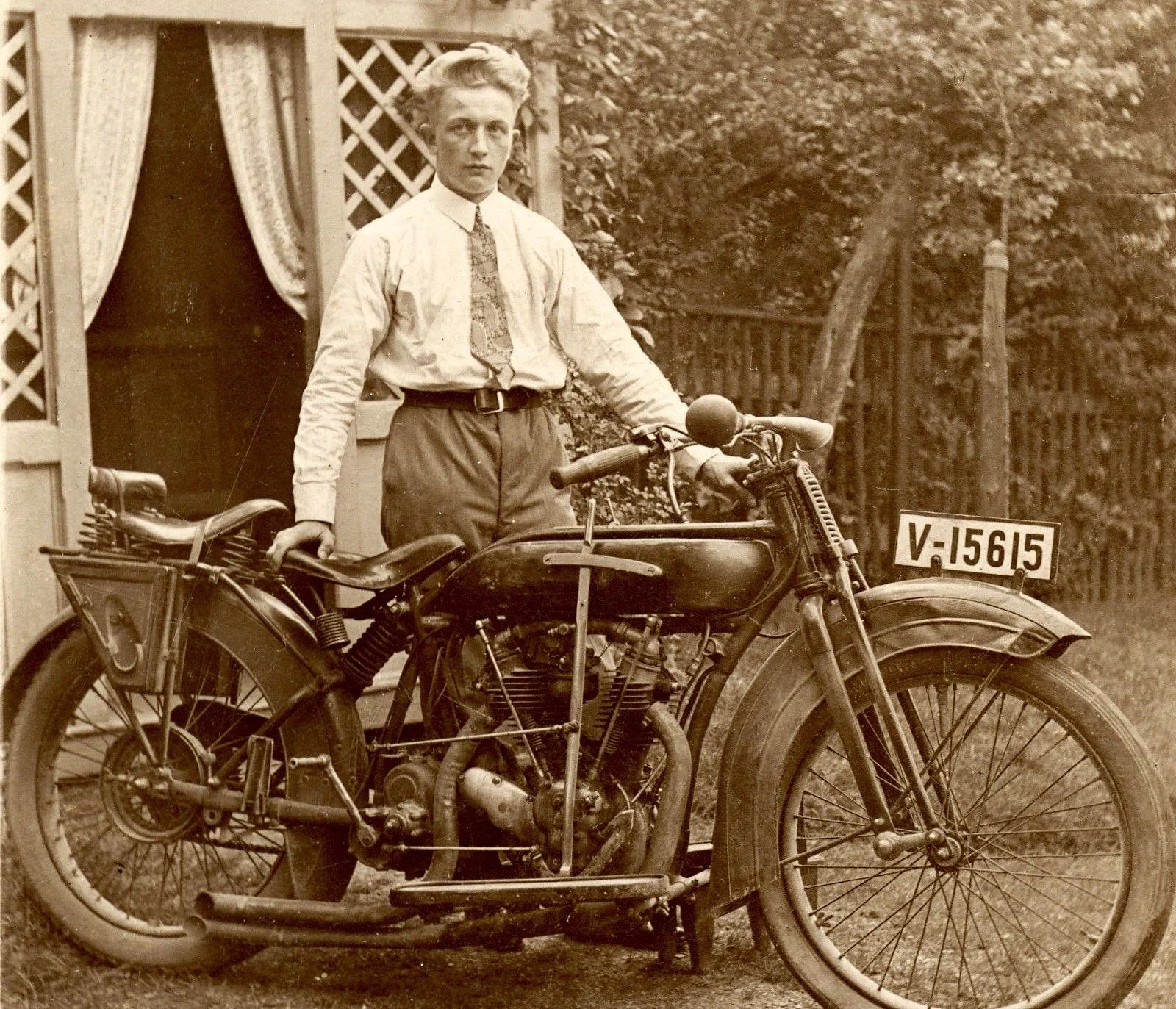
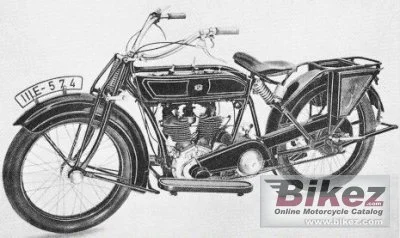
The NSU 4 PS, released in 1924, represents a significant milestone in early motorcycle development. This model emerged during a period of rapid innovation in the motorcycle industry, with manufacturers experimenting with various engine configurations and frame designs. The 4 PS aimed to provide reliable and accessible transportation. One of its direct competitors included the BMW R32, which also sought to offer a dependable machine for personal transport during the same era.
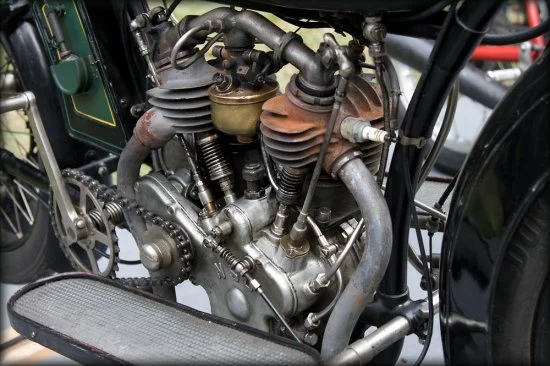
At the heart of the NSU 4 PS lies a 498.0 ccm (30.39 cubic inches) twin-cylinder, four-stroke engine. This powerplant generated a modest 6.5 HP (4.7 kW) at 3000 RPM. The engine was designed for efficiency and reliability, prioritizing smooth power delivery over outright speed. With this level of power, the 4 PS could achieve a top speed of 80.0 km/h (49.7 mph). The motorcycle's weight of 120.0 kg (264.6 pounds) contributed to its manageable handling characteristics and ease of use, especially for riders new to motorcycling.
The NSU 4 PS offered a riding experience typical of motorcycles from the 1920s. With its upright riding position and relatively low power output, it prioritized comfort and ease of control over sporty handling. Suspension technology of the time was basic, so riders would have felt most bumps in the road. The 4 PS was designed for practical transportation rather than long-distance touring. It provided a stable and predictable ride, suitable for navigating the roads of its time.
The NSU 4 PS was intended for individuals seeking affordable and reliable personal transportation. Its simplicity and ease of maintenance made it an attractive option for those who needed a practical machine for commuting or running errands. While it lacked the performance and features of more expensive motorcycles, the 4 PS offered a dependable and accessible entry point into the world of motorcycling. It represents a solid, if unspectacular, option for vintage motorcycle enthusiasts today, offering a glimpse into the early days of motorized transport.
✅ Why buy this bike?
• Robust and simple engine design contributed to reliability, especially beneficial considering the road conditions of the 1920s. • Its relatively large displacement (498cc) provided decent power for the era, enabling comfortable long-distance touring compared to smaller bikes. • The NSU's solid construction made it durable and able to withstand the rigors of daily use on often unpaved roads. • The design prioritized ease of maintenance, allowing owners to perform basic repairs with limited specialized tools. • Availability of spare parts, while not as abundant as later models, was likely better than some competing marques of the time due to NSU's size.⚠️ Things to consider
• The rigid frame and unsprung rear offered a very harsh ride, particularly on rough or uneven surfaces common in the 1920s. • Braking technology was primitive, relying on limited mechanical brakes that provided inadequate stopping power in modern terms. • The lack of advanced features like electric start or sophisticated suspension made it less convenient than later motorcycles. • Engine performance, while adequate for the time, would be considered very slow and underpowered by today's standards.The NSU 4 PS produces 6 HP, fitting A2 license limits (max 35 kW / 47 HP). For riders 18+.
Estimated average for 498cc class: 45-60 mpg (4.0-5.5 L/100km)
Insurance grouping for NSU 4 PS (498cc):
Personalised premium estimate for the NSU 4 PS (UK rates):
💡 Estimate based on UK market averages. For real quotes, compare on Compare the Market, MoneySuperMarket, GoCompare.
Find new and used NSU 4 PS 1924 listings:
💡 Third-party listings. MotoBike Info is informational only.
No comments yet. Be the first to write one!