✦ publish
NSU Neckarsulmer 4 PS
1908
1908
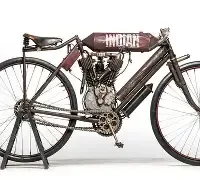
Stepping back in time to 1908, we swing a leg (carefully!) over the NSUNeckarsulmer 4 PS, a machine that represents the very dawn of motorized personal transportation. This isn't just a motorcycle; it's a rolling piece of history, offering a fascinating glimpse into the engineering ingenuity of the early 20th century. Our review delves into the heart of this pioneering machine, examining its performance, ride quality, and overall appeal.
The NSUNeckarsulmer 4 PS arrived during a period of rapid innovation in the motorcycle world. Competing against early machines from brands like Peugeot and Wanderer, the 4 PS aimed to offer a more refined and reliable experience. Where some competitors focused solely on raw power, NSU seemed to prioritize a balance of performance and user-friendliness. Its liquid cooling system, relatively uncommon at the time, immediately set it apart, promising improved engine longevity and reliability – a crucial selling point in an era where mechanical breakdowns were commonplace. The NSUNeckarsulmer 4 PS aimed to be the sophisticated choice for the discerning early motorcyclist.
At the heart of the NSUNeckarsulmer 4 PS lies a 482cc single-cylinder, four-stroke engine. Producing, as the name suggests, approximately 4 horsepower, this powerplant might seem modest by today's standards, but in 1908, it was enough to propel the machine to a respectable top speed of 70 km/h (43.5 mph). 1908 specifications dictated a simpler approach to power delivery. The carburettor feeds fuel directly to the engine, and the relatively low compression ratio ensures smooth, predictable power. Real-world performance is characterized by steady, tractable power throughout the rev range, making it surprisingly adept at tackling moderate inclines. While not a speed demon, the NSUNeckarsulmer 4 PS prioritizes reliability and ease of use, making it a dependable mount for everyday riding – or, at least, what constituted “everyday riding” over a century ago.
Riding the NSUNeckarsulmer 4 PS is an experience unlike any other. The dry weight of 80 kg (176.4 pounds) makes it relatively easy to maneuver, even at low speeds. The seating position is upright and commanding, offering good visibility. However, suspension is rudimentary, and comfort is certainly not a primary design consideration. The ride is firm, and every bump in the road is keenly felt. Handling is surprisingly nimble, thanks to the low weight and well-balanced chassis. Daily usability is limited by its age and technology, but for short jaunts on well-maintained roads, it offers a charming and engaging riding experience. Seat height is relatively low, making it accessible to riders of various sizes.
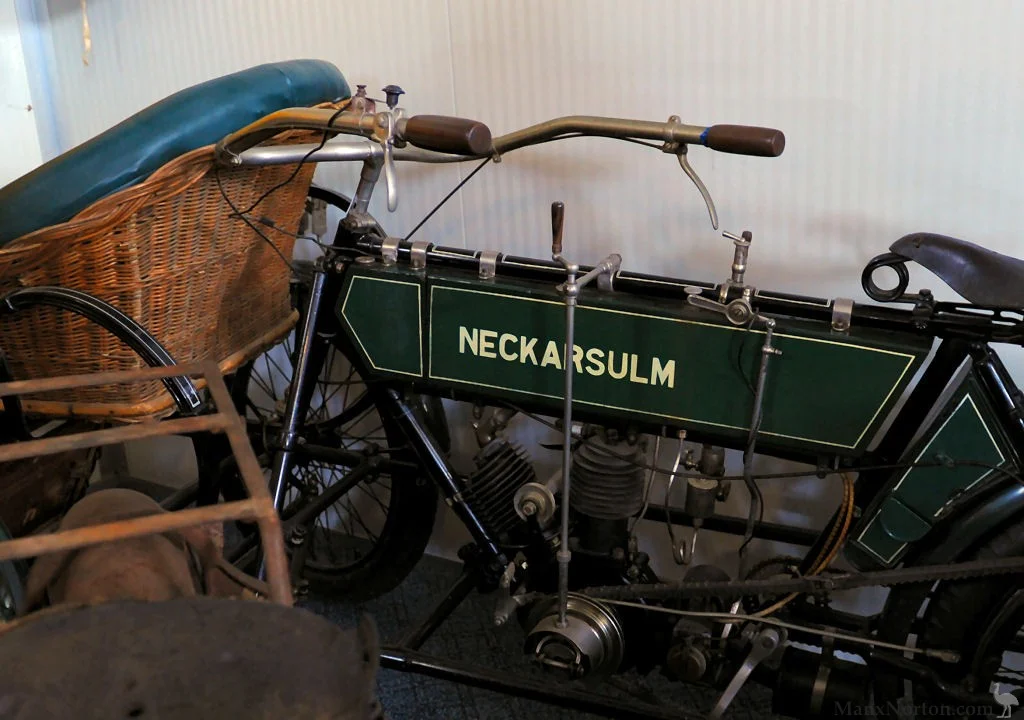
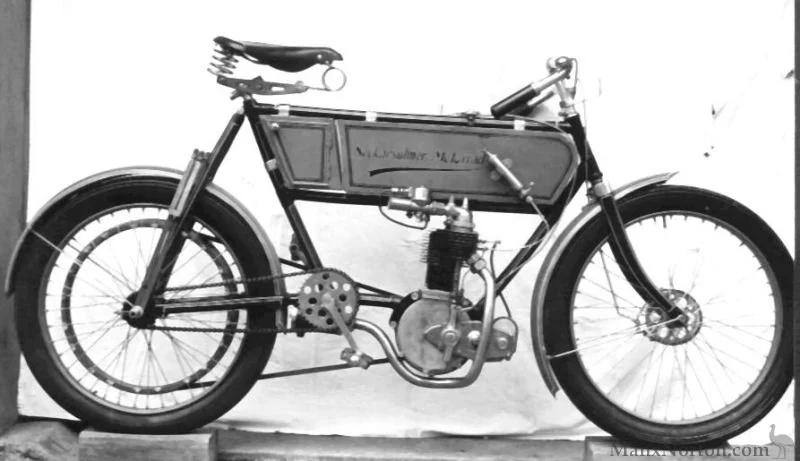
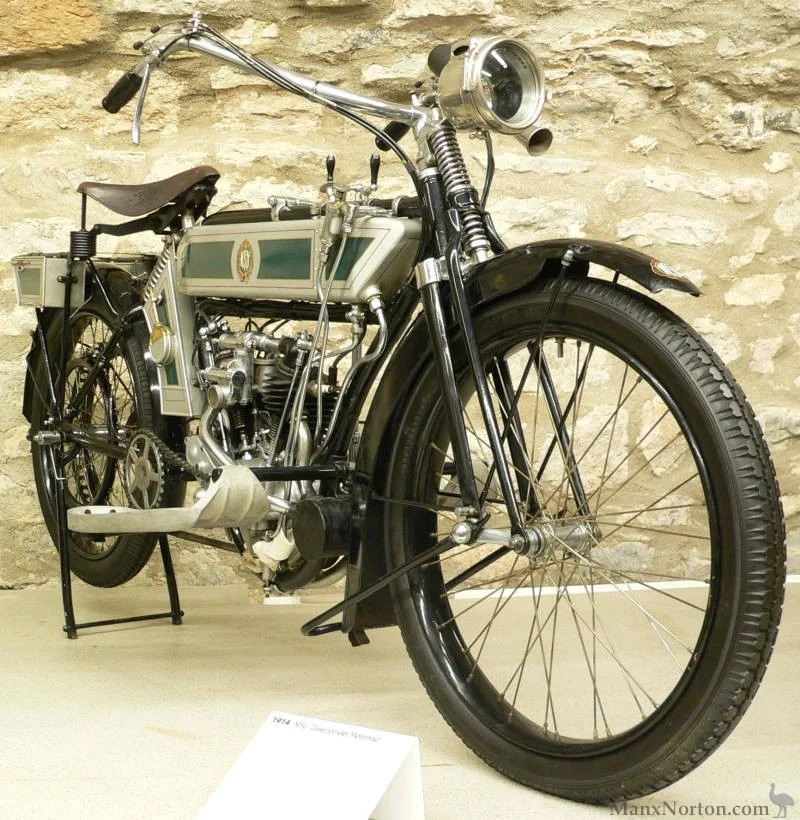
The design of the NSUNeckarsulmer 4 PS is a testament to early 20th-century engineering. The exposed engine, simple frame, and elegant lines create a visually appealing and functional machine. Materials were chosen for their durability and reliability. The fit and finish, while not perfect by modern standards, are remarkably good for the era. The overall aesthetic is one of understated elegance and purposeful design. The NSUNeckarsulmer 4 PS is a beautiful example of early motorcycle design.
The NSUNeckarsulmer 4 PS is not for everyone. It's not a practical choice for modern commuting or long-distance touring. However, for collectors, history enthusiasts, and anyone seeking a tangible connection to the early days of motorcycling, the NSUNeckarsulmer 4 PS is an invaluable piece of history. Its charm, engineering ingenuity, and historical significance make it a truly special machine. This review concludes that the NSUNeckarsulmer 4 PS is best suited for museum display, occasional vintage rallies, and anyone who appreciates the pioneering spirit of early motorcycle design. Despite its age, the NSUNeckarsulmer 4 PS performance and legacy continue to resonate with motorcycle enthusiasts today.
✅ Why buy this bike?
* Lightweight design at approximately 176 lbs allows for relatively easy maneuverability and handling, especially for its era. * Simple mechanical design makes it relatively easy to maintain and repair with basic tools and knowledge. * The 482cc single-cylinder engine provides adequate power for navigating the roads of the early 20th century. * Provides a novel and authentic experience of early motorcycle technology, offering a unique connection to motorcycling history. * Relatively low running costs due to its simplicity and lack of complex components.⚠️ Things to consider
* Likely unreliable compared to modern motorcycles, requiring frequent maintenance and adjustments. * Absence of modern safety features such as effective brakes and suspension compromises rider safety. * Extremely limited performance capabilities make it unsuitable for modern traffic conditions or long-distance travel. * Starting procedure is likely complex and physically demanding compared to modern motorcycles.Rule of thumb: under 125cc / 15HP → A1, under 47HP → A2, above → A.
Estimated average for 482cc class: 45-60 mpg (4.0-5.5 L/100km)
Insurance grouping for NSU Neckarsulmer 4 PS (482cc):
Personalised premium estimate for the NSU Neckarsulmer 4 PS (UK rates):
💡 Estimate based on UK market averages. For real quotes, compare on Compare the Market, MoneySuperMarket, GoCompare.
Find new and used NSU Neckarsulmer 4 PS 1908 listings:
💡 Third-party listings. MotoBike Info is informational only.
No comments yet. Be the first to write one!