✦ publish
Puma Elephant CR 250
2011

2011
The Puma Elephant CR 250. The name alone conjures images of rugged trails and untamed adventure. But does the 2011 model live up to its moniker? Let's dive into our full review and see if this quarter-liter off-roader has what it takes.
In 2011, the 250cc off-road market was a battleground. Competing against established names like the Yamaha WR250R and the Honda CRF250X, the Puma Elephant CR 250 aimed to carve out a niche for itself as a more budget-friendly and straightforward option. While the Japanese bikes boasted more advanced technology and refinement, the Puma offered a simpler, more accessible entry point into the world of trail riding. Its focus wasn't on outright competition performance, but on providing a reliable and enjoyable experience for riders of all skill levels.
At the heart of the Elephant CR 250 lies a 250cc air-cooled, single-cylinder engine. While it might not be pushing out eye-watering figures, the 29.4 horsepower (21.4 kW) on tap provides ample grunt for tackling most off-road terrains. The carbureted fuel system delivers a predictable and relatively smooth power delivery, making it easy to manage for beginners. The 5-speed gearbox is well-suited to the engine's characteristics, offering a good spread of ratios for both low-speed technical sections and faster fire roads. Top speed is quoted at 110 km/h (68.4 mph), adequate for linking trails but not its primary focus. The engine's simplicity also means easier maintenance, a definite plus for those who prefer to wrench on their own bikes.
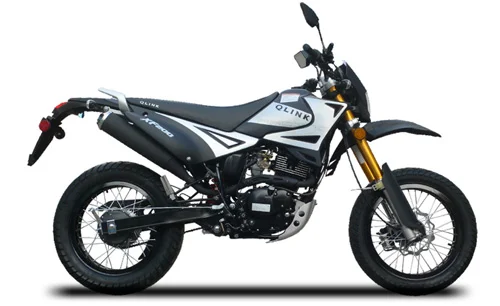
The Puma Elephant CR 250 is designed for off-road adventures, and its ergonomics reflect that. The relatively high seat height of 930 mm (36.6 inches) provides a commanding view of the trail and allows for good leg extension when standing. The dry weight of 118.0 kg (260.1 pounds) makes it manageable, even on challenging terrain. While the suspension isn't the most sophisticated, it's adequate for absorbing bumps and ruts. Comfort is decent for shorter rides, but the seat can become tiresome on longer journeys. Daily usability is limited, as it's primarily an off-road machine, but it's perfectly capable of handling short commutes to the trailhead.
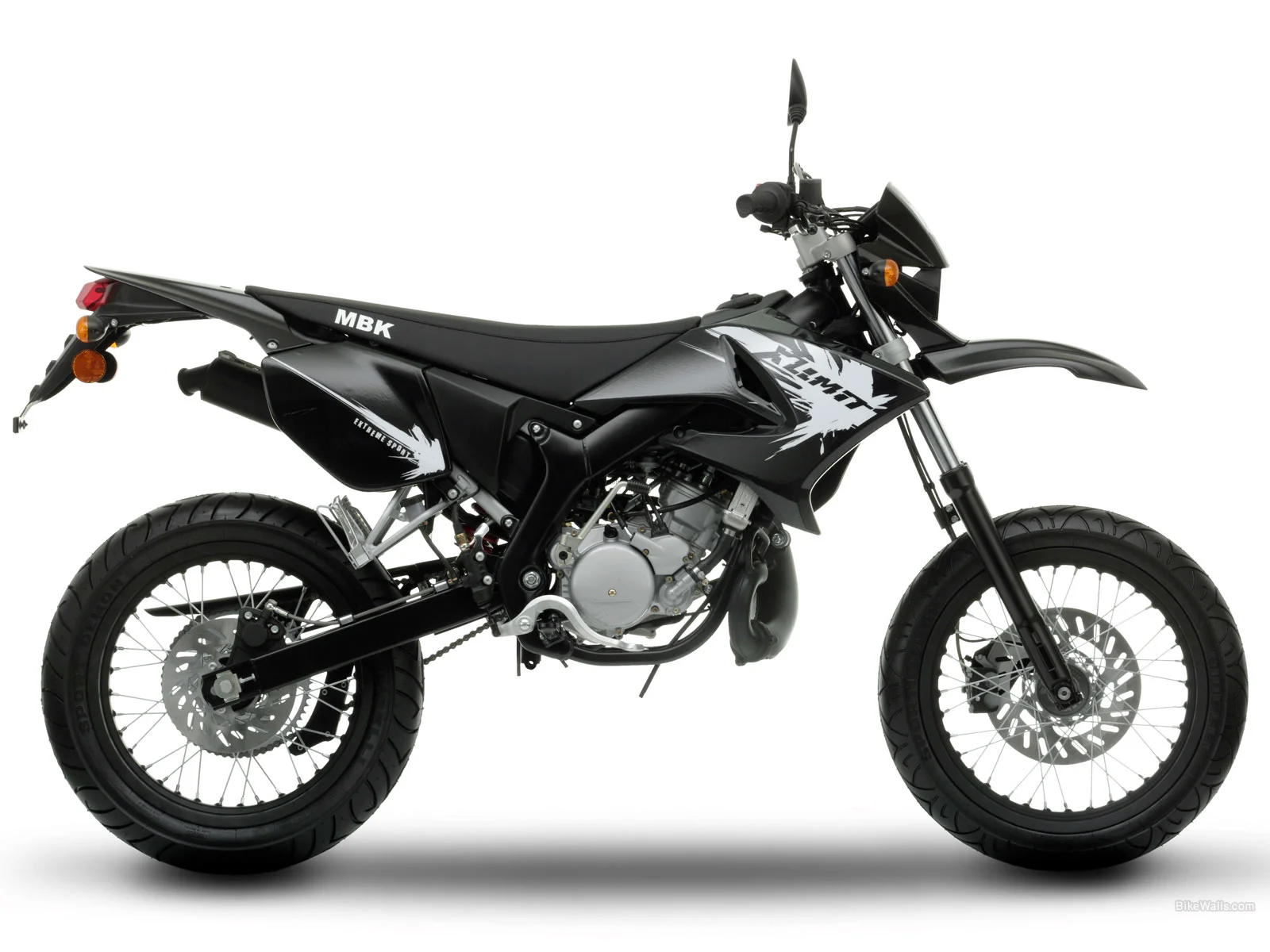
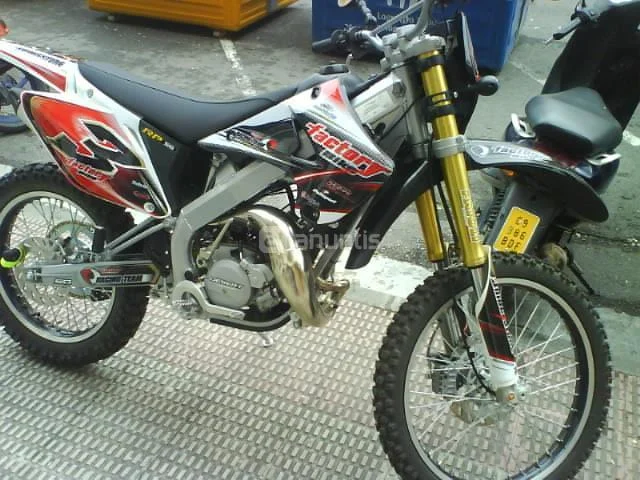
The aesthetics of the 2011 Puma Elephant CR 250 are functional and utilitarian. The focus is clearly on practicality rather than flashy design. The materials used are durable and built to withstand the rigors of off-road riding. Fit and finish are acceptable for a bike in its price range, but it doesn't quite match the level of refinement found on more expensive models. The overall impression is one of a robust and reliable machine designed to get the job done.
The Puma Elephant CR 250 isn't going to win any races, but it offers a solid and affordable entry point into the world of off-road motorcycling. The 2011 specifications make it a capable and reliable machine for beginners and experienced riders alike. It's ideal for those looking for a budget-friendly trail bike that's easy to maintain and fun to ride. The ideal use cases include weekend trail rides, exploring forest roads, and learning the fundamentals of off-road riding. If you're looking for a no-frills, dependable off-roader, the Puma Elephant CR 250 deserves a serious look. Its performance and simplicity are its strengths.
✅ Why buy this bike?
* Lightweight at 118kg making it very maneuverable, especially for beginners or off-road use. * Simple, air-cooled 250cc engine is relatively easy to maintain and repair, reducing running costs. * 29.4 HP provides adequate power for city commuting and some light off-road trails. * Likely to be very affordable to purchase, making it an accessible option for budget-conscious riders. * Basic design and construction mean readily available aftermarket parts and ease of customization.⚠️ Things to consider
* 29.4 HP may feel underpowered for highway riding or carrying a passenger. * Likely uses basic suspension components, resulting in a less refined ride quality, especially on rough roads or challenging terrain. * Older 2011 model may suffer from component wear and tear, requiring more frequent maintenance and potential repairs. * Design and features will likely be dated compared to modern motorcycles, lacking modern technology like fuel injection or advanced braking systems.The Puma Elephant CR 250 produces 29 HP, fitting A2 license limits (max 35 kW / 47 HP). For riders 18+.
Estimated average for 250cc class: 55-80 mpg (3.0-4.5 L/100km)
Insurance grouping for Puma Elephant CR 250 (250cc):
Personalised premium estimate for the Puma Elephant CR 250 (UK rates):
💡 Estimate based on UK market averages. For real quotes, compare on Compare the Market, MoneySuperMarket, GoCompare.
Find new and used Puma Elephant CR 250 2011 listings:
💡 Third-party listings. MotoBike Info is informational only.
No comments yet. Be the first to write one!