✦ publish
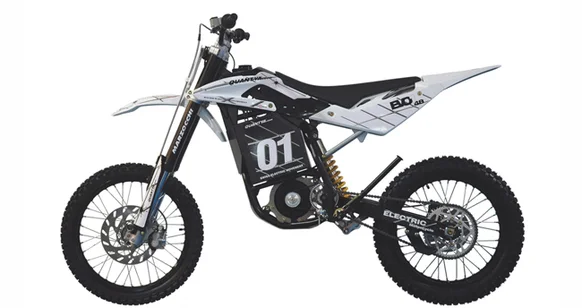
Quantya Squter P 1
2011

2011
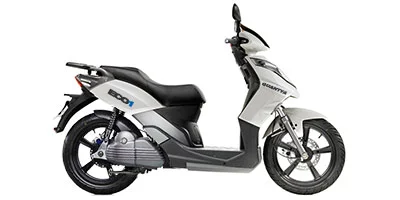
The 2011 Quantya Squter P 1 carved a niche in the nascent electric scooter market, representing an early foray into emission-free personal mobility. As part of Quantya's pioneering electric lineup, the Squter P 1 offered a practical solution for urban commutes and light recreational use. In its competitive landscape, it faced off against other electric two-wheelers of the era, such as the Vectrix VX-1 and early iterations of Zero Motorcycles' street models, aiming to provide an accessible and environmentally conscious alternative to traditional gasoline-powered scooters.
Propelled by an electric motor, the Squter P 1 generated a respectable 17.0 Nm (1.7 kgf-m or 12.5 ft.lbs) of torque, providing instant acceleration characteristic of electric powertrains. This allowed it to reach a top speed of 80.0 km/h (49.7 mph), making it suitable for city traffic and moderate-speed urban roads. With a total weight of 112.0 kg (246.9 pounds), the Squter P 1 maintained a nimble feel, contributing to its maneuverability in congested environments and ease of handling for a variety of riders.
Riding the Squter P 1 offered an intuitive and user-friendly experience. Its 800 mm (31.5 inches) seat height, even at its lowest adjustable setting, provided a comfortable and accessible perch for many riders, promoting an upright riding posture typical of scooters. The relatively light weight contributed to easy low-speed handling and parking. The absence of engine noise and vibrations, inherent to electric vehicles, made for a quiet and smooth ride, reducing rider fatigue during daily commutes and short trips.
The Quantya Squter P 1 was primarily aimed at urban commuters, environmentally conscious individuals, and those seeking a low-maintenance, quiet mode of transport. Its straightforward operation and zero-emission footprint made it an appealing option for city dwellers navigating short to medium distances. While not designed for long-distance touring or high-performance antics, its practicality and eco-credentials made it a viable choice for riders prioritizing efficiency and a greener commute in the early 2010s electric two-wheeler market.
✅ Why buy this bike?
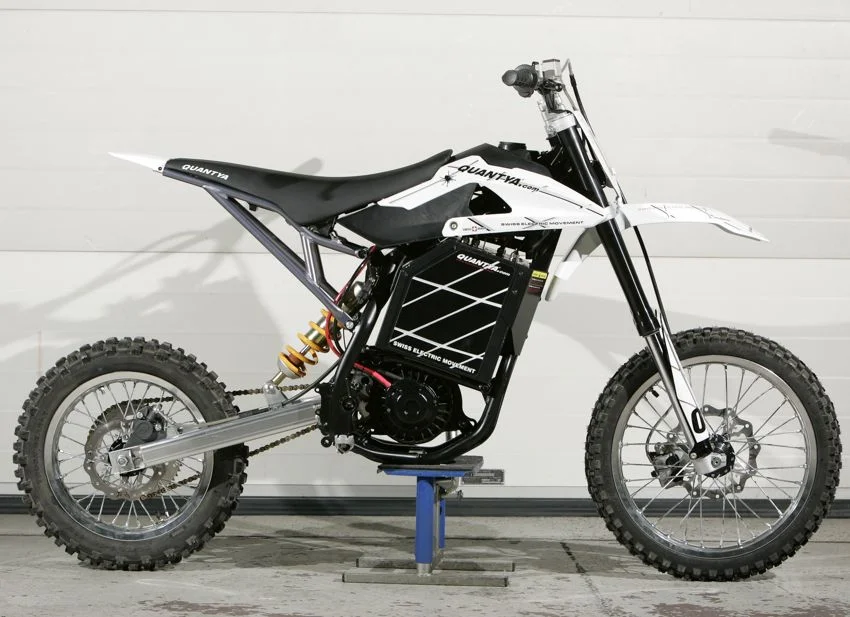
• Near-silent electric motor allows for discreet riding in noise-sensitive areas or for training without engine roar. • Zero emissions make it an environmentally friendly option, suitable for indoor training or areas with strict air quality rules. • Low center of gravity and lightweight design (around 40kg) make it exceptionally easy to handle for beginners or younger riders. • Minimal maintenance required compared to a gasoline engine; no oil changes, spark plugs, or fuel system to worry about. • Instant torque from the electric motor provides smooth, predictable power delivery, ideal for learning clutchless riding. • Rechargeable battery offers convenience; simply plug it in, no need to visit a gas station.⚠️ Things to consider
• Limited range (around 30-40km) restricts its use primarily to training grounds, backyards, or short recreational rides. • Relatively long charging time (several hours) can interrupt continuous riding sessions or require multiple battery packs. • Lower top speed and power output compared to similarly sized gasoline dirt bikes, limiting its full off-road capability. • Battery degradation over time will reduce range and capacity, potentially requiring expensive replacement. • High initial purchase price for an electric trainer can be a deterrent compared to entry-level gasoline alternatives.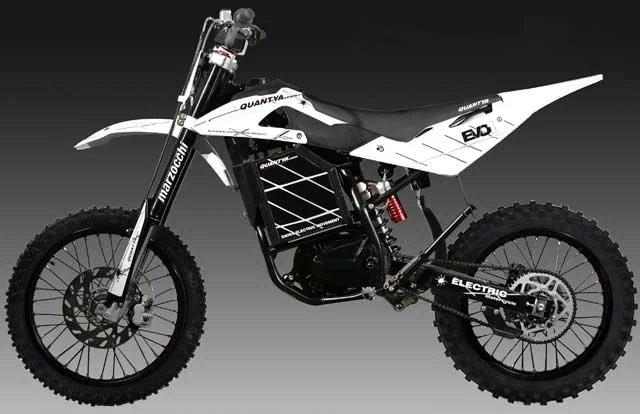
No comments yet. Be the first to write one!