✦ publish
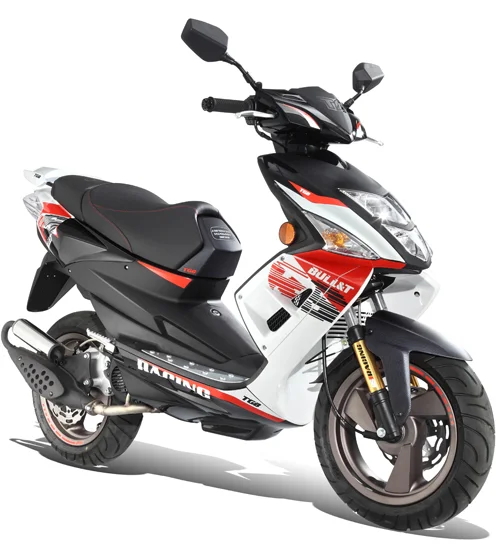
TGB 303 R (150 cc)
2007

2007
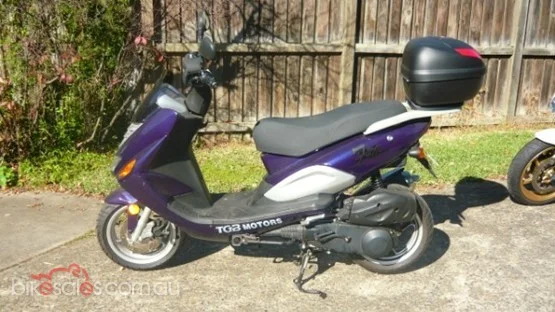
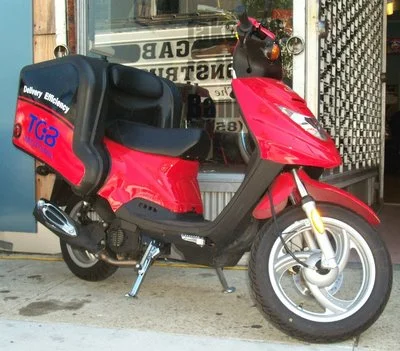
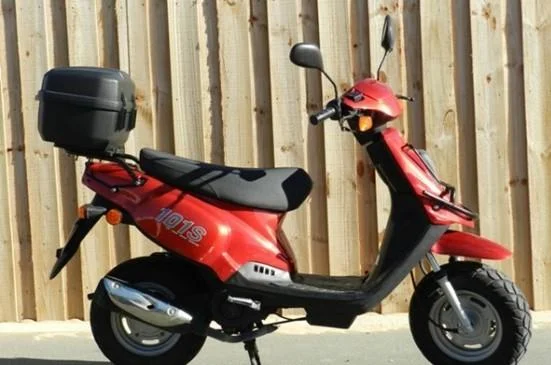
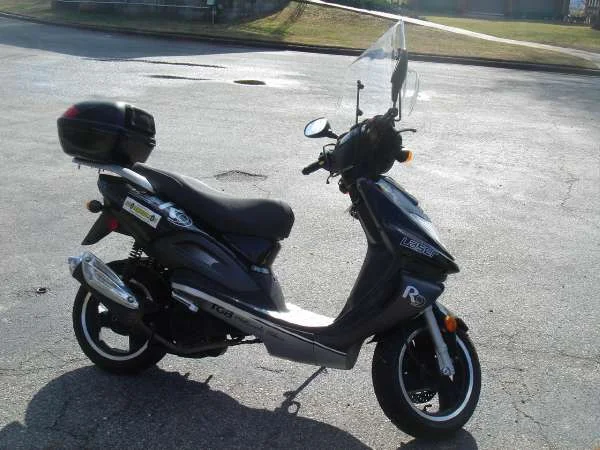
The 2007 TGB 303 R, a 150cc scooter, represented a practical option in the competitive commuter segment of its era. As part of TGB's scooter lineup, it aimed to offer an accessible and reliable mode of transport. In terms of direct competition, it squared off against popular models like the Honda PCX 150 (though slightly newer) and the Yamaha NMAX 155, both renowned for their urban agility and fuel efficiency. The 303 R positioned itself as a straightforward, no-frills alternative for riders seeking an economical two-wheeled solution.
At the heart of the TGB 303 R was a single-cylinder, four-stroke engine displacing 151.0 ccm (9.21 cubic inches). This powerplant produced a modest 10.1 HP (7.4 kW) at 7500 RPM, a figure well-suited for its intended urban environment rather than high-speed touring. The scooter's dry weight came in at 122.0 kg (269.0 pounds), contributing to its maneuverability. Fuel capacity was a practical 6.80 litres (1.80 US gallons), suggesting a decent range for daily commutes without frequent stops at the pump. This combination of engine output and weight pointed towards a machine designed for efficient point-to-point travel.
Riding characteristics of the 303 R focused on ease of use and comfort. Its scooter architecture inherently provides an upright riding stance, which is ideal for navigating congested city traffic and offers good visibility. The step-through frame design further enhances accessibility, making it easy for riders of various heights to mount and dismount. While not a sport-oriented machine, its relatively light weight and automatic transmission would have made for a nimble and unintimidating ride, prioritizing convenience and a relaxed posture over aggressive handling or high-speed stability.
The TGB 303 R was primarily aimed at urban commuters, students, and anyone seeking an economical and easy-to-manage personal transport solution. Its modest power output and user-friendly design make it an excellent choice for new riders or those who prioritize practicality and low running costs. As a utilitarian scooter, it delivered on the promise of affordable mobility, offering a dependable platform for daily errands and short-distance travel within city limits. It served as a functional and unpretentious option in the bustling 150cc scooter market.
✅ Why buy this bike?
• Lightweight and nimble, making it easy to maneuver through urban traffic and tight spaces. • Excellent fuel efficiency from the 150cc engine, ideal for daily commuting and saving on running costs. • Lower purchase price compared to larger scooters or motorcycles, making it an accessible entry-level option. • Simple mechanics often translate to lower maintenance costs and easier DIY repairs for basic issues. • Ample under-seat storage for a scooter of its size, convenient for helmet or groceries. • Comfortable upright riding position suitable for shorter to medium commutes without excessive fatigue.⚠️ Things to consider
• Limited top speed and acceleration, struggling on highways or with heavier riders/pillion passengers. • Smaller wheels and basic suspension can make for a less comfortable ride on rougher roads. • Older model (2007) may face parts availability issues and potential for age-related wear and tear. • Brand recognition is lower than major Japanese or European manufacturers, impacting resale value and service network. • Drum brakes (if equipped) may offer less stopping power compared to modern disc brake systems.The TGB 303 R (150 cc) produces 10 HP, fitting A2 license limits (max 35 kW / 47 HP). For riders 18+.
Estimated average for 151cc class: 55-80 mpg (3.0-4.5 L/100km)
⛽ Tank: 6.80 litres (1.80 US gallons)
Insurance grouping for TGB 303 R (150 cc) (151cc):
Personalised premium estimate for the TGB 303 R (150 cc) (UK rates):
💡 Estimate based on UK market averages. For real quotes, compare on Compare the Market, MoneySuperMarket, GoCompare.
Find new and used TGB 303 R (150 cc) 2007 listings:
💡 Third-party listings. MotoBike Info is informational only.
No comments yet. Be the first to write one!