✦ published
Werner Motocyclette
1897 · Vintage
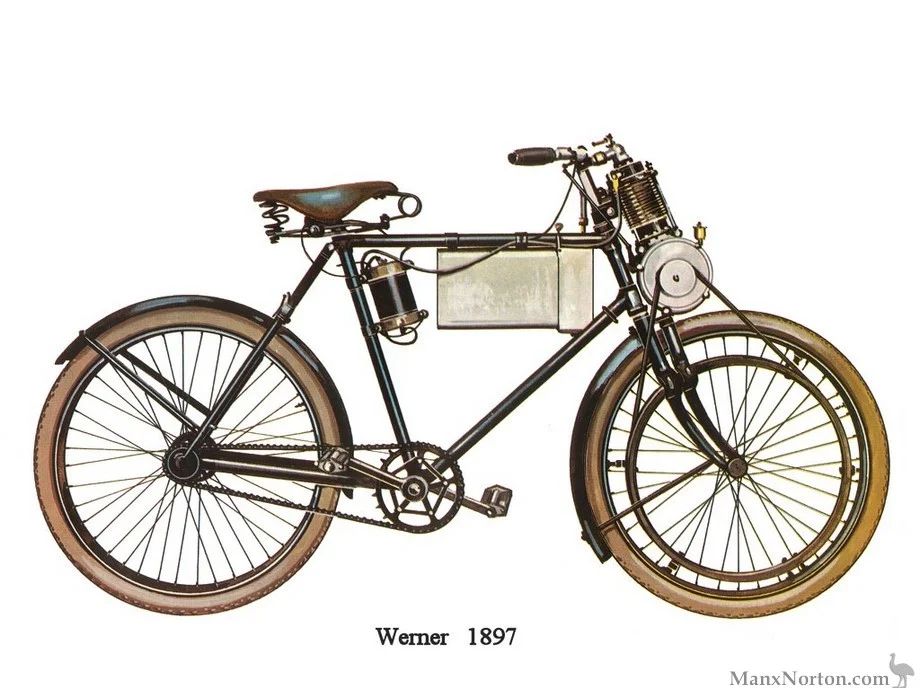
1897 · Vintage
✅ Why buy this bike?
⚠️ Things to consider
⚖️ Comparison & Competition
Rule of thumb: under 125cc / 15HP → A1, under 47HP → A2, above → A.
Estimated average for 216cc class: 55-80 mpg (3.0-4.5 L/100km)
⛽ Tank: 23.00 litres (6.08 gallons)
Insurance grouping for Werner Motocyclette (216cc):
Personalised premium estimate for the Werner Motocyclette (UK rates):
💡 Estimate based on UK market averages. For real quotes, compare on Compare the Market, MoneySuperMarket, GoCompare.
Estimated price range for the Werner Motocyclette based on comparable motorcycles:
📊 Category-based (25 motorcycles) · Approximate (USD)
Find new and used Werner Motocyclette 1897 listings:
💡 Third-party listings. MotoBike Info is informational only.
No comments yet. Be the first to write one!