✦ publish
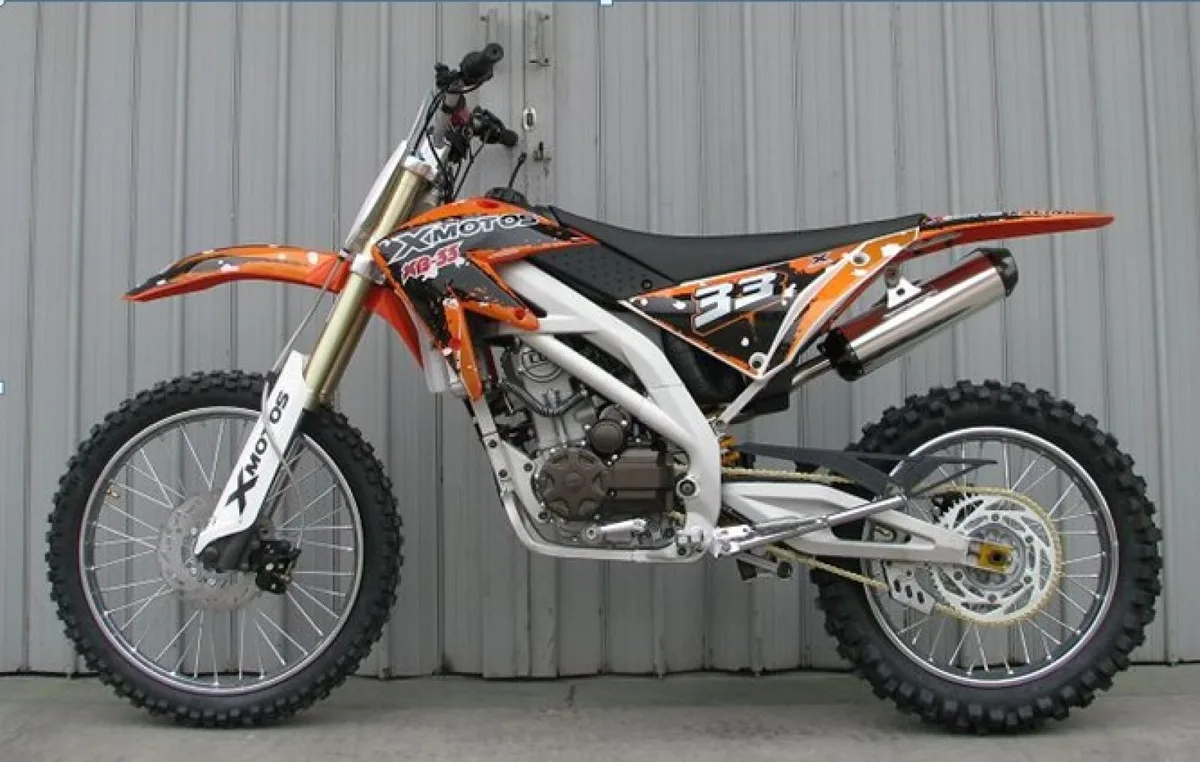
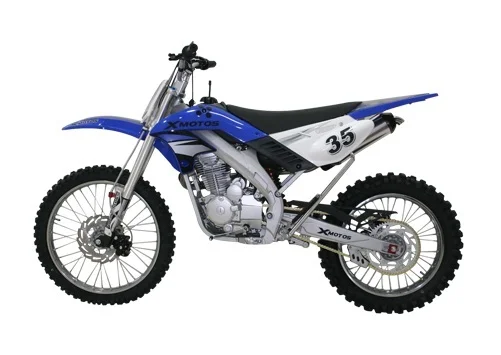
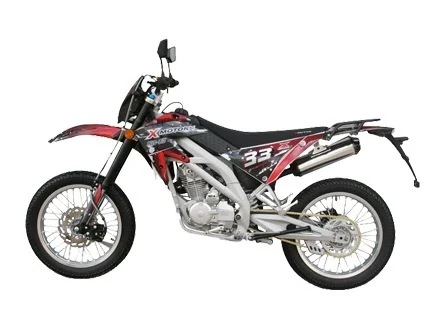
Xmotos XTR 250 W
2010
2010
The Xmotos XTR 250 W: A Budget-Friendly Trail Blazer from 2010
Back in 2010, the off-road motorcycle market was buzzing with options, and the Xmotos XTR 250 W carved out a niche as a budget-friendly entry point into the world of trail riding. While not directly competing with established giants like Yamaha's WR250R (known for its reliability and refined engine) or Honda's CRF250X (a more competition-focused machine), the XTR 250 W offered a compelling alternative for riders looking for an affordable and capable off-road experience without breaking the bank. It aimed at riders prioritizing value over outright performance and brand prestige. This review examines the performance of this plucky machine and assesses its place in the off-road landscape.
The heart of the Xmotos XTR 250 W is a 249.4cc single-cylinder, four-stroke engine. This liquid-cooled powerplant produces a claimed 16.8 horsepower (12.2 kW) at 7500 RPM. While this isn't going to set any land speed records, the engine provides adequate power for tackling most trails. The power delivery is relatively smooth and predictable, making it manageable for novice riders. The five-speed gearbox is functional, although the shifts can feel a little notchy. The 2010 specifications indicate a focus on usability rather than outright speed, and that's reflected in the real-world performance. Don't expect to win any races, but the XTR 250 W will happily chug along on moderate off-road terrain.
With a dry weight of 113 kg (249.1 pounds), the Xmotos XTR 250 W feels relatively light and nimble. The seat height, however, is a significant 950 mm (37.4 inches), which may be challenging for shorter riders. This height, combined with the weight, requires some confidence and skill to manage, particularly on uneven terrain. The suspension, while basic, is adequate for absorbing bumps and ruts. Comfort is acceptable for shorter rides, but the seat can become tiring on longer excursions. Daily usability is limited by its off-road focus; it's not really designed for commuting or extended road use. The ergonomics are geared towards off-road riding, with a narrow profile that allows for easy movement and control.
The aesthetics of the Xmotos XTR 250 W are functional rather than flashy. The design is straightforward and utilitarian, with a focus on practicality. The materials used are generally robust, but the fit and finish are not on par with more expensive Japanese or European motorcycles. The plastics are durable enough to withstand some abuse, but the overall impression is one of a budget-conscious build. While it may not win any beauty contests, the XTR 250 W is built to take a beating, and that's arguably more important for an off-road machine.
The Xmotos XTR 250 W is a solid choice for budget-conscious riders looking to get into off-road riding. Its affordable price point makes it an accessible option for beginners or those who don't want to invest heavily in a more expensive machine. Ideal use cases include recreational trail riding, exploring forest roads, and learning the fundamentals of off-road motorcycle control. While it lacks the refinement and performance of higher-end models, the XTR 250 W offers a decent riding experience at a fraction of the cost. If you're after a reliable workhorse and don't mind a slightly unrefined feel, the Xmotos XTR 250 W from 2010 might just be the ticket.
✅ Why buy this bike?
* Lightweight (113 kg) makes it easy to handle, especially for beginners or off-road riding. * Simple, air-cooled engine is relatively easy to maintain and repair, reducing maintenance costs. * Low seat height (specific measurement needed but typical for this type) makes it accessible to shorter riders. * Affordable price point makes it an attractive option for budget-conscious riders or those new to motorcycling. * Decent power for its class (16.8 HP) is sufficient for basic commuting and recreational off-road use.⚠️ Things to consider
* Low power output (16.8 HP) limits its suitability for highway riding or carrying passengers comfortably. * Basic suspension components offer limited adjustability and may struggle with rough terrain or aggressive riding. * Build quality may be questionable due to the brand's reputation for using lower-cost materials, potentially leading to reliability issues. * Likely lacks advanced features such as fuel injection or modern braking systems, reducing performance and safety compared to newer bikes.The Xmotos XTR 250 W produces 17 HP, fitting A2 license limits (max 35 kW / 47 HP). For riders 18+.
Estimated average for 249cc class: 55-80 mpg (3.0-4.5 L/100km)
⛽ Tank: 7.50 litres (1.98 US gallons)
Insurance grouping for Xmotos XTR 250 W (249cc):
Personalised premium estimate for the Xmotos XTR 250 W (UK rates):
💡 Estimate based on UK market averages. For real quotes, compare on Compare the Market, MoneySuperMarket, GoCompare.
Find new and used Xmotos XTR 250 W 2010 listings:
💡 Third-party listings. MotoBike Info is informational only.


No comments yet. Be the first to write one!