Beta Brand History
Beta, the Italian motorcycle manufacturer, has a rich history rooted in precision engineering and a passion for off-road riding. Founded in Florence, Italy, in 1905 as Società Giuseppe Bianchi, the company initially focused on producing bicycles. It wasn't until 1948 that Beta ventured into motorcycle production, adopting the name Beta (formed from the initials of Enzo Bianchi and Arrigo Tosi) and launching its first motorcycle, the "Cigno." While the Cigno was a step, it was their later focus on specialized motorcycles that truly defined them.
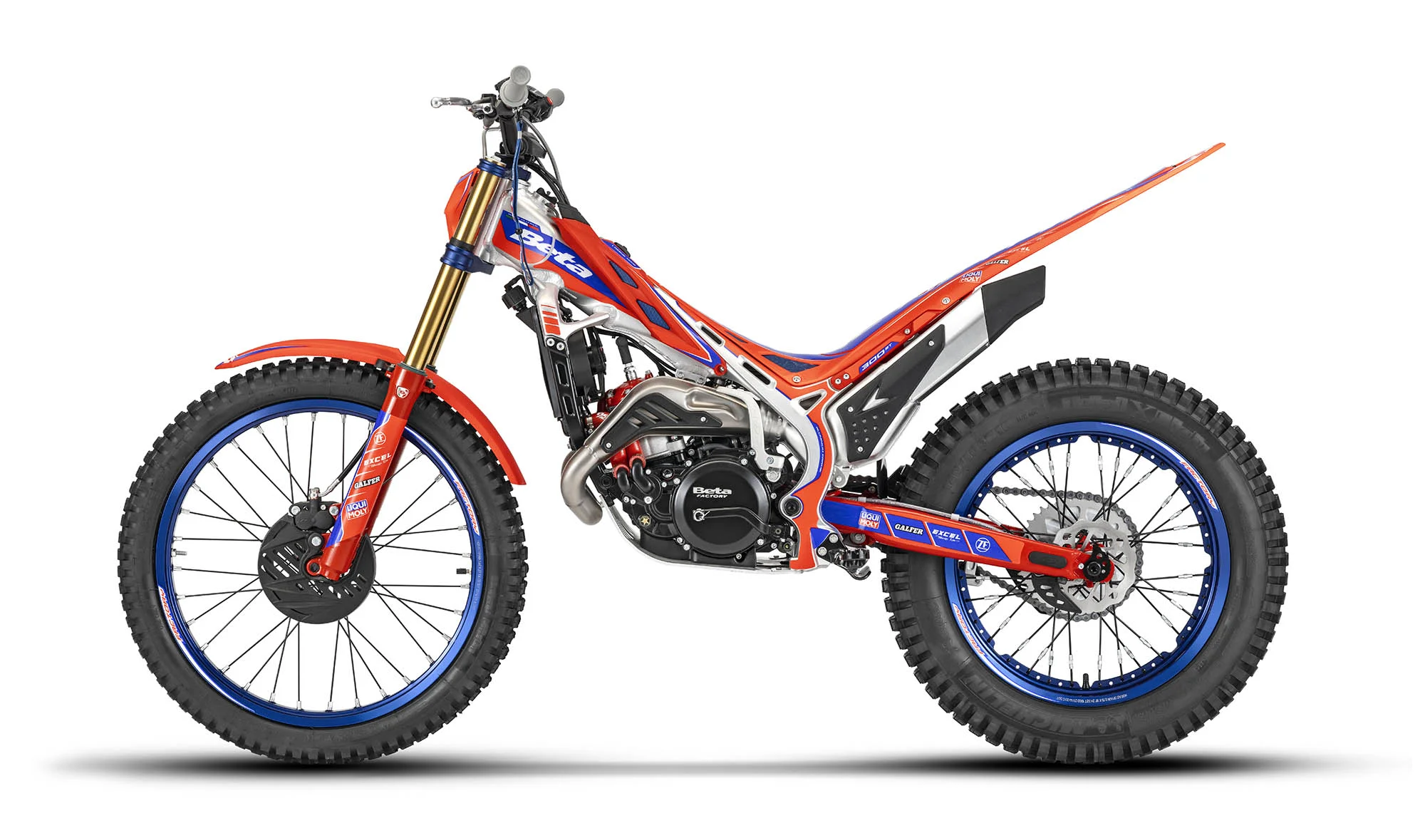
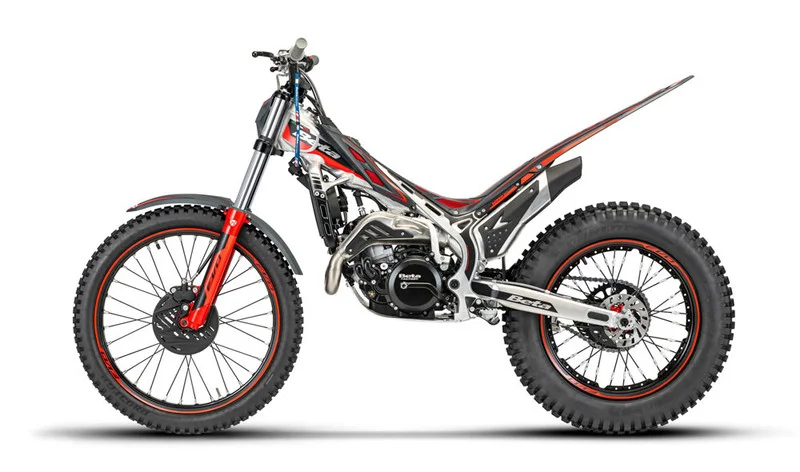
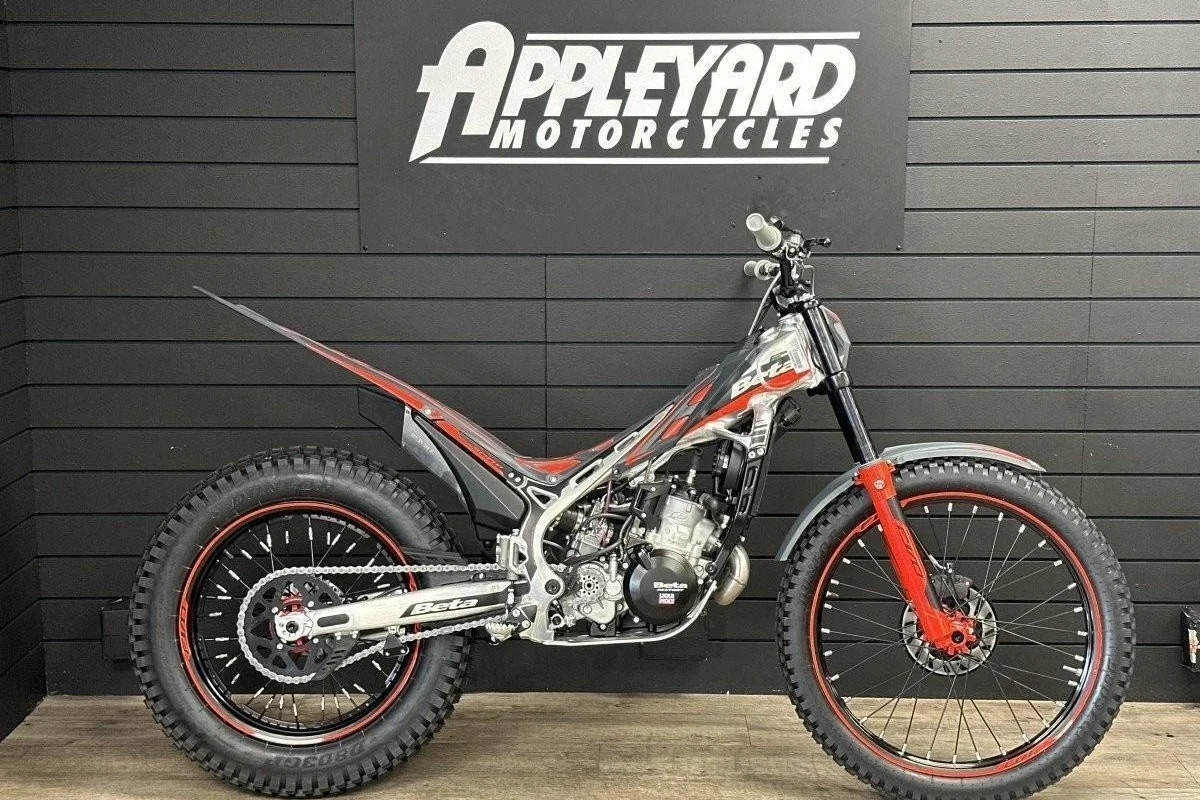
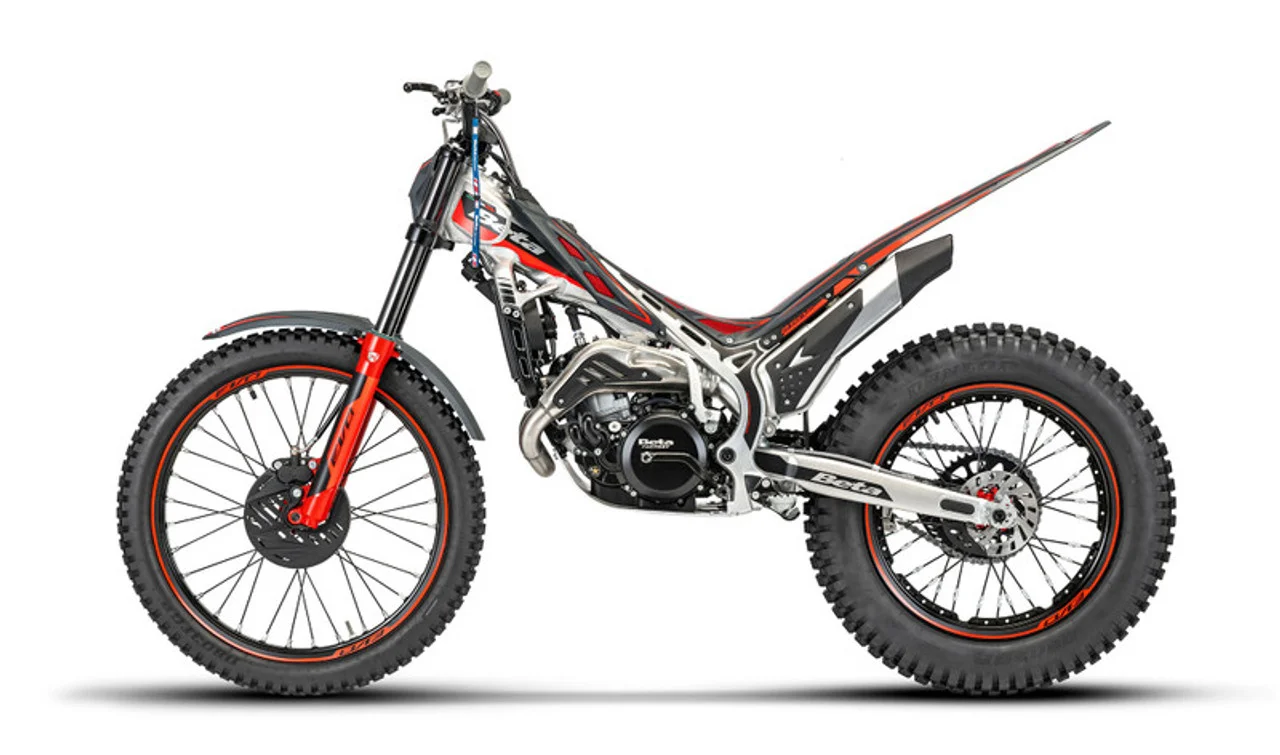
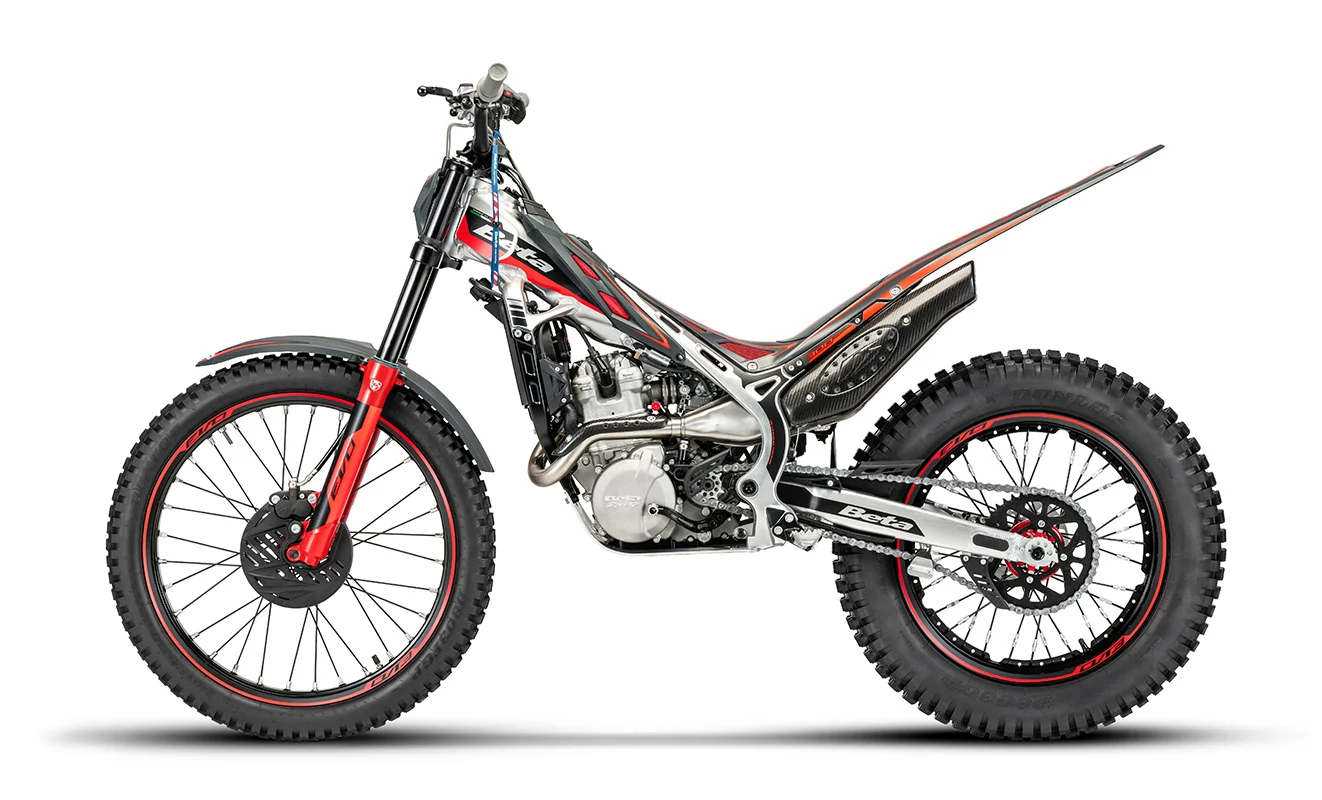
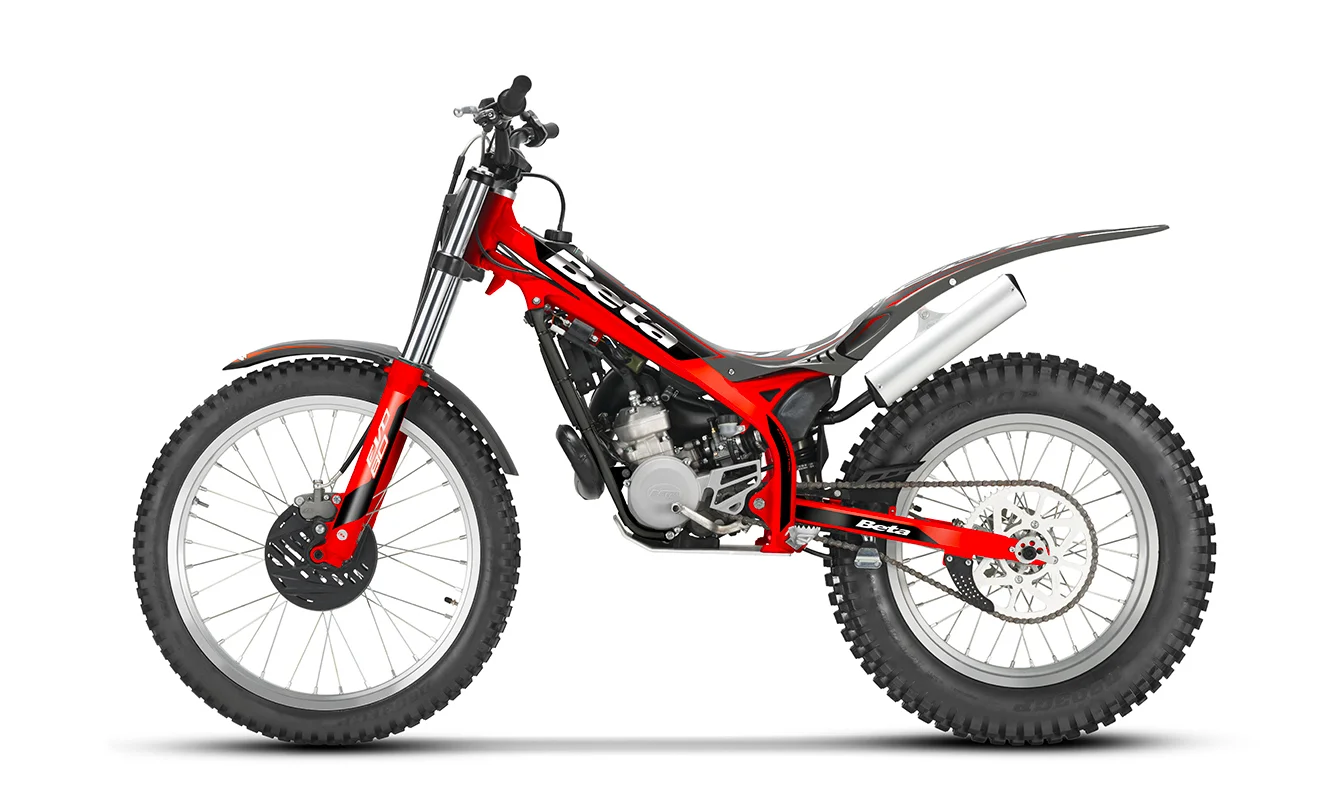
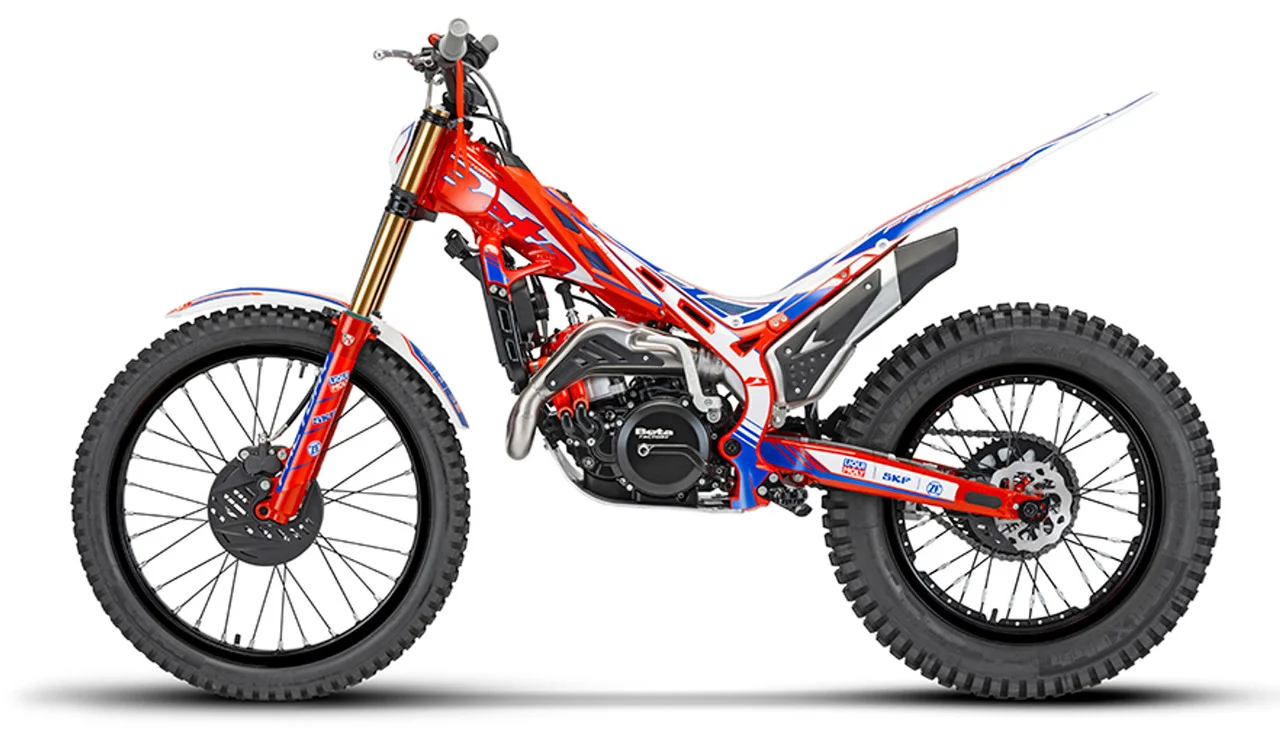
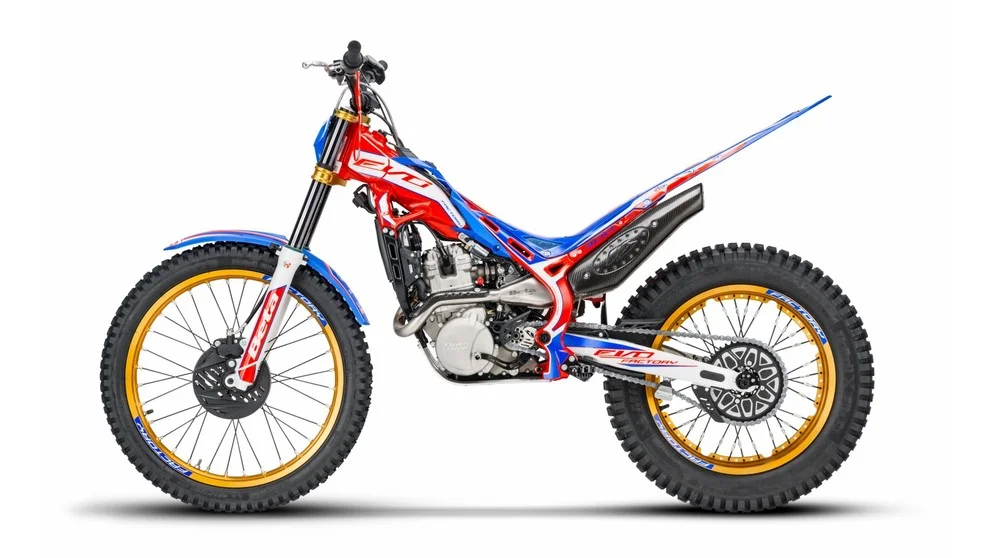
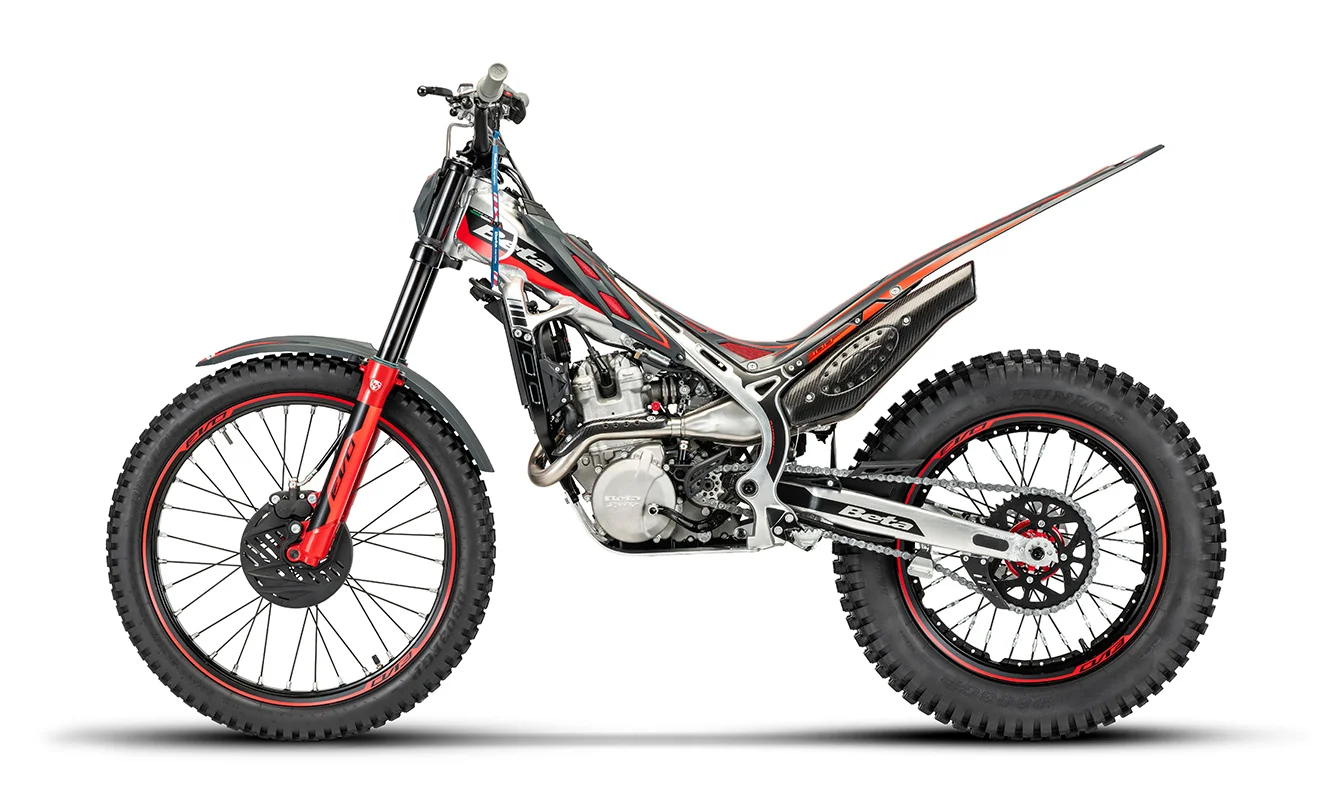
The first significant model that solidified Beta's reputation was the Beta Trial motorcycle. Early models were powered by Minarelli engines, but Beta quickly started developing their own expertise. The emphasis on lightweight construction and responsive handling set Beta apart in the burgeoning trials scene.
Here are a few key milestones in Beta's history:
- 1970s: Beta establishes itself as a dominant force in the trials motorcycle market, securing numerous championships and building a strong reputation for quality and performance.
- 1980s-90s: Expansion into enduro and off-road motorcycles, broadening the Beta product range to cater to a wider audience.
- 2000s: Continued development of in-house engines and chassis, solidifying Beta's position as an independent manufacturer with a strong focus on innovation.
- 2010s-Present: Global expansion and increased focus on customer support and community engagement, with a growing presence in international racing and recreational riding.
Beta Philosophy and Engineering
Beta's manufacturing philosophy centers around producing high-quality, specialized motorcycles designed for specific riding disciplines. They prioritize performance, reliability, and rider feel over mass-market appeal. This approach allows them to focus on the details that matter most to experienced riders.
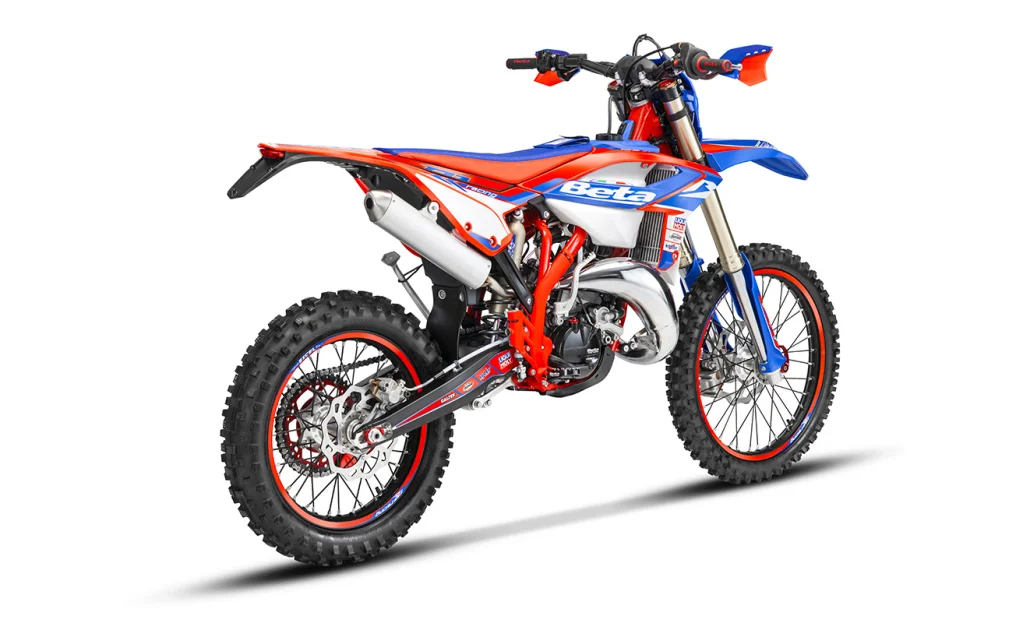
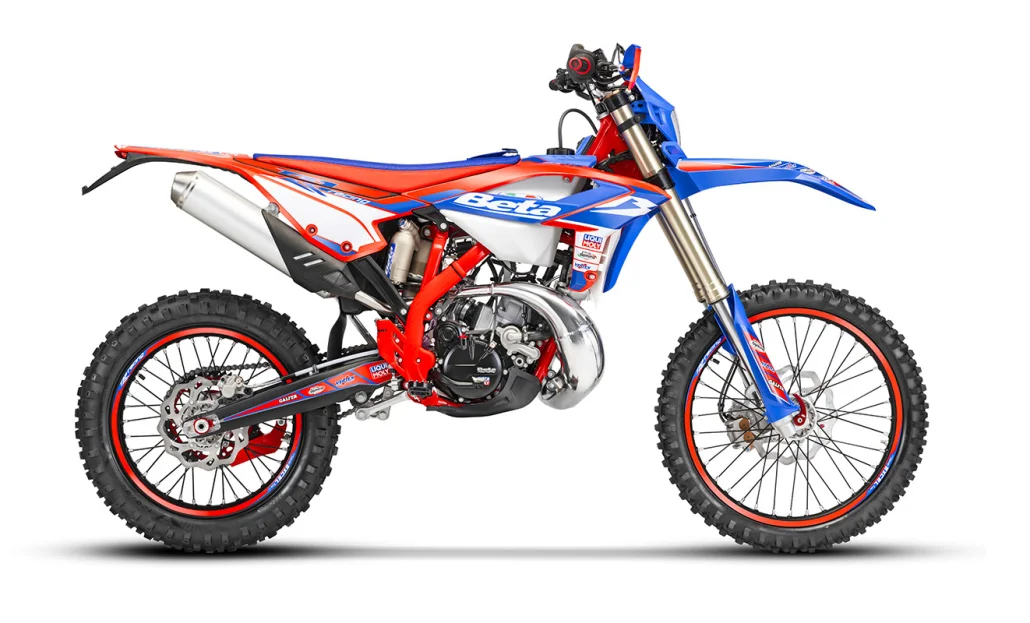
Beta's engineering approach emphasizes lightweight construction, responsive engines, and precise handling. Their engines, particularly in their two-stroke enduro models, are known for their strong low-end torque and linear power delivery. The chassis are designed for agility and stability, allowing riders to confidently tackle challenging terrain. While not always packed with the latest electronic gadgetry, Beta focuses on proven technology that enhances the riding experience without adding unnecessary complexity. They offer fuel injection on some models, such as the RR Racing 300, but generally avoid electronic rider aids found on brands like KTM or Husqvarna.
Here are a couple of specific differentiators:
- Emphasis on Trials Heritage: Beta's extensive experience in trials motorcycle development informs the design and handling characteristics of their other models, resulting in bikes that are exceptionally nimble and responsive.
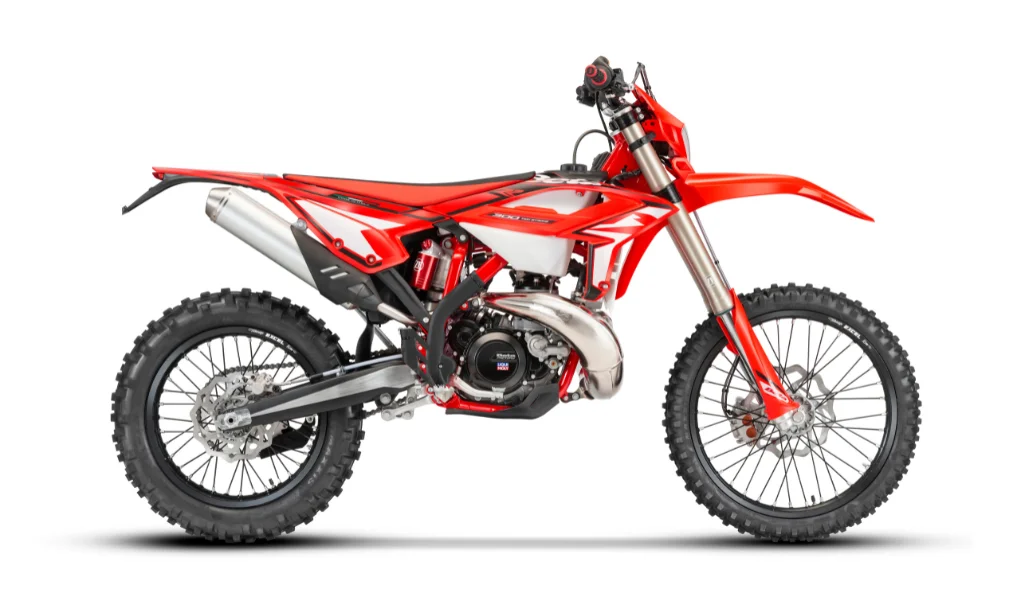
- In-House Engine Development: Unlike some smaller manufacturers that rely on outsourced engines, Beta designs and manufactures its own engines, giving them greater control over performance characteristics and quality control. For example, the RR 2T 300 features a Beta-designed and built 299.3cc two-stroke engine known for its broad powerband.
Beta Global Presence
Beta has a strong global presence, with major markets in Europe, North America, and Australia. Their dealer network is expanding, providing sales, service, and support to riders around the world. They have seen significant growth in the US market in recent years, particularly with their enduro range.
Beta boasts a significant racing heritage, particularly in trials and enduro. They have achieved numerous victories in world championships and national series, showcasing the performance and reliability of their motorcycles. This racing involvement informs their product development, ensuring that their bikes are capable of handling the demands of competitive riding.
Beta has a subsidiary in the United States, Beta USA, which handles distribution, marketing, and customer support for the North American market. They also partner with various distributors and dealers around the world to ensure that their products are accessible to riders in different regions.
Iconic Beta Models
Here are a few of the most important models in Beta's history:
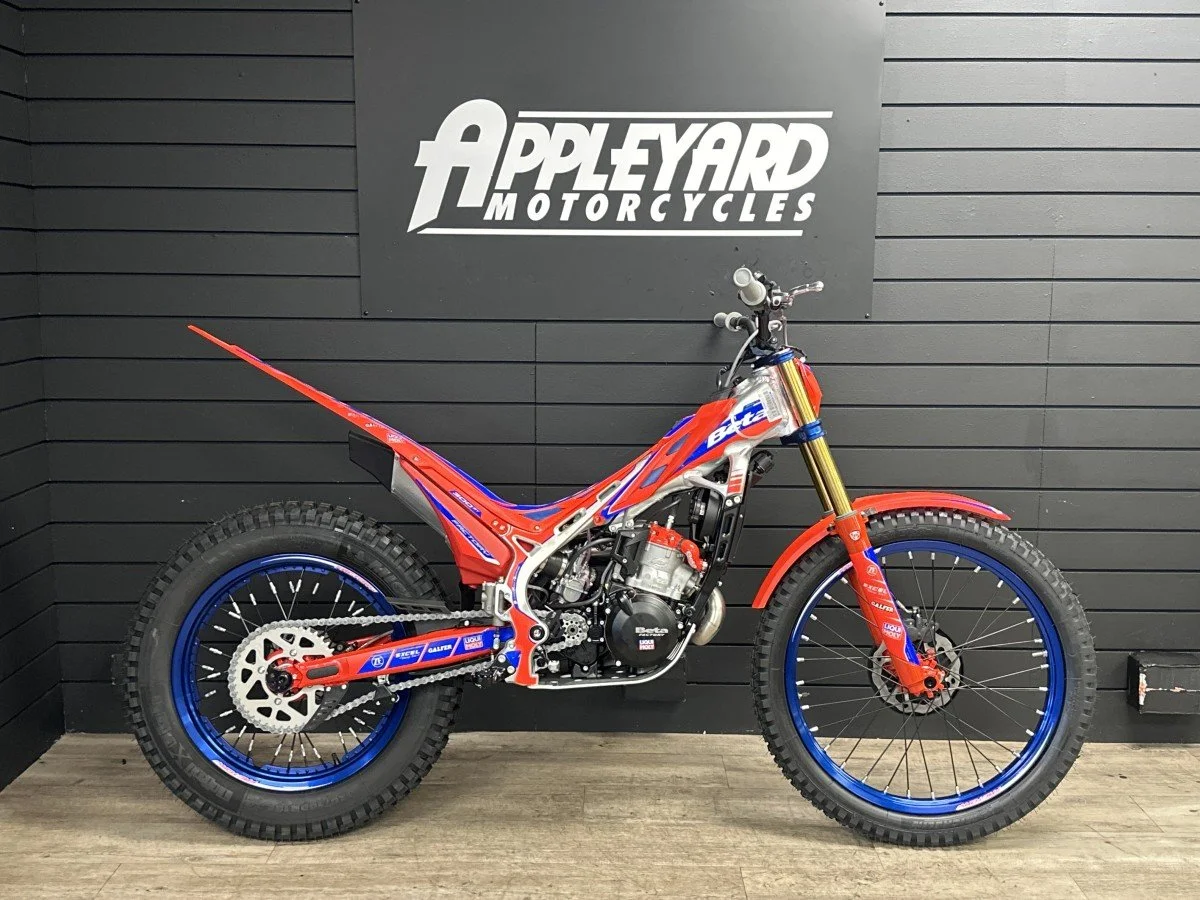
- Beta Trial Models (various): These models established Beta's reputation for excellence in trials riding. Their lightweight construction, responsive engines, and precise handling made them a favorite among competitive riders.
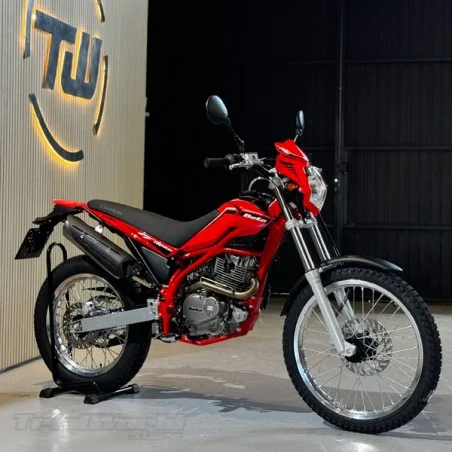
- Alp 200: A versatile dual-sport motorcycle known for its lightweight design and ease of use. The Alp 200 is a popular choice for riders looking for a capable and approachable bike for trail riding and light off-road adventures.
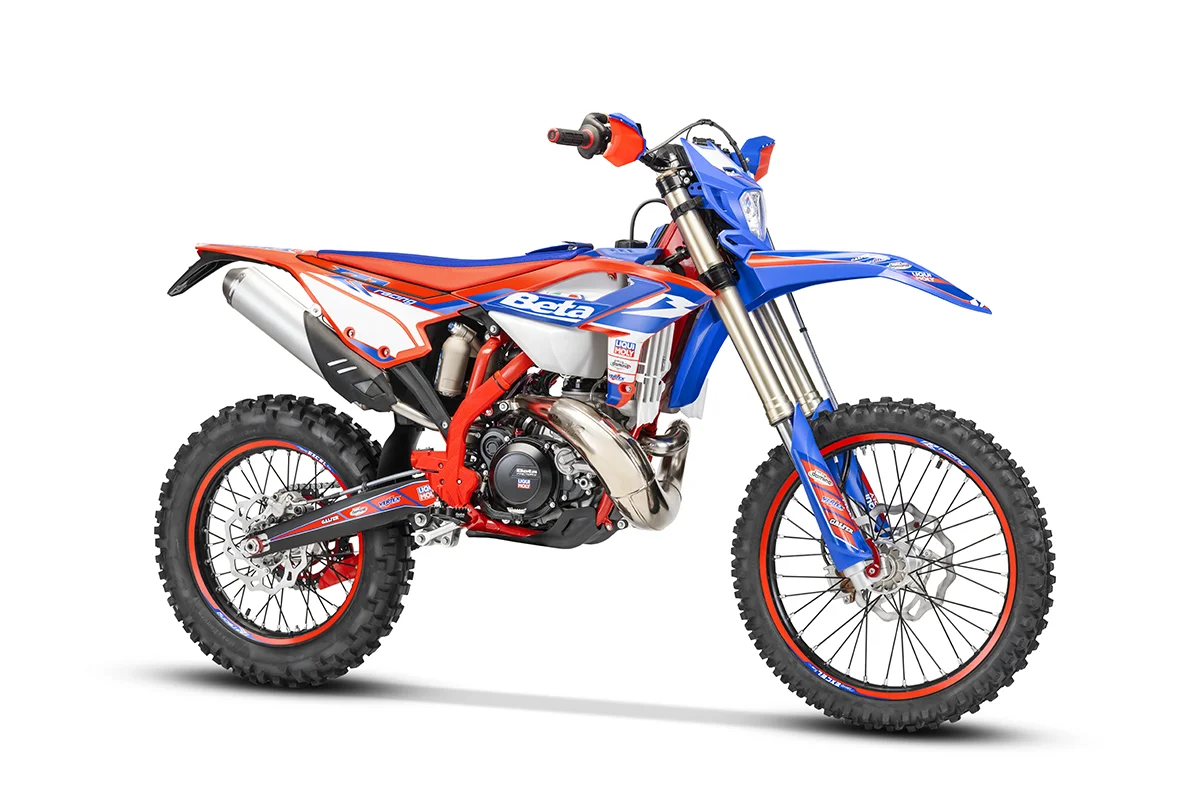
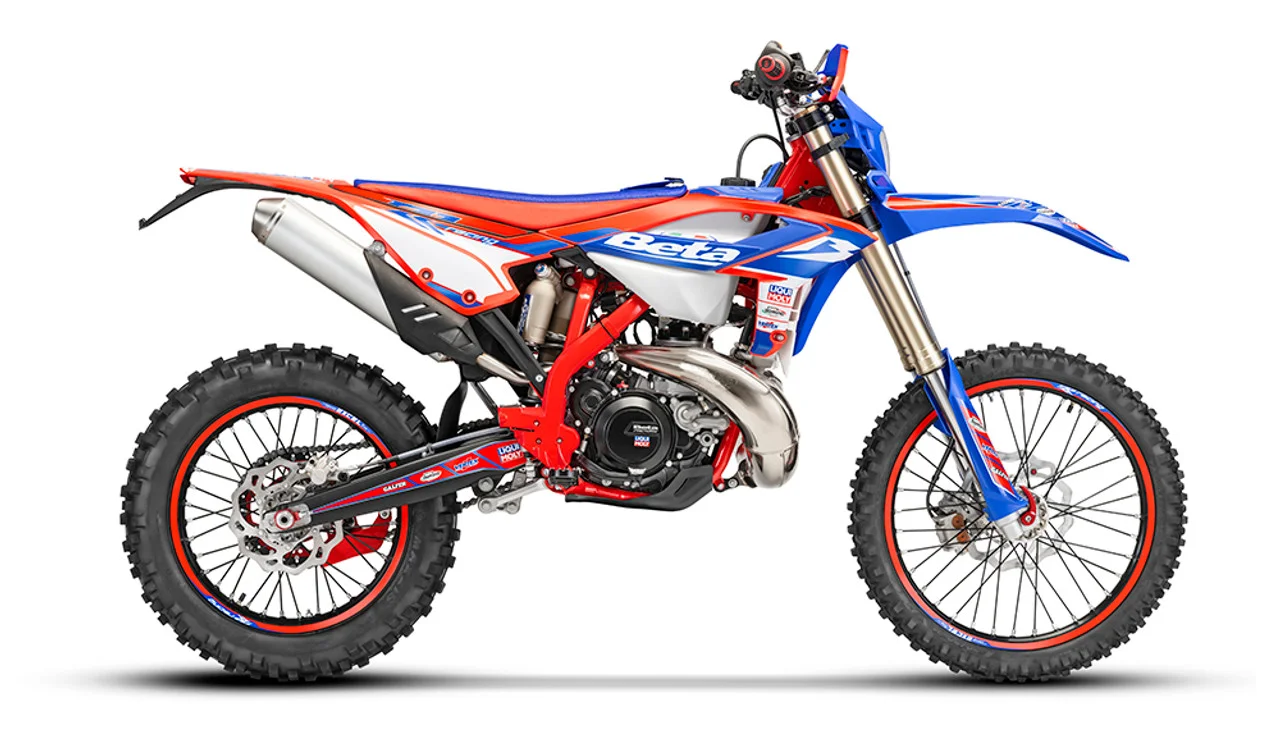
- RR 2T 300: A popular two-stroke enduro motorcycle with a reputation for strong power and agile handling. The RR 2T 300, producing around 45 hp, is a favorite among experienced enduro riders who demand a capable and reliable machine.
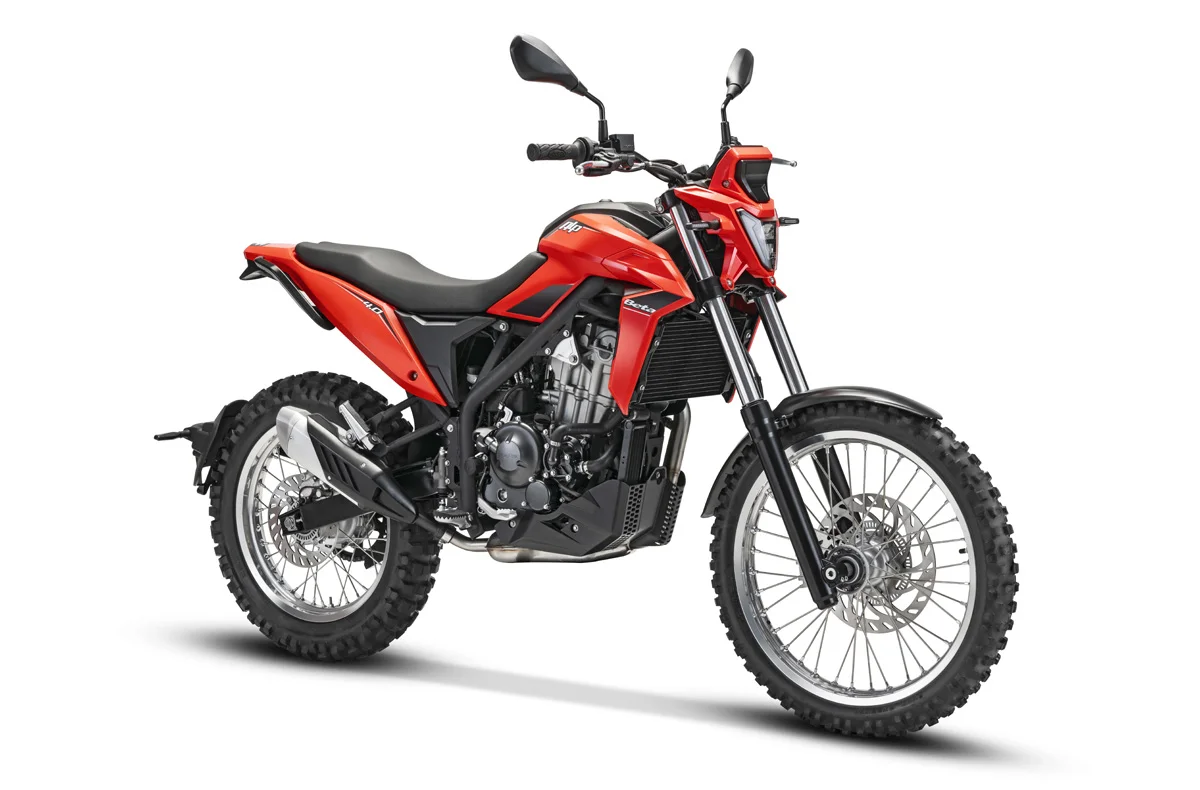
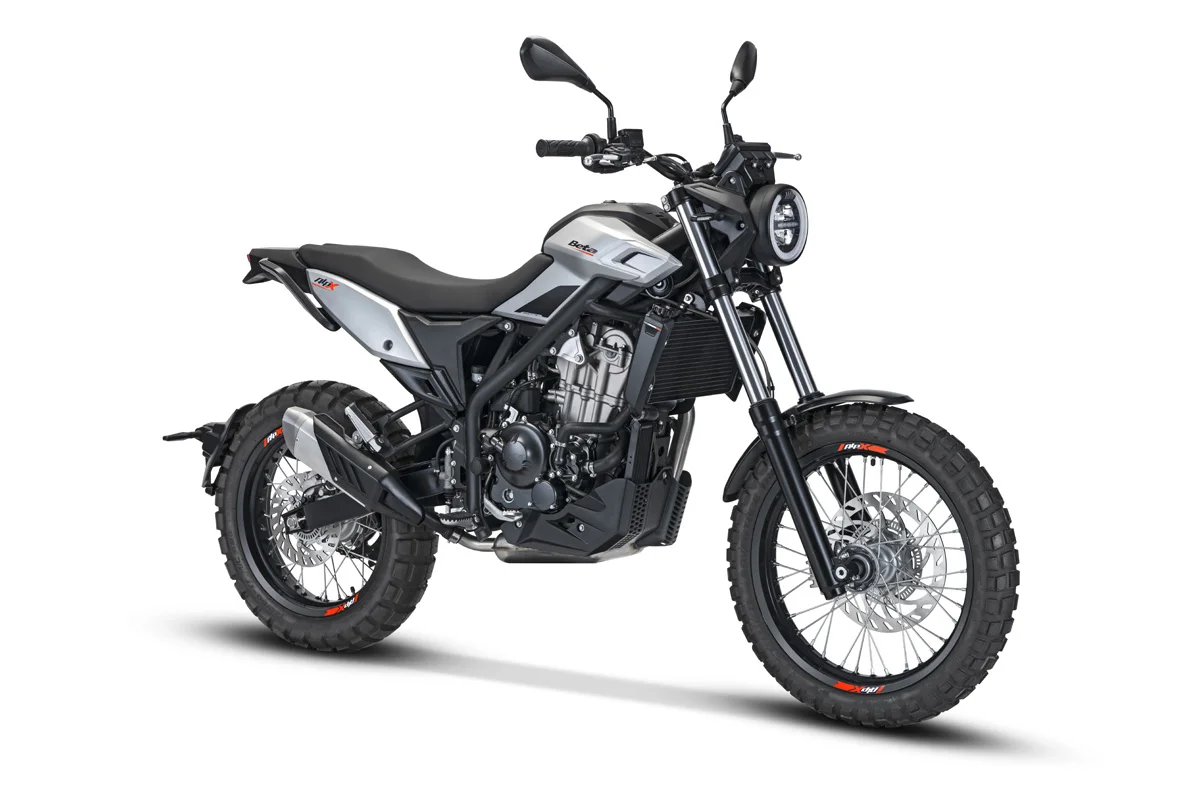
- Alp 4.0: Building upon the Alp legacy, the 4.0 model caters to riders seeking a blend of trail capability and road legality. Its user-friendly engine and comfortable ergonomics make it suitable for both commuting and exploring off the beaten path.
Buying Advice for Beta
Beta motorcycles are ideally suited for riders who prioritize performance, handling, and a connection to the machine. They appeal to experienced riders who appreciate a focused and purposeful design. While not always the flashiest or most technologically advanced bikes on the market, Beta motorcycles offer a rewarding and engaging riding experience.
Here's a breakdown of Beta models by budget tier:
- Entry-Level: The Alp 200 and Alp 4.0 offer accessible entry points into the Beta brand. These models are relatively affordable and easy to maintain, making them a good choice for beginners or riders on a budget. Expect to find used models in good condition for around $4,000-$6,000.
- Mid-Range: The RR Enduro range, including the RR 2T 300 and RR 4T 350, represents the heart of Beta's lineup. These models offer a compelling combination of performance, features, and value. New models typically range from $9,000 to $11,000.
- Premium: The RR Racing models, such as the RR Racing 300, feature upgraded components and performance enhancements. These models are designed for serious riders who demand the best possible performance. These models will typically be $10,000+.
Maintenance and long-term ownership of a Beta motorcycle are generally straightforward. Beta motorcycles are known for their reliability, but regular maintenance is essential to keep them running smoothly. Access to parts and service is generally good, particularly in areas with a strong Beta dealer network. Two-stroke models will require more frequent maintenance than four-stroke models, particularly when it comes to piston and ring replacements. Like any performance-oriented machine, following the manufacturer's recommended service intervals and using quality fluids and parts is crucial for ensuring long-term reliability and enjoyment.
📌 This content is AI-assisted with editorial review.