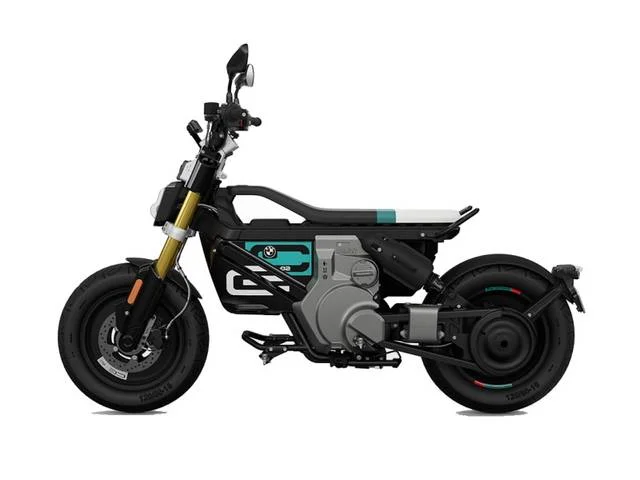
BMW Brand History
BMW, short for Bayerische Motoren Werke (Bavarian Motor Works), traces its roots back to 1916, though its motorcycle production didn't begin until 1923. The company emerged from Rapp Motorenwerke, an aircraft engine manufacturer. The primary founders were Karl Rapp and Gustav Otto, and its country of origin is, of course, Germany.
The R 32, introduced in 1923, is widely considered BMW's first significant motorcycle. What made it important was its horizontally opposed twin-cylinder "boxer" engine, a configuration that became synonymous with the brand. The R 32 also established BMW's commitment to shaft drive, another enduring characteristic. It was a clean, reliable design that immediately set BMW apart from many of its competitors, who primarily used chain drive.
Here are a few key milestones in BMW's motorcycle history:
- 1937: Ernst Henne sets a land speed record of 279.503 km/h (173.67 mph) on a supercharged BMW, showcasing the brand's engineering prowess and pushing technological boundaries.
- 1980: The introduction of the R 80 G/S, a groundbreaking adventure bike that effectively created the adventure touring category. This model proved the off-road capability of a large-displacement motorcycle.
- 1988: The launch of the K1, a technologically advanced motorcycle featuring electronic fuel injection, four-valve cylinder heads, and a distinctive aerodynamic fairing. This signaled BMW's willingness to embrace innovation and challenge conventional motorcycle design.
- 2009: The arrival of the S 1000 RR, BMW's first serious foray into the superbike market. Its high-revving inline-four engine and advanced electronics instantly made it a contender against established rivals like the Honda CBR1000RR.
BMW Philosophy and Engineering
BMW's manufacturing philosophy emphasizes quality, innovation, and rider experience. The focus is on creating machines that are not just functional but also enjoyable to ride and own. There's a strong emphasis on engineering excellence and the integration of advanced technologies.
BMW's engineering approach is characterized by a few key elements. The use of the boxer engine, particularly in the GS range, is a defining feature. These engines offer a low center of gravity and a distinctive riding experience. Furthermore, BMW consistently pushes the boundaries of chassis design, often using advanced suspension systems like Telelever and Paralever to improve handling and comfort. Finally, BMW is a leader in integrating electronic rider aids, such as ABS, traction control, and ride modes, to enhance safety and control.
Here are a couple of specific differentiators from competitors:
- Telelever Front Suspension: Unlike traditional telescopic forks, the Telelever system separates the steering and suspension functions. This reduces dive under braking and improves stability, particularly on uneven surfaces. While other manufacturers have experimented with similar systems, BMW has refined the Telelever over decades and continues to use it on many of its models.
- Shaft Drive: The use of shaft drive, especially on their touring and adventure models, reduces maintenance compared to chain-driven bikes. It provides a smooth and reliable power transfer, which is particularly important for long-distance riding. While some other manufacturers like Moto Guzzi also use shaft drive, BMW has integrated it into a wider range of models and developed it alongside other technologies like Paralever to minimize shaft effect.
BMW Global Presence
BMW has a significant global presence, with major markets in Europe, North America, and Asia. The company boasts a well-established dealer network in these regions, providing sales, service, and support to customers worldwide. They have a global reach that rivals other major motorcycle manufacturers.
BMW has a rich racing heritage, particularly in endurance racing and off-road competitions. The brand has achieved numerous victories in events like the Dakar Rally, showcasing the durability and performance of its motorcycles in challenging conditions. The S 1000 RR has also proven to be a competitive platform in various superbike championships around the world.
BMW Motorrad is a wholly-owned subsidiary of BMW AG. They also have partnerships with various suppliers and technology companies to develop and integrate new technologies into their motorcycles.
Iconic BMW Models
Here are some of the most important models in BMW's history:
- R 32 (1923): As the first BMW motorcycle, the R 32 established the brand's core design principles and laid the foundation for its future success. Its boxer engine and shaft drive became hallmarks of BMW motorcycles.
- R 80 G/S (1980): This model is credited with creating the adventure touring category. Its combination of off-road capability and long-distance comfort made it a popular choice for riders seeking adventure.
- K 100 (1983): The K 100 represented a significant departure from BMW's traditional boxer engine. Its inline-four engine and modern styling signaled a shift towards innovation and technology.
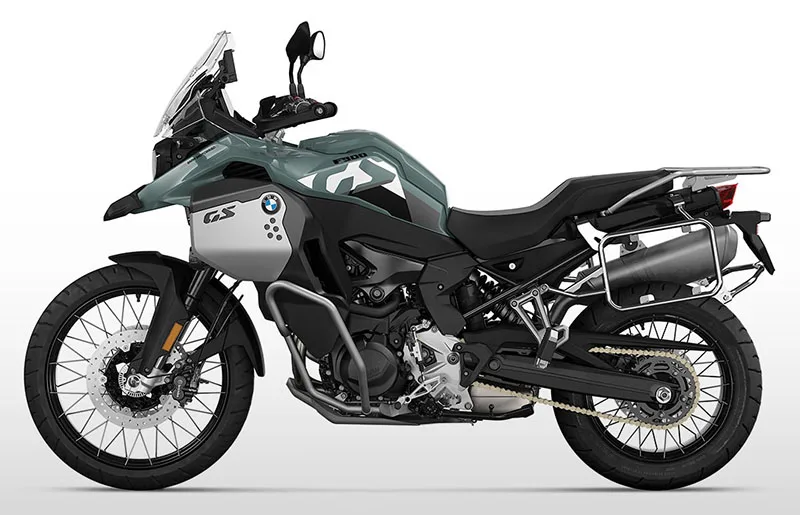
- R 1200 GS (and subsequent R 1250 GS): The GS series, especially the R 1200 GS and later the R 1250 GS, has become the best-selling motorcycle in many markets. Its versatility, comfort, and advanced technology have made it a favorite among adventure riders and tourers alike. The 1254cc engine in the R 1250 GS with its ShiftCam technology is a prime example of BMW's engineering prowess.
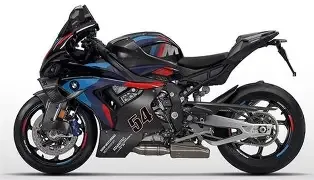
- S 1000 RR (2009): The S 1000 RR marked BMW's entry into the superbike market and quickly became a benchmark for performance. Its high-revving engine and advanced electronics challenged the dominance of established Japanese manufacturers. The initial version boasted around 193 hp.
Buying Advice for BMW
BMW motorcycles are well-suited for riders who appreciate quality, innovation, and a premium riding experience. The brand offers a wide range of models to cater to different riding styles, from adventure touring to sport riding.
Here's a breakdown of BMW motorcycles by budget tier:
- Entry-Level: The G 310 R and G 310 GS represent the entry point into the BMW motorcycle range. These models are more affordable and accessible, making them suitable for new riders or those looking for a lightweight and versatile machine. Consider these if you are new to riding or want something nimble for city commuting.
- Mid-Range: The F 750 GS, F 850 GS, and F 900 XR fall into the mid-range category. These models offer a balance of performance, features, and price. They are suitable for riders who want a versatile motorcycle for commuting, touring, and weekend rides. You get more power and features compared to the 310 series, but at a higher price point.
- Premium: The R 1250 GS, R 1250 RT, K 1600 GTL, and S 1000 RR are premium models that offer the highest levels of performance, technology, and luxury. These motorcycles are designed for experienced riders who demand the best and are willing to pay for it. Expect advanced electronics, powerful engines, and top-of-the-line components.
Maintenance and long-term ownership of a BMW motorcycle can be more expensive compared to some other brands. BMW motorcycles often require specialized tools and diagnostic equipment, which can limit your options for independent servicing. However, BMW's dealer network is generally well-equipped to handle maintenance and repairs. Regular servicing and proper care are essential to ensure the longevity and reliability of your BMW motorcycle. Consider purchasing an extended warranty to protect yourself from unexpected repair costs. Parts availability is generally good, though some parts may be more expensive than those for Japanese motorcycles. However, the build quality and engineering often mean less frequent issues when compared to some of its competition.
📌 This content is AI-assisted with editorial review.