✦ Published
BMW S 1000 XR
2025

2025
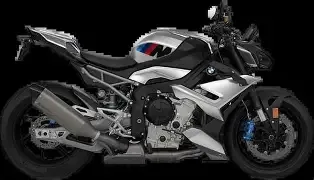
The anticipation is palpable. The BMWS 1000 XR, in its 2025 iteration, is poised to redefine the sport-adventure touring segment. While concrete specifications remain shrouded in secrecy, the whispers and expectations surrounding this machine are deafening. We, along with the rest of the motorcycling world, eagerly await the chance to put the new XR through its paces and bring you a comprehensive review.
The current S 1000 XR already sits comfortably as a top contender, battling it out with rivals like the Ducati Multistrada V4 and KTM 1290 Super Duke GT. These are bikes that blend superbike DNA with long-distance comfort and practicality. The 2025 BMWS 1000 XR is expected to push the boundaries even further, potentially incorporating advancements in electronics, chassis design, and engine technology gleaned from BMW's racing programs. Expect a refined package aimed at riders who demand both adrenaline-pumping performance and all-day riding capability.
Power is the name of the game in this segment. The existing S 1000 XR boasts a formidable inline-four engine, and we anticipate the 2025 model will see further refinements. While we can only speculate, expect improvements in power delivery, potentially with a broader torque curve for even more effortless overtaking and highway cruising. Enhanced rider modes and traction control systems are almost guaranteed, allowing riders to tailor the bike's performance to suit various road conditions and riding styles. The responsiveness of the throttle and the smoothness of the gearbox will be key factors in our upcoming review.
A sport-adventure tourer lives and dies by its comfort. The current XR strikes a good balance, but the 2025 model has the opportunity to raise the bar. We'll be looking for improvements in seat comfort, wind protection, and suspension compliance. Ideally, the new XR will offer a plush ride on long highway stretches while still providing the necessary feedback and control for spirited riding on twisty roads. Seat height and overall weight distribution will also be critical considerations for rider accessibility and confidence. Compared to the more aggressive ergonomics of the Super Duke GT, the XR aims for a slightly more upright and relaxed riding posture.
BMW Motorrad has a reputation for exceptional build quality, and we expect nothing less from the 2025 BMWS 1000 XR. Premium materials, a meticulous fit and finish, and attention to detail are hallmarks of the brand. Aesthetically, we anticipate an evolution of the current XR's sharp, angular design, potentially incorporating styling cues from other recent BMW models. The integration of technology, such as the instrument cluster and lighting, will be crucial to creating a modern and sophisticated look. We’ll be closely examining the quality of the paint, the robustness of the switchgear, and the overall impression of luxury and durability in our upcoming review.
The BMWS 1000 XR, based on its predecessors, is aimed at riders who want a motorcycle that can do it all. It’s for those who crave the exhilaration of a sportbike but also need the comfort and practicality for long-distance touring. The 2025 model, if it lives up to expectations, will further solidify its position as a top choice in the sport-adventure touring segment. If you're looking for a machine that can carve canyons on the weekends and then effortlessly transport you across state lines, the new XR is definitely one to watch. Stay tuned for our full review where we'll dive into the detailed specifications and real-world performance of this highly anticipated motorcycle.
✅ Why buy this bike?
* Zero emissions operation for environmentally conscious riders. * Silent running enhances the riding experience and reduces noise pollution. * Reduced maintenance requirements compared to internal combustion engines (no oil changes, spark plugs, etc.). * Instant torque delivery provides exhilarating acceleration. * Potentially lower running costs due to cheaper electricity versus gasoline.⚠️ Things to consider
* Limited range compared to gasoline-powered motorcycles, potentially causing range anxiety. * Longer refueling times (charging) compared to filling a gas tank. * Higher initial purchase price compared to equivalent gasoline-powered models. * Lack of readily available charging infrastructure, especially in rural areas.
No comments yet. Be the first to write one!