1942
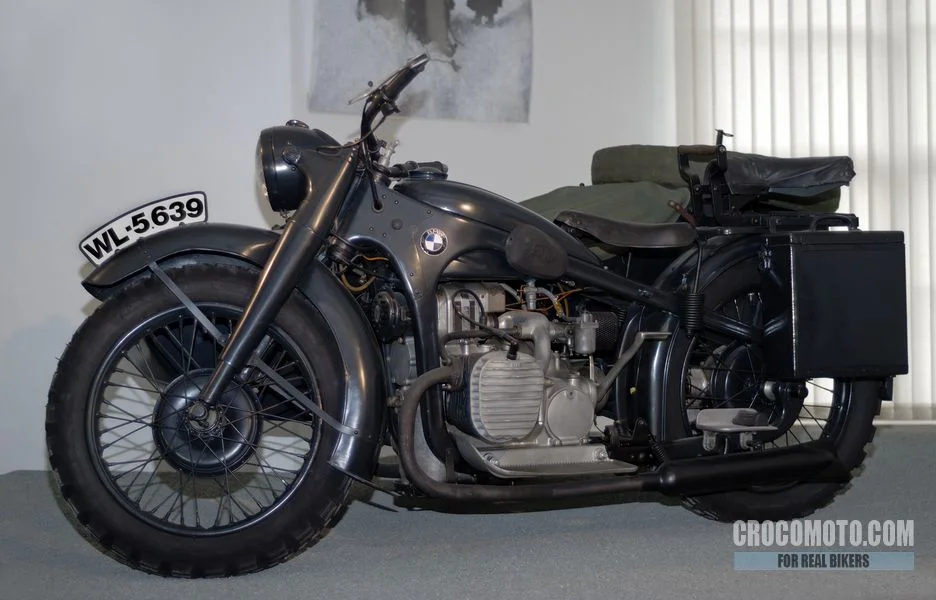
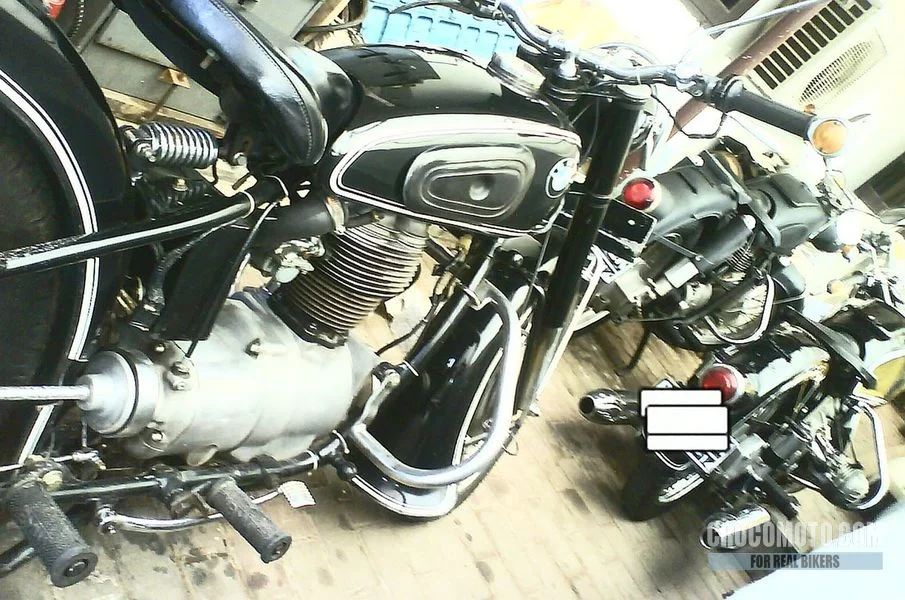
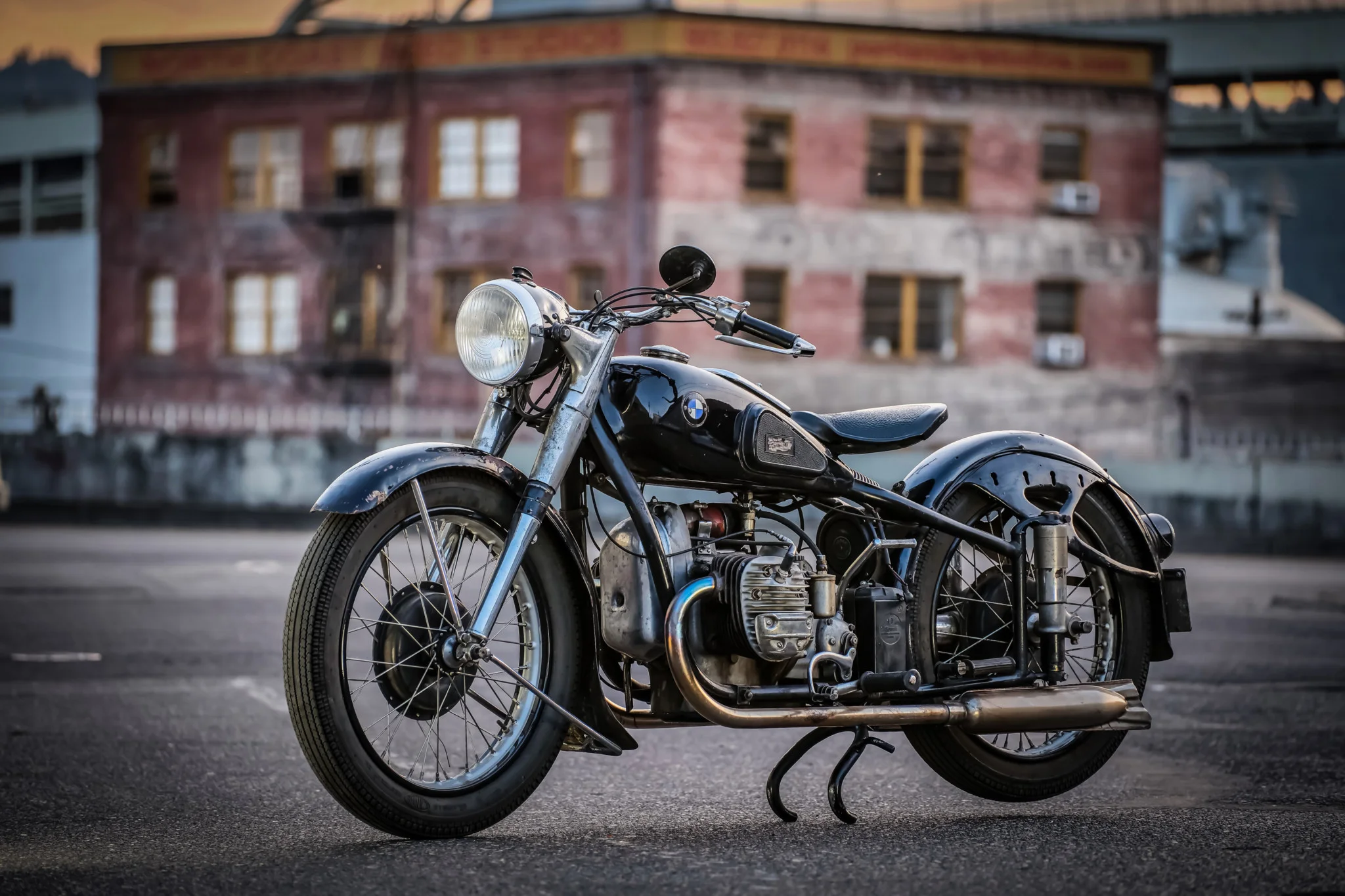
The 1942 BMW R12 Twin Carb stands as a significant machine in the annals of motorcycling, a product of a challenging era that nonetheless saw continuous development from the Bavarian marque. As a direct descendant of earlier R12 models, this iteration refined the robust design that had already proven its worth. In its time, it faced competition from formidable rivals like the Zündapp KS 750 and the Harley-Davidson WLA, each vying for dominance in a segment demanding durability and reliable performance under diverse conditions.
Powering the R12 Twin Carb was a 745.0 ccm (45.46 cubic inches) two-cylinder boxer, four-stroke engine. This flat-twin configuration, a BMW hallmark, produced 20.0 HP (14.6 kW) at 4000 RPM. This output propelled the 185.0 kg (407.9 pounds) motorcycle to a top speed of 120.0 km/h (74.6 mph), a respectable figure for the period. Fuel was held in a 14.00-litre (3.70 US gallons) tank, offering a practical range for its intended use. The twin carburettor setup, as its name suggests, was a key feature, aiding in more efficient fuel delivery compared to earlier single-carb models.
Riding characteristics of the R12 were defined by its sturdy construction and the inherent balance of the boxer engine. The low center of gravity contributed to stable handling, while the plunger rear suspension and telescopic front forks, a then-innovative feature for BMW, absorbed road imperfections reasonably well. The upright riding position, typical of utility motorcycles of the era, offered decent comfort for longer journeys, though it lacked the plushness of dedicated touring machines. Its robust frame and ample ground clearance hinted at its capability beyond paved roads.
The 1942 BMW R12 Twin Carb was primarily aimed at military and police forces, as well as civilian riders who valued reliability and a straightforward, dependable ride over outright speed or luxury. Its build quality and accessible maintenance made it a workhorse rather than a showpiece. For collectors and enthusiasts today, it represents a pivotal moment in BMW's engineering lineage, embodying the practical and resilient spirit of mid-century motorcycling.
✅ Why buy this bike?
• Shaft drive offered unparalleled reliability and low maintenance compared to chain drives of the era. • Horizontally opposed twin cylinder engine provided excellent balance, reducing vibration for rider comfort. • Robust construction and high-quality materials ensured exceptional durability and longevity, even in harsh conditions. • Low center of gravity from the flat twin engine improved handling stability and maneuverability. • Efficient cooling of cylinders due to their exposed position in the air stream, preventing overheating. • Proven military design meant excellent parts availability and repair knowledge in post-war period.⚠️ Things to consider
• Limited top speed and acceleration due to its heavy construction and lower horsepower output. • Poor braking performance from drum brakes, especially when compared to later hydraulic systems. • High initial purchase cost, making it less accessible to the average post-war consumer. • Complex carburetor synchronization required for optimal running, often needing specialized tools. • Outdated suspension technology offered a harsh and less comfortable ride on uneven surfaces.The BMW 12 Twin carb produces 20 HP, fitting A2 license limits (max 35 kW / 47 HP). For riders 18+.
Estimated average for 745cc class: 35-50 mpg (5.0-7.0 L/100km)
⛽ Tank: 14.00 litres (3.70 US gallons)
Insurance grouping for BMW 12 Twin carb (745cc):
Personalised premium estimate for the BMW 12 Twin carb (UK rates):
💡 Estimate based on UK market averages. For real quotes, compare on Compare the Market, MoneySuperMarket, GoCompare.
Find new and used BMW 12 Twin carb 1942 listings:
💡 Third-party listings. MotoBike Info is informational only.
No comments yet. Be the first to write one!