✦ publish
BMW R 23
1940

1940
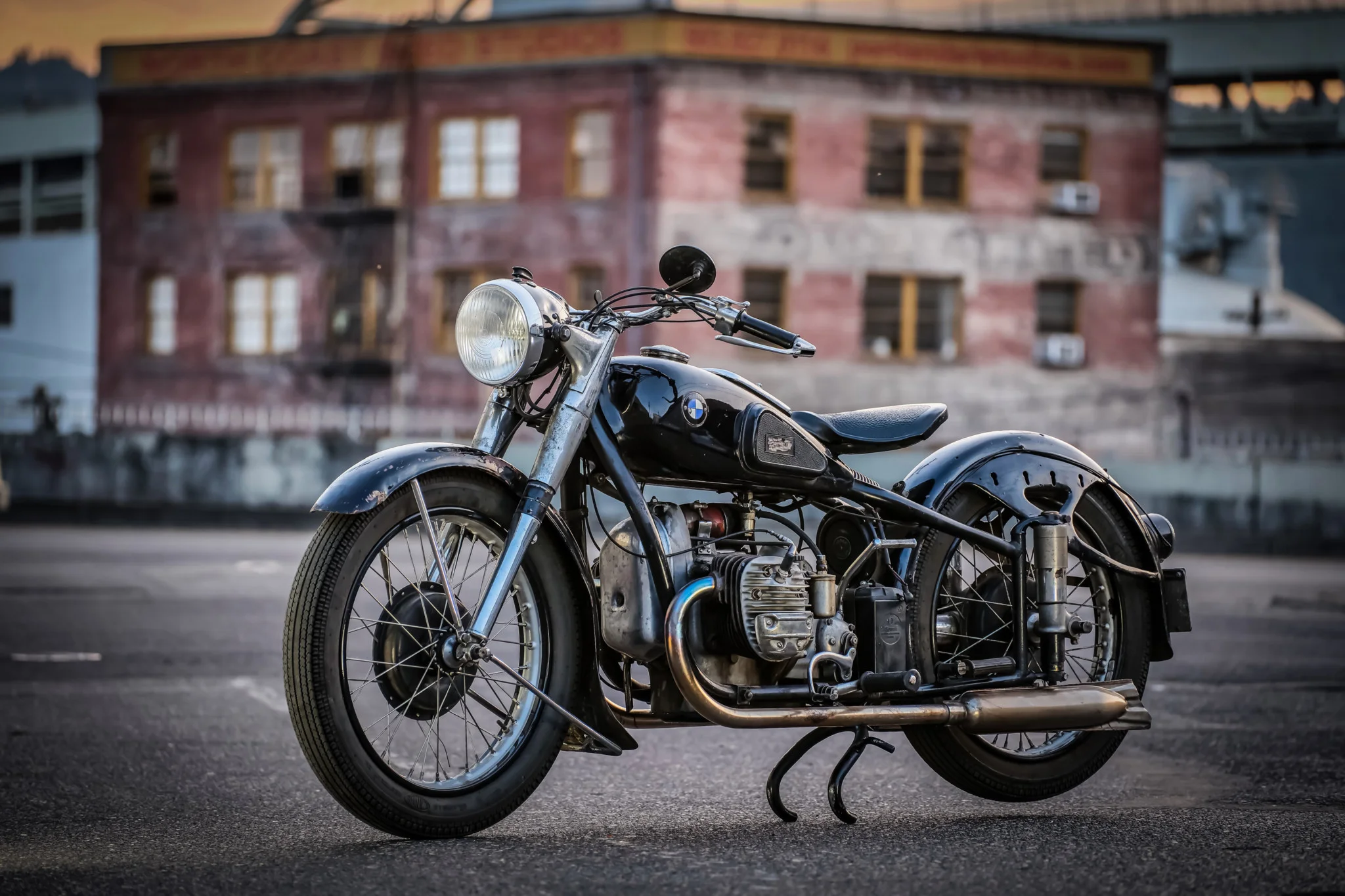
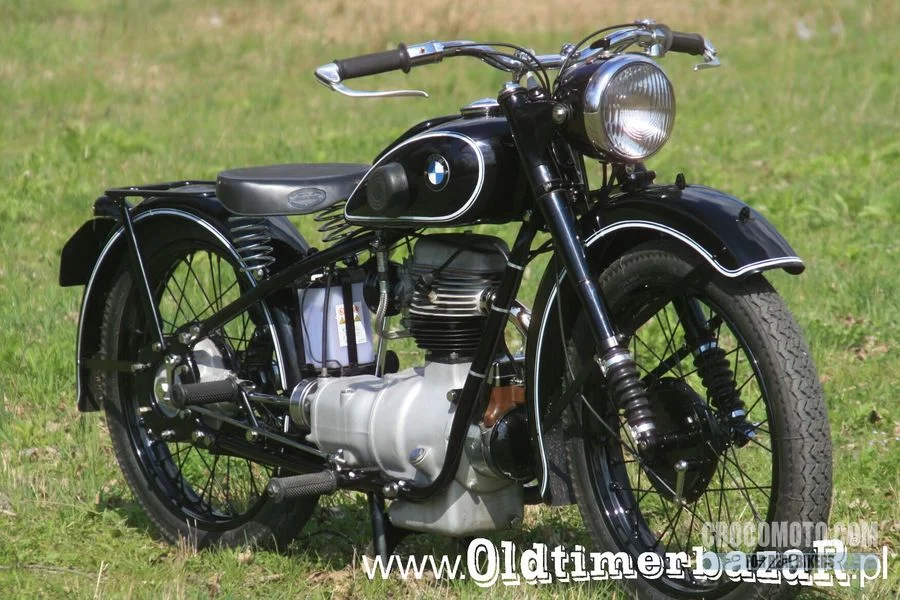
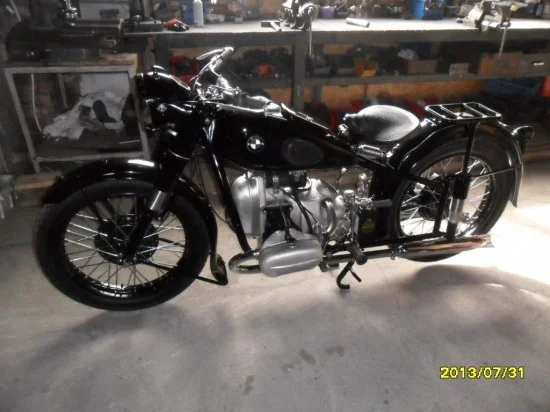
The 1940 BMW R 23 represents a significant entry into the pre-war German motorcycle market, succeeding the popular R 20 and serving as BMW's primary single-cylinder offering during a tumultuous period. This 250cc class machine faced direct competition from other European manufacturers, notably models like the DKW RT 125, which, while smaller in displacement, offered an economical alternative, and the Triumph 2H, providing a similar displacement but with a different design philosophy. The R 23 was designed to be an accessible yet quality motorcycle, maintaining BMW's reputation for engineering even in its entry-level models.
At the heart of the R 23 was its 247.0 ccm (15.07 cubic inches) single-cylinder engine. This powerplant generated a respectable 10.1 HP (7.3 kW) at 5400 RPM, providing sufficient thrust for its time. With this output, the R 23 could achieve a top speed of 95.0 km/h (59.0 mph), making it capable of reasonable touring and daily commuting speeds. Fuel capacity stood at 9.60 litres (2.54 US gallons), offering a decent range for the era's infrastructure. Its shaft drive, a BMW hallmark, differentiated it from many chain-driven competitors, promising durability and less maintenance.
Riding characteristics of the R 23 were typical for a light motorcycle of its vintage. Its upright riding position offered comfortable ergonomics for varied journey lengths. The chassis, while not designed for aggressive cornering, provided stable handling, suitable for the unpaved and varied road conditions often encountered. Suspension, likely a rigid rear with a telescopic front fork, offered basic damping. Comfort was prioritized through a well-padded seat and a manageable weight, making it less fatiguing for the rider over extended periods. The simple instrumentation and accessible controls contributed to an uncomplicated riding experience.
The 1940 BMW R 23 was aimed at individuals seeking reliable and economical personal transportation with a touch of BMW prestige. It appealed to commuters, professionals, and those looking for a capable light touring machine. Its robust construction and ease of maintenance would have been key selling points during a period of resource scarcity. Ultimately, the R 23 offered a dependable and well-engineered motorcycle for the discerning rider, embodying BMW's commitment to quality in a more compact and affordable package.
✅ Why buy this bike?
• Simple, robust single-cylinder engine made for easy maintenance and reliable operation in its era. • BMW's build quality ensured durability and longevity, a significant advantage for a wartime machine. • Lightweight and nimble chassis offered good maneuverability on varying road conditions and tracks. • Excellent fuel economy for the time, crucial for personal transport during fuel rationing. • Shaft drive system required less maintenance than chain drives, a practical benefit for users.⚠️ Things to consider
• Limited power output from 247cc engine meant slow acceleration and low top speed. • Basic suspension (rigid rear, telescopic front) offered a harsh ride on anything but smooth roads. • Drum brakes provided adequate but not strong stopping power, especially in wet conditions. • Lack of modern amenities like electric start or sophisticated lighting made it less convenient. • Parts availability became increasingly difficult after the war, challenging long-term ownership.The BMW R 23 produces 10 HP, fitting A2 license limits (max 35 kW / 47 HP). For riders 18+.
Estimated average for 247cc class: 55-80 mpg (3.0-4.5 L/100km)
⛽ Tank: 9.60 litres (2.54 US gallons)
Insurance grouping for BMW R 23 (247cc):
Personalised premium estimate for the BMW R 23 (UK rates):
💡 Estimate based on UK market averages. For real quotes, compare on Compare the Market, MoneySuperMarket, GoCompare.
Find new and used BMW R 23 1940 listings:
💡 Third-party listings. MotoBike Info is informational only.
No comments yet. Be the first to write one!