✦ Published
BSA Plunger
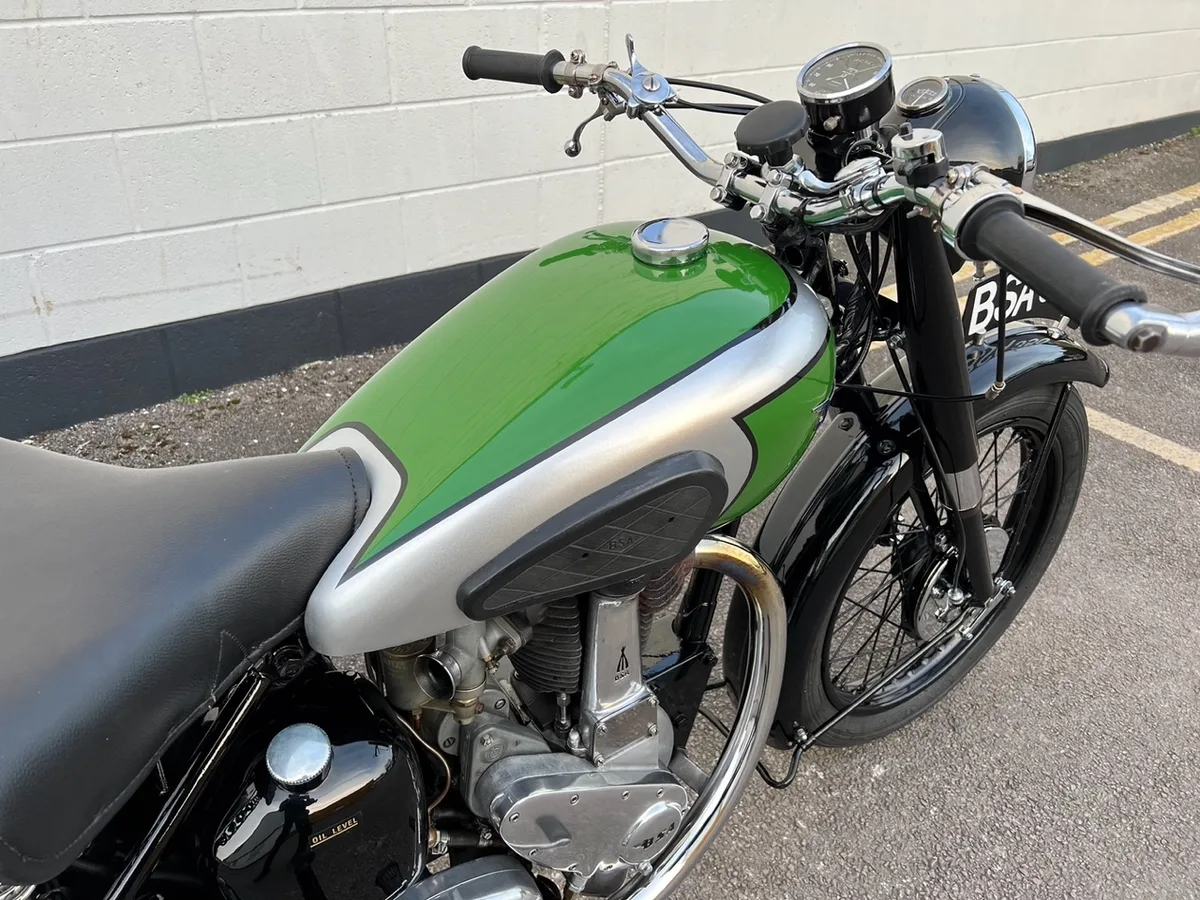
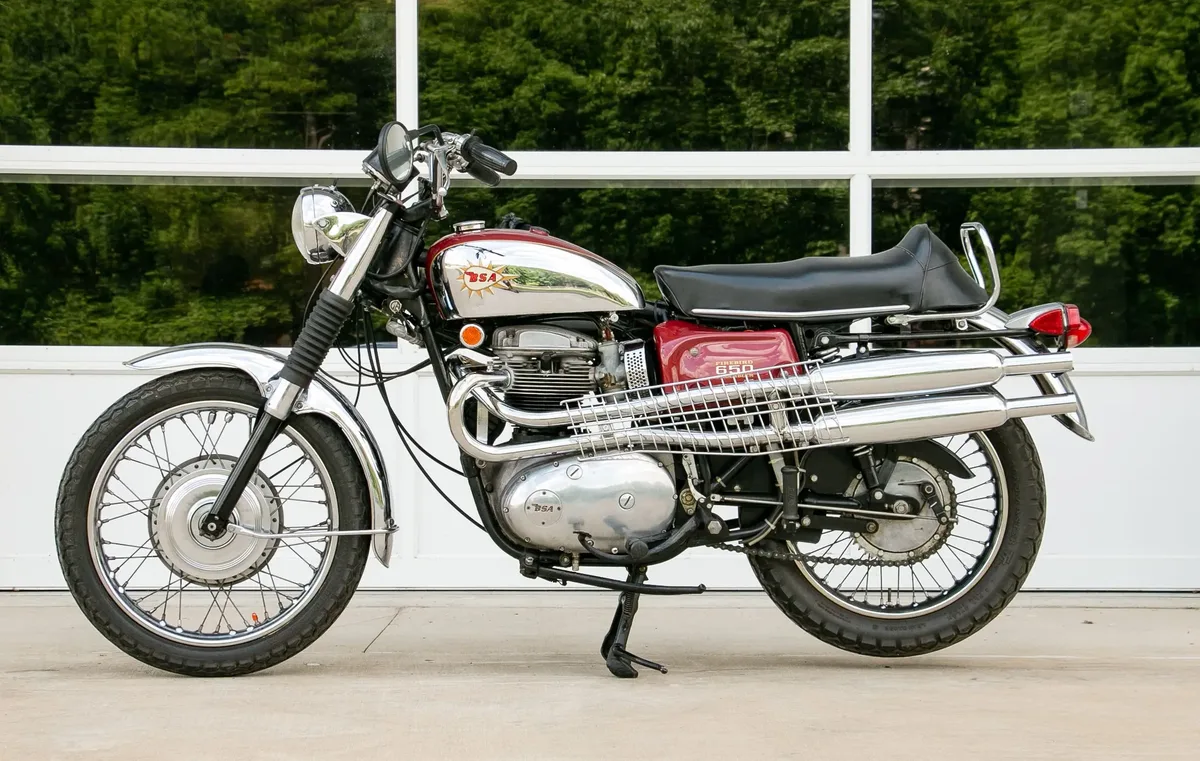
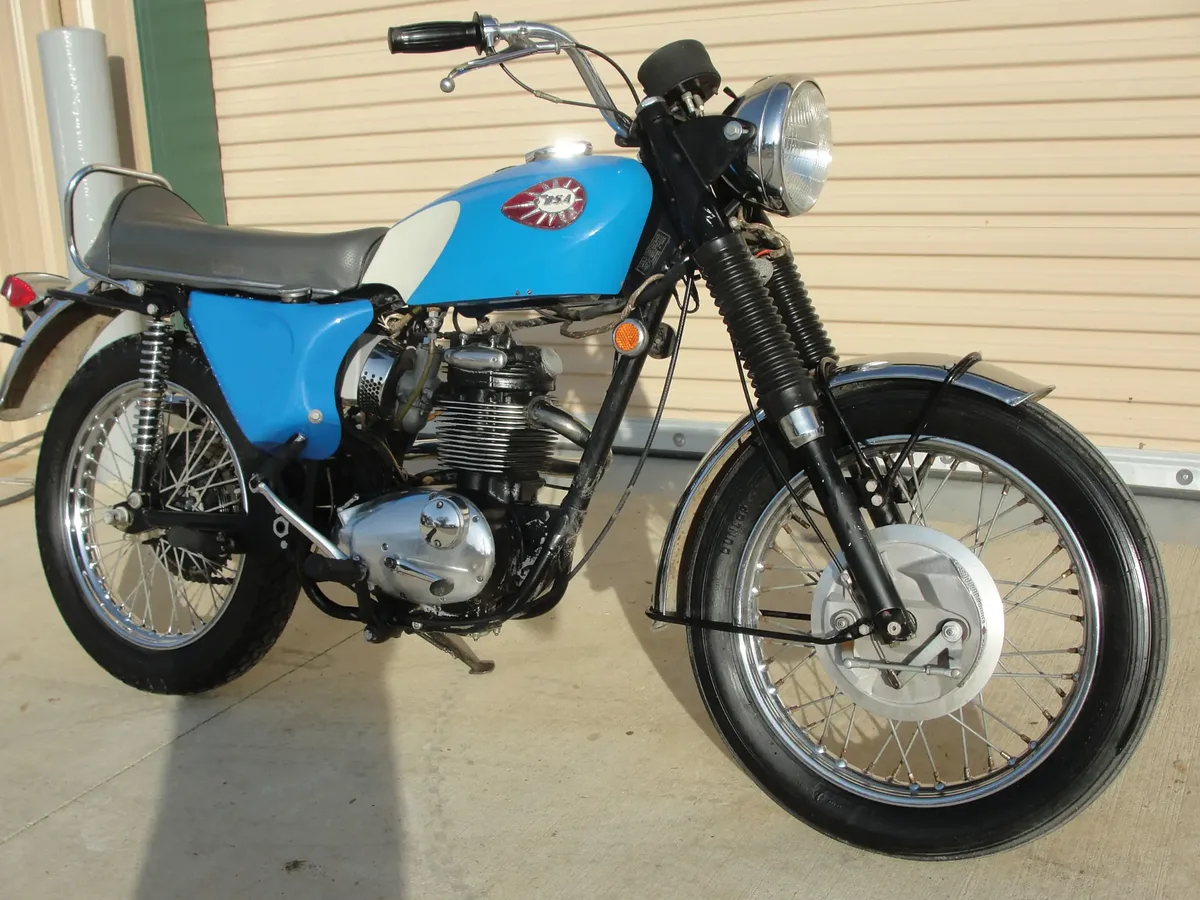
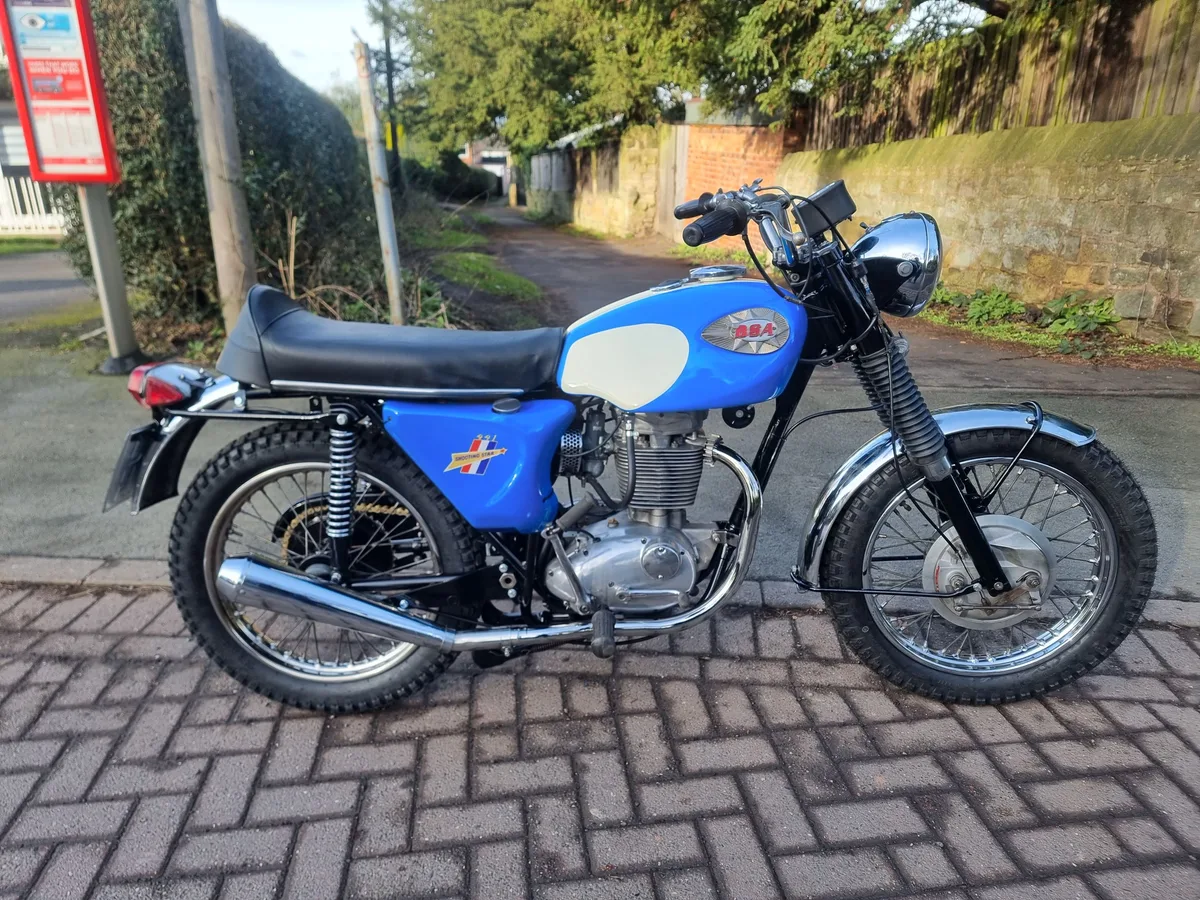
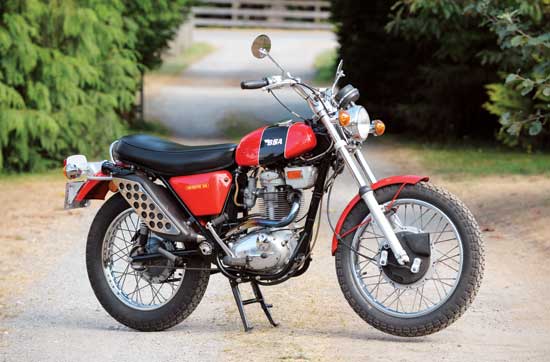
The BSA Plunger, a significant model in the British motorcycle landscape, emerged in the post-war era as a testament to BSA's engineering prowess. While specific production years varied by model within the Plunger lineage (e.g., B31, B33, M20), it generally refers to BSA motorcycles equipped with plunger rear suspension, a notable improvement over earlier rigid frames. This design offered a more comfortable ride and better handling for the everyday rider. In its time, the BSA Plunger competed directly with other popular British singles like the AJS 16M and the Matchless G3L, providing a robust and reliable option for transportation and pleasure riding.
At the heart of many BSA Plunger models, particularly the popular B31, was a 350.0 ccm (21.36 cubic inches) single-cylinder, four-stroke engine. This powerplant produced a respectable 23.0 HP (16.8 kW), allowing the motorcycle to achieve a top speed of 128.8 km/h (80.0 mph). Weighing in at 154.2 kg (340.0 pounds), the Plunger offered a good power-to-weight ratio for its class. Its fuel tank held 19.00 litres (5.02 US gallons), providing a decent range for extended journeys without frequent stops. These specifications made the Plunger a capable and efficient machine for its intended purpose.
Riding the BSA Plunger offered a distinct experience, characteristic of British singles from the period. The plunger rear suspension, while basic by modern standards, provided a noticeable improvement in comfort over rigid frames, absorbing road imperfections and contributing to more predictable handling. The upright riding position, typical for motorcycles of this era, ensured good visibility and comfort for longer rides, making it a practical choice for touring or daily commuting. The single-cylinder engine delivered a tractable powerband, suitable for navigating varied road conditions.
The BSA Plunger was aimed at riders seeking a dependable, no-nonsense motorcycle for everyday use, as well as those who appreciated the simple mechanics and classic aesthetics of British engineering. Its robust construction and straightforward maintenance made it appealing to owners who preferred to work on their own machines. Today, the Plunger remains a cherished classic, appreciated by enthusiasts for its historical significance and its enduring charm. It represents a foundational period in motorcycling, offering a glimpse into the evolution of two-wheeled transport.
✅ Why buy this bike?
• Classic styling and historical significance appeal to vintage motorcycle enthusiasts. • Relatively simple mechanicals make for easier owner maintenance and repairs. • Good fuel economy for its era, making it economical for short rides. • Plunger rear suspension offers a unique, period-correct ride experience. • Lightweight and nimble, excellent for urban commuting and winding backroads. • Strong community support and parts availability for restoration projects.⚠️ Things to consider
• Plunger suspension offers limited travel and can be harsh on rough roads. • Braking performance is rudimentary by modern standards, requiring careful planning. • Low power output struggles on highways and with heavy loads. • Vibrations can be significant, leading to rider fatigue on longer journeys. • Electrical system can be unreliable, often requiring upgrades for daily use.The BSA Plunger produces 23 HP, fitting A2 license limits (max 35 kW / 47 HP). For riders 18+.
Estimated average for 350cc class: 45-60 mpg (4.0-5.5 L/100km)
⛽ Tank: 19.00 litres (5.02 US gallons)
Insurance grouping for BSA Plunger (350cc):
Personalised premium estimate for the BSA Plunger (UK rates):
💡 Estimate based on UK market averages. For real quotes, compare on Compare the Market, MoneySuperMarket, GoCompare.
Find new and used BSA Plunger listings:
💡 Third-party listings. MotoBike Info is informational only.
No comments yet. Be the first to write one!