✦ published
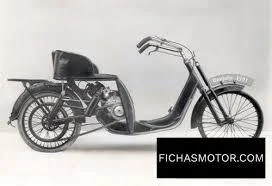
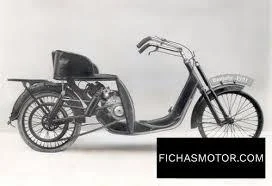
DKW Lomos-Sesselrad 170cc
1925 · Vintage
1925 · Vintage
The 1925 DKW Lomos-Sesselrad 170cc stands as a fascinating, if somewhat quirky, entry in the burgeoning world of early motorcycling. Emerging from a period of rapid innovation for German manufacturer DKW, which would later become a significant player in two-stroke engine development, the Lomos-Sesselrad represented an attempt to offer a more comfortable and accessible form of personal transport. It carved its niche in a market that included other lightweight, utility-focused machines like the contemporary Francis-Barnett Cruiserette or even simpler motorized bicycles of the era, aiming to provide basic motorized mobility to a wider audience.
At the heart of this Vintage category machine lay its modest power unit: a 169.60 ccm (10.35 cubic inches) engine. This single-cylinder, two-stroke power plant was designed for economy and simplicity rather than outright speed. While specific horsepower figures are often lost to time for such early models, it's clear the Lomos-Sesselrad was built for steady, unhurried progress. Its small displacement meant fuel consumption was minimal, making it an attractive option for daily commutes or light errands in the mid-1920s. The engine's straightforward design would have also made it relatively easy for owners to maintain, a crucial factor in an era before widespread service networks.
The "Sesselrad" designation, translating roughly to "armchair bicycle," hints at its primary design philosophy: comfort. Unlike many contemporary motorcycles with their often rudimentary seating and exposed riding positions, the Lomos-Sesselrad featured an enclosed, low-slung bodywork that enveloped the rider, offering a degree of protection from the elements. This unique configuration, reminiscent of a scooter but with a more pronounced frontal fairing, provided a relaxed, almost car-like riding position. Its handling would have been stable and predictable at lower speeds, prioritizing ease of use over agile cornering, making it suitable for unpaved roads and the nascent urban infrastructure of the time.
The DKW Lomos-Sesselrad 170cc was aimed squarely at individuals seeking practical, affordable personal transport with an emphasis on comfort. It appealed to those who might have found traditional motorcycles too exposed or intimidating, or perhaps those graduating from pedal bicycles looking for a step up in convenience. Today, this vintage machine is a collector's item, valued not for its performance, but for its unique place in motorcycling history, showcasing a fascinating period of design experimentation and the early pursuit of rider comfort in a motorized two-wheeler.
✅ Why buy this bike?
The DKW Lomos-sesselrad 170cc 1925 motorcycle featured a powerful and reliable 170cc engine, providing ample performance for its time.Its unique design with a comfortable saddle seat integrated into the frame offered a distinct and ergonomic riding experience.The motorcycle's lightweight construction made it agile and easy to maneuver, ideal for urban commuting or leisurely rides.The DKW brand was known for its quality engineering and innovative technologies, ensuring durability and longevity.The 1925 DKW Lomos-sesselrad 170cc model holds historical significance as a pioneering motorcycle that contributed to the evolution of motorcycling technology.⚠️ Things to consider
Limited availability of spare parts due to the age of the motorcycle, making maintenance and repairs challenging.Lack of modern safety features such as brakes and suspension, which can affect the overall safety of the rider.Relatively low power output compared to contemporary motorcycles, resulting in slower acceleration and top speed.Outdated design and technology may not appeal to riders looking for a more modern and comfortable riding experience.Potential for reliability issues due to the age of the motorcycle and lack of proper maintenance over the years.⚖️ Comparison & Competition
Indian Scout 101 (1928): The Indian Scout 101 is a powerful and iconic motorcycle known for its smooth ride and classic design. It features a 45 cubic inch V-twin engine and is a favorite among vintage motorcycle enthusiasts.Harley-Davidson JD (1925): The Harley-Davidson JD is a well-built and reliable motorcycle that was popular in the 1920s. It is known for its sturdy construction and comfortable ride, making it a great choice for long-distance cruising.Brough Superior SS100 (1925): The Brough Superior SS100 is a high-performance motorcycle that was considered the Rolls-Royce of motorcycles in its time. It features a powerful V-twin engine and exceptional handling, making it a top choice for speed enthusiasts.Norton Model 18 (1925): The Norton Model 18 is a versatile and dependable motorcycle that was widely used for both road racing and off-road adventures. It is known for its rugged build quality and smooth handling, making it a popular choice among riders in the 1920s.Triumph Ricardo (1925): The Triumph Ricardo is a unique motorcycle designed by legendary engineer Harry Ricardo. It features an innovative four-valve engine design that delivers impressive performance and efficiency, setting it apart from other motorcycles of its timeRule of thumb: under 125cc / 15HP → A1, under 47HP → A2, above → A.
Estimated average for 170cc class: 55-80 mpg (3.0-4.5 L/100km)
Insurance grouping for DKW Lomos-Sesselrad 170cc (170cc):
Personalised premium estimate for the DKW Lomos-Sesselrad 170cc (UK rates):
💡 Estimate based on UK market averages. For real quotes, compare on Compare the Market, MoneySuperMarket, GoCompare.
Estimated price range for the DKW Lomos-Sesselrad 170cc based on comparable motorcycles:
📊 Category-based (20 motorcycles) · Approximate (USD)
Find new and used DKW Lomos-Sesselrad 170cc 1925 listings:
💡 Third-party listings. MotoBike Info is informational only.
No comments yet. Be the first to write one!