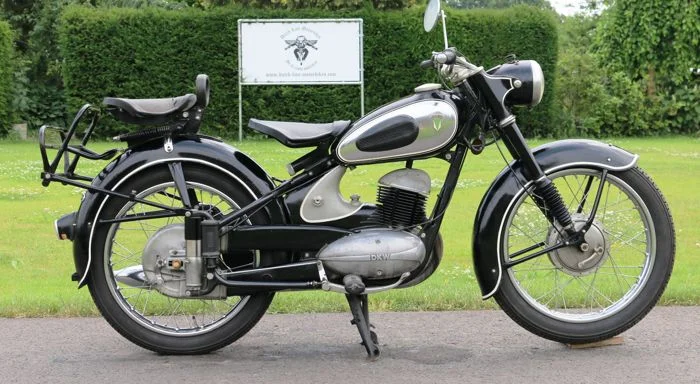
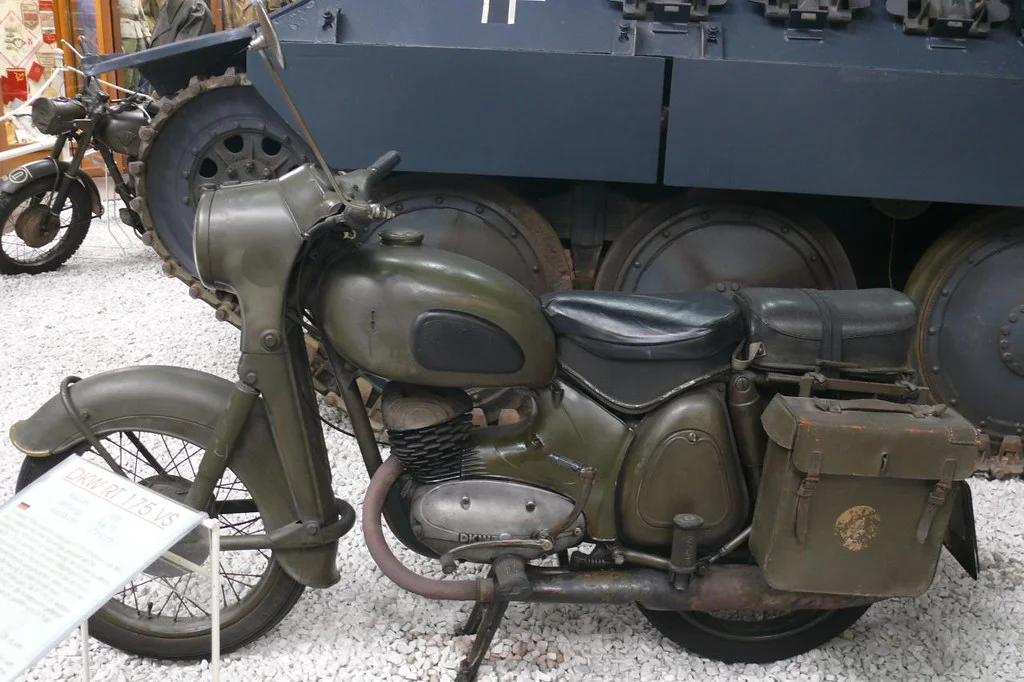
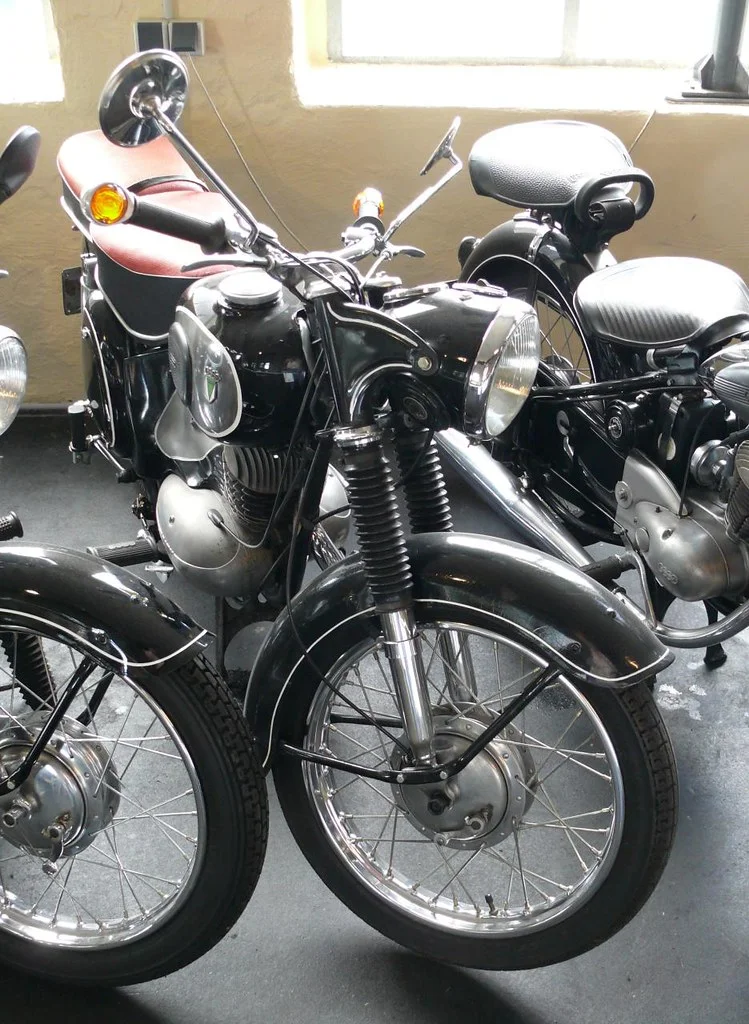
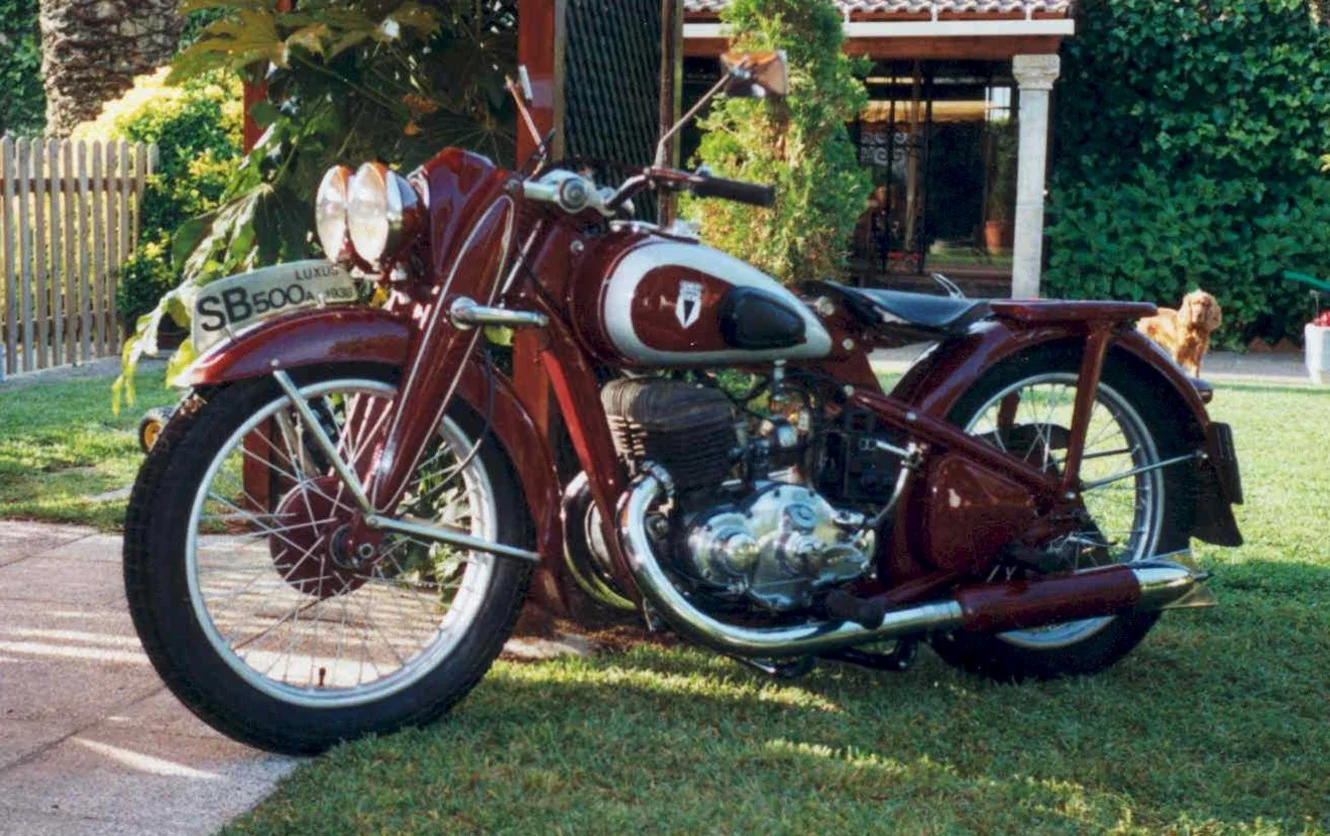
The 1939 DKW NZ 500 embodies the functional design principles of pre-World War II motorcycles. While specific horsepower figures aren't provided, its 489cc single-cylinder engine was engineered for reliable performance in various conditions. Its top speed of 115 km/h suggests a focus on practical transportation rather than high-speed thrills. The bike's weight of 195 kg contributes to stability, but also implies a less nimble handling experience compared to contemporary motorcycles. The drum brake system reflects the standard braking technology of the time.
The riding experience on the 1939 NZ 500 would likely be characterized by an upright and comfortable riding position, suitable for long journeys and everyday use. The controls would be simple and straightforward, reflecting the minimalist design ethos of the era. This motorcycle was likely aimed at individuals seeking a dependable and robust machine for personal transportation and potentially light utility work.
As a historical artifact, the 1939 DKW NZ 500 offers a glimpse into the past. Its robust construction and simple engineering make it an interesting piece for collectors and enthusiasts interested in the evolution of motorcycle technology. It represents a time when motorcycles were primarily viewed as practical tools for transportation and work.
No comments yet. Be the first to write one!