✦ publish
Harley-Davidson Model X 8 A
1912

1912
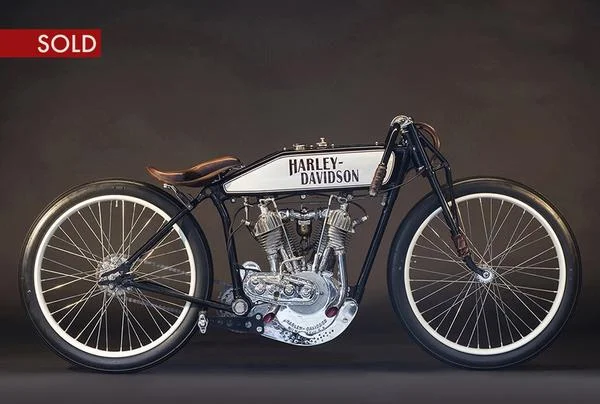
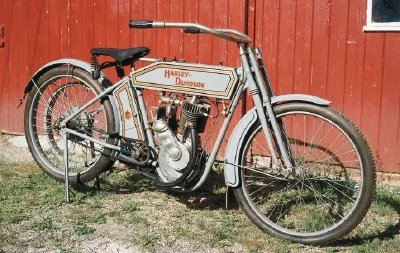
Stepping back in time to 1912, we swing a leg over the legendary Harley-Davidson Model X 8 A. This isn't just a motorcycle; it's a rolling piece of American history, a testament to the pioneering spirit of early motorcycling. In a market dominated by simpler, often less refined machines, the Harley-Davidson Model X 8 A aimed for a higher standard of performance and reliability, placing it in a slightly more premium segment compared to bare-bones offerings like the Excelsior single.
The heart of the Harley-Davidson Model X 8 A is its 491.6 ccm (30.00 cubic inches) single-cylinder, four-stroke engine. While the 1912 specifications might seem modest by today's standards, back then, this powerplant offered respectable performance. Fed by a Schebler carburettor, the engine delivers a surprisingly tractable power delivery. It's not about outright speed; it's about the character. The rhythmic thumping of the single-cylinder, the mechanical symphony of gears and valves – it's an experience that modern bikes simply can't replicate. While exact horsepower figures are lost to time, suffice it to say the Model X 8 A provided enough grunt to tackle the rough roads of the era, and even outpace some of the smaller, European-made motorcycles entering the American market.
Let's be clear: riding the Harley-Davidson Model X 8 A is not a plush, modern experience. The rigid frame and rudimentary suspension demand respect. However, for its time, the ergonomics were relatively well-considered. The upright riding position offers good visibility, and the sprung seat provides a degree of comfort – though long distances will certainly test your mettle. At a dry weight of 117.9 kg (260.0 pounds), the bike is manageable, but requires a firm hand, especially on uneven surfaces. Compared to the Indian single, which was known for its slightly more forgiving suspension, the Harley demands a more active riding style.
The review of the Model X 8 A wouldn't be complete without mentioning its design and build quality. Even after over a century, surviving examples showcase the robust construction that Harley-Davidson was known for. The simple, functional design prioritizes durability. The materials, from the steel frame to the leather saddle, were chosen for their longevity. While the fit and finish may not be as refined as later models, there's a certain charm in the honest, utilitarian aesthetic. The exposed mechanicals are a reminder of the ingenuity and craftsmanship of the era.
The Harley-Davidson Model X 8 A isn't for everyone. It's not a commuter bike, and it's certainly not a sports bike. Its ideal use case is as a historical artifact, a weekend cruiser, or a showpiece. The target audience is collectors, vintage motorcycle enthusiasts, and anyone who appreciates the raw, unfiltered experience of early motorcycling. If you're looking for modern convenience and blistering speed, look elsewhere. But if you want to connect with the roots of American motorcycling and experience a truly unique machine, the Harley-Davidson Model X 8 A offers an unparalleled glimpse into the past.
✅ Why buy this bike?
* Relatively lightweight for its era at 260 pounds, making it easier to maneuver than some contemporary machines. * Simple and robust single-cylinder engine design contributes to reliability and ease of maintenance (for its time). * The 491.6cc engine provides adequate power for typical road conditions of 1912, allowing for reasonable cruising speeds on flat terrain. * The direct belt drive system offers a direct connection to the engine, providing a raw and engaging riding experience. * The historical significance and rarity of a 1912 Harley-Davidson Model X 8 A make it a highly desirable collector's item.⚠️ Things to consider
* Lack of front suspension results in a harsh ride, especially on rough or uneven road surfaces. * Limited braking capabilities due to the primitive braking system (likely rear coaster brake only), requiring significant anticipation and caution. * The absence of any electrical components means no lights for nighttime riding and reliance on a magneto for ignition, which can be temperamental. * The single-speed transmission limits versatility and hill-climbing ability, making it unsuitable for varied terrain.Rule of thumb: under 125cc / 15HP → A1, under 47HP → A2, above → A.
Estimated average for 492cc class: 45-60 mpg (4.0-5.5 L/100km)
Insurance grouping for Harley-Davidson Model X 8 A (492cc):
Personalised premium estimate for the Harley-Davidson Model X 8 A (UK rates):
💡 Estimate based on UK market averages. For real quotes, compare on Compare the Market, MoneySuperMarket, GoCompare.
Find new and used Harley-Davidson Model X 8 A 1912 listings:
💡 Third-party listings. MotoBike Info is informational only.
No comments yet. Be the first to write one!