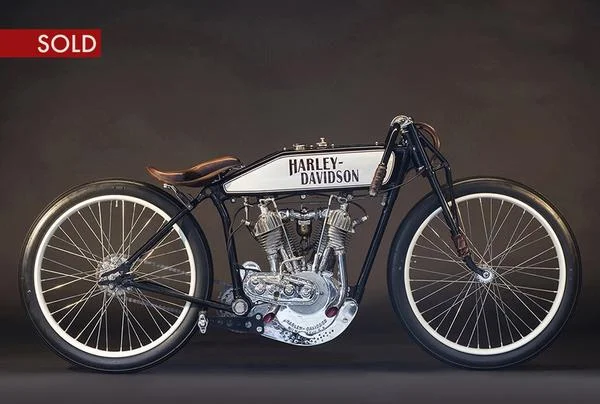
The 1926 Harley-Davidson Model A represents a significant chapter in early motorcycle history. Powered by a 345cc (21.05 cubic inches) engine, this lightweight machine, weighing in at 113 kg (249.1 pounds), was designed for personal transportation during a time when automobiles were less accessible. The engine's output, while modest by today's standards, provided sufficient power for navigating the roads of the era. It reflects the ingenuity and innovation of early motorcycle engineering.
The Model A offers a riding experience that is vastly different from modern motorcycles. The riding position is upright and relatively comfortable, reflecting its intended use as a practical mode of transport. The bike lacks modern suspension and braking systems, requiring riders to be attentive and skilled in managing its handling characteristics. It represents a simpler and more direct connection between the rider and the machine.
In conclusion, the 1926 Harley-Davidson Model A is a valuable piece of motorcycle history, showcasing the early evolution of personal transportation. Its lightweight design, modest engine, and simple construction reflect the ingenuity and practicality of early motorcycle engineering. This machine offers a glimpse into a bygone era, when motorcycles played a vital role in connecting people and communities.


No comments yet. Be the first to write one!