✦ publish
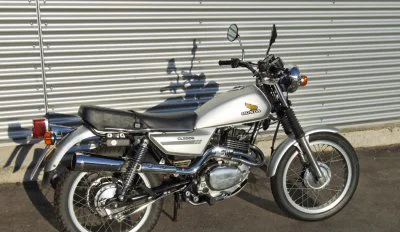
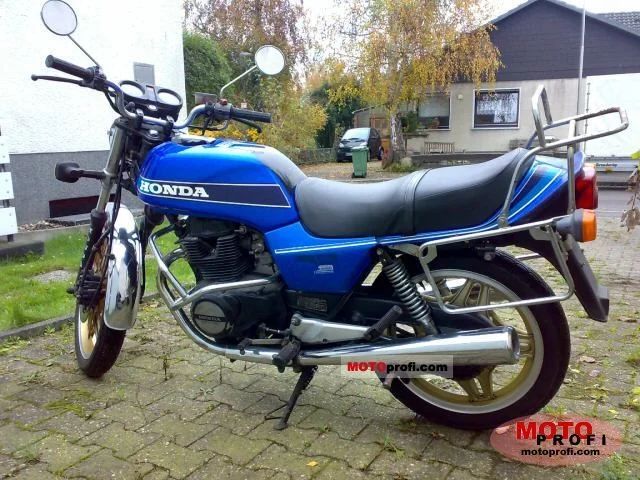
Honda CB 250 RS (reduced effect)
1982

1982
The 1982 Honda CB250 RS (Reduced Effect) holds a distinct place in the quarter-liter motorcycle landscape, representing Honda's approach to accessible and economical motorcycling in the early 80s. This specific "RS" designation indicated a version designed to meet certain regulatory or licensing requirements, often aimed at newer riders or those seeking lower insurance premiums. It emerged from a lineage of successful Honda CB models, focusing on reliability and ease of use. In its competitive environment, the CB250 RS would have been up against rivals like the Yamaha SR250 and the Suzuki GS250T, all vying for attention in the burgeoning 250cc market.
At its heart, the CB250 RS featured a 248.0 ccm (15.13 cubic inches) single-cylinder, four-stroke engine. This powerplant produced a practical 17.0 HP (12.4 kW) at 7000 RPM, offering sufficient grunt for daily riding and light touring. While not a powerhouse, this output allowed the bike to achieve a respectable top speed of 136.0 km/h (84.5 mph). Fuel capacity stood at 13.00 litres (3.43 US gallons), providing a decent range for its class and intended use. The single-cylinder configuration contributed to its straightforward design and relatively easy maintenance.
Riding the CB250 RS typically involved an upright stance, characteristic of many naked bikes of the era. The ergonomics were designed for comfort over long distances, making it suitable for commuting or weekend excursions. Its lightweight nature and manageable power delivery contributed to predictable handling, instilling confidence in riders. The suspension and braking components, while not cutting-edge, were entirely adequate for the bike's performance capabilities, offering a comfortable and secure ride without being overly aggressive.
The Honda CB250 RS was primarily aimed at new riders, commuters, and those seeking an economical and reliable mode of transport. Its "reduced effect" nature made it particularly appealing to riders with graduated licenses or those prioritizing fuel efficiency and lower running costs. This motorcycle was a workhorse, designed for practicality and accessibility rather than raw performance. Its enduring appeal lies in its simplicity, reliability, and the straightforward joy of motorcycling it offered to a wide audience.
✅ Why buy this bike?
• Lightweight and nimble, making it excellent for city commuting and navigating tight traffic. • Honda's legendary reliability means robust engine and components, requiring minimal maintenance if cared for. • Very fuel-efficient, offering low running costs for daily transportation, especially with the reduced effect. • Easy to handle for new riders or those returning to motorcycling due to its manageable power and weight. • Classic 1980s styling with a simple, functional design that some riders find appealing and easy to maintain.⚠️ Things to consider
• Reduced effect engine limits highway cruising ability and makes sustained higher speeds a struggle. • Vibrations can become noticeable at higher RPMs, diminishing comfort on longer rides. • Braking technology is dated (drum rear, single disc front), requiring more planning for effective stops. • Limited power output restricts its suitability for carrying a passenger or heavy luggage comfortably. • Parts availability for specific RS (reduced effect) components might be challenging compared to standard models.The Honda CB 250 RS (reduced effect) produces 17 HP, fitting A2 license limits (max 35 kW / 47 HP). For riders 18+.
Estimated average for 248cc class: 55-80 mpg (3.0-4.5 L/100km)
⛽ Tank: 13.00 litres (3.43 US gallons)
Insurance grouping for Honda CB 250 RS (reduced effect) (248cc):
Personalised premium estimate for the Honda CB 250 RS (reduced effect) (UK rates):
💡 Estimate based on UK market averages. For real quotes, compare on Compare the Market, MoneySuperMarket, GoCompare.
Find new and used Honda CB 250 RS (reduced effect) 1982 listings:
💡 Third-party listings. MotoBike Info is informational only.
No comments yet. Be the first to write one!