✦ publish
Honda CRF 250 L
2020

2020
The Honda CRF 250 L has been a staple in the dual-sport motorcycle world for years, and the 2020 model continues that tradition. It's a bike that aims to be a jack-of-all-trades, equally comfortable commuting to work as it is tackling light trails on the weekend. In a market brimming with options like the Kawasaki KLX250 and the Yamaha WR250R (though the WR is no longer in production), the CRF 250 L carves out its niche with its approachable nature and Honda reliability.
The heart of the Honda CRF 250 L is a 249.6cc single-cylinder, four-stroke engine. While the 2020 specifications show a modest power output of 22.8 HP at 8500 RPM and 22.0 Nm of torque at 7000 RPM, the engine's delivery is surprisingly smooth and tractable. This isn't a bike that will set your hair on fire with blistering acceleration, but it provides ample power for navigating city streets and maintaining a decent pace on the open road. The fuel injection system (PGM-FI with a 38mm throttle body) ensures consistent fueling and easy starting in all conditions. The 6-speed gearbox is well-spaced, allowing you to make the most of the available power. The engine's performance excels in the low-to-mid range, making it particularly forgiving for newer riders. While the Kawasaki KLX250 might offer a slightly snappier throttle response, the CRF 250 L's smoother power delivery is arguably more user-friendly.
The Honda CRF 250 L is designed for comfort and usability. The seat height, at 874mm (34.4 inches), might seem intimidating to shorter riders, but the narrow seat profile helps to mitigate this. The upright riding position provides excellent visibility and reduces strain on longer rides. The suspension, while basic, is well-suited for absorbing bumps and potholes in urban environments and handling moderately rough terrain. The bike's relatively light weight makes it easy to maneuver both on and off-road. Daily usability is a strong point; the bike is narrow enough to filter through traffic and fuel efficient enough to make commuting affordable. The relatively small 7.95-liter fuel tank capacity is something to consider for longer journeys, however.
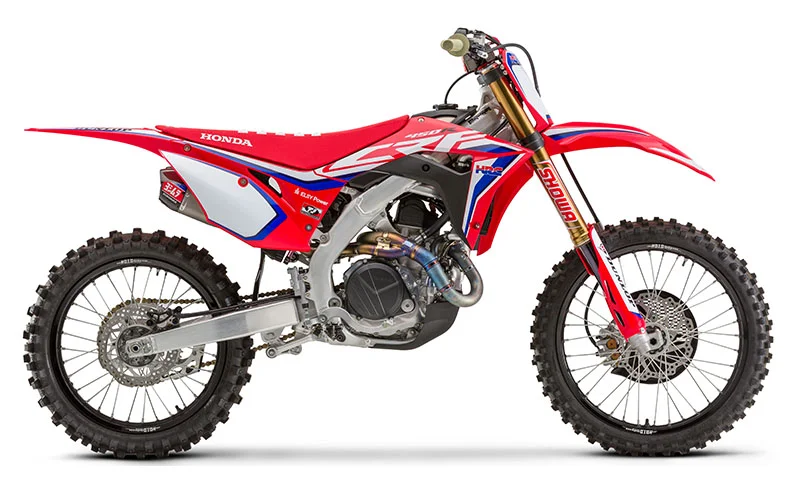
The Honda CRF 250 L boasts a modern and aggressive design, clearly inspired by Honda's competition dirt bikes. The red plastics, sharp lines, and blacked-out components give it a purposeful and appealing look. As expected from Honda, the build quality is excellent. The materials feel durable, and the fit and finish are top-notch. The switchgear is well-placed and easy to use, and the digital instrument panel is clear and informative.
This Honda CRF 250 L review concludes that it's an excellent all-around dual-sport motorcycle, especially for beginner and intermediate riders. Its smooth engine, comfortable ergonomics, and reliable construction make it a great choice for commuting, weekend trail rides, and general exploration. It's an ideal bike for those looking for an affordable, versatile, and dependable machine that can handle a variety of riding conditions. If you're searching for a lightweight and manageable dual-sport that prioritizes ease of use and reliability, the Honda CRF 250 L is definitely worth considering.
✅ Why buy this bike?
* Excellent reliability and durability, typical of Honda, ensuring long-term ownership with minimal issues. * Very approachable and manageable power delivery, making it ideal for beginner riders or those seeking a less intimidating off-road experience. * Comfortable and upright riding position, suitable for both on-road commuting and longer off-road excursions. * Lightweight and nimble handling, allowing for easy maneuverability in tight trails and urban environments. * Good fuel economy, averaging around 70 mpg, making it an economical choice for daily use. * Relatively low seat height compared to other dual-sports, making it accessible to a wider range of rider heights.⚠️ Things to consider
* Underpowered engine compared to other 250cc dual-sport motorcycles, struggling at highway speeds or when carrying a passenger. * Soft suspension components that are not well-suited for aggressive off-road riding or larger riders. * Basic instrumentation with limited features, lacking modern conveniences like a gear indicator or fuel gauge. * Stock tires are a compromise, performing adequately on pavement but lacking grip in more challenging off-road conditions.The Honda CRF 250 L produces 23 HP, fitting A2 license limits (max 35 kW / 47 HP). For riders 18+.
Manufacturer-quoted consumption: 3.22 litres/100 km (31.1 km/l or 73.05 mpg).
⛽ Tank: 7.95 litres (2.10 US gallons)
Insurance grouping for Honda CRF 250 L (250cc):
Personalised premium estimate for the Honda CRF 250 L (UK rates):
💡 Estimate based on UK market averages. For real quotes, compare on Compare the Market, MoneySuperMarket, GoCompare.
Estimated price range for the Honda CRF 250 L based on comparable motorcycles:
📊 average of 125 similar motorcycles · Approximate (USD)
Find new and used Honda CRF 250 L 2020 listings:
💡 Third-party listings. MotoBike Info is informational only.
No comments yet. Be the first to write one!