✦ Published
Kawasaki Elektrode
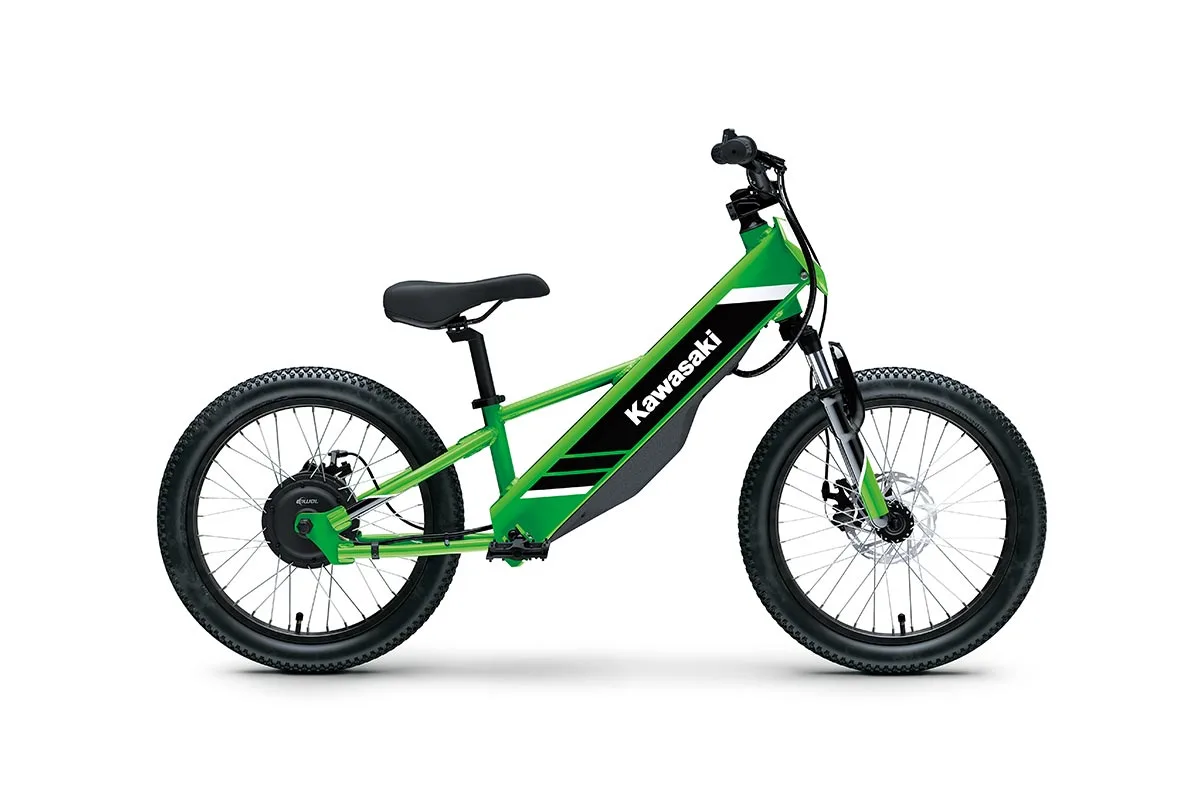
The rumble of gasoline engines might still be the soundtrack of motorcycling, but the future is undeniably electric. Kawasaki, a name synonymous with performance and innovation, is stepping into that future with the 2025 Kawasaki Elektrode. While full specifications are still under wraps, this electric motorcycle promises to be a compelling entry into the burgeoning urban mobility market. This review will delve into what we know so far and what riders can expect from Kawasaki’s electric foray.
The Kawasaki Elektrode appears poised to compete directly with electric scooters and smaller electric motorcycles like the BMW CE 04 and the NIU RQi-GT. Unlike some of its rivals focused purely on utilitarian commuting, the Elektrode aims to blend practicality with Kawasaki's signature sporty DNA. Initial glimpses suggest a design that’s more motorcycle than scooter, hinting at a more engaging riding experience. The target demographic is likely urban dwellers seeking an eco-friendly and stylish alternative to cars or public transportation for short to medium-distance trips.
While exact motor specifications remain undisclosed, the Elektrode is expected to deliver smooth and responsive power, characteristic of electric drivetrains. The absence of gears means instant torque, promising brisk acceleration perfect for navigating city traffic. The performance focus will likely prioritize efficient energy consumption and a usable range for daily commutes rather than outright top speed. We anticipate multiple riding modes to tailor power delivery and range to suit different riding conditions. Regenerative braking will undoubtedly feature, helping to recoup energy and extend the bike's range.
Comfort and ease of use are paramount in the urban electric motorcycle segment. Although the exact seat height is still "Loading...", it's likely to be relatively low to accommodate a wide range of riders. We expect a comfortable and upright riding position, promoting good visibility and control in congested environments. Weight distribution, a crucial factor in handling, will be carefully considered to ensure the Elektrode feels nimble and easy to maneuver at low speeds. The suspension setup, though details are scarce, will need to strike a balance between comfort and responsiveness to handle varying road surfaces.
Even in its pre-release form, the Kawasaki Elektrode showcases a modern and aesthetically pleasing design. Expect sharp lines, integrated lighting, and a generally futuristic appearance. Kawasaki's reputation for robust build quality suggests that the Elektrode will feature high-quality materials and a meticulous fit and finish. This isn't just about looking good; it's about creating a durable and reliable machine that can withstand the rigors of daily use. Expect premium touches and attention to detail that set it apart from cheaper electric scooters on the market.
The Kawasaki Elektrode represents Kawasaki's first step into the electric motorcycle world, and it's aiming to be a significant one. While full specifications are still pending, early indications suggest a well-designed, capable, and stylish electric motorcycle perfect for urban commuting. If Kawasaki can deliver on its promise of performance, quality, and a reasonable price point, the Elektrode could be a game-changer. This is a motorcycle for eco-conscious riders who value style, practicality, and the thrill of riding. It's ideal for those who want a zero-emission vehicle for daily commutes, weekend errands, and exploring the city in a fun and engaging way. Keep an eye on the Kawasaki Elektrode – it could be the electric future you've been waiting for.
✅ Why buy this bike?
* Ultra-quiet operation, providing a serene riding experience in urban environments. * Instant torque delivery from the electric motor, offering brisk acceleration from a standstill. * Reduced maintenance requirements compared to gasoline motorcycles, eliminating oil changes and spark plug replacements. * Environmentally friendly with zero tailpipe emissions, contributing to cleaner air in cities. * Lightweight design enhances maneuverability and ease of handling, especially in tight spaces.⚠️ Things to consider
* Limited range compared to gasoline motorcycles, requiring careful planning for longer journeys. * Dependence on charging infrastructure, which may not be readily available in all areas. * Longer refueling times compared to gasoline motorcycles, requiring patience during charging stops. * Higher initial purchase price compared to similarly sized gasoline motorcycles.
No comments yet. Be the first to write one!