✦ publish
NSU 4 PS
1922

1922
The year is 1922. The world is recovering from the Great War, and personal transportation is undergoing a revolution. Enter the NSU 4 PS, a machine that embodies the spirit of the age. This isn't just a motorcycle; it's a piece of history, a glimpse into the nascent days of motorcycling. Our review of the NSU 4 PS delves into what made this bike a significant player in its time.
The NSU 4 PS emerged into a market populated by rudimentary motorcycles, often little more than bicycles with engines strapped on. While manufacturers like Wanderer and BMW (still in its infancy as a motorcycle maker) were also producing machines, the NSU 4 PS carved its niche with a balance of reliability, relative affordability, and a respectable performance. Unlike some of its competitors, the 4 PS aimed for a broader audience, offering a more accessible entry point into motorized two-wheeled transport. This made it a popular choice for both commuters and leisure riders alike.
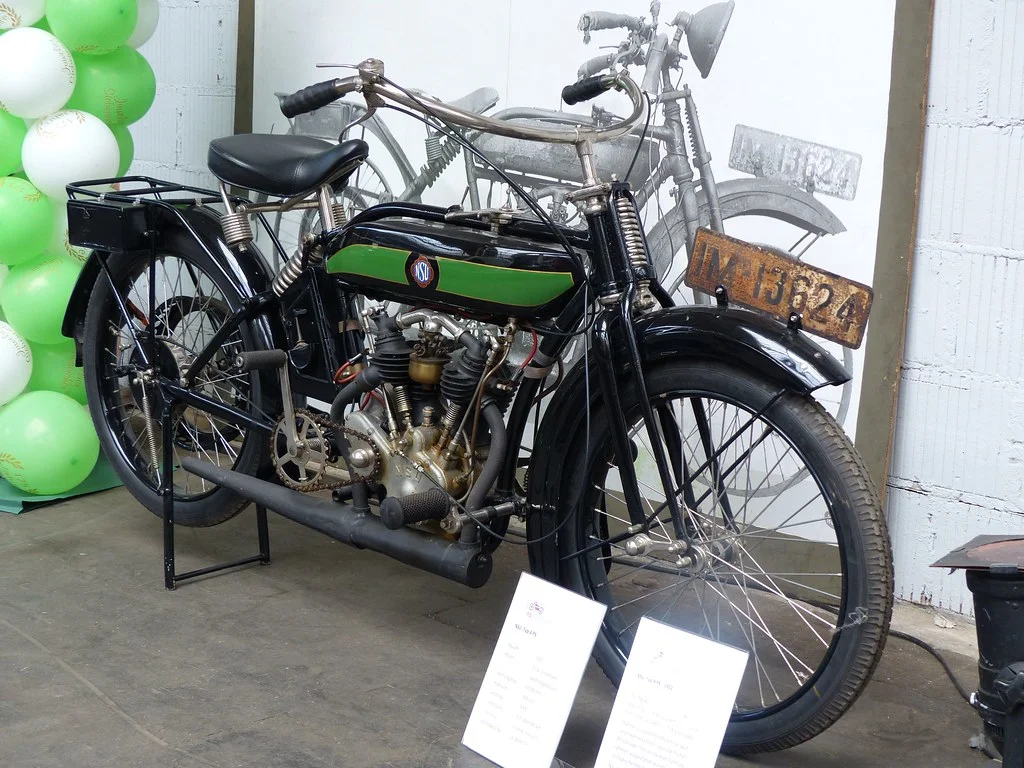
At the heart of the NSU 4 PS lies a 498cc V-twin four-stroke engine. While 4 horsepower might seem paltry by modern standards, in 1922, it was enough to propel the 120kg machine to a top speed of 80 km/h (approximately 50 mph). The engine, fed by a Pallas carburettor, offers a surprisingly tractable power delivery. Don't expect neck-snapping acceleration, but the engine pulls steadily, providing ample torque for tackling gentle inclines. The air-cooled design, while simple, proved robust and reliable, essential for the often-challenging road conditions of the era. Understanding the 1922 specifications puts this performance into perspective – it was a capable machine for its time.
Riding the NSU 4 PS is a lesson in appreciating simplicity. The sprung saddle provides some cushioning, but the ride is firm, and the lack of sophisticated suspension means you feel every bump in the road. The upright riding position offers good visibility, and the controls are straightforward, albeit requiring a firm hand. The 9-litre fuel tank provides a decent range, making it suitable for longer journeys, provided you're not in a hurry. Keep in mind, this is a machine that demands respect and engagement from the rider. It's not about effortless speed; it's about the experience of connecting with a bygone era of motorcycling. Seat height is relatively low, contributing to rider confidence, but the weight demands respect when maneuvering at low speeds.
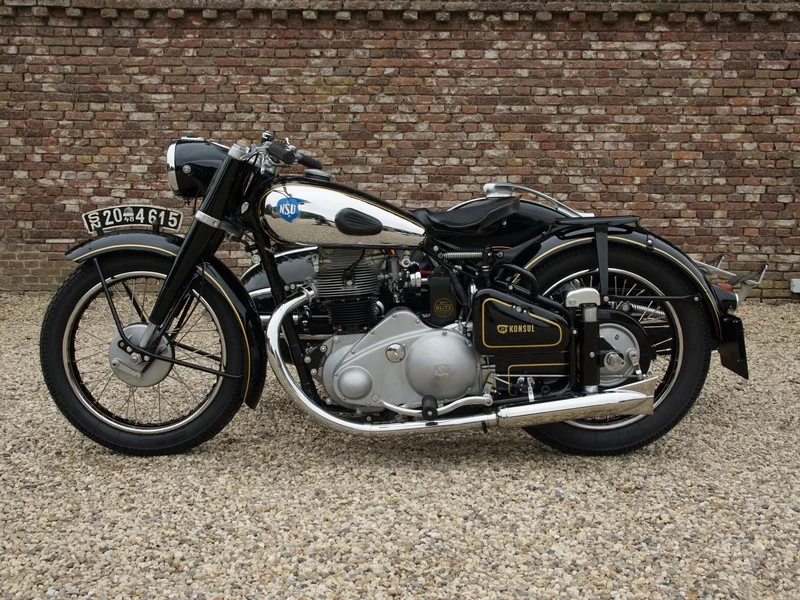
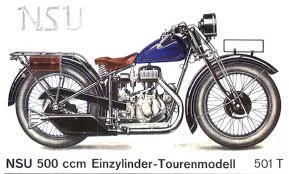
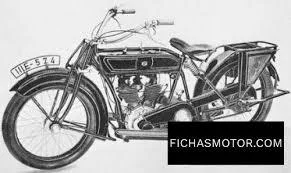
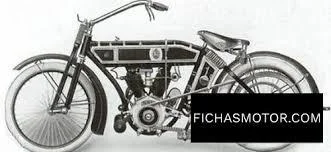
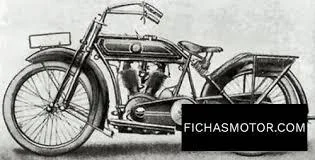
The NSU 4 PS is a testament to functional design. The exposed engine, the simple frame, and the minimal bodywork all contribute to its raw, utilitarian aesthetic. The build quality is generally robust, reflecting the era's focus on durability. While some examples may show signs of wear and tear after a century of use, well-maintained machines still exude a sense of quality and craftsmanship. The materials used are of good quality, reflecting a time before mass production and cost-cutting measures.
The NSU 4 PS isn't a motorcycle for everyone. It's not about blistering speed or cutting-edge technology. Instead, it's a machine for the enthusiast, the collector, or anyone who appreciates the history of motorcycling. If you're looking for a practical daily commuter, look elsewhere. But if you're seeking a tangible connection to the past, a machine that embodies the spirit of early motorcycling, then the NSU 4 PS is a truly special ride. Its ideal use case is vintage rallies, museum displays, or simply enjoying a leisurely ride on a sunny afternoon, soaking in the history and the admiring glances.
✅ Why buy this bike?
* Historically significant, representing an early example of motorcycle engineering and design. * Simple mechanical design makes it relatively easy to understand and maintain with appropriate knowledge. * Lightweight (for its era) at 120 kg, making it manageable for riders of the time and easier to maneuver at low speeds. * Relatively low power output makes it less intimidating for novice riders of the 1920s and today's vintage enthusiasts. * Classic vintage styling and aesthetics offer a unique and eye-catching appearance.⚠️ Things to consider
* Extremely low power output makes it unsuitable for modern traffic conditions and limited to very low-speed riding. * Primitive suspension and braking systems offer poor ride quality and limited stopping power compared to modern motorcycles. * Lack of readily available parts and specialized knowledge required for maintenance can make ownership challenging and expensive. * Very limited range due to small fuel tank capacity and potentially poor fuel efficiency by modern standards.Rule of thumb: under 125cc / 15HP → A1, under 47HP → A2, above → A.
Estimated average for 498cc class: 45-60 mpg (4.0-5.5 L/100km)
⛽ Tank: 9.00 litres (2.38 US gallons)
Insurance grouping for NSU 4 PS (498cc):
Personalised premium estimate for the NSU 4 PS (UK rates):
💡 Estimate based on UK market averages. For real quotes, compare on Compare the Market, MoneySuperMarket, GoCompare.
Find new and used NSU 4 PS 1922 listings:
💡 Third-party listings. MotoBike Info is informational only.
No comments yet. Be the first to write one!