✦ publish
Suzuki GS 450 L (reduced effect)
1981

1981
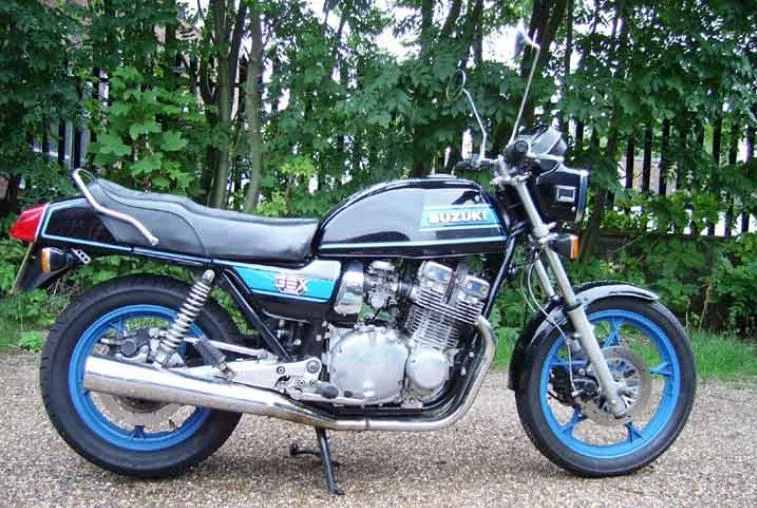
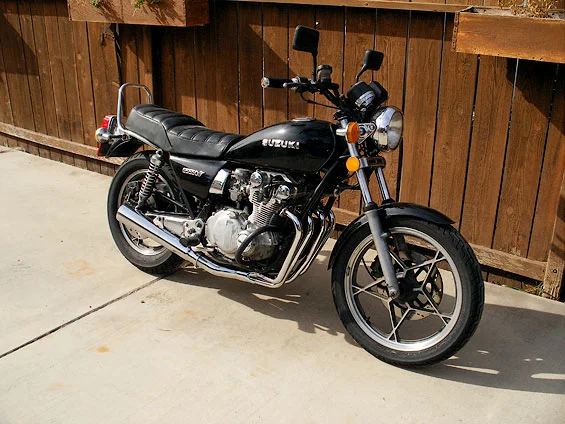
The 1981 Suzuki GS 450 L (reduced effect) carved out its niche in the cruiser landscape of the early eighties, offering a more relaxed and accessible riding experience. Part of the popular GS series, which encompassed a wide range of displacements and styles, the "L" designation indicated its cruiser-oriented styling with a stepped seat and pulled-back handlebars. In its era, it competed directly with models like the Honda CM400 Custom and the Kawasaki KZ440 LTD, appealing to riders seeking a comfortable and manageable machine for daily use or weekend cruises.
At the heart of the GS 450 L was its 448.0 ccm (27.34 cubic inches) engine, a twin-cylinder unit designed for smooth power delivery rather than outright aggression. This particular "reduced effect" version produced a modest 27.0 HP (19.7 kW) at 7600 RPM, making it an approachable option for less experienced riders or those subject to specific licensing restrictions. Despite its reduced power output, the GS 450 L could achieve a top speed of 145.0 km/h (90.1 mph), which was respectable for its class. The fuel tank held 11.00 litres (2.91 US gallons), providing a decent range for its intended use.
Riding the GS 450 L was characterized by its comfortable, low-slung cruiser ergonomics. The pulled-back handlebars and forward-mounted footpegs contributed to a relaxed, upright stance, reducing rider fatigue on longer journeys. The suspension, while not overly sophisticated, was typically set up for comfort, absorbing road imperfections adequately. Its relatively low seat height made it easy for riders of various statures to flat-foot at stops, enhancing confidence and maneuverability at lower speeds. The twin-cylinder engine delivered a smooth powerband, making for predictable acceleration and easy cruising.
The 1981 Suzuki GS 450 L (reduced effect) was clearly aimed at a specific demographic: new riders, those seeking an easy-to-manage commuter, or individuals who preferred a laid-back cruising style without the intimidating power of larger machines. Its reduced power output made it an excellent stepping stone into motorcycling, while its classic cruiser lines offered timeless appeal. For riders prioritizing comfort, ease of use, and a relaxed pace over outright speed or aggressive handling, the GS 450 L represented a solid and practical choice in the early 1980s motorcycle market.
✅ Why buy this bike?
• Reliable, air-cooled parallel twin engine known for longevity with proper maintenance. • Low seat height and moderate weight make it approachable for new or returning riders. • Comfortable, upright riding position ideal for relaxed cruising and longer journeys. • Shaft drive system offers clean, low-maintenance operation compared to chain drive. • Reduced effect engine provides manageable power output, good for fuel economy and insurance. • Classic styling with chrome accents offers timeless appeal and a vintage aesthetic.⚠️ Things to consider
• Reduced effect engine limits top-end performance, making highway passing less spirited. • Drum rear brake offers adequate but not exceptional stopping power compared to discs. • Suspension components are basic and can feel soft or underdamped on rough roads. • Limited aftermarket support for performance upgrades or modern accessory integration. • Original electrical systems can be prone to age-related issues; wiring harnesses may need attention.The Suzuki GS 450 L (reduced effect) produces 27 HP, fitting A2 license limits (max 35 kW / 47 HP). For riders 18+.
Estimated average for 448cc class: 45-60 mpg (4.0-5.5 L/100km)
⛽ Tank: 11.00 litres (2.91 US gallons)
Insurance grouping for Suzuki GS 450 L (reduced effect) (448cc):
Personalised premium estimate for the Suzuki GS 450 L (reduced effect) (UK rates):
💡 Estimate based on UK market averages. For real quotes, compare on Compare the Market, MoneySuperMarket, GoCompare.
Find new and used Suzuki GS 450 L (reduced effect) 1981 listings:
💡 Third-party listings. MotoBike Info is informational only.
No comments yet. Be the first to write one!