✦ publish
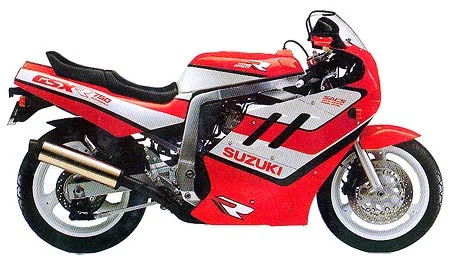
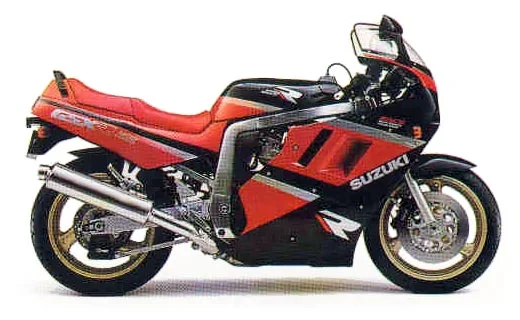
Suzuki GSX-R 1100 (reduced effect)
1989

1989
The Suzuki GSX-R 1100 (reduced effect). Even the name evokes a sense of raw power and unapologetic speed. But does the 1989 model live up to the legend? Let's dive into this iconic machine and see what makes it tick, and whether it still holds its own in today's world.
In 1989, the Suzuki GSX-R 1100 (reduced effect) wasn't just a motorcycle; it was a statement. It arrived at a time when the battle for superbike supremacy was raging, pitting it against formidable rivals like the Yamaha FZR1000 and Kawasaki ZX-10. While the FZR offered a lighter, more nimble package, and the ZX-10 boasted an even more potent engine, the GSX-R 1100 carved its niche with a blend of brute force and surprisingly capable handling. The reduced effect version offered a slightly toned-down experience compared to some markets, but still delivered serious performance.
At the heart of the 1989 GSX-R 1100 lies an air-cooled, inline-four engine displacing a massive 1127cc. This powerplant is the defining characteristic of the bike. Forget subtle power curves; this engine delivers a sledgehammer blow of torque right from the mid-range, continuing to build relentlessly towards its top end. The 1989 specifications reveal a top speed of around 235 km/h (146 mph), but the sensation of getting there is what truly captivates. While modern bikes offer smoother, more refined power delivery, the GSX-R 1100's raw, visceral feel is part of its charm. The 5-speed gearbox, while not as slick as modern units, is robust and perfectly suited to the engine's character. This performance review wouldn't be complete without emphasizing the engine: it's a beast.
Let's be honest, the GSX-R 1100 wasn't designed for long-distance touring. The riding position is aggressive, placing significant weight on your wrists. The seat, while adequate, isn't exactly plush. However, for shorter blasts and weekend rides, it's manageable. The handling, while not as razor-sharp as modern sportbikes, is surprisingly competent. The bike feels stable at high speeds, and while it requires some muscle to hustle through corners, it's rewarding once you get the hang of it. Weight considerations are key; it's a hefty machine, so be prepared to work it. Daily usability is limited; this is a machine built for speed, not commuting.
The 1989 GSX-R 1100's design is pure late-80s superbike. The angular fairings, the distinctive twin headlights, and the minimalist instrumentation all scream "performance." While some may find the aesthetics dated, there's no denying its iconic status. The build quality is generally robust, with a focus on durability rather than outright refinement. The materials used are of good quality, and the fit and finish are acceptable for its era. However, finding a well-maintained example is crucial, as age can take its toll.
The Suzuki GSX-R 1100 (reduced effect) is not a bike for the faint of heart. It's a raw, visceral machine that demands respect. It's best suited for experienced riders who appreciate the thrill of old-school superbike performance. If you're looking for a comfortable, refined ride, look elsewhere. However, if you crave a motorcycle with character, a legendary pedigree, and a healthy dose of adrenaline, the GSX-R 1100 could be the perfect choice. Its ideal use case is weekend blasts on twisty roads or the occasional track day. This 1989 specifications review confirms it's a classic for a reason.
✅ Why buy this bike?
* Iconic and instantly recognizable 80s superbike styling; a true head-turner. * Immense, usable torque from the large displacement 1127cc engine, providing strong acceleration at any RPM. * Relatively simple and reliable engine design compared to modern bikes, making maintenance straightforward for experienced mechanics. * Comfortable riding position for a sportbike of its era, suitable for longer rides than more extreme competitors. * Readily available aftermarket parts and support due to its popularity and long production run.⚠️ Things to consider
* Heavy weight compared to modern sportbikes, impacting handling agility and maneuverability. * Carbureted engine can be finicky and require regular tuning to maintain optimal performance, especially in varying weather conditions. * Brakes are dated and lack the stopping power and feel of modern braking systems, requiring more planning and anticipation. * Suspension is basic and lacks the adjustability of modern sportbikes, leading to a less refined ride and compromised handling on rough surfaces.Rule of thumb: under 125cc / 15HP → A1, under 47HP → A2, above → A.
Estimated average for 1127cc class: 28-40 mpg (6.0-9.0 L/100km)
⛽ Tank: 21.00 litres (5.55 US gallons)
Insurance grouping for Suzuki GSX-R 1100 (reduced effect) (1127cc):
Personalised premium estimate for the Suzuki GSX-R 1100 (reduced effect) (UK rates):
💡 Estimate based on UK market averages. For real quotes, compare on Compare the Market, MoneySuperMarket, GoCompare.
Find new and used Suzuki GSX-R 1100 (reduced effect) 1989 listings:
💡 Third-party listings. MotoBike Info is informational only.

No comments yet. Be the first to write one!