✦ publish
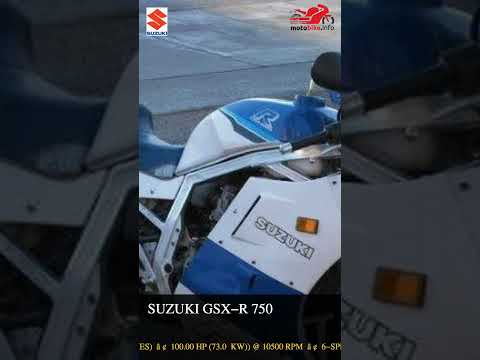
Suzuki GSX-R 750
2012

2012
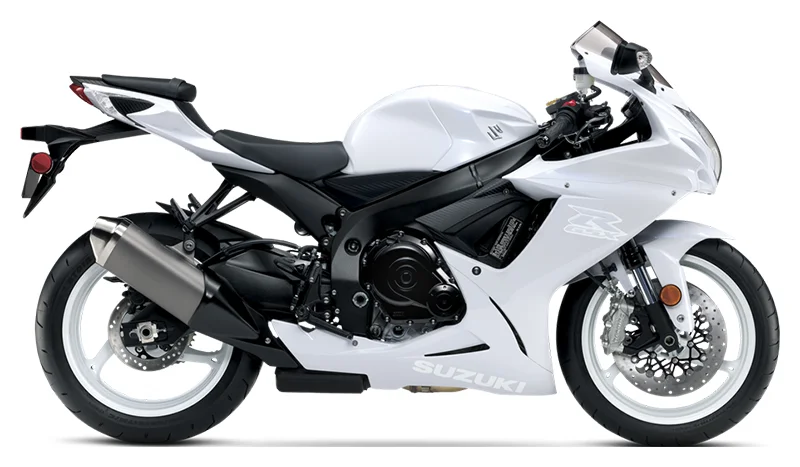
The Suzuki GSX-R 750. The very name evokes images of track days, knee-dragging apexes, and a near-perfect balance between outright power and nimble handling. The 2012 model year continued this legacy, offering a thrilling riding experience that slotted neatly between the outright aggression of 1000cc superbikes and the more manageable, but sometimes less exciting, 600cc machines.
In a market increasingly dominated by either liter-class monsters or more budget-friendly (and less powerful) 600cc sportbikes, the Suzuki GSX-R 750 carved a unique niche. It offered more usable power than a typical 600 like the Honda CBR600RR in real-world riding situations, while remaining more approachable and less physically demanding than a 1000cc superbike such as the Yamaha R1. This "sweet spot" made it a popular choice for riders seeking a potent track weapon that could also handle weekend canyon carving or even the occasional commute. The 2012 model further refined this formula, building upon years of GSX-R heritage.
The heart of the 2012 Suzuki GSX-R 750 is its 749cc, liquid-cooled, in-line four-cylinder engine. This powerplant punches out a healthy 86.3 Nm (63.7 ft.lbs) of torque at 11,200 RPM, delivering a broad spread of power that's accessible throughout the rev range. The fuel injection system is crisp and responsive, providing excellent throttle control whether you're navigating city streets or attacking a racetrack. While not possessing the outright grunt of a 1000cc machine, the 750’s engine rewards precise throttle inputs and offers a thrilling top-end rush that keeps you engaged. Its performance is easily accessible and confidence inspiring.
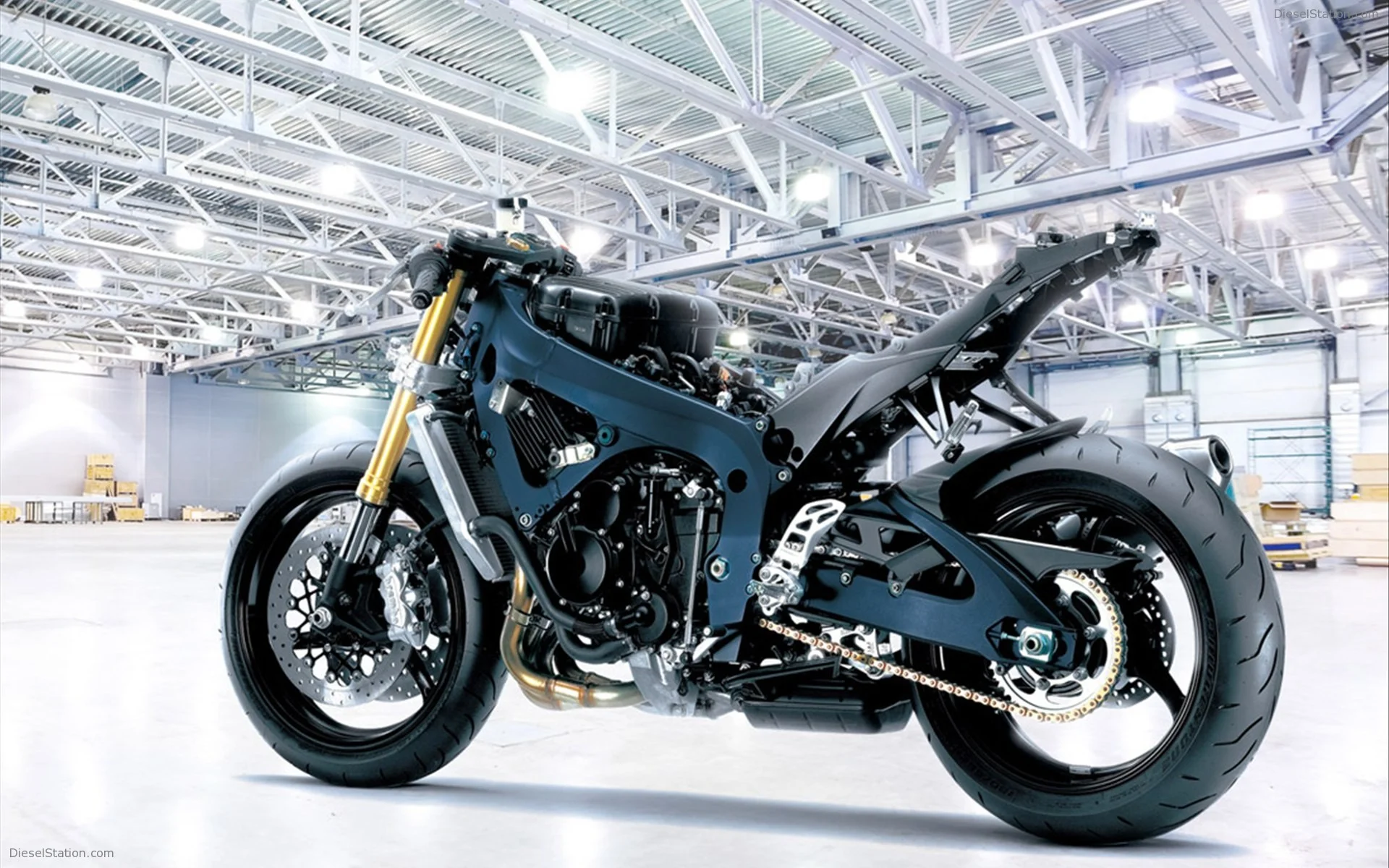
The riding position on the Suzuki GSX-R 750 is sporty, as you'd expect, but not overly aggressive. The 810mm (31.9 inch) seat height provides a decent platform for riders of various sizes. While long-distance comfort isn't its primary focus, the bike is surprisingly manageable for shorter trips. The handling is where the GSX-R 750 truly shines. It's incredibly agile and responsive, inspiring confidence in corners. The lightweight chassis contributes to its nimble feel, making it easy to flick through tight turns. The 2012 specifications also include fully adjustable suspension, allowing riders to fine-tune the ride to their preferences and riding style.
The 2012 Suzuki GSX-R 750 boasts sharp, aggressive styling that's unmistakably GSX-R. The bodywork is sleek and aerodynamic, contributing to its performance at high speeds. The fit and finish are generally good, with quality materials used throughout. The instrument panel is clear and easy to read, providing all the essential information at a glance. While some may find the design slightly dated compared to newer models, it remains a visually appealing and purposeful machine.
The 2012 Suzuki GSX-R 750 remains a compelling option for riders seeking a potent and versatile sportbike. Its blend of usable power, nimble handling, and refined ergonomics makes it a great choice for track days, canyon carving, and even the occasional commute. If you're looking for a motorcycle that offers a thrilling riding experience without the intimidating power of a 1000cc superbike, the GSX-R 750 deserves serious consideration. This review highlights a bike for experienced riders wanting a well-balanced and rewarding machine. The Suzuki GSX-R 750: still a legend, and for good reason.
✅ Why buy this bike?
* Near-perfect balance of power and handling, offering a thrilling yet manageable riding experience suitable for both track days and spirited road riding. * Exceptionally precise and communicative chassis provides confidence-inspiring feedback, allowing riders to push their limits with control. * Brembo monobloc brakes offer powerful and consistent stopping performance, crucial for both aggressive riding and emergency situations. * Fully adjustable Showa Big Piston Forks (BPF) provide excellent front-end feel and allow for fine-tuning the suspension to suit individual riding styles and track conditions. * Relatively lightweight compared to 1000cc superbikes, contributing to its agile handling and ease of maneuverability.⚠️ Things to consider
* Lacks the advanced electronic rider aids (traction control, multiple riding modes) found on newer superbikes, requiring more rider skill and awareness. * The riding position, while sporty, can become uncomfortable on longer rides due to the aggressive lean angle and firm seat. * Fuel economy is adequate but not exceptional, especially when ridden aggressively, requiring more frequent fuel stops compared to some competitors. * The instrument cluster, while functional, lacks the modern features and connectivity options found on newer motorcycles.Rule of thumb: under 125cc / 15HP → A1, under 47HP → A2, above → A.
Estimated average for 749cc class: 35-50 mpg (5.0-7.0 L/100km)
⛽ Tank: 17.00 litres (4.49 US gallons)
Insurance grouping for Suzuki GSX-R 750 (749cc):
Personalised premium estimate for the Suzuki GSX-R 750 (UK rates):
💡 Estimate based on UK market averages. For real quotes, compare on Compare the Market, MoneySuperMarket, GoCompare.
Estimated price range for the Suzuki GSX-R 750 based on comparable motorcycles:
📊 average of 94 similar motorcycles · Approximate (USD)
Find new and used Suzuki GSX-R 750 2012 listings:
💡 Third-party listings. MotoBike Info is informational only.
No comments yet. Be the first to write one!