✦ publish
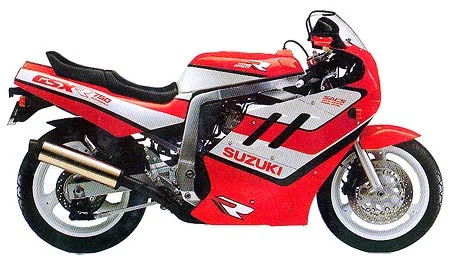
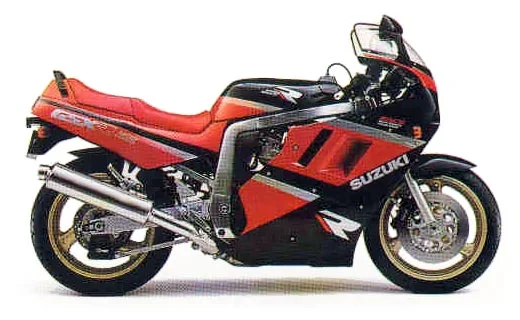
Suzuki GSX-R 750 R (reduced effect)
1989

1989
The 1989 Suzuki GSX-R 750 R, often referred to as the "reduced effect" model due to its specific market positioning, represents a pivotal moment in the iconic GSX-R lineage. This particular iteration built upon the successes of its predecessors, further solidifying Suzuki's reputation in the fiercely competitive sportbike segment. In the late 80s, the battle for supersport dominance was intense, with the GSX-R 750 R directly competing against formidable machines like the Yamaha FZR750R (OW01) and the Honda VFR750R (RC30), all vying for track supremacy and street credibility.
At the heart of the 1989 GSX-R 750 R was its robust 749.0 ccm (45.70 cubic inches) in-line four, four-stroke engine. This power unit was engineered for spirited riding, propelling the machine to a top speed of 230.0 km/h (142.9 mph). Feeding this potent engine was a generous 19.00-litre (5.02 US gallons) fuel tank, offering a reasonable range for its class. The power delivery was characteristic of the era's performance motorcycles, emphasizing high-revving excitement and a direct connection between rider and machine, making it a compelling choice for enthusiasts.
Riding the 1989 GSX-R 750 R offered a distinctly sport-oriented experience. Its track-focused ergonomics, characterized by a low clip-on handlebar position and rearset pegs, placed the rider in an aggressive crouch, ideal for spirited cornering and minimizing wind resistance at speed. While this setup was advantageous on the circuit, it did contribute to a firmer ride and a less relaxed posture for longer journeys. Suspension components were tuned for agility and feedback, translating road imperfections directly to the rider but also providing valuable information during aggressive maneuvers.
The 1989 Suzuki GSX-R 750 R was primarily aimed at experienced riders and sportbike aficionados who appreciated a raw, unfiltered riding experience. It appealed to those who valued a motorcycle built with a clear performance agenda, whether for track days or spirited weekend rides. Its legacy as a purebred sportbike, offering a direct and engaging ride, cemented its place in motorcycling history. For collectors and enthusiasts today, it remains a sought-after piece of Suzuki's racing heritage.
✅ Why buy this bike?
• Iconic styling of the late 80s, a true classic that turns heads and holds historical value. • Lighter and more agile than many liter-bikes of its era, offering superior handling for its class. • Robust and reliable air/oil-cooled engine, known for longevity and relatively simple maintenance. • Excellent platform for a classic sportbike restoration or a vintage race build due to parts availability. • Good power-to-weight ratio even in reduced effect form, still spirited enough for enjoyable road riding.⚠️ Things to consider
• Reduced effect engine significantly limits top-end power compared to the full-fat model, impacting performance. • Dated suspension and braking technology compared to modern bikes, requiring upgrades for spirited riding. • Riding position is aggressive and uncomfortable for long distances, typical of 80s sportbikes. • Finding specific 'reduced effect' parts can be challenging, potentially requiring custom solutions. • Fuel efficiency is not a strong point, especially with older carburetor technology and aggressive riding.Rule of thumb: under 125cc / 15HP → A1, under 47HP → A2, above → A.
Estimated average for 749cc class: 35-50 mpg (5.0-7.0 L/100km)
⛽ Tank: 19.00 litres (5.02 US gallons)
Insurance grouping for Suzuki GSX-R 750 R (reduced effect) (749cc):
Personalised premium estimate for the Suzuki GSX-R 750 R (reduced effect) (UK rates):
💡 Estimate based on UK market averages. For real quotes, compare on Compare the Market, MoneySuperMarket, GoCompare.
Find new and used Suzuki GSX-R 750 R (reduced effect) 1989 listings:
💡 Third-party listings. MotoBike Info is informational only.

No comments yet. Be the first to write one!