✦ publish
Suzuki SV 650
2010
2010
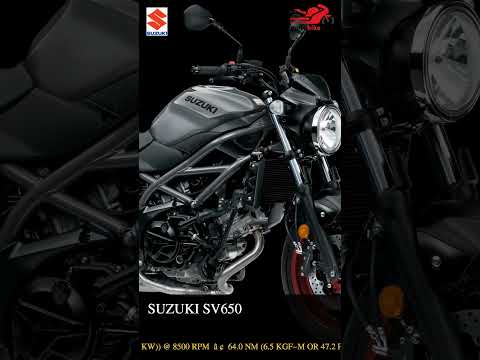
The Suzuki SV 650. Even the name evokes a certain nostalgic charm for riders who remember its original introduction. But what about the 2010 model? Is it still a relevant contender in the crowded middleweight motorcycle market? This review dives into the specifics of the 2010 SV 650, examining its strengths and weaknesses to see if it holds up against more modern competition.
The 2010 Suzuki SV 650 occupied a unique space as a budget-friendly, versatile motorcycle. Aimed at both new riders and experienced enthusiasts looking for a back-to-basics machine, it competed directly with bikes like the Kawasaki ER-6n (later the Ninja 650) and the Yamaha FZ6R. Unlike some of its competitors that leaned heavily into the sportbike aesthetic, the SV 650 offered a more neutral riding position and a focus on real-world usability. Its simple, reliable design made it an attractive option for riders prioritizing affordability and ease of maintenance.
At the heart of the 2010 SV 650 lies a 645cc, 90-degree V-twin engine. This configuration provides a distinctive character and a broad spread of torque that's easily accessible throughout the rev range. While not a powerhouse, the engine delivers ample performance for both city commuting and weekend rides. The fuel injection system ensures smooth and predictable throttle response, making it forgiving for newer riders. The 2010 specifications show that it is oil and air cooled, a testament to its simpler, less complicated design philosophy. You won't find blistering top-end power here, but the SV 650's charm lies in its usable, enjoyable midrange grunt.
With a dry weight of just 168kg and a relatively low seat height of 800mm, the SV 650 is incredibly manageable, especially for shorter riders. The riding position is upright and comfortable, making it suitable for daily commutes and longer journeys. The suspension, while basic, does a decent job of absorbing bumps and providing a stable ride. The light weight contributes to its nimble handling, making it fun to flick through corners. It's a motorcycle that inspires confidence, regardless of your skill level. While the seat might become a little uncomfortable on extended rides, it's a reasonable compromise for the overall package.
The 2010 SV 650 boasts a clean, understated design. While not groundbreaking, its timeless aesthetics have aged reasonably well. The build quality is generally solid, reflecting Suzuki's reputation for reliability. The materials used are functional and durable, prioritizing practicality over premium feel. The fit and finish are acceptable for a motorcycle in its price range, although some may find the overall appearance a bit dated compared to more modern machines.
The 2010 Suzuki SV 650 remains a compelling choice for riders seeking an affordable, versatile, and fun motorcycle. Its user-friendly engine, nimble handling, and comfortable ergonomics make it ideal for new riders, commuters, and those looking for a back-to-basics machine. While it may lack some of the modern features and visual flair of its competitors, its reliability, affordability, and sheer riding enjoyment make it a winner. If you're looking for a practical and enjoyable middleweight that won't break the bank, the 2010 SV 650 is definitely worth considering. It's a testament to the idea that sometimes, simple is best.
✅ Why buy this bike?
* Torquey and responsive 645cc V-twin engine provides excellent low-to-midrange power, making it fun and easy to ride in various conditions. * Lightweight and nimble handling characteristics make it exceptionally easy to maneuver in city traffic and enjoyable on twisty roads. * Comfortable riding position suitable for daily commuting and longer weekend rides, offering a balance between sporty and upright. * Reliable Suzuki engineering and a proven track record contribute to low maintenance costs and long-term durability. * Affordable price point, both new and used, makes it an accessible option for new riders and experienced riders looking for a budget-friendly motorcycle.⚠️ Things to consider
* Basic suspension components (non-adjustable front forks on standard models) can feel inadequate for aggressive riding or heavier riders. * Simple instrumentation lacks modern features like a gear indicator or fuel gauge (on some models), requiring riders to rely on feel. * Styling is somewhat dated compared to more modern motorcycles, lacking the aggressive or cutting-edge aesthetics of newer competitors. * Brakes, while adequate, lack the initial bite and overall stopping power of more advanced braking systems found on higher-spec bikes.Rule of thumb: under 125cc / 15HP → A1, under 47HP → A2, above → A.
Estimated average for 645cc class: 35-50 mpg (5.0-7.0 L/100km)
⛽ Tank: 17.00 litres (4.49 US gallons)
Insurance grouping for Suzuki SV 650 (645cc):
Personalised premium estimate for the Suzuki SV 650 (UK rates):
💡 Estimate based on UK market averages. For real quotes, compare on Compare the Market, MoneySuperMarket, GoCompare.
Estimated price range for the Suzuki SV 650 based on comparable motorcycles:
📊 average of 95 similar motorcycles · Approximate (USD)
Find new and used Suzuki SV 650 2010 listings:
💡 Third-party listings. MotoBike Info is informational only.
No comments yet. Be the first to write one!